
Lettuce in Zone 8A — Southeast
Lactuca sativa · Your Complete 2026 Planting Guide
Time to Buy Starts!
Seed starting window passed, but starts are available now.
Buy Starts Now
Head to your local nursery, Home Depot, or farmers market for transplants.
- Look for stocky plants with dark green leaves
- Avoid leggy seedlings or plants already flowering
- Check that roots aren't circling the pot (rootbound)
How to Plant Lettuce in Zone 8A — Southeast
Here are all your options for getting lettuce in the ground, from the easiest method to more advanced approaches.
Direct Sow Seeds
RecommendedMid February through mid September
around February 15
Consider succession planting every 2-3 weeks for continuous harvest.
Lettuce germinates easily in cool soil. Succession sow every 2-3 weeks.
Start Seeds Indoors
RecommendedLate January through mid February
around February 1
Then transplant: Early March through mid April
Start seeds 4-6 weeks before transplanting outdoors.
Starting indoors gives you an earlier harvest.
Buy Starts
Works WellEarly March through mid April
around March 1
Plant purchased starts after last frost (March 15).
Lettuce starts are inexpensive and widely available.
Transplant Outdoors
Timing InfoEarly March through mid April
around March 1
Can tolerate light frost, but wait for soil to be workable.
You have a nice window — no need to rush.
Fall Planting
Mid September through mid October
October 4 ideal · Direct sow for fall harvest
Plant a second crop in mid-summer for fall harvest. Lettuce actually prefers the cooling temperatures of fall.
Overview
Lettuce is one of the most rewarding crops you can grow in Zone 8A, delivering crisp, flavorful greens that put store-bought to shame. Our long growing season gives you nearly eight months of fresh lettuce potential, from early spring through late fall. The variety you can grow here – from delicate butter lettuce to sturdy romaine – far exceeds what you'll find at the grocery store, and there's nothing quite like stepping outside for salad ingredients.
Our hot, humid summers and clay soil present challenges, but smart timing makes lettuce absolutely doable in the Southeast. With our 245-day growing season, you can enjoy fresh lettuce from early spring, take a summer break during the worst heat, then restart for an excellent fall crop that often lasts until Thanksgiving. The key is working with our climate rather than fighting it.
Starting Seeds Indoors
Starting lettuce seeds indoors isn't essential, but it gives you an earlier harvest and more control during our sometimes unpredictable Southeast springs. Sow seeds in late January through mid-February, about four weeks before you plan to transplant outdoors. Use seed trays filled with quality seed-starting mix, and keep them in a warm spot around 60-65°F for germination.
Once seedlings emerge, they need bright light to prevent getting leggy. A sunny south window works, or use grow lights positioned 4-6 inches above the plants. Water from the bottom by setting trays in shallow pans of water – this prevents damping-off disease, which can be problematic in our humid conditions.
Your indoor starts will be ready to transplant by early March when our moderate spring weather begins settling in. This method works particularly well if you want to try expensive or unusual varieties that might be harder to direct sow successfully.
Transplanting Outdoors
Transplant your lettuce seedlings outdoors from early March through mid-April, once soil temperatures reach around 40°F and the worst of winter's temperature swings are behind us. In the Southeast, this timing usually coincides with when our spring weather begins to stabilize, though you should still watch for late cold snaps.
Harden off seedlings gradually over a week by exposing them to outdoor conditions for increasing periods each day. Start with a couple hours of morning sun and work up to full days outdoors. Space transplants 6-12 inches apart depending on variety – leaf lettuce on the closer end, head lettuce needs the full 12 inches.
Plant in well-draining soil amended with compost to help with our clay soil challenges. Choose a spot that gets morning sun but some afternoon protection, especially as we head into warmer weather. Lettuce transplants are widely available and inexpensive at local nurseries, making this often the easiest route for Southeast gardeners.
Direct Sowing
Direct sowing lettuce works well in our climate, especially for succession plantings. Sow seeds from mid-February through mid-September, though you'll want to skip the hottest part of summer (late June through August) unless you can provide significant shade. The beauty of direct sowing is continuous harvests – plant new rows every 2-3 weeks for steady production.
Lettuce seeds germinate easily in cool soil, even when temperatures are still in the 40s. Prepare your planting area by working compost into our clay soil to improve drainage and tilth. Sow seeds thinly and cover with just 1/4 inch of soil, keeping the seedbed consistently moist until germination occurs.
Space plants 6-12 inches apart once they're established, thinning seedlings if necessary. The thinnings make excellent micro-green additions to salads. Direct sowing works particularly well for cut-and-come-again varieties like oakleaf and red sails lettuce that don't form tight heads.
Watering Lettuce in Zone 8A (Southeast)
Lettuce has shallow roots that dry out quickly, making consistent moisture critical for success in our hot, humid Southeast climate. During spring and fall, our natural rainfall often provides adequate water, but summer plantings need careful attention. Check soil moisture by inserting your finger 2 inches deep – if it feels dry, it's time to water.
Provide about 1 to 1.5 inches of water per week, including rainfall. Water at soil level rather than overhead to reduce disease problems in our humid conditions. Soaker hoses or drip irrigation work perfectly for lettuce beds. Morning watering is best, allowing leaf surfaces to dry before our humid nights set in.
During our hot summers, lettuce benefits from mulch to keep soil cool and retain moisture. Use light-colored mulch like straw or shredded leaves – dark mulch can make soil too hot. Signs of underwatering include wilting and bitter taste, while overwatering shows as yellowing leaves and sluggish growth.
Watch for rapid soil drying during our typical hot, breezy days. Container-grown lettuce may need daily watering in summer heat. As afternoon thunderstorms become regular in summer, adjust your watering schedule accordingly – our generous summer rainfall can often handle the job naturally.
🧪Fertilizing Lettuce
Feeding Schedule
Organic Fertilizer Options
Harvest Time
Your first lettuce harvest typically arrives in early April from spring plantings, about 45 days from seed or 30 days from transplants. Fall plantings give you fresh lettuce from September through late November, often lasting until our first frost in mid-November. This extended harvest season is one of the real advantages of gardening in Zone 8A.
Harvest leaf lettuce when leaves reach 4-6 inches long by cutting outer leaves and letting the center continue growing. For head lettuce like romaine or iceberg, wait until heads feel firm when gently squeezed. Cut the entire head at soil level with a sharp knife, ideally in early morning when leaves are crisp and full of moisture.
Watch for signs of bolting – when plants send up a central flower stalk, leaves become bitter quickly. This happens when hot weather arrives or if plants experience stress from inconsistent watering. In our climate, spring lettuce typically bolts by late May, making way for summer crops.
As first frost approaches in mid-November, harvest all remaining heads. Lettuce doesn't store well after harvest, so plan accordingly. Row covers can extend the season by a few weeks, but our first frost usually ends outdoor lettuce production until the following spring.
Common Problems in Zone 8A (Southeast)
Bolting shows as a tall central stalk shooting up from your lettuce plants, with leaves becoming increasingly bitter. In the Southeast, this commonly happens when our spring weather turns hot quickly or during periods of drought stress. Our transition from mild spring to hot summer can trigger premature bolting in heat-sensitive varieties. Plant bolt-resistant varieties like 'Jericho' romaine or 'Red Sails' leaf lettuce. Provide afternoon shade during warm spells and maintain consistent soil moisture.
Aphids appear as clusters of tiny green, black, or white insects on leaf undersides, leaving behind sticky honeydew residue. Our warm, humid conditions can cause aphid populations to explode rapidly. You'll notice curled or distorted new growth and possibly ants farming the aphids for their sweet secretions. Knock them off with a strong spray from your hose, encourage beneficial insects like ladybugs, or use insecticidal soap for heavy infestations. Avoid high-nitrogen fertilizers that make plants more attractive to aphids.
Slugs create irregular holes in leaves and leave silvery slime trails, with damage worst during our frequent spring rains and humid nights. They hide under mulch and debris during hot days, then feed at night when conditions are moist. Set beer traps by sinking shallow dishes of beer into the soil, use pet-safe iron phosphate baits, and water in the morning so soil surfaces dry by evening. Remove hiding spots like boards and excess mulch around plants.
Tip burn appears as brown, dried edges on inner lettuce leaves, similar to blossom end rot in tomatoes. This calcium uptake problem worsens during our hot weather and results from inconsistent watering – a real challenge with our clay soil that can go from soggy to bone-dry quickly. Water consistently, avoid ammonium-based fertilizers, and ensure adequate soil calcium levels. Choose resistant varieties and provide shade during the hottest part of our growing season.
Southeast Specific Challenges: Our combination of hot summers, humid conditions, and heavy clay soil creates a perfect storm for lettuce diseases and pest problems. The rapid transition from pleasant spring weather to intense heat often triggers bolting before plants reach full maturity, while our humidity encourages fungal issues and creates ideal breeding conditions for aphids and other soft-bodied pests.
Best Companions for Lettuce
Plant these nearby for healthier Lettuce and better harvests.
View Full Companion Planting Chart →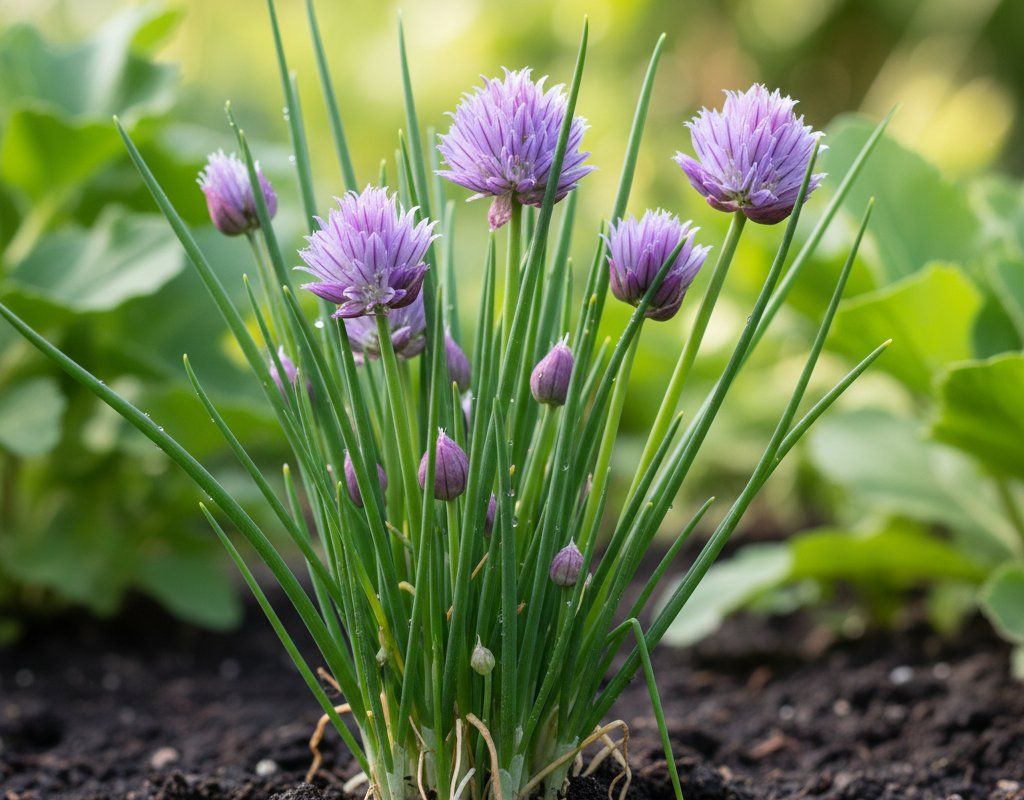


Companion Planting Details
Lettuce pairs beautifully with cool-season root crops in Southeast gardens. Plant carrots and radishes nearby – the carrots' deep roots break up our clay soil while lettuce's shallow roots don't compete, and radishes mature quickly to make room as lettuce heads expand. Strawberries make excellent lettuce companions since they prefer similar growing conditions and provide living mulch that keeps soil cool during our warm springs.
Chives planted around lettuce beds help deter aphids and other soft-bodied insects with their strong scent, while their upright growth doesn't shade your lettuce. Avoid planting lettuce near celery and parsley, as they're heavy feeders that compete for nutrients and water – particularly problematic in our clay soil where nutrients can be less available and drainage issues make root competition more intense.
🌸Best Flowers to Plant with Lettuce
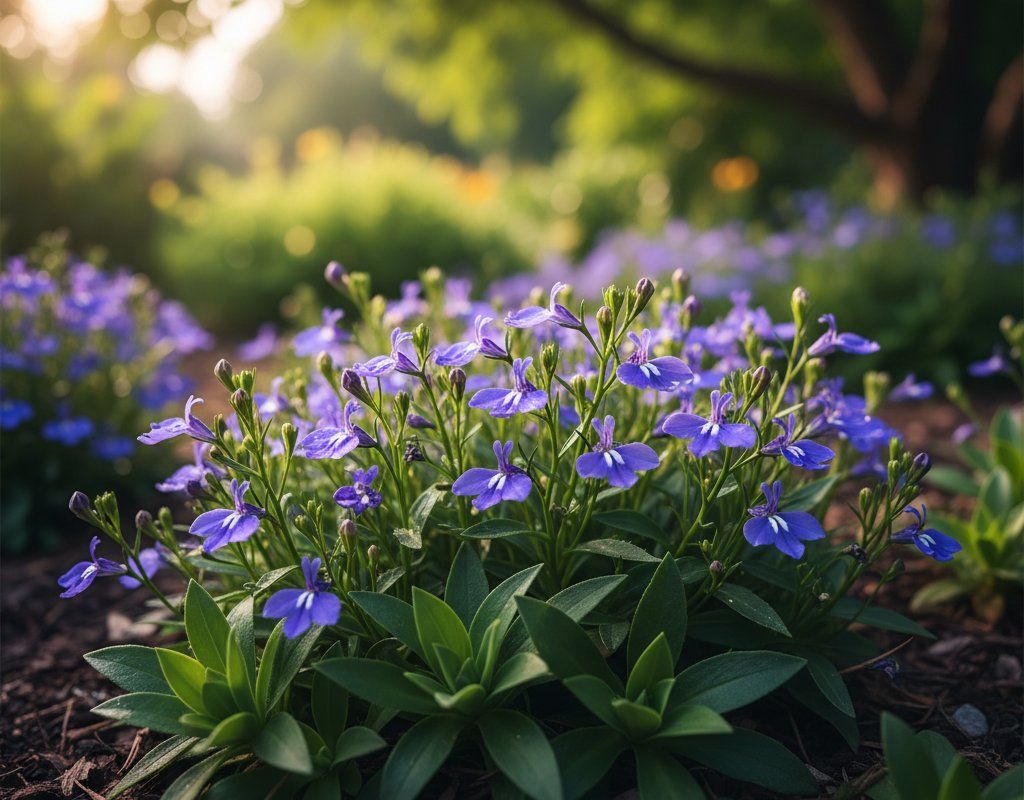
These flowers protect your Lettuce from pests and attract pollinators for better harvests.
For Pest Control





Get a Reminder When It's Time to Plant
We'll email you when key planting windows open for your zone.