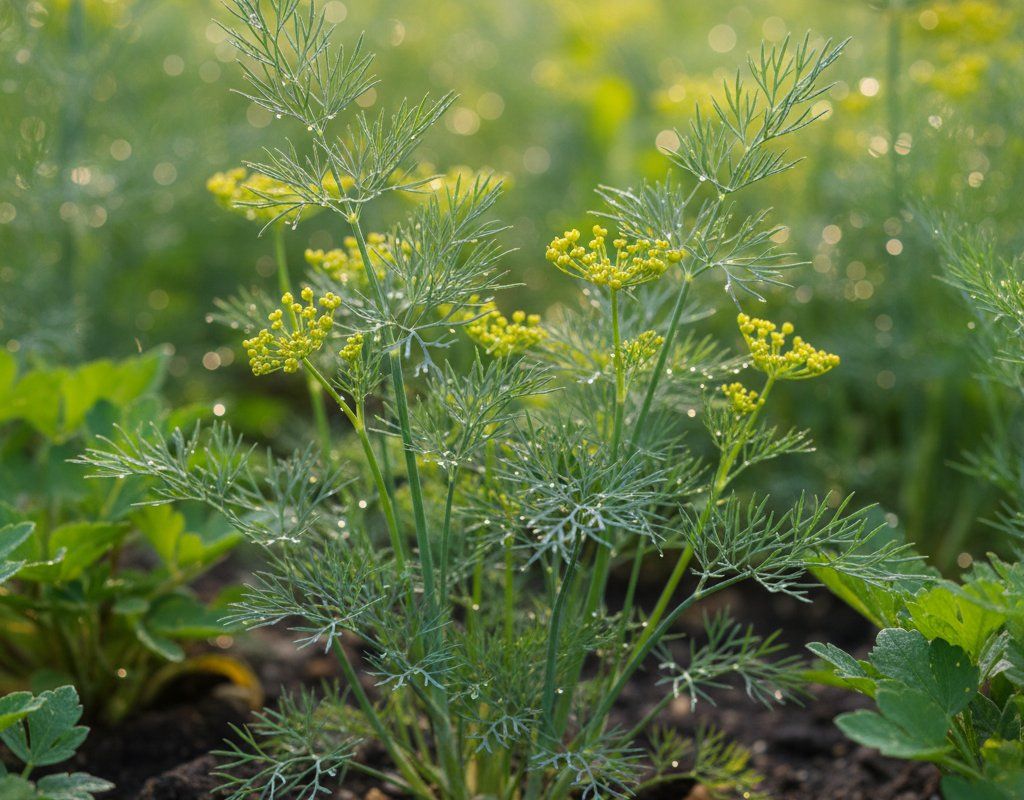
Dill in Zone 8B — Gulf Coast
Anethum graveolens · Your Complete 2026 Planting Guide
Time to Buy Starts!
Seed starting window passed, but starts are available now.
Buy Starts Now
Head to your local nursery, Home Depot, or farmers market for transplants.
- Look for stocky plants with dark green leaves
- Avoid leggy seedlings or plants already flowering
- Check that roots aren't circling the pot (rootbound)
How to Plant Dill in Zone 8B — Gulf Coast
Here are all your options for getting dill in the ground, from the easiest method to more advanced approaches.
Direct Sow Seeds
RecommendedMid February through early October
around February 20
Consider succession planting every 2-3 weeks for continuous harvest.
Dill has a taproot and prefers direct sowing, but transplants work if handled carefully.
Start Seeds Indoors
RecommendedLate January through mid February
around January 30
Then transplant: Late February through early April
Start seeds 4-6 weeks before transplanting outdoors.
Buy Starts
Works WellLate February through early April
around February 27
Plant purchased starts after last frost (February 20).
Transplant Outdoors
Timing InfoLate February through early April
around February 27
Can tolerate light frost, but wait for soil to be workable.
You have a nice window — no need to rush.
Fall Planting
Early October through early November
October 20 ideal · Direct sow for fall harvest
Plant a second crop in mid-summer for fall harvest. Dill actually prefers the cooling temperatures of fall.
Overview
Dill thrives in our Gulf Coast gardens, offering that distinctive flavor that transforms everything from pickles to seafood dishes. With our long 284-day growing season, you can enjoy fresh dill leaves from early spring through late fall, making it one of the most rewarding herbs to grow in Zone 8B. The feathery foliage adds texture to your garden while providing continuous harvests for your kitchen.
While our extreme humidity and disease pressure can challenge many herbs, dill's timing flexibility makes it manageable. Plant it during our cooler months to avoid the worst summer stress, and you'll have plenty of success with succession sowings throughout our extended growing season.
Starting Seeds Indoors
Starting dill indoors makes sense when you want to get a jump on the season or ensure germination during unpredictable late winter weather. Sow seeds in seed trays from late January through mid-February, about 4 weeks before your planned transplant date. Dill seeds need consistent moisture and warmth around 65-70°F to germinate well.
Use bottom watering to keep seedlings healthy - this prevents the fungal issues that our high humidity can encourage. Place trays on a warm surface and provide good light once seedlings emerge. Since dill has a taproot, use deeper cells if possible and handle transplants gently.
Keep in mind that dill generally prefers direct sowing, but indoor starting works well for getting early harvests before our spring heat arrives.
Transplanting Outdoors
Transplant your dill seedlings outdoors from late February through early April, timing it with our typically mild spring weather. Harden off seedlings gradually over a week, starting with a few hours of morning sun and working up to full outdoor conditions. This helps them adjust to our outdoor humidity and temperature swings.
Space transplants 12 inches apart in well-draining soil with full sun exposure. Handle the root systems carefully since dill's taproot doesn't like disturbance. Plant on an overcast day or in late afternoon to reduce transplant shock.
Watch for those occasional cold snaps that can still hit us in early March - have row covers ready if temperatures threaten to drop below freezing. Once established, your transplants will take off quickly in our warming spring weather.
Direct Sowing
Direct sowing works exceptionally well for dill in our Gulf Coast climate and is often the preferred method. Sow seeds from mid-February through early October, giving you multiple planting windows throughout our long growing season. The soil should be at least 60°F and well-draining - our abundant rainfall means good drainage is crucial.
Plant seeds ¼ inch deep and space them 12 inches apart in rows. Dill's taproot develops best when seeds germinate in place rather than being transplanted. The spring sowings from mid-February through early April will give you the best leaf production before summer heat arrives.
For continuous harvests, try succession sowings every 3-4 weeks through spring, then resume in early fall when temperatures start moderating. Our October plantings often produce through December until the first frost arrives.
Watering Dill in Zone 8B (Gulf Coast)
Dill needs moderate, consistent moisture but struggles in waterlogged conditions - a common challenge with our 50-65 inches of annual rainfall. During our wet springs, focus on ensuring good drainage rather than adding water. Check soil moisture by inserting your finger 2 inches deep; water when it feels dry at that level.
In typical Gulf Coast fashion, summer brings both intense heat and afternoon storms. When natural rainfall isn't sufficient, provide about 1 inch of water per week, applied at the base of plants. Overhead watering in our high humidity creates perfect conditions for fungal diseases, so stick to soaker hoses or drip irrigation when possible.
During our brief dry spells, maintain consistent moisture to prevent bolting. Dill that experiences drought stress will quickly send up flower stalks and become bitter. A 2-inch layer of organic mulch helps retain moisture while keeping roots cooler during our hot summers.
Watch for signs of overwatering like yellowing lower leaves or wilting despite moist soil - both common in our humid conditions. Underwatered dill will have drooping, grayish foliage and may bolt prematurely.
🧪Fertilizing Dill
Feeding Schedule
Organic Fertilizer Options
Harvest Time
Your first dill harvest will be ready from early April through early December, depending on your planting timing. With dill's 40-day maturity, spring plantings give you fresh leaves by early April. The feathery foliage can be snipped anytime once plants reach 4-6 inches tall, cutting outer stems first to encourage continued growth.
For fresh leaves, harvest in the morning after dew has dried but before the day's heat intensifies. Cut stems just above a leaf node to promote bushy growth. If you want dill seeds, let some plants flower and wait until the seed heads turn brown and dry - typically 2-3 weeks after flowering begins.
Continuous harvesting keeps plants productive longer, especially important during our hot summers when dill tends to bolt quickly. Regular cutting delays flowering and extends your harvest window. For seed collection, shake the dried heads into a paper bag - they'll readily release when ready.
As early December approaches and first frost threatens, harvest remaining plants entirely. You can dry the leaves or freeze them in ice cubes with water for winter use.
Common Problems in Zone 8B (Gulf Coast)
Bolting Your dill suddenly sends up tall flower stalks and the leaves become bitter or sparse. This premature flowering happens when plants shift from leaf production to seed production, often triggered by our intense summer heat or drought stress.
Our long, hot summers and high humidity create perfect bolting conditions. Plant dill during cooler periods - early spring and fall - to avoid the worst heat. Provide afternoon shade during summer plantings and maintain consistent soil moisture. Choose bolt-resistant varieties when available and plan on succession planting every 3-4 weeks for continuous harvests.
Aphids Look for clusters of tiny green, black, or white insects on leaf undersides and stems, often accompanied by sticky honeydew residue and curled new growth. These sap-sucking pests multiply rapidly in our warm, humid conditions.
Aphid populations explode during our mild winters and warm springs. Blast them off with a strong water spray from your hose - this works well in our humid climate where they struggle to reestablish. Encourage natural predators like ladybugs by avoiding broad-spectrum pesticides. For heavy infestations, use insecticidal soap or neem oil, applying in early morning or evening to avoid leaf burn.
Caterpillars Various caterpillars, especially parsley worms (black swallowtail butterfly larvae), chew holes in dill foliage. You'll see green and black striped caterpillars munching on leaves, sometimes defoliating entire plants quickly.
These caterpillars are actually beneficial butterfly larvae, so hand-picking is the most eco-friendly approach. Our long growing season means multiple generations, so check plants regularly. If damage is severe, use Bt (Bacillus thuringiensis) spray in the evening when beneficial insects are less active.
Gulf Coast Specific Challenges Our extreme humidity and frequent rainfall create ideal conditions for fungal diseases on dill. Ensure good air circulation by proper spacing and avoid overhead watering. The combination of heat and humidity also accelerates bolting, making succession planting essential for continuous harvests throughout our extended growing season.
Best Companions for Dill
Plant these nearby for healthier Dill and better harvests.


Keep Away From
Companion Planting Details
Dill makes an excellent companion for cabbage family crops, helping repel cabbage worms and other pests that plague these plants in our humid climate. Plant it near cucumbers where it attracts beneficial insects that help with pollination and pest control. Onions planted nearby help deter aphids, which can be problematic in our warm conditions.
Lettuce benefits from dill's light shade during our intense spring sunshine, and both crops prefer the same cool-season growing periods in our climate. However, avoid planting dill near carrots as it can stunt their growth, and keep it away from tomatoes since dill may attract hornworms that also damage tomato plants.
🌸Best Flowers to Plant with Dill
These flowers protect your Dill from pests and attract pollinators for better harvests.
For Pest Control




Get a Reminder When It's Time to Plant
We'll email you when key planting windows open for your zone.