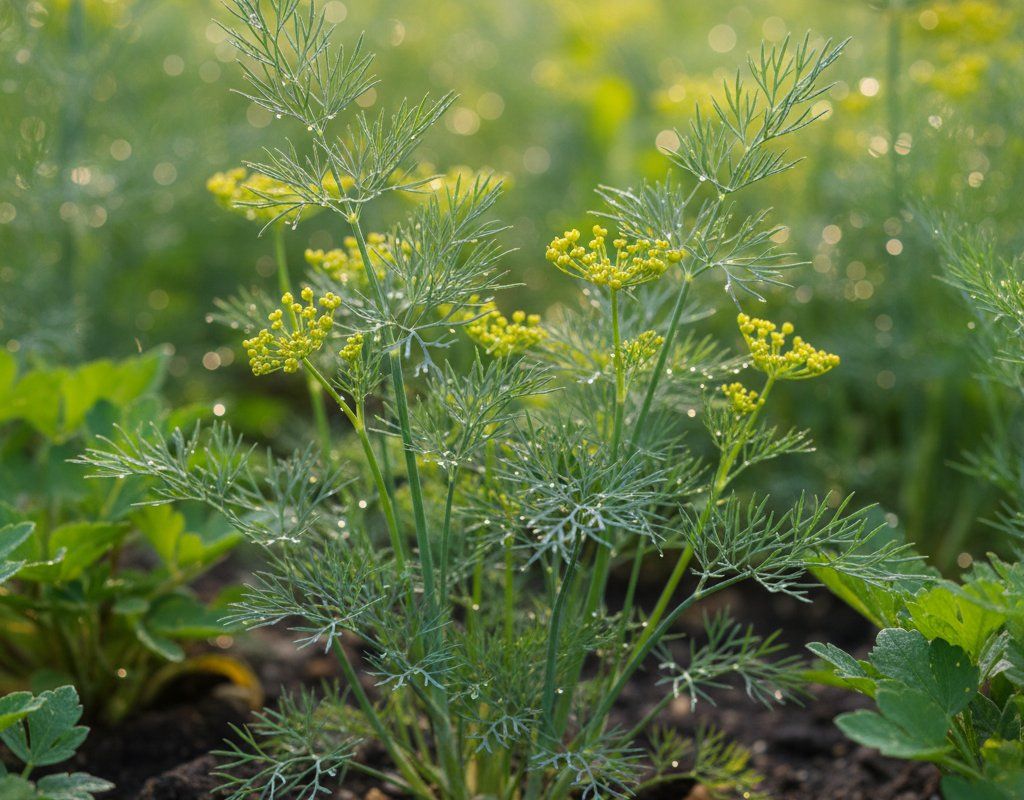
Dill in Zone 9A — Texas
Anethum graveolens · Your Complete 2026 Planting Guide
Time to Buy Starts!
Seed starting window passed, but starts are available now.
Buy Starts Now
Head to your local nursery, Home Depot, or farmers market for transplants.
- Look for stocky plants with dark green leaves
- Avoid leggy seedlings or plants already flowering
- Check that roots aren't circling the pot (rootbound)
How to Plant Dill in Zone 9A — Texas
Here are all your options for getting dill in the ground, from the easiest method to more advanced approaches.
Direct Sow Seeds
RecommendedMid February through mid October
around February 15
Consider succession planting every 2-3 weeks for continuous harvest.
Dill has a taproot and prefers direct sowing, but transplants work if handled carefully.
Start Seeds Indoors
RecommendedMid January through early February
around January 25
Then transplant: Late February through early April
Start seeds 4-6 weeks before transplanting outdoors.
Buy Starts
Works WellLate February through early April
around February 22
Plant purchased starts after last frost (February 15).
Transplant Outdoors
Timing InfoLate February through early April
around February 22
Can tolerate light frost, but wait for soil to be workable.
You have a nice window — no need to rush.
Fall Planting
Early October through early November
October 24 ideal · Direct sow for fall harvest
Plant a second crop in mid-summer for fall harvest. Dill actually prefers the cooling temperatures of fall.
Overview
Dill thrives in our Texas gardens, giving you that distinctive feathery foliage and aromatic seeds that transform pickles, potato salads, and fish dishes. With our long 293-day growing season, you can grow multiple crops of this fast-maturing herb, and it pairs perfectly with our abundant cucumber harvests during the cooler months.
The Texas heat will send dill bolting faster than you can say "cucumber pickle," but timing your plantings for spring and fall lets you work with our climate instead of fighting it. Those unpredictable weather swings and brutal summer temperatures actually make dill an ideal choice since it grows quickly during the mild periods and doesn't mind our occasional late winter cold snaps.
Starting Seeds Indoors
Starting dill indoors makes sense when you want to get ahead of the spring season or ensure germination during our sometimes-erratic February weather. Sow seeds in seed trays from mid-January through early February, about four weeks before you plan to transplant outdoors.
Keep your seed trays in a warm spot (65-70°F works well) and use bottom watering to prevent damping off, which can be a problem with our variable humidity levels. Once seedlings emerge, they'll need bright light – either a south-facing window or grow lights for 12-14 hours daily.
Handle the seedlings carefully since dill has a taproot that doesn't love being disturbed. Our early spring weather means you can transplant these indoor starts as early as late February in most years.
Transplanting Outdoors
Transplant your indoor-started dill seedlings outdoors from late February through early April, once soil temperatures stay consistently above 50°F. Give seedlings a full week of hardening off – gradually increasing their outdoor time – since our spring weather can swing from mild to surprisingly warm within days.
Space transplants 12 inches apart in well-draining soil, and choose your location carefully since dill won't like being moved again. Plant them slightly deeper than they were growing in their containers to encourage strong root development.
Watch the weather forecast during transplant season, as those unexpected warm spells can stress newly transplanted seedlings. Have row covers ready for any late cold snaps, though dill handles light frost better than many herbs.
Direct Sowing
Direct sowing works exceptionally well for dill since it develops a long taproot that prefers to stay undisturbed. Sow seeds directly from mid-February through mid-October, though your best results come from spring and fall plantings when temperatures stay moderate.
Prepare your soil by working in compost and ensuring good drainage – our unpredictable rainfall means soggy soil can rot seeds before they germinate. Plant seeds ¼ inch deep and 12 inches apart, or sow more densely and thin later.
The key to success with direct sowing in Texas is succession planting every 2-3 weeks during the cooler months. This gives you continuous harvests and ensures you always have tender young dill before the Texas heat forces each planting to bolt.
Watering Dill in Zone 9A (Texas)
Dill needs consistent moisture but not soggy conditions – about 1 inch of water per week works well during our mild spring and fall growing seasons. Check soil moisture by sticking your finger 2 inches down; if it's dry at that depth, it's time to water.
Water at the base of plants rather than overhead, especially during our more humid periods when wet foliage can encourage fungal problems. Early morning watering gives plants time to dry before evening and reduces disease pressure.
During our unpredictable rainfall periods, you might not need to water at all some weeks, while dry spells require more frequent attention. Dill will bolt quickly once stressed by heat or drought, so maintaining even soil moisture becomes critical as temperatures climb toward summer.
Apply 2-3 inches of organic mulch around plants to help retain moisture and keep roots cool during warm weather. This becomes especially important for fall plantings that might face an unexpected warm spell in October or November.
🧪Fertilizing Dill
Feeding Schedule
Organic Fertilizer Options
Harvest Time
Your first dill harvest begins about 40 days after planting, typically starting in late March for spring sowings and continuing through mid-December with succession plantings. Start harvesting the feathery leaves when plants reach 6-8 inches tall, cutting outer stems first to encourage continued growth.
For fresh dill, harvest in the morning after dew has dried but before the Texas heat intensifies the oils. Cut stems cleanly with sharp scissors, taking about one-third of the plant at a time to keep it producing new growth.
If you want dill seeds for pickling, let some plants flower and develop seed heads. The seeds are ready when the flower heads turn brown and dry – usually about 2-3 weeks after flowering. Shake the seed heads into a paper bag to collect them.
Keep succession planting every 2-3 weeks during the growing season since individual plants have a relatively short productive life before bolting. This ensures you'll have tender young dill available right up until our first frost in early December.
Common Problems in Zone 9A (Texas)
Bolting shows up as tall flower stalks shooting up from the center of your dill plants, often seemingly overnight. The leaves become bitter and tough once flowering begins, essentially ending your fresh dill harvest from that plant.
Our Texas heat triggers bolting faster than anywhere else – even spring plantings can bolt if we get an early heat wave in April or May. Prevent bolting by planting during cooler months, providing afternoon shade during warm weather, and keeping soil consistently moist. Choose your timing carefully and succession plant rather than trying to keep one planting going through temperature swings.
Aphids appear as clusters of tiny green, black, or white insects on stems and leaf undersides, often leaving sticky honeydew residue and causing new growth to curl. These sap-suckers multiply rapidly in our warm weather and are often tended by fire ants, which makes the problem worse.
Knock aphids off with a strong spray from your hose early in the morning, and encourage beneficial insects like ladybugs and lacewings. For heavy infestations, insecticidal soap works well, or use neem oil for systemic control. Avoid over-fertilizing with nitrogen, which creates tender growth that attracts aphids.
Caterpillars, particularly parsley worms (black swallowtail caterpillars), can strip dill plants bare in a matter of days. You'll see large green caterpillars with black stripes munching through your carefully tended plants.
Hand-pick caterpillars when you spot them, or use Bt (Bacillus thuringiensis) spray for heavier infestations. These caterpillars actually become beautiful butterflies, so some gardeners plant extra dill specifically to support them while protecting their main harvest.
Texas Specific Challenges: Our extreme heat and variable humidity create the perfect storm for rapid bolting and pest multiplication. The unpredictable rainfall means you'll swing between drought stress and waterlogged conditions, both of which weaken plants and make them more susceptible to problems.
Best Companions for Dill
Plant these nearby for healthier Dill and better harvests.


Keep Away From
Companion Planting Details
Dill makes an excellent companion for cabbage family plants, cucumber, and onions in your Texas garden. It repels cabbage worms and cucumber beetles while attracting beneficial insects that prey on aphids and other pests. Plant dill near your cucumber trellises for easy access when making pickles, and the dill flowers will attract predatory wasps that help control garden pests.
Lettuce and other cool-season greens benefit from dill's pest-repelling properties, and they share similar growing seasons in our Texas climate. Avoid planting dill near carrots since it can stunt their growth, and keep it away from tomatoes where it may attract hornworms and compete for nutrients during our already-challenging growing conditions.
🌸Best Flowers to Plant with Dill
These flowers protect your Dill from pests and attract pollinators for better harvests.
For Pest Control




Get a Reminder When It's Time to Plant
We'll email you when key planting windows open for your zone.