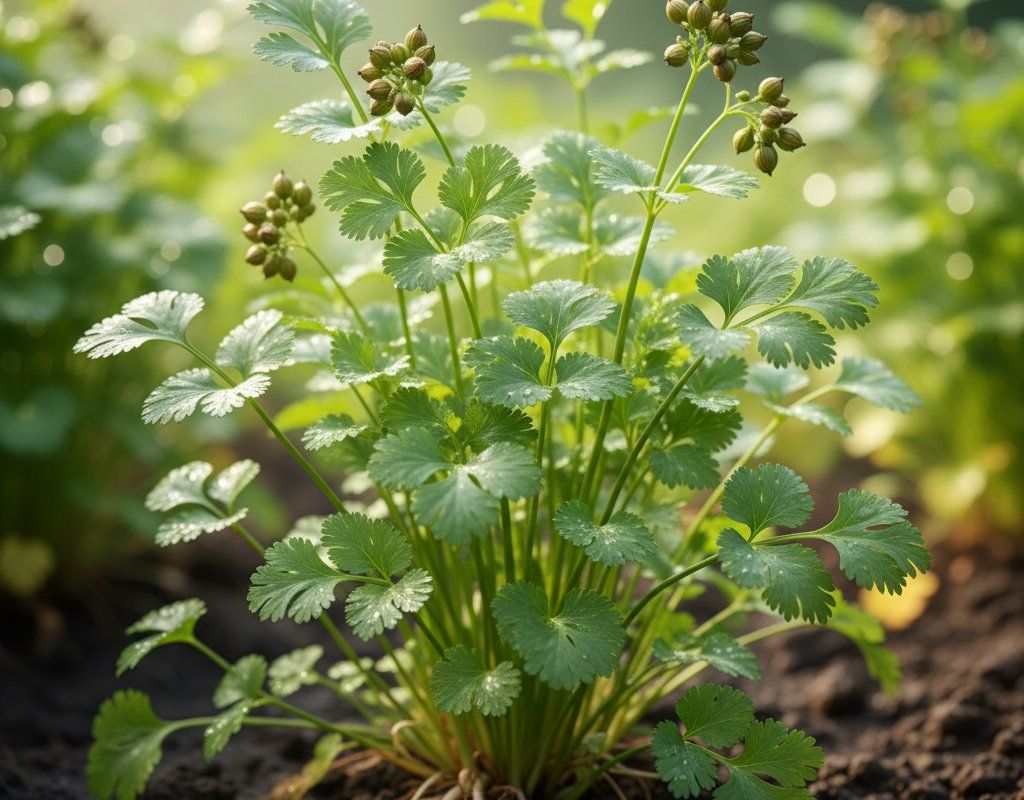
Cilantro in Zone 9A — Texas
Coriandrum sativum · Your Complete 2026 Planting Guide
Time to Buy Starts!
Seed starting window passed, but starts are available now.
Buy Starts Now
Head to your local nursery, Home Depot, or farmers market for transplants.
- Look for stocky plants with dark green leaves
- Avoid leggy seedlings or plants already flowering
- Check that roots aren't circling the pot (rootbound)
How to Plant Cilantro in Zone 9A — Texas
Here are all your options for getting cilantro in the ground, from the easiest method to more advanced approaches.
Direct Sow Seeds
RecommendedEarly February through early October
around February 1
Consider succession planting every 2-3 weeks for continuous harvest.
Cilantro bolts quickly in heat. Direct sow in cool weather for best results.
Start Seeds Indoors
RecommendedMid January through early February
around January 18
Then transplant: Mid February through late March
Start seeds 4-6 weeks before transplanting outdoors.
Buy Starts
Works WellMid February through late March
around February 15
Plant purchased starts after last frost (February 15).
Transplant Outdoors
Timing InfoMid February through late March
around February 15
Can tolerate light frost, but wait for soil to be workable.
You have a nice window — no need to rush.
Fall Planting
Early October through early November
October 24 ideal · Direct sow for fall harvest
Plant a second crop in mid-summer for fall harvest. Cilantro actually prefers the cooling temperatures of fall.
Overview
Cilantro transforms your Texas kitchen with that distinctive, bright flavor you can't get from store-bought herbs that have traveled hundreds of miles. In our Zone 9A climate, you get the advantage of multiple growing seasons — spring cilantro before the Texas heat hits, and excellent fall crops that can produce well into December. Fresh cilantro elevates everything from salsa to Vietnamese pho, and there's real satisfaction in stepping outside to snip exactly what you need.
The challenge with cilantro in Texas is our unpredictable weather and intense summer heat, which causes this cool-season herb to bolt quickly once temperatures climb. But with our 293-day growing season, you have plenty of opportunities to time it right. Plant early in spring, skip the brutal summer months, then enjoy abundant fall harvests when the heat finally breaks.
Starting Seeds Indoors
Starting cilantro seeds indoors works well in Texas, especially for your early spring crop when our weather can still surprise you with unexpected freezes in late February. Start seeds mid-January through early February, about four weeks before you plan to transplant outdoors. This gives you more control over germination and protects young seedlings from temperature swings.
Use seed trays with good drainage and keep soil consistently moist through bottom watering — let the trays sit in a shallow pan of water rather than watering from above. Cilantro seeds need consistent moisture to germinate well, and bottom watering prevents the soil from getting too soggy. Place trays in a warm spot (65-70°F) and provide bright light once seedlings emerge.
Since our Texas springs start early, indoor starting gives you a head start on the growing season. You'll have sturdy transplants ready to go out as soon as the threat of hard freezes passes in mid-February.
Transplanting Outdoors
Transplant your indoor-started cilantro seedlings from mid-February through late March, timing it with our typically mild late winter weather. Before transplanting, harden off seedlings gradually over a week — start with just an hour outdoors in filtered light, then increase exposure daily. This prevents shock when they hit full outdoor conditions.
Space transplants 6-8 inches apart in well-draining soil. Cilantro doesn't like crowding, and good air circulation helps prevent disease issues in our variable humidity. Plant them where they'll get morning sun but some afternoon protection as we head into warmer spring weather.
Watch the weather forecast closely during transplant season. Even though cilantro tolerates frost well, our unpredictable late-season freezes can still damage young transplants. Keep row covers handy for unexpected temperature drops that can hit even into early March.
Direct Sowing
Direct sowing works beautifully for cilantro in Texas, especially for succession plantings. Sow seeds from early February through early October, though you'll want to skip the brutal summer months (June through August) when anything you plant will bolt immediately. Direct sowing is actually preferred by many Texas gardeners because cilantro doesn't love root disturbance.
Prepare your soil by working in compost and ensuring good drainage — our unpredictable rainfall patterns mean you need soil that handles both drought and flash floods. Sow seeds about ¼ inch deep and 6-8 inches apart. Keep the soil consistently moist until germination, which takes 7-14 days depending on soil temperature.
For best results, direct sow during cool weather periods. Your early spring plantings (February-March) and fall plantings (September-October) will give you the longest harvest before the plants bolt. The key is getting cilantro established before our Texas heat kicks in, since even brief hot spells will trigger flowering.
Watering Cilantro in Zone 9A (Texas)
Cilantro needs consistent moisture to prevent the quick bolting that plagues Texas gardeners. Keep soil evenly moist but not waterlogged — aim for about 1 inch of water per week, either from rainfall or supplemental watering. Use the finger test: stick your finger 2 inches into the soil near the base of plants. If it's dry at that depth, it's time to water.
Water at the base of plants rather than overhead, especially during our humid periods when leaf spot diseases can develop quickly. Drip irrigation or soaker hoses work perfectly for cilantro rows. Early morning watering gives plants time to dry before evening, reducing disease pressure in our variable humidity conditions.
During hot spells, even in spring and fall, cilantro may need daily watering to prevent stress-induced bolting. Our unpredictable rainfall means you can't count on nature — that 15-50 inch annual range means some years you're fighting drought, others you're dealing with too much water. Watch for signs of water stress: leaves looking dull or slightly curled, especially during afternoon heat.
Apply 2-3 inches of mulch around plants to help retain soil moisture and moderate soil temperature. In Texas, organic mulch like shredded leaves or compost works well, breaking down to improve soil while protecting roots from temperature swings.
🧪Fertilizing Cilantro
Feeding Schedule
Organic Fertilizer Options
Harvest Time
Your first cilantro harvest comes quickly — expect to start cutting leaves about 6-8 weeks after planting, typically mid-March for spring plantings and continuing through mid-December for succession crops. Look for plants that are at least 6 inches tall with several sets of true leaves before you start harvesting.
Cut outer stems at the base, leaving the center growing point intact for continued production. Take no more than one-third of the plant at each harvest to keep it producing. Fresh cilantro leaves should look bright green and feel crisp — avoid any yellowing or wilted stems. Once you see the plant sending up a center flower stalk, leaf production stops and flavor turns bitter, so harvest heavily just before bolting.
For continuous harvests, succession plant every 2-3 weeks during cool weather periods. This gives you fresh cilantro throughout the growing season rather than dealing with everything bolting at once. In Texas, your best harvesting periods are spring (March-May) before the heat hits, and fall (October-December) when plants can produce until our first frost.
As December approaches and first frost threatens, harvest entire plants since cilantro won't survive hard freezes. You can preserve the final harvest by freezing whole stems in plastic bags or making cilantro-heavy sauces and pestos.
Common Problems in Zone 9A (Texas)
Bolting Cilantro sends up a tall center flower stalk, and leaves become bitter and tough almost overnight. You'll see the plant stretch upward rapidly, with small white flowers appearing at the top. This is the plant's natural response to stress, shifting from leaf production to seed production.
In Texas, bolting happens fast once temperatures hit the mid-80s or if plants experience drought stress during hot spells. Our intense spring heat can trigger bolting even in April some years. Plant cilantro during the coolest parts of our growing season (February-March, September-October) and provide afternoon shade during warm weather. Keep soil consistently moist and choose slow-bolt varieties when possible.
Aphids Small, soft-bodied insects cluster on stem tips and leaf undersides, often appearing green or black. You'll notice sticky honeydew on leaves and stems, and new growth may look curled or distorted. Fire ants sometimes farm these aphids, protecting them from predators in exchange for the sweet honeydew.
Texas heat creates perfect conditions for rapid aphid reproduction, and populations can explode in just days. Blast them off with a strong water spray early in the morning, or use insecticidal soap for heavy infestations. Encourage beneficial insects like ladybugs and lacewings by planting diverse flowers nearby. Avoid high-nitrogen fertilizers which create the tender growth aphids prefer.
Leaf Spot Dark or water-soaked spots appear on leaves, often with yellow halos around the edges. Affected leaves may yellow and drop, and in severe cases, entire stems can blacken and die. The spots often start on older, lower leaves and work their way up the plant.
Our variable humidity and unpredictable rain patterns create ideal conditions for fungal leaf spots. Warm, wet conditions followed by high humidity allow these diseases to spread rapidly. Water at soil level rather than overhead, ensure good air circulation between plants, and remove affected leaves immediately. Avoid working around wet plants to prevent spreading spores.
Texas Specific Challenges In our hot-to-extreme climate with variable humidity and unpredictable rainfall, cilantro faces unique stresses that trigger quick bolting and disease issues. The combination of intense heat, drought stress, and sudden humid periods creates challenging conditions for this cool-season herb, making timing and consistent care critical for success.
Best Companions for Cilantro
Plant these nearby for healthier Cilantro and better harvests.

Keep Away From

Companion Planting Details
Cilantro pairs beautifully with tomatoes in Texas gardens — plant it nearby during the cool seasons when tomatoes aren't growing, then the cilantro space transitions perfectly to warm-season companions. Spinach makes an excellent neighbor since both prefer cool weather and similar watering schedules, and cilantro's upright growth doesn't shade the lower spinach leaves. Plant cilantro near peppers and beans for practical harvesting — you're often picking cilantro for salsas and Mexican dishes that use these ingredients together.
Avoid planting cilantro near fennel, which can cross-pollinate and affect seed production if you plan to save seeds. More importantly for Texas gardeners, fennel's allelopathic properties can inhibit cilantro's growth, and both plants bolt quickly in heat, making them poor garden companions during our challenging growing conditions.
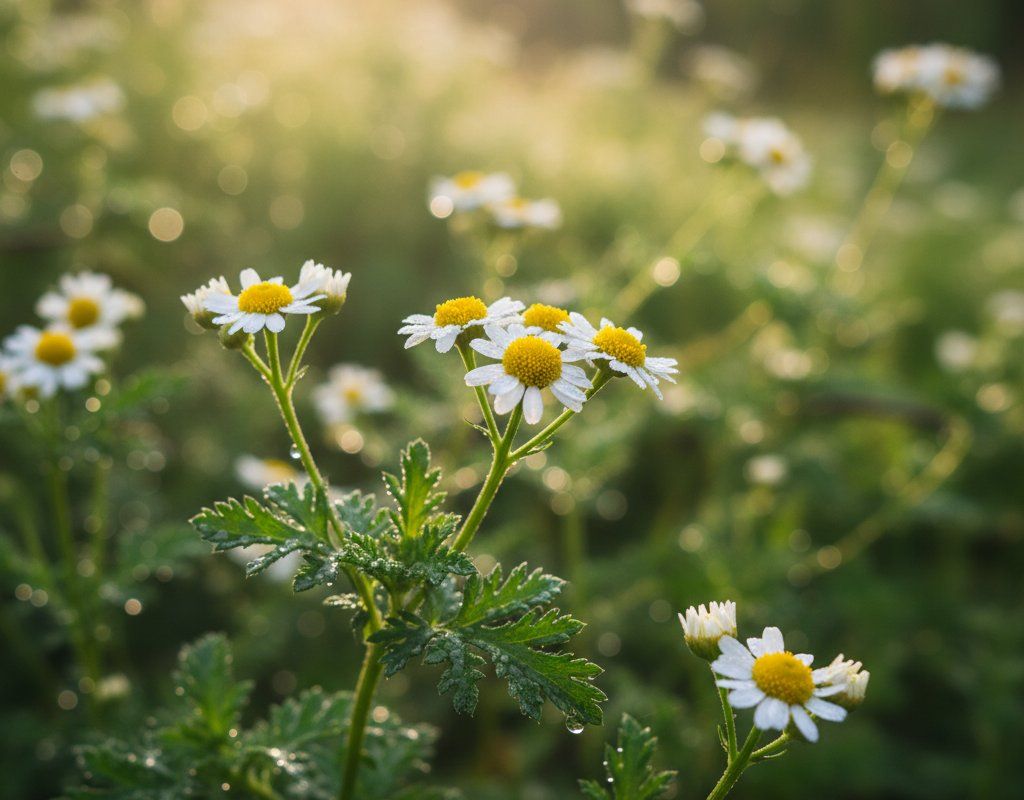
🌸Best Flowers to Plant with Cilantro
These flowers protect your Cilantro from pests and attract pollinators for better harvests.



Get a Reminder When It's Time to Plant
We'll email you when key planting windows open for your zone.