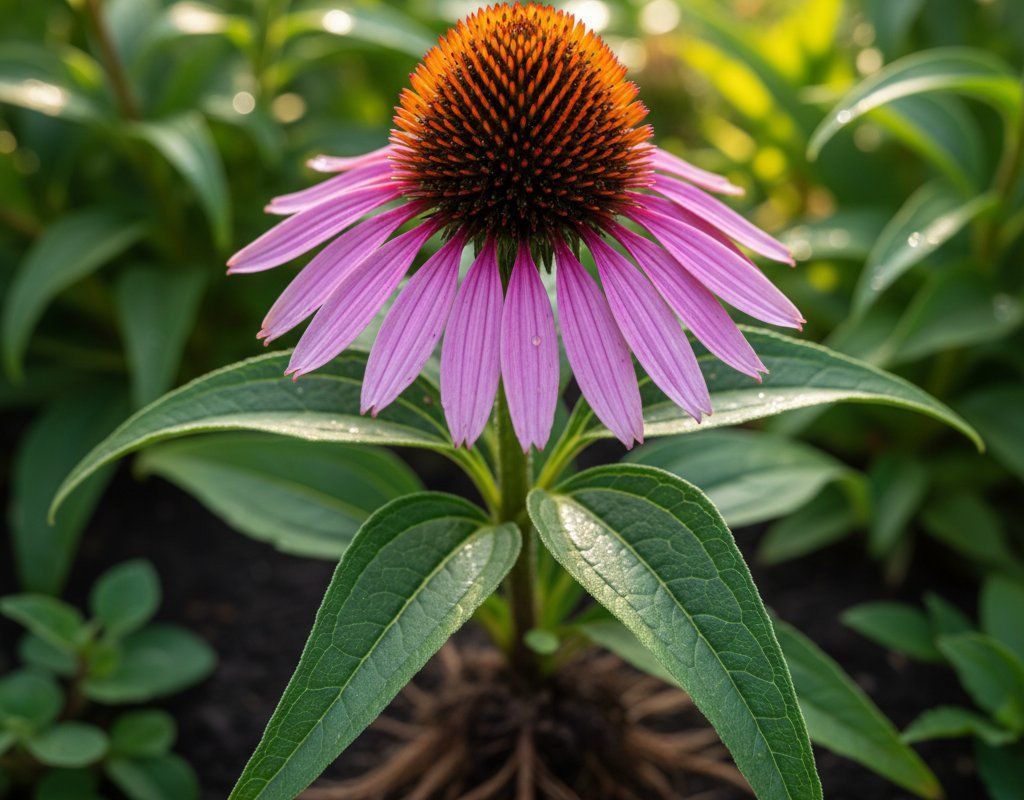
Echinacea in Zone 10A — Florida
Echinacea purpurea · Your Complete 2026 Planting Guide
You Can Still Sow!
Direct sowing window is open for Echinacea.
Direct Sow Now
Plant seeds directly in prepared garden soil.
How to Plant Echinacea in Zone 10A — Florida
Here are all your options for getting echinacea in the ground, from the easiest method to more advanced approaches.
Buy Starts
RecommendedEarly to late January
around January 10
Plant purchased starts after last frost (January 10).
Perennial. Seeds need cold stratification. Buy starts for easier results.
Start Seeds Indoors
Works WellEarly to late November
around November 15
Then transplant: Early to late January
Start seeds 8-10 weeks before transplanting outdoors.
Direct Sow Seeds
Works WellEarly January through mid September
around January 10
Consider succession planting every 2-3 weeks for continuous harvest.
Transplant Outdoors
Timing InfoEarly to late January
around January 10
Can tolerate light frost, but wait for soil to be workable.
Plan to transplant within a few weeks of your target date.
Overview
Echinacea, also known as coneflower, is a fantastic addition to your Florida garden. Not only does it bring beauty with its daisy-like blooms, but it also attracts pollinators to your veggie patch. Plus, you can harvest the petals for tea! It's a great feeling to grow something beautiful and useful right here in Zone 10A.
Sure, Florida gardening has its quirks – humidity, nematodes, the occasional hurricane. But with a little planning, you can absolutely grow Echinacea. Our long growing season, practically year-round, gives you plenty of time to get these established. Let's get started!
Starting Seeds Indoors
Starting Echinacea indoors isn't essential in our climate, but it can give you a head start. Sow your seeds indoors from early to late November, about 8 weeks before you'd like to transplant. Use seed trays with a good seed-starting mix, and keep them warm and under grow lights.
Bottom watering is a great trick to keep the soil evenly moist without encouraging fungal diseases, which can be a real problem with our humidity. Just set the tray in a shallow dish of water and let the soil soak it up from the bottom. Remember our spring is reversed, so you're starting these seeds when other folks up north are thinking about putting their gardens to bed!
Transplanting Outdoors
Transplant your Echinacea seedlings outdoors from early to late January. Before you do, be sure to harden them off. Gradually expose them to outdoor conditions for about a week before planting them in their final spots.
Space them about 18-24 inches apart, giving them room to clump and spread. Keep an eye on the weather forecast; we sometimes get unexpected cold snaps in January, so be ready to cover them if needed. Remember that Echinacea seeds need cold stratification to germinate; buying starts from a local nursery can often lead to easier results.
Direct Sowing
Direct sowing Echinacea is definitely an option here in Florida. You can sow seeds directly in the garden from early January through mid September. Prepare the soil well, making sure it's loose and well-draining. Echinacea isn't too picky, but it does need some warmth to germinate.
Keep the soil consistently moist until the seedlings emerge, then thin them to 18-24 inches apart. Direct sowing can be a bit more unpredictable than transplanting, but it's a great way to get a natural, relaxed look in your garden.
Watering Echinacea in Zone 10A (Florida)
Once established, Echinacea is very drought-tolerant, which is fantastic for Florida's sandy soil. However, getting them established requires smart watering.
During our drier months (fall through spring), water deeply about once a week, giving them about an inch of water. Use the finger test: stick your finger about two inches into the soil. If it feels dry, it's time to water. In the wet summer, you might not need to water at all, unless we're having a particularly dry spell.
Always water at the base of the plant to avoid getting the leaves wet, as this can encourage fungal diseases in our humid climate. Signs of underwatering include wilting leaves and stunted growth. Overwatering can lead to root rot, so watch out for yellowing leaves and a mushy stem base. A layer of pine straw mulch can help retain moisture in the soil and suppress weeds.
Pruning & Maintaining Echinacea
Echinacea benefits from regular deadheading. Throughout the growing season, from spring to fall, remove spent flowers to encourage more blooms. Just snip off the flower head below the first set of leaves.
In late winter, after the first frost (which is usually around late December here in Florida), cut back the entire plant to a few inches above the ground. This will help it rejuvenate and produce new growth in the spring. Alternatively, you can leave some seed heads standing for winter interest and to provide food for birds like goldfinches.
🧪Fertilizing Echinacea
Feeding Schedule
Organic Fertilizer Options
Harvest Time
You can expect your first Echinacea harvest from early April through early January, about 90 days after planting. The flowers will be in full bloom midsummer through fall. You'll know they're ready when the petals are fully open and the central cone is prominent.
To harvest, simply cut the flower stems near the base of the plant. You can harvest the petals for tea or medicinal purposes. Leaving some seed heads on the plant will attract goldfinches to your garden, adding a touch of wildlife.
As the first frost approaches in late December, you can harvest any remaining flowers. Even after the frost, the seed heads will remain attractive and provide winter interest.
Common Problems in Zone 10A (Florida)
Here are a few common problems you might encounter with Echinacea in Florida:
Aster Yellows
- What it looks like: Distorted, greenish flowers and stunted growth. The plant may also develop witches' brooms (clusters of shoots).
- What causes it: A phytoplasma (bacteria-like organism) transmitted by leafhoppers. Leafhoppers are common in Florida.
- How to fix/prevent it: Unfortunately, there is no cure for aster yellows. Remove and destroy infected plants immediately to prevent the spread of the disease. Control leafhopper populations with insecticidal soap or neem oil.
Powdery Mildew
- What it looks like: White or grayish powdery coating on leaves, stems, and sometimes flower petals. Leaves may curl, yellow, and die.
- What causes it: Various fungi that thrive in warm days, cool nights, and moderate humidity. Dry leaf surfaces actually favor it (unlike most fungi).
- How to fix/prevent it: Improve air circulation by spacing plants adequately and pruning if necessary. Remove affected leaves. Neem oil or potassium bicarbonate sprays can help. A milk spray (1 part milk to 9 parts water) is surprisingly effective.
Japanese Beetles
- What it looks like: Metallic green beetles that skeletonize leaves, leaving behind a lacy appearance. They can also damage flowers.
- What causes it: Japanese beetles are attracted to stressed plants.
- How to fix/prevent it: Handpick beetles off plants and drop them into a bucket of soapy water. Use row covers to protect plants during peak beetle activity. Neem oil can also deter beetles.
Florida Specific Challenges: Our hot, humid summers and wet-summer rainfall can exacerbate fungal diseases like powdery mildew. Be vigilant about watering at the base of the plant and providing good air circulation. Nematodes can also be a problem in our sandy soil, so consider amending the soil with organic matter to improve its structure and nematode-resistant varieties.
Best Companions for Echinacea
Plant these nearby for healthier Echinacea and better harvests.
View Full Companion Planting Chart →

Companion Planting Details
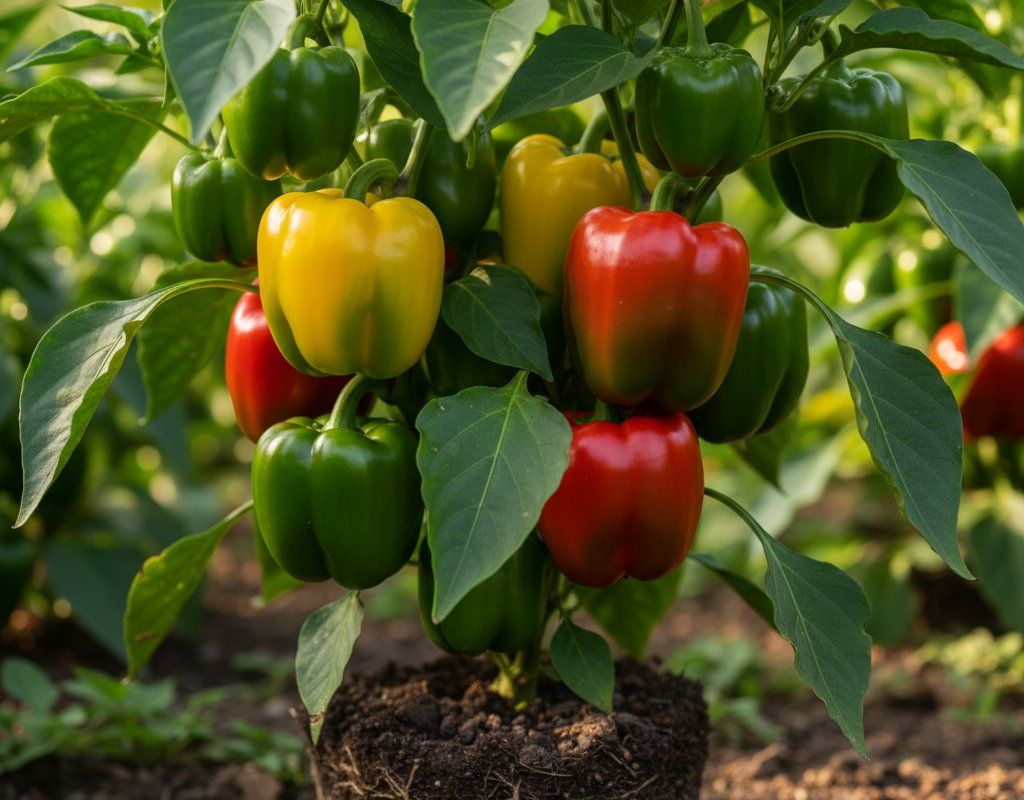
Echinacea makes a great companion plant for several vegetables and herbs in your Florida garden. Tomatoes and peppers benefit from the pollinator-attracting qualities of Echinacea, leading to better fruit set. Herbs like rosemary and thyme can help deter pests that might bother your Echinacea.
Avoid planting Echinacea near anything that might shade it out, as it needs full sun to thrive. Also, be cautious about planting it near anything that requires consistently moist soil, as Echinacea prefers drier conditions.
🥬Best Vegetables to Pair With Echinacea
Echinacea benefits these vegetables through pest control, pollinator attraction, or improved garden health.




Get a Reminder When It's Time to Plant
We'll email you when key planting windows open for your zone.