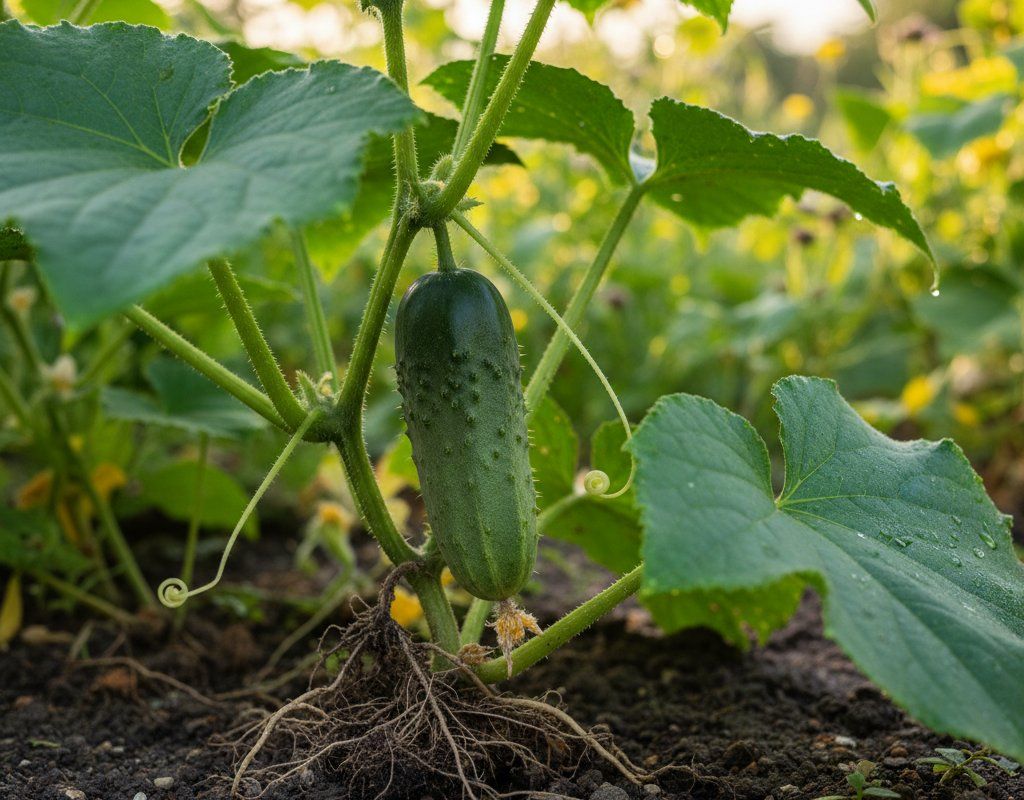
Cucumber in Zone 10A — Florida
Cucumis sativus · Your Complete 2026 Planting Guide
Still Time to Sow!
The sowing window is still open for Cucumber.
Sow Seeds Soon
Direct sowing is easiest. Start indoors only if you need a head start.
How to Plant Cucumber in Zone 10A — Florida
Here are all your options for getting cucumber in the ground, from the easiest method to more advanced approaches.
Direct Sow Seeds
RecommendedMid January through late October
around January 17
Consider succession planting every 2-3 weeks for continuous harvest.
Direct sowing is easiest. Start indoors only if you need a head start.
Buy Starts
Works WellLate January through late February
around January 24
Plant purchased starts after last frost (January 10).
Start Seeds Indoors
Works WellLate December through mid January
around January 3
Then transplant: Late January through late February
Start seeds 3-5 weeks before transplanting outdoors.
Start only 3 weeks before transplant — cucumbers grow fast and get rootbound.
Transplant Outdoors
Timing InfoLate January through late February
around January 24
Wait until nighttime temperatures stay above 50°F.
You have a nice window — no need to rush.
Overview
Here in Florida's Zone 10A, cucumbers offer the perfect combination of heat tolerance and high production during our unique growing season. Unlike gardeners up north who struggle to get decent cucumbers before their summer heat arrives, we can harvest crisp, fresh cucumbers from March straight through December. The vining varieties especially thrive in our warm temperatures and provide impressive yields when given proper support and consistent water.
While our extreme humidity and occasional summer heat spikes can challenge cucumber production, proper timing makes all the difference. Our 355-day growing season means you can start fresh plantings in fall and enjoy homegrown cucumbers through the cooler months when store-bought options are expensive and often disappointing. The key is working with Florida's reversed calendar – planting when conditions are right rather than following northern gardening advice.
Starting Seeds Indoors
Starting cucumber seeds indoors isn't the most common approach here in Florida, but it can give you a head start during our brief winter window. Start seeds from late December through mid-January, about 3 weeks before you plan to transplant outside. Cucumbers grow incredibly fast and don't like their roots disturbed, so timing is crucial.
Set up seed trays in a warm spot – cucumbers need soil temperatures around 70-75°F to germinate well. A heating mat helps during our cooler January nights. Use bottom watering to prevent damping-off, which can be problematic in our humid conditions even indoors. Good light is essential since our winter days are shorter.
Remember that cucumbers get rootbound quickly, so don't start them too early. If your seedlings are getting cramped before transplant time, they'll struggle to recover. Most Florida gardeners skip this step and direct sow instead – it's simpler and often more successful given how fast cucumbers establish in our warm soil.
Transplanting Outdoors
Plan to transplant your indoor-started cucumber seedlings from late January through late February, when our last frost risk has passed and soil temperatures stay consistently warm. This timing works well with Florida's gardening calendar since you'll be harvesting during our pleasant spring weather.
Harden off seedlings gradually over a week by placing them outside for increasing periods each day. Start with just a couple hours of morning sun and work up to full days. Our intense Florida sun can shock tender seedlings, so don't rush this process.
Space transplants 36-60 inches apart – closer spacing works if you're trellising, but give them more room if growing on the ground. Handle the root ball gently since cucumbers hate root disturbance. Water deeply after transplanting and consider temporary shade cloth if we're having an unusually warm spell in late February.
Direct Sowing
Direct sowing is definitely the way to go with cucumbers here in Florida. You can plant from mid-January through late October, though the timing affects your harvest season significantly. Early plantings give you spring and early summer cucumbers, while fall plantings provide your winter harvest when fresh cucumbers are most appreciated.
Wait until soil temperature reaches at least 65°F – usually by mid-January in our sandy soils. Prepare your planting area by working compost into the native sand to improve water retention. Plant seeds ½ to 1 inch deep and space them according to your growing method: closer together (36 inches) if trellising, farther apart (60 inches) for ground growing.
Keep the soil consistently moist until germination, which happens quickly in our warm conditions – usually within 7-10 days. The beauty of direct sowing is that plants establish strong root systems without transplant shock, and they're better adapted to our specific soil and climate conditions from day one.
Watering Cucumber in Zone 10A (Florida)
Cucumbers are roughly 95% water, making consistent irrigation absolutely critical here in Florida. These plants need about 1-2 inches of water per week, but our sandy soils drain fast, so you'll likely need to water more frequently than gardeners in other regions. During our hot summer months with daily highs around 93°F, daily watering becomes necessary.
Use the finger test – stick your finger 2 inches into the soil near the plants. If it's dry at that depth, it's time to water. Our high humidity can make the soil surface appear moist when deeper levels are actually bone dry. Water deeply at the base of plants rather than overhead watering, which can promote fungal diseases in our very humid conditions.
Summer rainfall averages 50-65 inches here, but it comes in intense bursts followed by dry spells. Don't rely on rain alone – maintain consistent soil moisture to prevent bitter fruit, which happens quickly when plants get stressed. A thick layer of mulch helps retain moisture in our sandy soil and reduces watering frequency.
Watch for signs of water stress: wilting during hot afternoons (even with adequate soil moisture is normal), but leaves should recover by evening. Consistently yellow leaves or bitter fruit indicate watering problems. Overwatering shows up as constantly soggy soil and possible root rot – balance is key in our climate.
Supporting Your Cucumber
Trellising cucumbers is especially beneficial here in Florida where good air circulation helps combat our high humidity and reduces fungal disease pressure. Install your trellis system at planting time – either a simple A-frame setup, cattle panels, or even a fence line. Vertical growing also saves precious garden space and produces straighter, cleaner fruit.
Train the vines as they grow by gently weaving them through or tying them to the support structure with soft ties. Cucumber tendrils will grab onto supports naturally, but young vines need guidance. The improved air circulation from vertical growing is crucial during our humid summer months when powdery mildew and other fungal issues thrive.
You can grow cucumbers on the ground if space allows, but expect more pest pressure and potential fruit rot during our wet summer season. Ground-grown cucumbers also need more space – up to 60 inches between plants – and benefit from mulch to keep fruit off direct soil contact.
🧪Fertilizing Cucumber
Feeding Schedule
Organic Fertilizer Options
Harvest Time
Your first cucumber harvest typically begins from mid-March through late December, depending on when you planted. Early plantings started in January will be producing by March, while fall plantings keep you in fresh cucumbers through our mild winter months. With Florida's long growing season, you can succession plant for continuous harvests.
Harvest cucumbers when they're firm, dark green, and have reached the appropriate size for your variety – usually 6-8 inches for slicing types. Check plants daily during peak season since cucumbers grow incredibly fast in our warm weather. A cucumber that's perfect one day can be oversized and bitter the next.
Cut or twist the fruit from the vine rather than pulling, which can damage the plant. Harvest in the early morning when fruits are fully hydrated and crisp. Pick regularly to keep plants producing – leaving overripe fruit on the vine signals the plant to stop flowering and setting new fruit.
As our first frost approaches around late December, harvest all remaining cucumbers regardless of size. Green ones can be pickled, while mature fruits should be used quickly since they won't continue ripening once picked. Consider succession planting every 2-3 weeks during the growing season to extend your harvest window.
Common Problems in Zone 10A (Florida)
Powdery Mildew This shows up as white or grayish powdery coating on leaves, stems, and sometimes fruit. Leaves curl, turn yellow, and eventually die back, reducing plant vigor significantly. In Florida's climate, this fungal disease thrives during warm days and cooler nights with our moderate-to-high humidity levels.
The fungi actually prefer dry leaf surfaces, which seems counterintuitive. Improve air circulation through proper spacing and pruning lower leaves. Remove affected foliage immediately. Neem oil or potassium bicarbonate sprays help control spread. Surprisingly, milk spray (1 part milk to 9 parts water) works well as a preventive treatment.
Cucumber Beetles Small yellow-green beetles with black spots or stripes feed on leaves and flowers, creating small holes throughout the foliage. The real danger is that these beetles transmit bacterial wilt, which causes plants to suddenly collapse and die. You'll see the beetles clearly on sunny mornings.
Use row covers until plants begin flowering, then remove them for pollination. Hand-pick beetles during cooler morning hours when they're sluggish. Yellow sticky traps help monitor populations. Neem oil or pyrethrin sprays provide temporary control. Interplanting with radishes or nasturtiums as trap crops can help redirect beetle attention.
Bitter Fruit Cucumbers develop a bitter taste, especially near the stem end, even though they appear normal otherwise. This happens when plants produce increased levels of cucurbitacin compounds due to stress. Water stress, temperature extremes, and inconsistent watering are the main culprits in Florida.
Maintain consistent soil moisture – our sandy soils and intense heat make this challenging but essential. Harvest regularly since oversized fruit becomes increasingly bitter. Choose 'burpless' or bitter-free varieties when possible. If bitterness occurs, peel cucumbers from the blossom end toward the stem to minimize the bitter compounds.
Florida Specific Challenges: Our extreme humidity creates perfect conditions for fungal diseases, while summer heat stress can trigger bitter fruit production. Sandy soils require more frequent watering, and our wet summer rainfall followed by dry spells creates the inconsistent moisture conditions that stress cucumber plants.
Best Companions for Cucumber
Plant these nearby for healthier Cucumber and better harvests.


Keep Away From
Companion Planting Details
Beans, corn, and peas make excellent cucumber companions here in Florida since they add nitrogen to our typically nutrient-poor sandy soil. The classic "three sisters" combination works well, with corn providing natural trellising for both beans and cucumbers. Radishes planted nearby help deter cucumber beetles and mature quickly in spaces that will later be needed by spreading cucumber vines.
Avoid planting cucumbers near potatoes, which can stunt cucumber growth and compete heavily for water in our sandy soil. Aromatic herbs like sage, oregano, and rosemary can inhibit cucumber growth, though basil seems to be neutral or slightly beneficial. Given Florida's intense growing conditions and limited garden space during our productive seasons, focus companion choices on plants that either improve soil conditions or help with pest management.
🌸Best Flowers to Plant with Cucumber
These flowers protect your Cucumber from pests and attract pollinators for better harvests.
For Pest Control







Get a Reminder When It's Time to Plant
We'll email you when key planting windows open for your zone.