Echinacea in Zone 6A — Pacific Northwest
Echinacea purpurea · Your Complete 2026 Planting Guide
Planning Ahead — Great!
You’re ahead of the season. Here’s when to start.
Mark Your Calendar
How to Plant Echinacea in Zone 6A — Pacific Northwest
Here are all your options for getting echinacea in the ground, from the easiest method to more advanced approaches.
Buy Starts
RecommendedEarly to late May
around May 10
Plant purchased starts after last frost (May 10).
Perennial. Seeds need cold stratification. Buy starts for easier results.
Start Seeds Indoors
Works WellEarly to late March
around March 15
Then transplant: Early to late May
Start seeds 8-10 weeks before transplanting outdoors.
Direct Sow Seeds
Works WellEarly May through late June
around May 10
Consider succession planting every 2-3 weeks for continuous harvest.
Transplant Outdoors
Timing InfoEarly to late May
around May 10
Can tolerate light frost, but wait for soil to be workable.
Plan to transplant within a few weeks of your target date.
Overview
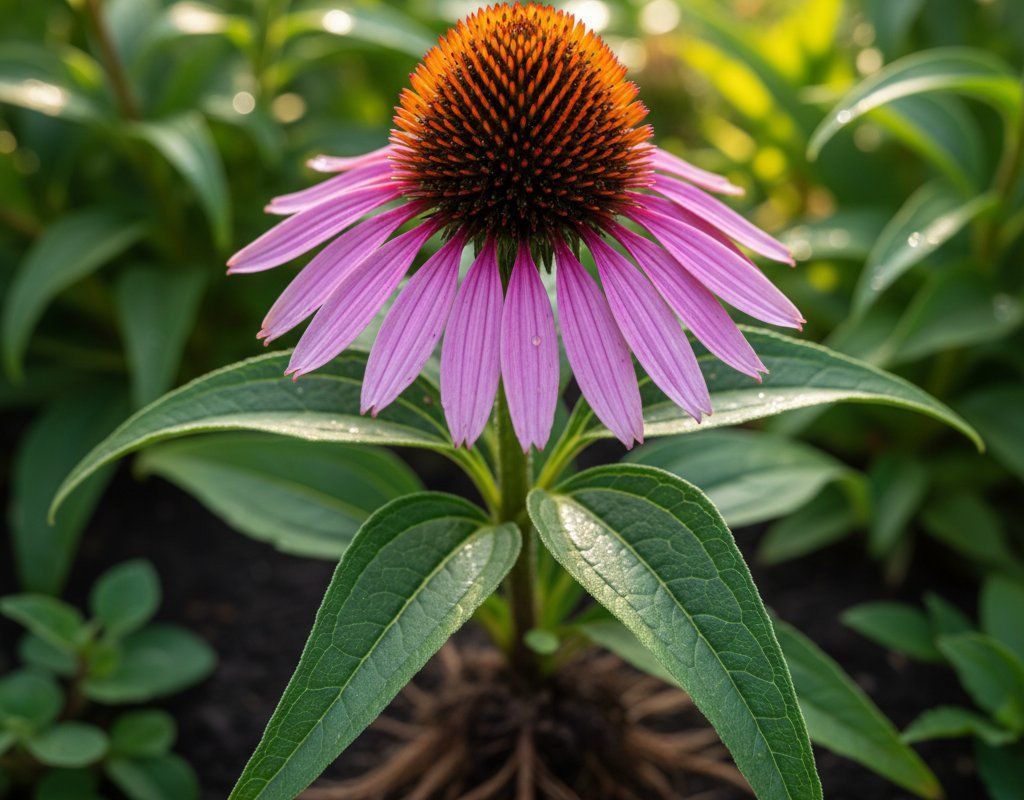
Echinacea, also known as coneflower, is a great addition to any Pacific Northwest garden. The daisy-like flowers bring beauty to your beds, and their nectar attracts beneficial pollinators like bees and butterflies. Plus, those cool nights we get here enhance the plant's natural compounds, making it ideal for teas and herbal remedies.
While our mild summers and wet springs can present some gardening challenges, Echinacea is well-suited to our climate. With a 148-day growing season, you have plenty of time to get these beauties established and enjoy their blooms. Careful timing will help you avoid the worst of the spring dampness and capitalize on our long, mild fall.
Starting Seeds Indoors
Starting Echinacea indoors isn't essential in the PNW, but it can give you a head start, especially if you want earlier blooms. Sow seeds indoors from early to late March, about eight weeks before you plan to transplant. This allows you to get ahead of our typically slow spring soil warming.
Use seed trays with a good seed-starting mix. Keep the soil consistently moist, and provide warmth with a heat mat if possible. Bottom watering is a great way to avoid damping-off issues. Place the trays under grow lights, since our overcast spring days don't provide enough natural light for strong seedling growth.
Transplanting Outdoors
Transplant your Echinacea seedlings outdoors from early to late May, once the danger of frost has passed. Before planting, harden off your seedlings by gradually exposing them to outdoor conditions for about a week. This will help them adjust to the cooler temperatures and stronger sunlight.
Choose a sunny spot with well-drained soil and space the plants 18-24 inches apart to allow for good air circulation. While the risk of a late frost is low, keep an eye on the forecast and be prepared to cover the young plants if temperatures dip unexpectedly. Echinacea are perennials, so consider buying starts for easier results since the seeds need cold stratification.
Direct Sowing
Direct sowing Echinacea is a viable option, especially if you're looking for a low-maintenance approach. Sow the seeds directly into the garden from early May through late June. This gives the soil time to warm up, which is important for germination.
Prepare the soil by loosening it and removing any weeds. Gently press the seeds into the soil, ensuring good soil contact. Keep the soil consistently moist until the seedlings emerge. Thin the seedlings to 18-24 inches apart once they are a few inches tall.
Watering Echinacea in Zone 6A (Pacific Northwest)
Echinacea is remarkably drought-tolerant once established, making it a perfect fit for our dry summer months in the Pacific Northwest. The key is to avoid overwatering, especially during our wet springs. Think like a native plant: it thrives in poor, dry soil. Don't pamper it.
During the spring, water only when the top two inches of soil feel dry to the touch – the "finger test". Aim for about 1 inch of water per week, especially during dry spells. As summer progresses, you may only need to water every other week, or even less frequently, depending on rainfall. Water at the base of the plant to avoid wetting the foliage, which can encourage fungal diseases in our humid climate.
Signs of underwatering include wilting or drooping leaves, while yellowing leaves or soggy soil indicate overwatering. Applying a layer of mulch around the base of the plants can help retain moisture and suppress weeds, but be sure to keep the mulch away from the stems to prevent rot.
Pruning & Maintaining Echinacea
Pruning Echinacea is straightforward and helps encourage continued blooming. Deadhead spent flowers throughout the growing season to promote more flower production. Simply cut the stem just below the faded flower head.
However, you can also leave some of the seed heads on the plants to provide food for birds like goldfinches during the fall and winter. In late winter, after the first frost around early October, cut back the entire plant to a few inches above the ground to prepare it for new growth in the spring.
🧪Fertilizing Echinacea
Feeding Schedule
Organic Fertilizer Options
Harvest Time
You can expect your first Echinacea harvest from early August through mid-October, about 90 days after planting. The flowers are typically ready to harvest when the petals are fully open and the central cone is prominent.
To harvest, cut the stems just above a leaf node, leaving enough stem for the plant to continue producing. You can harvest the petals for teas or medicinal purposes. Remember to leave some seed heads on the plants for the birds and for winter interest in your garden.
Common Problems in Zone 6A (Pacific Northwest)
Here are some common problems you might encounter growing Echinacea in the PNW:
Aster Yellows
- What it looks like: Distorted, greenish flowers, often with tufts of leaves growing from the flower heads. The plant may also be stunted and have yellowed foliage.
- What causes it: A disease transmitted by leafhoppers. It's more prevalent during warmer months when leafhoppers are active.
- How to fix/prevent it: Unfortunately, there is no cure. Remove and destroy infected plants immediately to prevent the spread of the disease. Control leafhopper populations with insecticidal soap, though prevention is key.
Powdery Mildew
- What it looks like: White or grayish powdery coating on leaves, stems, and sometimes flower buds. Leaves may curl, yellow, and eventually die.
- What causes it: Various fungi that thrive in warm days, cool nights, and moderate humidity. Dry leaf surfaces actually favor it.
- How to fix/prevent it: Improve air circulation by spacing plants properly and pruning overcrowded growth. Remove affected leaves. Neem oil or potassium bicarbonate sprays can help. A milk spray (1 part milk to 9 parts water) is surprisingly effective. Plant resistant varieties if possible.
Japanese Beetles
- What it looks like: Metallic green beetles that skeletonize leaves, leaving behind a lacy appearance. They often feed in groups, causing significant damage quickly.
- What causes it: These beetles are attracted to a wide range of plants, including Echinacea. They are more active during the warmer months.
- How to fix/prevent it: Hand-picking the beetles off the plants and dropping them into a bucket of soapy water is effective for small infestations. Neem oil can also deter them.
Pacific Northwest Specific Challenges: While Echinacea is relatively trouble-free, our mild heat and dry-summer rainfall can contribute to powdery mildew issues, especially if plants are overcrowded. Also, be vigilant for Japanese beetles during the summer months, although they are less of a problem here than in other parts of the country.
Best Companions for Echinacea
Plant these nearby for healthier Echinacea and better harvests.
View Full Companion Planting Chart →

Companion Planting Details
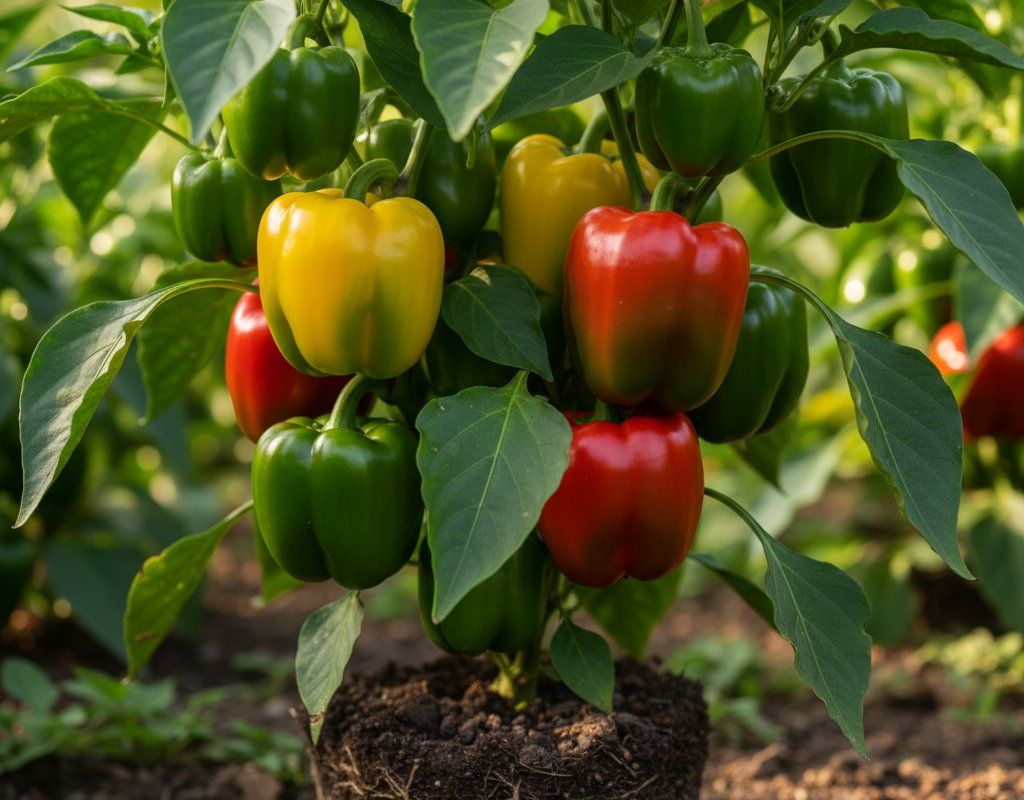
Echinacea benefits from companion planting in the Pacific Northwest. Tomatoes and peppers make great companions because they enjoy similar full sun conditions and don't compete for resources. Plus, the Echinacea can attract pollinators that will also benefit your tomatoes and peppers.
Herbs like rosemary, thyme, and lavender are also good companions. They attract beneficial insects and their aromatic oils can help deter pests. Avoid planting Echinacea near plants that require consistently moist soil, as this can lead to overwatering and root rot.
🥬Best Vegetables to Pair With Echinacea
Echinacea benefits these vegetables through pest control, pollinator attraction, or improved garden health.




Get a Reminder When It's Time to Plant
We'll email you when key planting windows open for your zone.