Echinacea in Zone 8A — Gulf Coast
Echinacea purpurea · Your Complete 2026 Planting Guide
Time to Buy Starts!
Seed starting window passed, but starts are available now.
Buy Starts Now
Head to your local nursery, Home Depot, or farmers market for transplants.
- Look for stocky plants with dark green leaves
- Avoid leggy seedlings or plants already flowering
- Check that roots aren't circling the pot (rootbound)
How to Plant Echinacea in Zone 8A — Gulf Coast
Here are all your options for getting echinacea in the ground, from the easiest method to more advanced approaches.
Buy Starts
RecommendedEarly to late March
around March 1
Plant purchased starts after last frost (March 1).
Perennial. Seeds need cold stratification. Buy starts for easier results.
Start Seeds Indoors
Works WellLate December through mid January
around January 4
Then transplant: Early to late March
Start seeds 8-10 weeks before transplanting outdoors.
Direct Sow Seeds
Works WellEarly March through mid August
around March 1
Consider succession planting every 2-3 weeks for continuous harvest.
Transplant Outdoors
Timing InfoEarly to late March
around March 1
Can tolerate light frost, but wait for soil to be workable.
Plan to transplant within a few weeks of your target date.
Overview
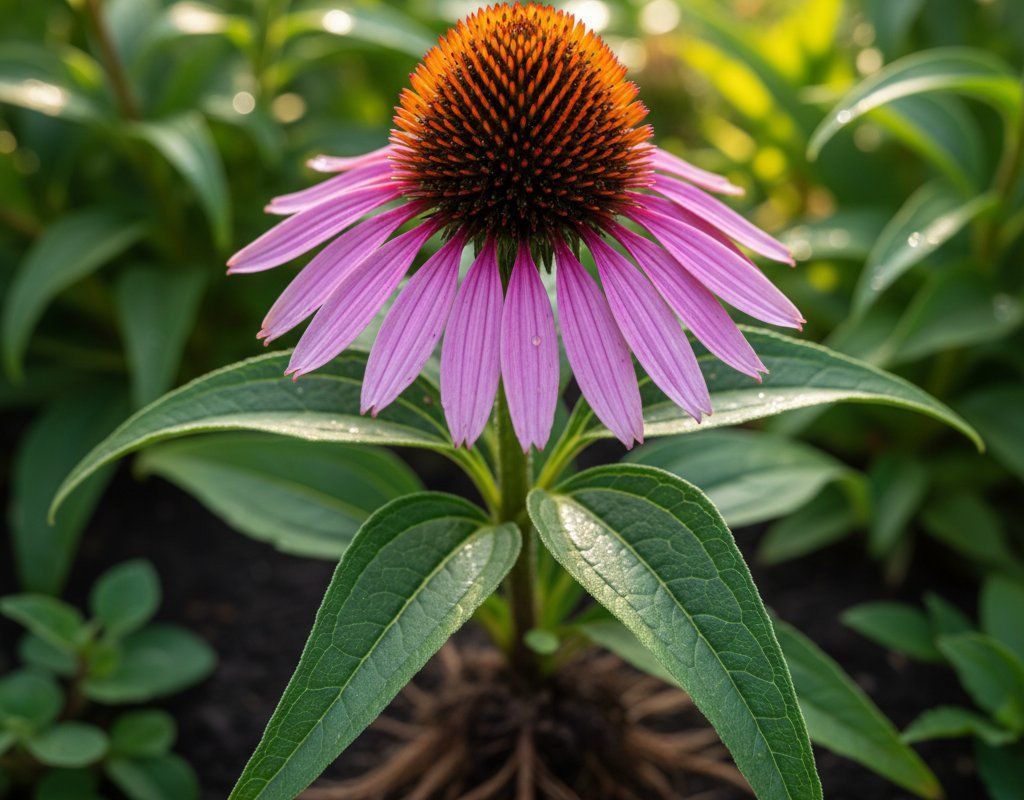
Echinacea, also known as coneflower, is a fantastic addition to any Gulf Coast garden. Its daisy-like blooms add a pop of color, attract pollinators like crazy, and can even be used to make soothing teas. Plus, this plant is surprisingly low-maintenance once it's established, a real win when you're dealing with our long, humid growing season.
Our high humidity and occasional heavy rains can definitely present some challenges, especially when it comes to fungal diseases. But with careful timing and smart planting strategies, you can absolutely grow beautiful, healthy Echinacea here. Our long growing season of around 269 days gives you plenty of opportunity to get it right.
Starting Seeds Indoors
Starting Echinacea indoors is certainly an option, but it's often easier to direct sow or buy established plants here on the Gulf Coast. If you want to get a head start, sow seeds indoors from late December through mid January, about 8 weeks before you plan to transplant. Use seed trays with a good seed-starting mix and provide warmth and light.
Make sure to keep the soil consistently moist, but not soggy. Bottom watering is a great way to prevent damping-off disease, which can be a problem with our early spring humidity. Remember, our springs can get warm early, so keep an eye on the weather and be ready to harden off your seedlings when the time comes.
Transplanting Outdoors
Transplant your Echinacea seedlings outdoors from early to late March, after the danger of a hard freeze has passed. Before transplanting, harden off your seedlings by gradually exposing them to outdoor conditions for about a week. This helps them adjust to the sun and wind.
When transplanting, space your plants 18-24 inches apart to allow for good air circulation. Remember that Echinacea is a perennial, so choose a location where they can thrive for years to come. Honestly, given our climate and the fact that the seeds need cold stratification, buying starts from a local nursery is often the easiest route.
Direct Sowing
Direct sowing Echinacea is a great option, especially if you're looking for a low-maintenance approach. Sow seeds directly into the garden from early March through mid August. This wide window takes advantage of our long growing season.
Prepare the soil by loosening it and removing any weeds. Echinacea prefers well-drained soil, so amend with compost if needed. Keep the soil consistently moist until the seedlings emerge, and then thin them to 18-24 inches apart. Direct sowing is easier than fussing with seedlings indoors, but you might not get blooms quite as early.
Watering Echinacea in Zone 8A (Gulf Coast)
Echinacea is surprisingly drought-tolerant once it's established, making it a great choice for Gulf Coast gardens. Remember, this is a native plant that thrives in drier conditions, so don't overwater it!
During the first few weeks after planting, water regularly to help the plants establish strong roots. After that, water only when the top 2 inches of soil feel dry to the touch – use the finger test. In general, you'll probably only need to water about an inch per week, especially during our rainy season.
Avoid overhead watering as much as possible, as our high humidity can make Echinacea susceptible to fungal diseases. Water at the base of the plants to keep the foliage dry. Signs of underwatering include wilting leaves, while signs of overwatering include yellowing leaves and root rot. A layer of pine straw mulch can help retain moisture and suppress weeds, but be careful not to mulch too heavily, as this can trap moisture and encourage fungal growth.
Pruning & Maintaining Echinacea
Deadheading is key to keeping your Echinacea blooming throughout our long growing season. Simply snip off the spent flowers just below the flower head. This encourages the plant to produce more blooms.
You can deadhead throughout the summer and fall, up until our first frost, which usually arrives in late November. If you want to provide food for the birds during the winter, leave some of the seed heads intact. In late winter, before new growth begins, cut back the entire plant to the ground to encourage fresh growth in the spring.
🧪Fertilizing Echinacea
Feeding Schedule
Organic Fertilizer Options
Harvest Time
You can expect your first Echinacea harvest from late May through early December, about 90 days after planting. The flowers will bloom throughout the summer and fall, providing a continuous harvest.
The best time to harvest the flowers is when they are fully open and the petals are still vibrant. You can harvest the petals for tea or other medicinal purposes. Simply cut the flower stems near the base of the plant. If you want to save the seeds, let some of the flower heads dry on the plant and then collect the seeds in the fall. As our first frost approaches in late November, you can harvest any remaining flowers or leave the seed heads for the birds.
Common Problems in Zone 8A (Gulf Coast)
Here are a few common problems you might encounter with Echinacea in the Gulf Coast:
Aster Yellows
- What it looks like: Distorted, greenish flowers, stunted growth, and yellowing leaves. The plant may also produce abnormal clusters of leaves.
- What causes it: A phytoplasma (bacteria-like organism) transmitted by leafhoppers.
- How to fix/prevent it: Unfortunately, there is no cure for aster yellows. Remove and destroy infected plants immediately to prevent the spread of the disease. Control leafhopper populations with insecticidal soap or neem oil.
Powdery Mildew
- What it looks like: White or grayish powdery coating on leaves, stems, and sometimes flower heads. Leaves may curl, yellow, and die.
- What causes it: Various fungi that thrive in warm days, cool nights, and moderate humidity. Dry leaf surfaces actually favor it.
- How to fix/prevent it: Improve air circulation by spacing plants properly and pruning as needed. Remove affected leaves. Neem oil or potassium bicarbonate sprays can help. A milk spray (1 part milk to 9 parts water) is surprisingly effective.
Japanese Beetles
- What it looks like: Metallic green beetles that skeletonize leaves and flowers.
- What causes it: Japanese beetles are attracted to stressed plants.
- How to fix/prevent it: Handpick beetles and drop them into a bucket of soapy water. Neem oil can also be used as a repellent.
Gulf Coast Specific Challenges: Our hot, humid summers and wet-year-round rainfall create the perfect environment for fungal diseases like powdery mildew. Good air circulation and proper watering practices are essential for preventing these problems. Also, our occasional flooding can be tough on Echinacea, so make sure to plant in well-drained soil.
Best Companions for Echinacea
Plant these nearby for healthier Echinacea and better harvests.
View Full Companion Planting Chart →

Companion Planting Details
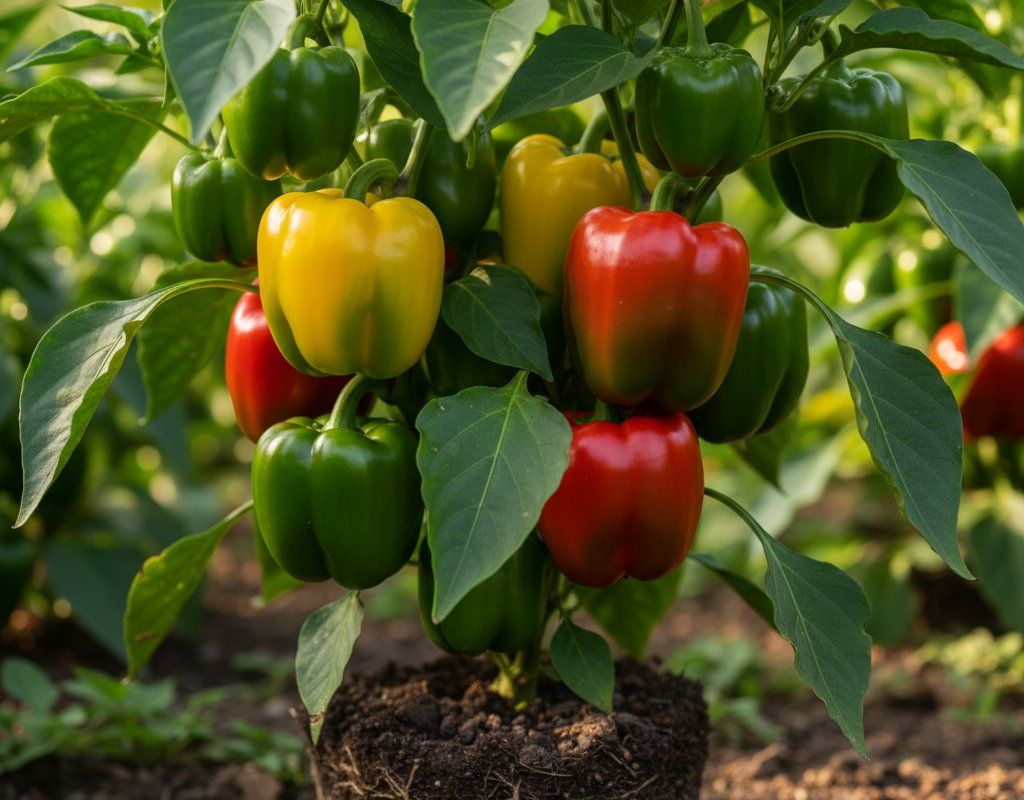
Echinacea makes a great companion plant for tomatoes and peppers. The Echinacea attracts pollinators that will also benefit your vegetable plants. Plus, the Echinacea's clumping growth habit won't compete with the vegetables for space or nutrients.
Herbs like rosemary, lavender, and thyme are also good companions for Echinacea. These herbs help repel pests and attract beneficial insects. Avoid planting Echinacea near plants that require consistently moist soil, as the Echinacea prefers drier conditions.
🥬Best Vegetables to Pair With Echinacea
Echinacea benefits these vegetables through pest control, pollinator attraction, or improved garden health.




Get a Reminder When It's Time to Plant
We'll email you when key planting windows open for your zone.