
Fennel in Zone 10B — Southern California
Foeniculum vulgare · Your Complete 2026 Planting Guide
Still Time to Sow!
The sowing window is still open for Fennel.
Sow Seeds Soon
Fennel has a taproot and bolts easily when transplanted. Direct sow only.
How to Plant Fennel in Zone 10B — Southern California
Here are all your options for getting fennel in the ground, from the easiest method to more advanced approaches.
Direct Sow Seeds
RecommendedEarly January through mid October
around January 10
Consider succession planting every 2-3 weeks for continuous harvest.
Fennel has a taproot and bolts easily when transplanted. Direct sow only.
Buy Starts
Works WellEarly January through early February
around January 10
Plant purchased starts after last frost (January 10).
Start Seeds Indoors
ChallengingThis plant is typically not started indoors.
Transplant Outdoors
Timing InfoEarly January through early February
around January 10
Can tolerate light frost, but wait for soil to be workable.
You have a nice window — no need to rush.
Overview
Fennel is a fantastic addition to any Southern California garden. Its anise-like flavor brightens up salads and cooked dishes, and the feathery fronds are beautiful in the garden. Plus, you can enjoy a year-round harvest in our mild climate.
While we enjoy a long growing season, we also face drought and intense summer heat inland. Strategic timing and smart watering will help you grow delicious fennel, even with our 355-day growing season.
Transplanting Outdoors
Transplanting fennel isn't generally recommended because it doesn't always take well to it, but if you must, aim to get those seedlings in the ground in early January through early February. Choose a spot with plenty of sunshine.
Before planting, harden off your seedlings for about a week, gradually increasing their exposure to the outdoors each day. Space them 12-18 inches apart to give them room to grow. Keep an eye on the weather, as unexpected cold snaps can still happen, even here in Southern California.
Direct Sowing
Direct sowing is the way to go with fennel. Those taproots like to stay put! Sow your seeds directly into well-draining soil from early January through mid October.
Prepare the soil by loosening it and mixing in some compost. Fennel seeds need a soil temperature of at least 60°F to germinate, so keep that in mind, especially during cooler months. Plant seeds about ¼ inch deep and space them 12-18 inches apart.
Watering Fennel in Zone 10B (Southern California)
Fennel needs consistent moisture, especially when it's bulbing up. In our Southern California climate, that means paying close attention, especially during the dry season. Think "moderate" watering.
During the cooler, wetter months, you might only need to supplement rainfall occasionally. But when the summer heat inland kicks in, increase watering. A good rule of thumb is to give your fennel about 1 inch of water per week, but always check the soil first. Stick your finger about 2 inches deep; if it feels dry, it's time to water. It's best to water at the base of the plant to avoid fungal issues, especially with our low-to-moderate humidity.
Underwatering will lead to tough, stringy bulbs and premature bolting. Overwatering, on the other hand, can cause root rot. Look for yellowing leaves as a sign of either problem. Mulching around your fennel plants will help retain moisture and keep the soil cool, which is especially important during our hot summers.
🧪Fertilizing Fennel
Feeding Schedule
Organic Fertilizer Options
Harvest Time
You can expect your first fennel harvest about 65 days after sowing, generally from mid March through early January here in Zone 10B. Keep an eye on those bulbs.
Harvest bulb fennel when the bulb is about 3-4 inches in diameter. Simply cut the bulb at soil level with a sharp knife. Don't toss those fronds! They're delicious and can be harvested at any time.
As late December approaches and the chance of frost increases, harvest any remaining mature bulbs. Even though we rarely get hard freezes, a cold snap can still damage the plants.
Common Problems in Zone 10B (Southern California)
Here are three common problems you might encounter growing fennel in Southern California:
Bolting in Heat
- What it looks like: A tall flower stalk shooting up from the center of the plant. The leaves become tough and bitter.
- What causes it: Extended periods of warm weather above 80°F trigger bolting. It's common during our long, hot summers inland.
- How to fix/prevent it: Time your plantings for cooler months. Choose bolt-resistant varieties if available. Provide afternoon shade with shade cloth during heat waves. Mulch heavily to keep the soil cool. Harvest bulbs as soon as they reach a good size, before bolting gets too far along.
Allelopathy with Most Vegetables
- What it looks like: Stunted growth in nearby plants, especially vegetables.
- What causes it: Fennel releases chemicals into the soil that inhibit the growth of many other plants.
- How to fix/prevent it: Plant fennel away from your vegetable garden. Grow it in a separate bed or large container to prevent it from affecting other plants.
Aphids
- What it looks like: Clusters of tiny green, black, or white insects on stems and leaf undersides. Sticky honeydew residue. Curled or distorted new growth.
- What causes it: Aphids thrive in warm weather and reproduce quickly. They suck sap from plants, weakening them.
- How to fix/prevent it: Blast aphids off with a strong stream of water from your hose. Encourage natural predators like ladybugs. Apply insecticidal soap or neem oil for heavy infestations. Avoid over-fertilizing with nitrogen.
Southern California Specific Challenges: Our hot, dry summers and occasional Santa Ana winds can stress fennel plants, making them more susceptible to bolting and aphid infestations. Consistent watering, mulching, and strategic planting times are key to success. Even with water restrictions, prioritize consistent moisture for your fennel to prevent bolting and ensure a good harvest.
Best Companions for Fennel
Plant these nearby for healthier Fennel and better harvests.
View Full Companion Planting Chart →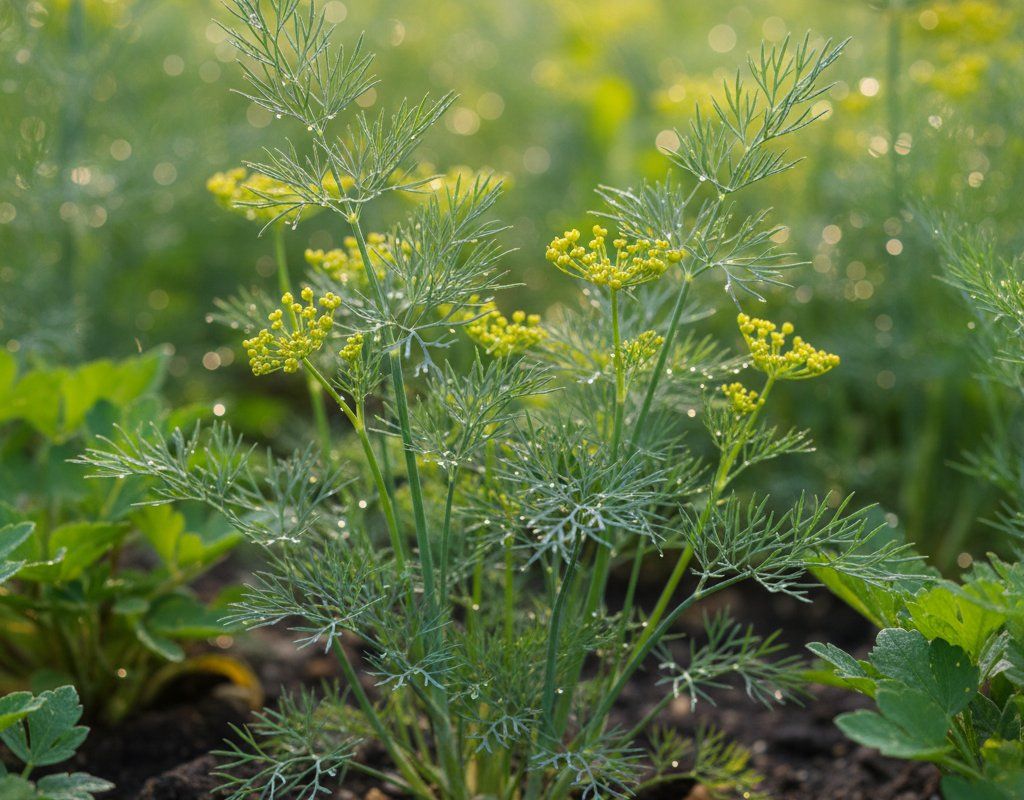



Companion Planting Details
Fennel is a bit of a loner in the garden due to its allelopathic nature. Dill, however, is a good companion. Dill attracts beneficial insects that can help control pests on your fennel.
Avoid planting fennel near tomatoes, beans-green, peppers, or carrots. Fennel can inhibit their growth. It's best to give fennel its own space to thrive in your Southern California garden.
🌸Best Flowers to Plant with Fennel
These flowers protect your Fennel from pests and attract pollinators for better harvests.


Get a Reminder When It's Time to Plant
We'll email you when key planting windows open for your zone.