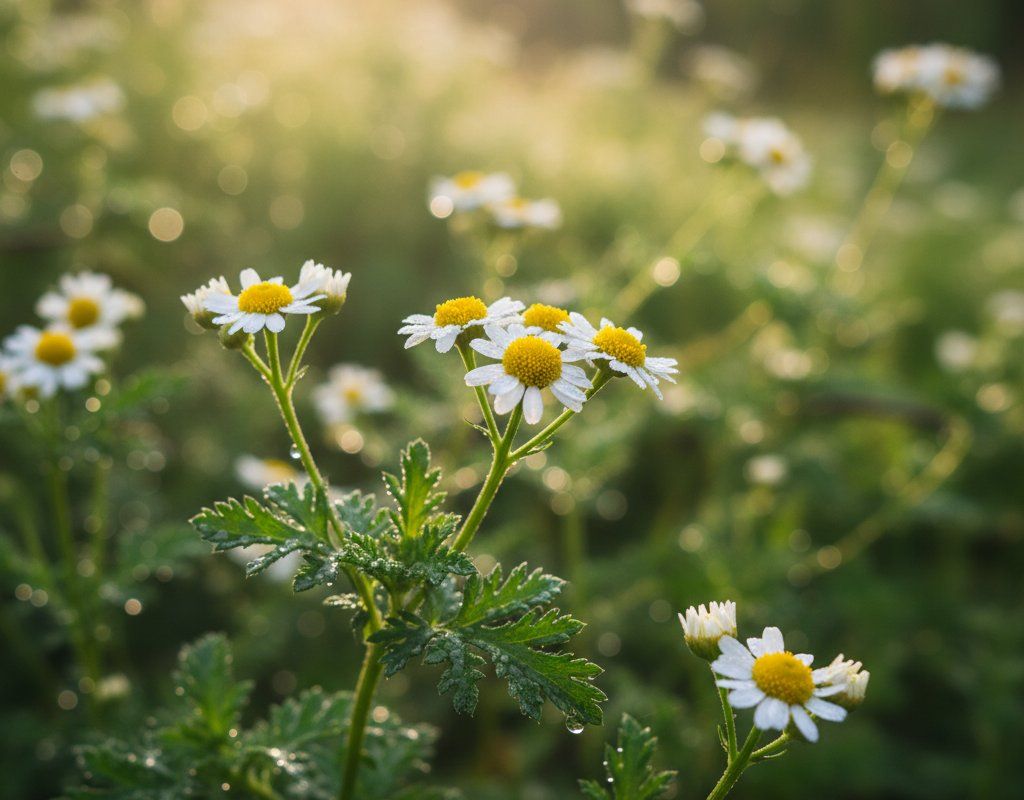
Feverfew in Zone 3B — Mountain West
Tanacetum parthenium · Your Complete 2026 Planting Guide
Planning Ahead — Great!
You’re ahead of the season. Here’s when to start.
Mark Your Calendar
How to Plant Feverfew in Zone 3B — Mountain West
Here are all your options for getting feverfew in the ground, from the easiest method to more advanced approaches.
Direct Sow Seeds
RecommendedLate May through mid June
around May 25
Direct sow as soon as conditions allow.
Start Seeds Indoors
RecommendedMid March through early April
around March 23
Then transplant: Mid May through mid June
Start seeds 8-10 weeks before transplanting outdoors.
Buy Starts
Works WellMid May through mid June
around May 18
Plant purchased starts after last frost (May 25).
Transplant Outdoors
Timing InfoMid May through mid June
around May 18
Can tolerate light frost, but wait for soil to be workable.
You have a nice window — no need to rush.
Overview
Feverfew is a cheerful and useful addition to any Mountain West garden. Its delicate, daisy-like flowers bring a touch of cottage charm, plus it's known as a traditional herbal remedy. The intense sunlight and cool nights we get here seem to boost its potency and flavor.
Our short growing season and alkaline soil can be a challenge, but Feverfew is surprisingly adaptable. With a little planning, you can easily fit its 70-day maturity into our 108-day window and enjoy blooms from late summer into fall.
Starting Seeds Indoors
Starting Feverfew indoors gives you a head start, but it's not strictly necessary. If you're eager for early blooms or want to ensure success in our short season, it's a good option.
Sow seeds indoors mid-March through early April, about eight weeks before our typical last frost. Use seed trays with a good seed-starting mix and provide warmth (around 70°F) and plenty of light – a grow light is ideal. Bottom watering helps prevent damping-off, a common problem with seedlings.
Remember, spring in the high altitude Mountain West can be late to arrive. Starting indoors simply gives you a buffer against unexpected cold snaps.
Transplanting Outdoors
Transplant your Feverfew seedlings outdoors mid-May through mid-June, once the danger of hard frost has passed. This is usually a pretty safe bet in our region.
Before transplanting, harden off your seedlings by gradually exposing them to outdoor conditions for about a week. Start with an hour or two of shade and increase the time and sun exposure each day. Space plants 12-15 inches apart in well-drained soil. Keep an eye out for late-season frosts, which can still happen at altitude; be prepared to cover your young plants if needed.
Direct Sowing
Direct sowing Feverfew is a perfectly viable option in the Mountain West, especially if you're looking for a low-maintenance approach. The advantage is less work, but the disadvantage is that it shortens the already limited growing season.
Sow seeds directly into the garden late May through mid-June, after the soil has warmed up a bit. Feverfew prefers well-drained soil, so amend heavy clay soil with compost. Simply scatter the seeds lightly over the soil surface and gently press them in. Thin seedlings to 12-15 inches apart once they're a few inches tall.
Watering Feverfew in Zone 3B (Mountain West)
Feverfew is drought-tolerant and thrives on neglect once it's established, which is great news for busy Mountain gardeners. Our dry climate and low humidity mean overwatering is a bigger concern than underwatering.
During the first few weeks after transplanting or direct sowing, water regularly to help the plants establish strong roots. After that, water only when the top two inches of soil feel dry to the touch – use the finger test. In a typical Mountain summer with moderate heat and low rainfall, this might mean watering once a week, giving them about an inch of water each time.
Water at the base of the plants to avoid wetting the foliage, which can encourage fungal diseases, even in our dry climate. Mulching around the plants with straw or wood chips helps retain moisture and suppress weeds, but be sure to leave some space around the stems to prevent rot. Yellowing leaves are a sign of overwatering, while wilting leaves indicate underwatering.
Pruning & Maintaining Feverfew
Deadheading is key to keeping your Feverfew blooming throughout our short Mountain summer. It's also essential for preventing it from taking over your garden.
Regularly deadhead spent flowers by snipping them off just below the flower head. This encourages the plant to produce more blooms instead of putting energy into seed production. After the main flowering flush in late summer, cut the plant back by about one-third to rejuvenate it. In late fall, as the first frost approaches, you can cut the plant back to the ground. Be warned: if you let the flowers go to seed, you'll have Feverfew popping up everywhere next year.
🧪Fertilizing Feverfew
Feeding Schedule
Organic Fertilizer Options
Harvest Time
You can expect your first Feverfew harvest from early August through mid-September, about 70 days after planting. The exact timing depends on when you started your seeds or direct-sowed.
Harvest Feverfew when the small, daisy-like flowers are in full bloom. The leaves are also used, so you can harvest those at any time. Simply snip off the stems with flowers and leaves using sharp scissors or pruners. For continued production, harvest regularly to encourage more blooms.
As the first frost approaches in early September, you can harvest the remaining flowers and leaves for drying or other uses. Remember, Feverfew doesn't ripen off the vine, so harvest what you can before the cold sets in.
Common Problems in Zone 3B (Mountain West)
Here are the common problems you might encounter with Feverfew in the Mountain West:
Self-seeds Prolifically
- What it looks like: Numerous Feverfew seedlings popping up in unwanted areas of the garden.
- What causes it: Allowing flowers to go to seed. Our intense sun helps them ripen quickly.
- How to fix/prevent it: Deadhead spent flowers religiously before they set seed. Consider growing Feverfew in containers to limit its spread.
Aphids
- What it looks like: Clusters of tiny soft-bodied insects (green, black, or white) on stems and leaf undersides. Sticky honeydew residue. Curled or distorted new growth.
- What causes it: Rapid-reproducing sap-sucking insects. Populations explode in warm weather. Ant colonies may farm them for honeydew.
- How to fix/prevent it: Strong water spray knocks them off. Encourage ladybugs and lacewings (natural predators). Insecticidal soap for heavy infestations. Neem oil works systemically. Avoid excess nitrogen fertilizer (it attracts them).
Leaf Miners
- What it looks like: Pale, winding trails or blotches on leaves. You might see small black dots (frass) inside the tunnels.
- What causes it: Larvae of small flies that tunnel between the upper and lower leaf surfaces.
- How to fix/prevent it: Remove and destroy infested leaves. Use row covers to prevent adult flies from laying eggs. Insecticidal soap or neem oil can help control infestations.
Mountain West Specific Challenges: Our dry climate can actually *help* with some disease issues, but the alkaline soil can sometimes cause nutrient deficiencies. Amend your soil with compost to improve drainage and nutrient availability. Also, be prepared for hail, which can damage Feverfew's delicate leaves.
Best Companions for Feverfew
Plant these nearby for healthier Feverfew and better harvests.
View Full Companion Planting Chart →
Companion Planting Details
Feverfew makes a great companion plant for several vegetables and flowers in the Mountain West garden.
Good companions include tomatoes, as Feverfew is said to repel some common tomato pests. Roses also benefit from Feverfew planted nearby, as it can deter aphids and other rose pests. Herbs like rosemary and thyme are also good companions, as they attract beneficial insects that prey on pests.
Avoid planting Feverfew near plants that are heavy feeders, as it can compete for nutrients in our often-poor mountain soils.
🥬Best Vegetables to Pair With Feverfew
Feverfew benefits these vegetables through pest control, pollinator attraction, or improved garden health.





Get a Reminder When It's Time to Plant
We'll email you when key planting windows open for your zone.