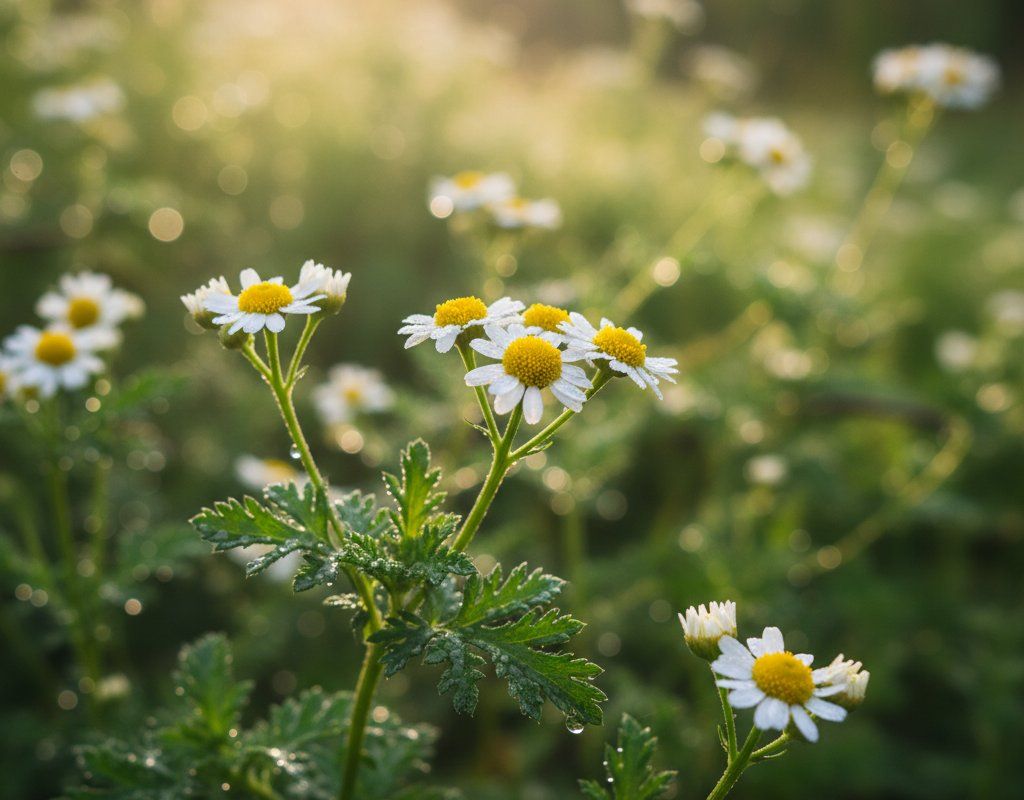
Feverfew in Zone 5B — Great Plains
Tanacetum parthenium · Your Complete 2026 Planting Guide
Missed Seed Starting? No Problem!
Wait for starts to become available.
What to Do
Starts will be available at nurseries in 40 days (around April 13).
How to Plant Feverfew in Zone 5B — Great Plains
Here are all your options for getting feverfew in the ground, from the easiest method to more advanced approaches.
Direct Sow Seeds
RecommendedMid April through late July
around April 20
Consider succession planting every 2-3 weeks for continuous harvest.
Start Seeds Indoors
RecommendedEarly February through early March
around February 16
Then transplant: Mid April through mid May
Start seeds 8-10 weeks before transplanting outdoors.
Buy Starts
Works WellMid April through mid May
around April 13
Plant purchased starts after last frost (April 20).
Transplant Outdoors
Timing InfoMid April through mid May
around April 13
Can tolerate light frost, but wait for soil to be workable.
You have a nice window — no need to rush.
Overview
Feverfew is a charming and useful addition to any Great Plains garden. Its cheerful, daisy-like flowers offer a traditional herbal remedy, attract beneficial insects to your veggie patch, and add a touch of whimsy to your borders. Plus, it's surprisingly drought-tolerant, a real asset in our variable climate.
We know our region can throw some curveballs – extreme temperature swings, the occasional hail storm, and a growing season of around 178 days. But with careful planning and a little know-how, you can absolutely enjoy a thriving Feverfew patch. Let's get started!
Starting Seeds Indoors
Starting Feverfew indoors gives you a head start, especially if you're located in the northern Plains where our growing season feels even shorter. Sow seeds indoors from early February through early March, about 8 weeks before you plan to transplant.
Use seed trays or small pots filled with a good seed-starting mix. Keep them consistently moist by watering from the bottom to avoid disturbing the tiny seeds. Place the trays in a warm location with plenty of light – a sunny windowsill or under grow lights works well. Remember, spring in the Plains can be unpredictable, so indoor starting buys you some time.
Transplanting Outdoors
Transplant your Feverfew seedlings outdoors from mid April through mid May, once the risk of hard frost has passed. Before planting, harden off your seedlings by gradually exposing them to outdoor conditions for about a week. This helps them acclimate to the wind and temperature fluctuations common in the Plains.
Choose a sunny spot with well-drained soil and space the plants 12-15 inches apart. Keep an eye on the forecast – a late frost is always a possibility. Be ready to cover your young plants if temperatures dip unexpectedly.
Direct Sowing
Direct sowing Feverfew is a simple option, especially if you're less concerned about getting the earliest possible blooms. Sow seeds directly into the garden from mid April through late July.
Prepare the soil by loosening it and removing any weeds. Gently press the seeds into the soil surface – they need light to germinate. Keep the soil consistently moist until the seedlings emerge. Thin the seedlings to 12-15 inches apart once they are a few inches tall. Direct sowing works best when the soil has warmed up consistently.
Watering Feverfew in Zone 5B (Great Plains)
Feverfew is wonderfully low-maintenance when it comes to watering, which is a definite plus in the Great Plains. Once established, it's quite drought-tolerant. However, young plants need consistent moisture to get started.
During the first few weeks after planting, water regularly to keep the soil consistently moist, but not soggy. Once established, water deeply but infrequently, allowing the soil to dry out between waterings. Stick your finger about 2 inches deep into the soil – if it feels dry, it's time to water. Aim for about 1 inch of water per week, depending on rainfall.
Water at the base of the plant to avoid wetting the foliage, which can help prevent fungal diseases in our sometimes humid conditions. Signs of underwatering include wilting leaves and stunted growth. Overwatering can lead to root rot, so make sure your soil drains well. A layer of mulch around the base of the plants helps retain moisture and suppress weeds, but don't overdo it as it can trap too much moisture near the crown of the plant.
Pruning & Maintaining Feverfew
Pruning Feverfew is straightforward and helps keep it blooming and looking its best. Deadhead spent flowers regularly throughout the growing season to encourage continuous flowering. Simply snip off the faded blooms just below the flower head.
In late summer or early fall, after the main flush of blooms is over, you can cut back the entire plant by about one-third. This will help it stay tidy and prevent it from self-seeding too aggressively. Keep in mind that Feverfew self-seeds readily, so if you don't want it spreading, be diligent about deadheading before the seeds mature. As the first frost approaches around mid- October, you can leave the remaining foliage in place to provide winter interest, or cut it back to the ground.
🧪Fertilizing Feverfew
Feeding Schedule
Organic Fertilizer Options
Harvest Time
You can expect your first Feverfew harvest starting in late June and continuing through late October, about 70 days after planting. The best time to harvest is when the small, daisy-like flowers are in full bloom. Feverfew is traditionally harvested for its medicinal properties.
To harvest, simply cut the stems just above a leaf node. You can use the fresh or dried leaves and flowers. For continued production, keep deadheading spent flowers and providing adequate water and sunlight.
As the first frost approaches around mid- October, you can harvest any remaining foliage and flowers before they are damaged by the cold. Dry them for later use, if desired. Remember that Feverfew doesn't ripen off the vine; harvest when it's ready.
Common Problems in Zone 5B (Great Plains)
Here are a few common problems you might encounter growing Feverfew in the Great Plains:
Self-seeds Prolifically
- What it looks like: Seedlings popping up everywhere in your garden, even in places you didn't plant them.
- What causes it: Feverfew is a vigorous self-seeder. If you let the flowers go to seed, expect a lot of volunteers.
- How to fix/prevent it: Deadhead spent flowers regularly to prevent seed formation. If you do get seedlings, pull them up promptly.
Aphids
- What it looks like: Clusters of tiny soft-bodied insects (green, black, or white) on stems and leaf undersides. Sticky honeydew residue. Curled or distorted new growth.
- What causes it: Rapid-reproducing sap-sucking insects. Populations explode in warm weather. Ant colonies may farm them for honeydew.
- How to fix/prevent it: Strong water spray knocks them off. Encourage ladybugs and lacewings (natural predators). Insecticidal soap for heavy infestations. Neem oil works systemically. Avoid excess nitrogen fertilizer (it attracts them).
Leaf Miners
- What it looks like: Squiggly, light-colored trails inside the leaves.
- What causes it: Larvae of certain flies and moths tunnel between the leaf surfaces, feeding on the tissue.
- How to fix/prevent it: Remove and destroy infested leaves. Use row covers to prevent adult insects from laying eggs on the plants. Insecticidal soap or neem oil can help control infestations.
Great Plains Specific Challenges Our hot summers and variable rainfall can stress Feverfew, making it more susceptible to pests and diseases. Wind protection is essential to prevent damage to the plants, especially young seedlings. Consistent monitoring and prompt action are key to keeping your Feverfew healthy and productive in our challenging climate.
Best Companions for Feverfew
Plant these nearby for healthier Feverfew and better harvests.
View Full Companion Planting Chart →
Companion Planting Details
Companion planting can help your Feverfew thrive in the Great Plains.
Good companions for Feverfew include tomatoes, roses, and herbs. Tomatoes benefit from Feverfew's ability to attract beneficial insects that prey on tomato pests. Roses also appreciate the pest-repelling properties of Feverfew. Many herbs, like rosemary and thyme, share similar growing requirements with Feverfew and can create a mutually beneficial environment.
There aren't any specific bad companions for Feverfew, but avoid planting it near anything that requires consistently moist soil, as Feverfew prefers drier conditions. Also, be mindful of its aggressive self-seeding habit and avoid planting it near delicate or slow-growing plants that might be overwhelmed.
🥬Best Vegetables to Pair With Feverfew
Feverfew benefits these vegetables through pest control, pollinator attraction, or improved garden health.





Get a Reminder When It's Time to Plant
We'll email you when key planting windows open for your zone.