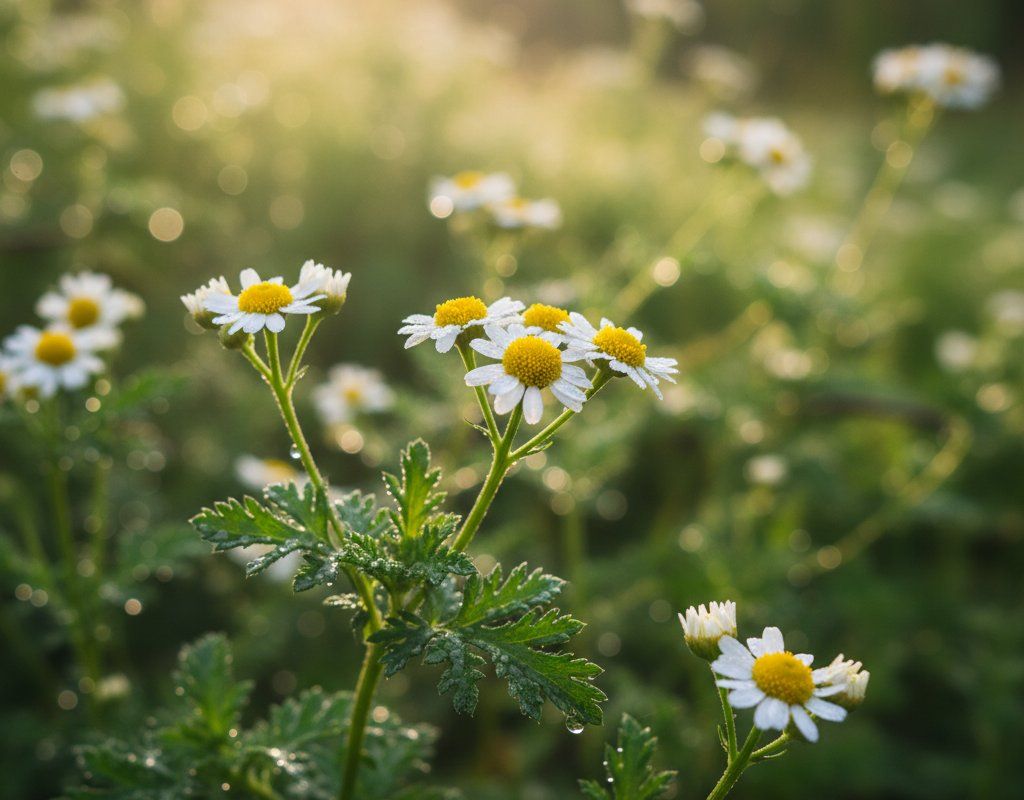
Feverfew in Zone 7B — Pacific Northwest
Tanacetum parthenium · Your Complete 2026 Planting Guide
Missed Seed Starting? No Problem!
Wait for starts to become available.
What to Do
Starts will be available at nurseries in 35 days (around April 8).
How to Plant Feverfew in Zone 7B — Pacific Northwest
Here are all your options for getting feverfew in the ground, from the easiest method to more advanced approaches.
Direct Sow Seeds
RecommendedMid April through early August
around April 15
Consider succession planting every 2-3 weeks for continuous harvest.
Start Seeds Indoors
RecommendedEarly to late February
around February 11
Then transplant: Early April through early May
Start seeds 8-10 weeks before transplanting outdoors.
Buy Starts
Works WellEarly April through early May
around April 8
Plant purchased starts after last frost (April 15).
Transplant Outdoors
Timing InfoEarly April through early May
around April 8
Can tolerate light frost, but wait for soil to be workable.
You have a nice window — no need to rush.
Overview
Feverfew is a delightful addition to any Pacific Northwest garden. Its cheerful, daisy-like flowers bring brightness to our gardens during the mild summers, and its herbal properties make it a versatile plant for teas and tinctures. Plus, it's a fantastic attractor of beneficial insects, which is always a win.
While our region presents challenges like cool soil in spring and the occasional bout of late blight, Feverfew is relatively unfazed. With a 193-day growing season in Zone 7B, you'll have plenty of time to enjoy its blooms from late June through early November.
Starting Seeds Indoors
Starting Feverfew indoors in early to late February gives you a head start, especially if you're aiming for earlier blooms. It's not strictly necessary, as direct sowing works well, but it can be helpful if you want more control over the plant's early growth.
Use seed trays with a good seed-starting mix, and keep them in a warm spot with plenty of light – a sunny windowsill or under grow lights works great. Bottom watering helps prevent damping-off, which can be a problem with our often overcast spring days. Just set the tray in a shallow dish of water and let the soil absorb it from the bottom.
Transplanting Outdoors
Transplant your Feverfew seedlings outdoors from early April through early May, once the danger of hard frost has passed. Before planting, harden them off by gradually exposing them to outdoor conditions for about a week. This helps them adjust to the cooler temperatures and stronger sunlight.
Space the plants 12-15 inches apart in a sunny or partially shaded spot. Keep an eye on the weather forecast – a late cold snap can still happen in early April, so be prepared to cover your young plants if needed.
Direct Sowing
Direct sowing Feverfew is a simple and effective method here in the Pacific Northwest. Sow seeds from mid April through early August. This allows you to take advantage of our long growing season. The soil needs to be workable and at least somewhat warmed up.
Prepare the soil by loosening it and removing any weeds. Scatter the seeds lightly over the surface and gently press them in. Keep the soil consistently moist until the seedlings emerge, which usually takes about a week or two. Thin the seedlings to 12-15 inches apart as they grow.
Watering Feverfew in Zone 7B (Pacific Northwest)
Once established, Feverfew is quite drought-tolerant and prefers well-drained soil, making it an easy, low-maintenance flower for our region. During our wet springs, you likely won't need to water at all. Let nature do its thing!
As the dry summer months approach, check the soil moisture regularly. Stick your finger about 2 inches deep – if it feels dry, it's time to water. Give them about an inch of water per week, focusing on the base of the plant to avoid wetting the foliage. This helps prevent fungal diseases that can sometimes pop up even in our dry summers.
Overwatering can lead to root rot, especially in our clay-heavy soils. Signs of overwatering include yellowing leaves and a generally droopy appearance. Underwatering will cause the leaves to wilt and the plant to look stressed. A layer of mulch around the base of the plants helps retain moisture and suppress weeds, which is always a bonus.
Pruning & Maintaining Feverfew
Deadheading Feverfew regularly encourages continuous blooming throughout the season. Simply snip off the spent flowers just below the flower head. This prevents the plant from putting energy into seed production and directs it towards producing more blooms.
After the main flush of flowering in late summer, you can cut the plant back by about a third to rejuvenate it. As the first frost approaches in late October, you can leave the remaining flower heads if you want the plant to self-seed, or cut it back completely for a tidier look. Be warned: Feverfew self-seeds aggressively!
🧪Fertilizing Feverfew
Feeding Schedule
Organic Fertilizer Options
Harvest Time
You can expect your first Feverfew harvest from late June through early November, about 70 days after sowing. The best time to harvest is when the small, daisy-like flowers are in full bloom. These blooms are not edible, but the leaves are traditionally used for herbal remedies.
To harvest the leaves, simply snip them off with scissors or pruners. Avoid taking too many leaves from any one plant at a time to ensure continued production. Feverfew doesn't ripen off the vine, so harvest when the leaves are at their peak.
As the weather cools and the first frost approaches in late October, you can continue to harvest leaves as long as they look healthy. After a hard frost, the plant will likely die back, but it will often return the following spring if you've allowed it to self-seed.
Common Problems in Zone 7B (Pacific Northwest)
Here are a few common problems you might encounter with Feverfew in the Pacific Northwest:
Self-seeds prolifically
- What it looks like: Tiny Feverfew seedlings popping up everywhere in your garden, even in places you didn't plant them.
- What causes it: Feverfew readily drops its seeds, and they germinate easily in our mild, moist climate.
- How to fix/prevent it: Deadhead flowers regularly to prevent seed formation. If you want to avoid self-seeding altogether, cut back the plants after flowering.
Aphids
- What it looks like: Clusters of tiny green, black, or white insects on stems and leaf undersides. Sticky honeydew residue. Curled or distorted new growth.
- What causes it: Aphids are rapid-reproducing sap-sucking insects that thrive in warm weather.
- How to fix/prevent it: A strong spray of water can knock them off. Encourage ladybugs and lacewings (natural predators). Use insecticidal soap for heavy infestations.
Leaf miners
- What it looks like: Squiggly, pale trails or blotches within the leaves.
- What causes it: Leaf miner larvae tunnel through the leaf tissue, feeding as they go.
- How to fix/prevent it: Remove and destroy affected leaves. Use row covers to prevent adult flies from laying eggs on the plants. Neem oil can also be effective.
Pacific Northwest Specific Challenges: Feverfew is generally well-suited to our climate, but the dry-summer humidity can occasionally lead to fungal issues if plants are overcrowded or not properly ventilated. Ensure good air circulation and avoid overhead watering to minimize these problems. Also, slugs can be a minor issue, especially with young plants, so use your preferred slug control method if needed.
Best Companions for Feverfew
Plant these nearby for healthier Feverfew and better harvests.
View Full Companion Planting Chart →
Companion Planting Details
Feverfew makes excellent companion plants for several garden vegetables and flowers.
Good companions:
- Tomatoes: Feverfew can help repel certain pests that attack tomatoes, such as aphids and whiteflies.
- Roses: Feverfew is believed to deter aphids that often plague roses.
- Herbs: Planting Feverfew near other herbs like rosemary and thyme can help attract beneficial insects that prey on common garden pests.
Bad companions:
- Avoid planting Feverfew near plants that are sensitive to its allelopathic properties. While not definitively proven, some gardeners believe it can inhibit the growth of certain plants.
🥬Best Vegetables to Pair With Feverfew
Feverfew benefits these vegetables through pest control, pollinator attraction, or improved garden health.





Get a Reminder When It's Time to Plant
We'll email you when key planting windows open for your zone.