
Spinach in Zone 7B — Pacific Northwest
Spinacia oleracea · Your Complete 2026 Planting Guide
Missed Seed Starting? No Problem!
Wait for starts to become available.
What to Do
Starts will be available at nurseries in 14 days (around March 18).
How to Plant Spinach in Zone 7B — Pacific Northwest
Here are all your options for getting spinach in the ground, from the easiest method to more advanced approaches.
Direct Sow Seeds
RecommendedEarly March through early September
around March 4
Consider succession planting every 2-3 weeks for continuous harvest.
Spinach loves cold soil. Direct sow as soon as ground can be worked.
Start Seeds Indoors
RecommendedMid February through early March
around February 18
Then transplant: Mid March through late April
Start seeds 4-6 weeks before transplanting outdoors.
Buy Starts
Works WellMid March through late April
around March 18
Plant purchased starts after last frost (April 15).
Transplant Outdoors
Timing InfoMid March through late April
around March 18
Can tolerate light frost, but wait for soil to be workable.
You have a nice window — no need to rush.
Fall Planting
Late August through late September
September 13 ideal · Direct sow for fall harvest
Plant a second crop in mid-summer for fall harvest. Spinach actually prefers the cooling temperatures of fall.
Overview
Spinach thrives in our Pacific Northwest climate, making it one of the easiest leafy greens to grow successfully in Zone 7B. Our mild summers and cool nights create perfect conditions for tender, sweet leaves that put grocery store spinach to shame. With our long 193-day growing season, you can enjoy fresh spinach from early spring through late fall – something that would be impossible in hotter regions where spinach bolts quickly.
While our wet springs and overcast days can slow initial growth, this actually works in spinach's favor since it's a cool-season crop that struggles in heat. The key is working with our climate patterns rather than against them, timing your plantings to take advantage of those cool, steady growing conditions that spinach loves.
Starting Seeds Indoors
Starting spinach indoors isn't the most common method, but it makes sense if you want an early head start during our slow Pacific Northwest springs. Sow seeds from mid-February through early March in seed trays, about 4 weeks before you plan to transplant outside. Spinach seeds germinate best in cool conditions (50-60°F), so you don't need a heat mat like you would for warm-season crops.
Use bottom watering to keep the soil evenly moist without disturbing the delicate seedlings. Our overcast spring days mean you'll likely need grow lights to prevent leggy growth. The main advantage of indoor starting here is getting around our cool, wet soil conditions in early spring.
Keep in mind that spinach doesn't love root disturbance, so use biodegradable pots or cell trays that minimize transplant shock. Direct sowing is often easier and just as effective in our climate.
Transplanting Outdoors
If you've started spinach indoors, transplant your seedlings from mid-March through late April, timing it for about 2-3 weeks before your last frost. Spinach is quite frost-hardy, so you don't need to wait for completely settled weather like you would with tomatoes or peppers.
Harden off your seedlings for about a week, gradually exposing them to our cool, often breezy spring conditions. Start with just a few hours outside and work up to full days. Space transplants 4-6 inches apart in rows or beds – closer spacing actually helps the plants support each other and creates a nice microclimate.
Our unpredictable spring weather swings can stress transplants, so have row cover ready for unexpected cold snaps or those rare warm spells that can shock cool-season seedlings. Plant on an overcast day if possible, which gives them time to establish before facing any sun stress.
Direct Sowing
Direct sowing is often the best method for spinach in our Pacific Northwest gardens. You can start sowing as early as early March when the soil can be worked, and continue through early September for fall crops. Spinach actually prefers cool soil and will germinate in temperatures as low as 35°F – perfect for our slow spring warming.
Prepare your beds by working in some compost, but don't worry if the soil is still quite cool. That's exactly what spinach wants. Sow seeds ¼ inch deep and space them about 2-3 inches apart, then thin to 4-6 inches once they're established. The seeds are small but handle our wet spring conditions better than many vegetables.
For continuous harvest, succession plant every 2-3 weeks through late spring and again from late summer into fall. Our mild autumn weather often produces the best spinach crops, with sweet, tender leaves that last well into November.
Watering Spinach in Zone 7B (Pacific Northwest)
Spinach needs consistent moisture but not waterlogged conditions – something that can be tricky during our wet Pacific Northwest springs and dry summers. During spring establishment, our natural rainfall often provides most of what your plants need, but check soil moisture regularly since overcast conditions can be deceiving.
Use the finger test: stick your finger 2 inches into the soil near the plants. If it's dry, it's time to water. During our dry summer months (typically July through September), you'll need to water more frequently – about 1 inch per week including any rainfall. Water at the base of plants rather than overhead to prevent foliar diseases in our humid morning conditions.
Morning watering works best in our climate, giving plants time to dry before the cool, damp nights that can encourage fungal issues. Spinach bolts quickly when stressed by heat and drought, so consistent watering is crucial during any warm spells, even though our "hot" days rarely exceed 82°F.
A 2-3 inch layer of organic mulch helps retain moisture and keeps roots cool during our mild summer heat. Straw or finely chopped leaves work well and break down gradually in our wet winter conditions.
🧪Fertilizing Spinach
Feeding Schedule
Organic Fertilizer Options
Harvest Time
You can start harvesting spinach leaves about 40 days after sowing, which means mid-April harvests for early spring plantings and continuous picking through early November for succession crops. Look for outer leaves that are 3-4 inches long and deep green – they'll be tender and mild at this size.
Harvest individual outer leaves by cutting or pinching them at the base, leaving the growing center intact for continued production. This "cut-and-come-again" method works perfectly in our cool climate where spinach doesn't rush to bolt. You can also cut the entire rosette about 1 inch above soil level, and many varieties will regrow for a second harvest.
Our long, mild fall often produces the sweetest spinach as cool nights concentrate sugars in the leaves. Keep harvesting regularly to encourage new growth – leaving leaves too long makes them tough and bitter. As our first frost approaches in late October, harvest becomes more urgent since damaged leaves deteriorate quickly.
Plan your final sowings for late August through late September to ensure mature plants before winter weather sets in, though spinach can often survive our mild Zone 7B winters with some protection.
Common Problems in Zone 7B (Pacific Northwest)
Bolting Spinach sends up a tall flower stalk and leaves become bitter and tough when plants bolt. You'll see the center start to elongate and develop a pointed appearance before the actual flower stalk emerges. In our Pacific Northwest climate, bolting is usually triggered by the longer days of late spring combined with any heat stress, even our mild 80°F days.
Plant bolt-resistant varieties and time sowings to avoid the longest days (late May through July). Our cool nights help, but provide afternoon shade during warm spells. Keep soil consistently moist since drought stress triggers bolting faster than heat alone. Succession planting every 2-3 weeks gives you continuous harvest before any single planting bolts.
Downy Mildew This shows up as yellow patches on leaf tops with fuzzy gray-purple growth on the undersides, eventually causing leaves to brown and die from the bottom up. Our wet springs and cool, humid mornings create perfect conditions for this fungal disease to spread via wind-carried spores.
Remove affected leaves immediately and improve air circulation by proper spacing. Always water at the base rather than overhead – crucial in our humid climate. Consider copper-based fungicides as prevention if you've had problems before. Plant resistant varieties when available and avoid working in the garden when leaves are wet from morning dew or rain.
Leaf Miners These show up as squiggly white tunnels or trails through the leaves where tiny larvae have eaten their way between the leaf surfaces. The damage is mostly cosmetic but can weaken plants and create entry points for other problems.
Row covers during peak adult fly activity (spring and fall) prevent egg-laying. Remove affected leaves promptly and destroy them rather than composting. Yellow sticky traps can help monitor and reduce adult populations. Our cool springs sometimes slow their development, giving plants a better start.
Pacific Northwest Specific Challenges Our region's combination of wet springs and dry summers means balancing moisture carefully – too much early moisture encourages fungal problems, while summer drought stress leads to premature bolting. The mild temperatures that make spinach growing possible here also create ideal conditions for slugs, so use organic slug bait or beer traps around young plants, especially during wet spring weather.
Best Companions for Spinach
Plant these nearby for healthier Spinach and better harvests.

Keep Away From
Companion Planting Details
Spinach pairs beautifully with strawberries in Pacific Northwest gardens – the spinach provides living mulch that helps retain moisture during our dry summers, while the strawberry plants offer light shade that helps prevent bolting. Peas and beans make excellent companions since they fix nitrogen that feeds the spinach, and their similar cool-weather preferences work well with our spring growing conditions.
Brassicas like lettuce, kale, and radishes grow well alongside spinach since they share similar soil and water needs. This makes crop rotation planning easier and allows you to create dedicated cool-season beds that take advantage of our excellent growing conditions for these crops. There aren't any significant plants to avoid with spinach – it's one of the most agreeable vegetables in the garden, much like our mild Pacific Northwest climate itself.
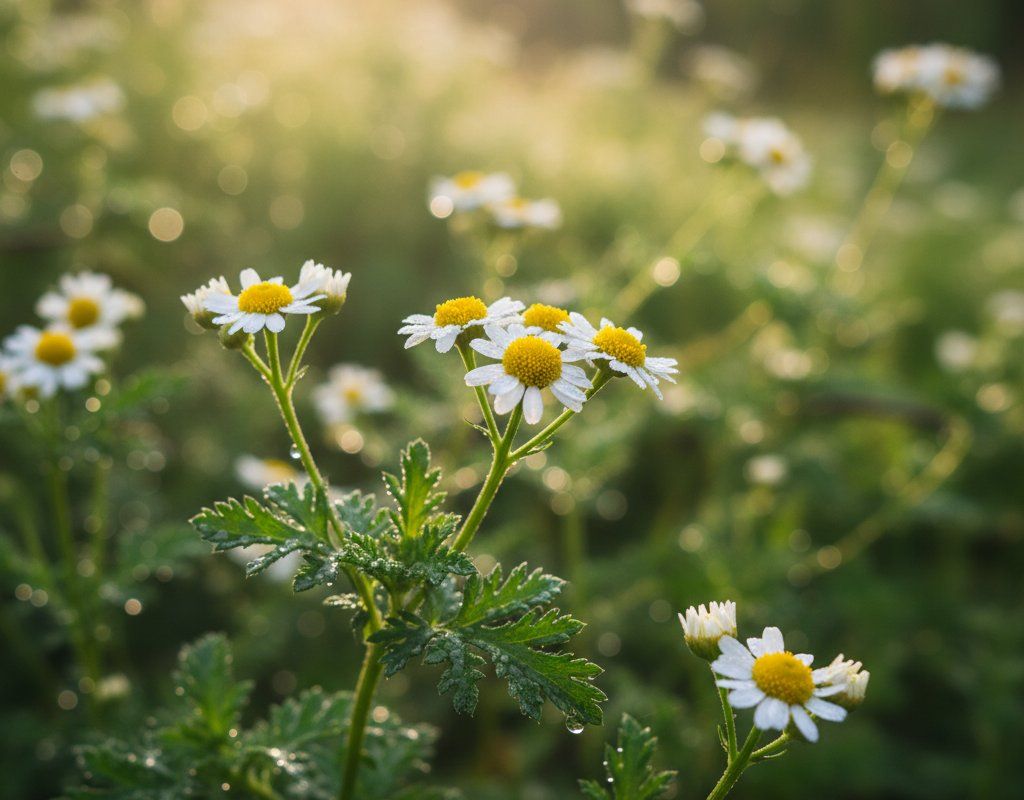
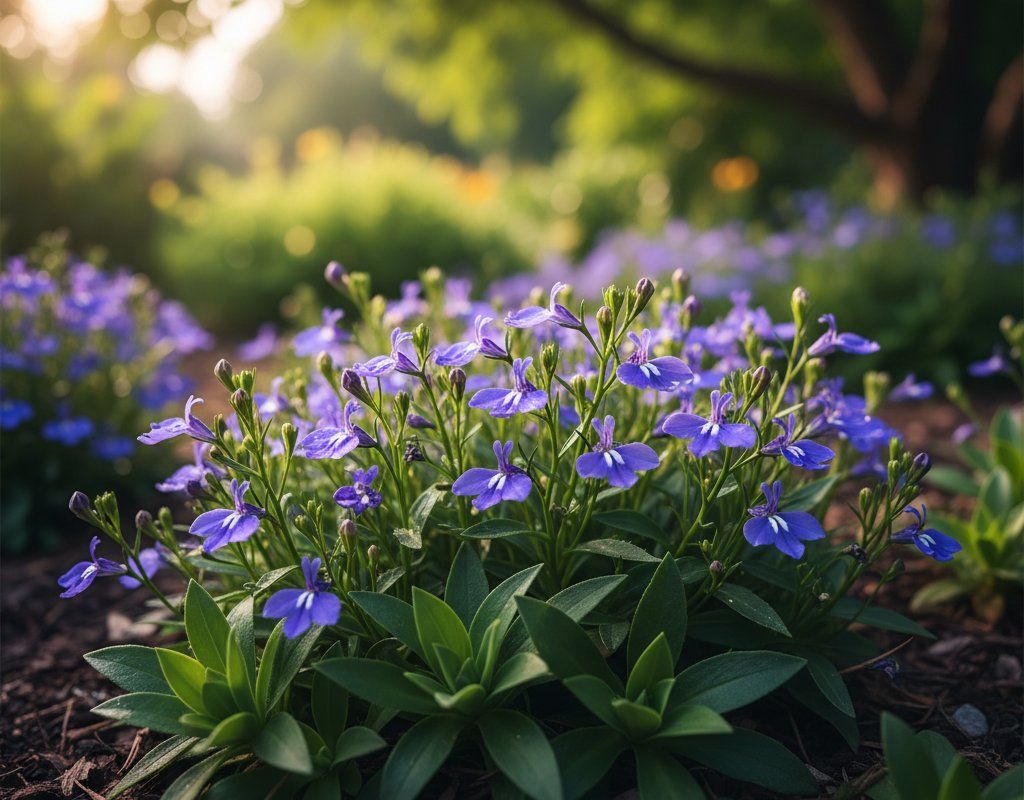
🌸Best Flowers to Plant with Spinach
These flowers protect your Spinach from pests and attract pollinators for better harvests.
For Pest Control



Get a Reminder When It's Time to Plant
We'll email you when key planting windows open for your zone.