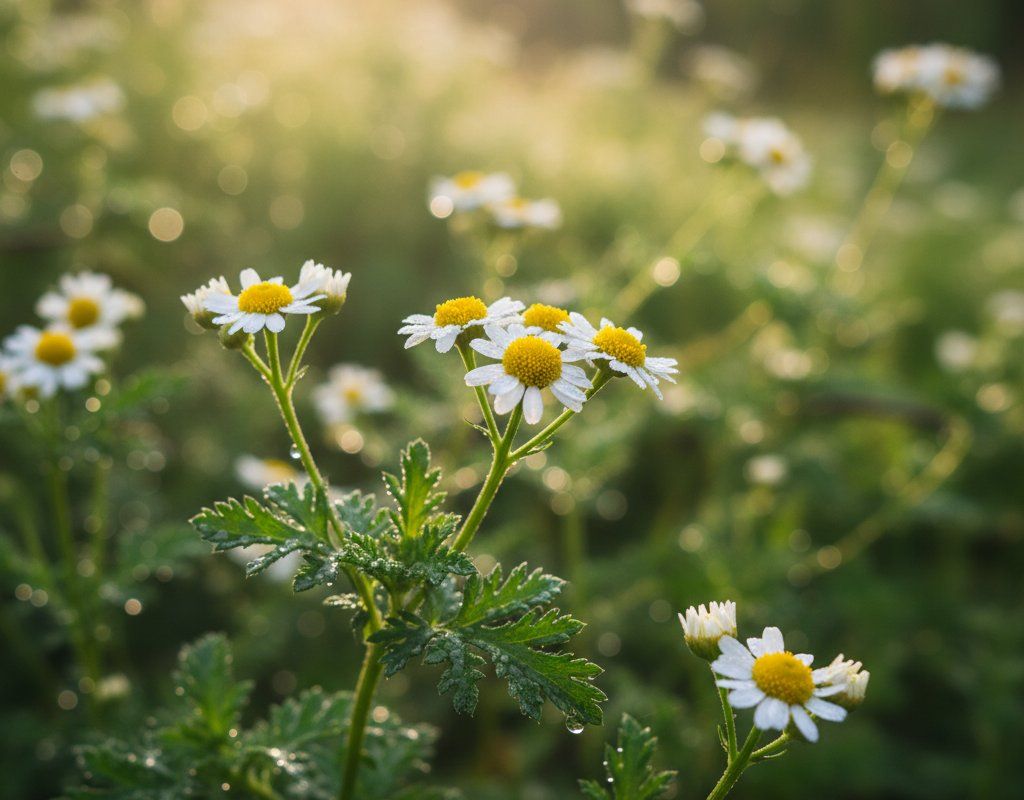
Feverfew in Zone 8B — Pacific Northwest
Tanacetum parthenium · Your Complete 2026 Planting Guide
Missed Seed Starting? No Problem!
Wait for starts to become available.
What to Do
Starts will be available at nurseries in 25 days (around March 29).
How to Plant Feverfew in Zone 8B — Pacific Northwest
Here are all your options for getting feverfew in the ground, from the easiest method to more advanced approaches.
Direct Sow Seeds
RecommendedEarly April through early August
around April 5
Consider succession planting every 2-3 weeks for continuous harvest.
Start Seeds Indoors
RecommendedLate January through mid February
around February 1
Then transplant: Late March through late April
Start seeds 8-10 weeks before transplanting outdoors.
Buy Starts
Works WellLate March through late April
around March 29
Plant purchased starts after last frost (April 5).
Transplant Outdoors
Timing InfoLate March through late April
around March 29
Can tolerate light frost, but wait for soil to be workable.
You have a nice window — no need to rush.
Overview
Feverfew is a fantastic addition to any Pacific Northwest garden. Its cheerful, daisy-like flowers bring a bright pop of color to your borders, and the plant itself is known for its medicinal properties. Plus, those cool summer nights we enjoy here seem to enhance its fragrance, making it a truly sensory delight.
Our wet springs and mild summers can sometimes be tricky, but Feverfew is surprisingly adaptable. The 210-day growing season in our region gives you plenty of time to get a good harvest, whether you choose to start seeds indoors or direct sow.
Starting Seeds Indoors
Starting Feverfew indoors isn't essential, but it can give you a head start, especially if you're eager to see blooms as early as possible. Begin sowing seeds indoors from late January through mid February, about eight weeks before our typical last frost. Use seed trays with a good seed-starting mix, and provide consistent warmth and bright light.
Bottom watering is a great way to keep the soil consistently moist without disturbing the delicate seedlings. Because our springs here in the PNW can be slow to warm up, starting indoors ensures your Feverfew gets established before being exposed to our overcast spring days.
Transplanting Outdoors
Transplanting Feverfew outdoors is best done in late March through late April, after the risk of any hard frosts has passed. Before moving your seedlings outside permanently, harden them off for about a week. Gradually expose them to increasing amounts of outdoor sunlight and wind.
Space your Feverfew plants about 12-15 inches apart to allow for good air circulation. Keep an eye on the weather forecast – a late cold snap can happen, even this late in the season.
Direct Sowing
Direct sowing Feverfew is a straightforward option, especially if you prefer a more hands-off approach. Sow seeds directly into your garden beds from early April through early August. Feverfew seeds need light to germinate, so just press them lightly into the soil.
Make sure the soil is consistently moist until the seedlings emerge. While direct sowing is easy, starting indoors gives you more control over the early stages of growth, and can result in earlier blooms.
Watering Feverfew in Zone 8B (Pacific Northwest)
Feverfew is wonderfully low-maintenance when it comes to watering, making it an ideal choice for our Pacific Northwest gardens. Once established, it's quite drought-tolerant. However, getting the watering right in the beginning is key.
During our wet springs, you might not need to water at all, relying instead on natural rainfall. Once the dry summer months arrive, check the soil moisture regularly. Stick your finger about two inches deep; if the soil feels dry, it's time to water. Aim for about an inch of water per week, delivered at the base of the plant to avoid wetting the foliage. Overwatering is a bigger concern than underwatering, especially in our region where well-drained soil is crucial. Yellowing leaves are a sign of overwatering, while wilting indicates underwatering. Mulching around your Feverfew plants with compost or bark helps retain moisture and suppress weeds, which is especially helpful during our dry-summer periods.
Pruning & Maintaining Feverfew
Pruning Feverfew is simple and helps encourage continuous blooming throughout the season. The key is deadheading – removing spent flowers as soon as they start to fade. This prevents the plant from putting energy into seed production and encourages it to produce more blooms.
Throughout the growing season, snip off the flower heads just below the flower. After the first flush of blooms is finished, usually by late summer, you can cut the plant back by about half to encourage a second flush of flowers. As our first frost approaches around early November, you can leave the remaining flower heads to self-seed if you want more plants next year.
🧪Fertilizing Feverfew
Feeding Schedule
Organic Fertilizer Options
Harvest Time
You can expect your first Feverfew harvest from mid June through early November, about 70 days after planting. The best time to harvest is when the small, daisy-like flowers are in full bloom. This is when the plant's medicinal properties are at their peak.
To harvest, simply snip off the stems just below the flower heads. For continuous production, harvest regularly throughout the season. As our first frost approaches in early November, you can harvest the remaining flowers to dry for later use.
Common Problems in Zone 8B (Pacific Northwest)
Here are a few potential problems you might encounter with Feverfew in the Pacific Northwest:
Self-seeds Prolifically
- What it looks like: Numerous Feverfew seedlings popping up in unwanted areas of your garden.
- What causes it: Allowing the flowers to go to seed. Feverfew is a vigorous self-seeder, and the seeds can spread easily.
- How to fix/prevent it: Deadhead regularly to prevent seed formation. If you want to allow some self-seeding, be prepared to thin out the seedlings in the spring.
Aphids
- What it looks like: Clusters of tiny soft-bodied insects (green, black, or white) on stems and leaf undersides. Sticky honeydew residue. Curled or distorted new growth.
- What causes it: Rapid-reproducing sap-sucking insects. Populations explode in warm weather. Ant colonies may farm them for honeydew.
- How to fix/prevent it: Strong water spray knocks them off. Encourage ladybugs and lacewings (natural predators). Insecticidal soap for heavy infestations. Neem oil works systemically. Avoid excess nitrogen fertilizer (it attracts them).
Leaf Miners
- What it looks like: Pale, winding trails or blotches within the leaves.
- What causes it: The larvae of small flies that tunnel inside the leaves to feed.
- How to fix/prevent it: Remove and destroy affected leaves. Cover plants with row covers to prevent adult flies from laying eggs. Insecticidal soap or neem oil can also be effective.
Pacific Northwest Specific Challenges: The mild heat and dry-summer rainfall in our region generally favor Feverfew, but late blight can still be a concern if conditions are overly wet. Ensure good air circulation and avoid overhead watering to minimize the risk. Slugs can also be a problem, especially for young seedlings, so use your preferred slug control methods.
Best Companions for Feverfew
Plant these nearby for healthier Feverfew and better harvests.
View Full Companion Planting Chart →
Companion Planting Details
Feverfew makes a great companion plant for several vegetables and flowers in the Pacific Northwest. Planting it near tomatoes can help repel certain pests, as Feverfew's scent can deter them. Roses also benefit from Feverfew planted nearby, as it can attract beneficial insects that prey on aphids. Herbs like rosemary and thyme are also good companions, as they share similar growing requirements and can create a diverse and healthy garden ecosystem. Avoid planting Feverfew near plants that require consistently moist soil, as its drought-tolerant nature means it prefers drier conditions.
🥬Best Vegetables to Pair With Feverfew
Feverfew benefits these vegetables through pest control, pollinator attraction, or improved garden health.





Get a Reminder When It's Time to Plant
We'll email you when key planting windows open for your zone.