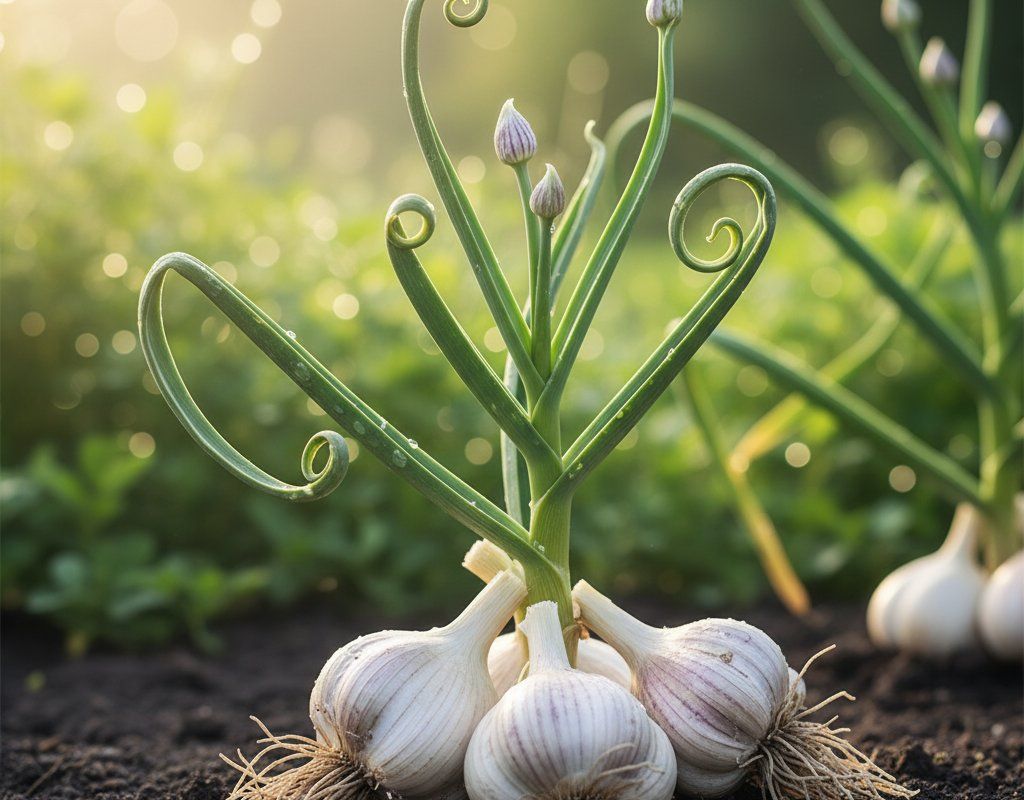
Garlic in Zone 3B — Midwest
Allium sativum · Your Complete 2026 Planting Guide
Too Late for Garlic
Not enough growing season left (need 254 days, only 195 remain)
📊 See the math
How to Plant Garlic in Zone 3B — Midwest
Here are all your options for getting garlic in the ground, from the easiest method to more advanced approaches.
Direct Sow Seeds
RecommendedDirect sowing is not typical for Garlic.
Plant cloves directly in fall, 4-6 weeks before ground freezes. Harvests the following summer.
Buy Starts
Works WellMid August through early September
around August 13
Plant purchased starts after last frost (May 20).
Start Seeds Indoors
ChallengingThis plant is typically not started indoors.
Transplant Outdoors
Timing InfoMid August through early September
around August 13
Can tolerate light frost, but wait for soil to be workable.
Plan to transplant within a few weeks of your target date.
Overview
Garlic thrives in our Midwest Zone 3B climate, giving you restaurant-quality bulbs that blow away anything from the grocery store. Our fertile soil and consistent spring moisture create perfect conditions for developing those complex, sharp flavors that make your cooking sing. Plus, there's something deeply satisfying about harvesting your own garlic after nearly eight months of growth — it's like unwrapping a present you planted for yourself.
While our cold winters and variable spring weather might seem challenging for garlic growing, the timing actually works in your favor. You'll plant in late summer when conditions are still pleasant, let our harsh winter do the work of vernalizing the bulbs, then watch them take off as spring arrives. With our 118-day growing season and predictable frost dates, you've got a reliable window to grow this cold-loving crop successfully.
Transplanting Outdoors
In the Midwest, you'll want to get your garlic cloves in the ground between mid-August through early September, well before our first frost hits in mid-September. This timing gives the cloves enough time to establish strong roots before winter sets in, but not so early that they'll start sending up green shoots during warm fall weather. Wait too long, and you risk the bulbs not getting the cold treatment they need to form properly.
Since you're direct-sowing garlic rather than transplanting seedlings, you'll skip the hardening off process entirely. Instead, focus on soil preparation — work some compost into your planting area if you're dealing with heavy clay soil, which is common here. Plant your cloves pointed end up, about 4-6 inches apart and 2 inches deep. The September weather is usually mild enough that you won't need to worry about protecting newly planted cloves from heat stress.
Choose a spot with full sun that doesn't get waterlogged during our spring thaw. Good drainage is crucial since garlic will sit in the ground through our wet spring months and potentially soggy clay soil conditions.
Watering Garlic in Zone 3B (Midwest)
Garlic needs consistent moisture during its spring growth phase, but our Midwest climate does most of the watering work for you. With 30-40 inches of annual rainfall and typically wet spring conditions, you'll rarely need to supplement natural precipitation during April and May when your garlic is actively growing. Check soil moisture by sticking your finger 2 inches down — if it's dry at that depth, it's time to water.
During those occasional dry spells in late spring, give your garlic about 1 inch of water per week, applied slowly at the base of the plants. Avoid overhead watering in our moderate-to-humid climate since wet foliage combined with warm temperatures can encourage rust and other fungal problems. Water deeply but less frequently to encourage the roots to grow down into our naturally fertile soil.
As summer arrives and lower leaves start browning (usually late May through early June), gradually reduce watering. Stop watering entirely 2-3 weeks before harvest when about a third of the leaves have turned brown. This drying period helps the bulbs cure properly and prevents rot during storage.
A 2-inch layer of straw mulch helps regulate soil moisture through our variable spring weather and keeps weeds down during the long growing season. Just pull the mulch back slightly in early spring so the soil can warm up faster after our cold winter.
Pruning & Maintaining Garlic
Garlic needs minimal pruning, but hardneck varieties will send up curly flower stalks called scapes in late May or early June. Cut these off as soon as they appear and start to curl — this redirects the plant's energy back into bulb development instead of flower production. Don't toss those scapes; they're delicious sautéed or grilled and have a mild garlic flavor that's perfect for early summer cooking.
Leave all the foliage alone until it naturally starts browning from the bottom up. Those leaves are photosynthesis factories feeding the developing bulb underground. Only remove leaves that are completely yellow or brown, and avoid working among the plants when they're wet from dew or rain to prevent spreading diseases.
As our first frost approaches in mid-September, any remaining green foliage will die back naturally. Don't cut anything at this point — let the plant finish its natural cycle and focus on proper harvest timing instead.
🧪Fertilizing Garlic
Feeding Schedule
Organic Fertilizer Options
Harvest Time
Your garlic will be ready for harvest somewhere between early April through late May, depending on when you planted and what variety you're growing. After 240 days in the ground, start checking your bulbs when the lower third of the leaves have turned brown but the upper leaves are still green. This is your harvest window — wait too long and the bulb wrapper may split, reducing storage life.
Harvest on a dry day by carefully digging bulbs with a fork, starting about 6 inches away from the plant to avoid nicking the bulbs. Brush off excess soil but don't wash them or remove the papery outer layers. The roots can stay attached for now.
Cure your harvested garlic in a dry, airy space out of direct sunlight for 2-4 weeks. A garage, covered porch, or basement with good airflow works well. Once the outer wrapper is papery and the neck feels completely dry, you can trim the roots and cut the stems to about an inch above the bulb for storage.
Since our first frost typically hits in mid-September, you'll have your garlic safely harvested and curing long before you need to worry about protecting other tender crops from cold weather.
Common Problems in Zone 3B (Midwest)
White Rot White rot shows up as yellowing and dying foliage, often starting with the outer leaves first. If you dig up an affected bulb, you'll see white, fluffy fungal growth around the base and roots, sometimes with small black structures that look like poppy seeds. This soil-borne fungus thrives in our cool, moist spring conditions and can persist in the soil for years. Prevent white rot by rotating your garlic to different beds each year and avoiding overwatering. If you spot it, remove affected plants immediately and don't compost them.
Rust Look for rusty orange, yellow, or brown pustules on the undersides of leaves, with corresponding yellow spots on the top surfaces. Leaves may yellow and drop prematurely, weakening bulb development. Our moderate-to-humid summers with frequent morning dew create perfect conditions for rust fungi to spread. Remove affected leaves as soon as you spot them, avoid overhead watering, and space plants properly for good air circulation. Working among wet plants spreads the spores, so wait until foliage dries after rain or dew.
Bulb Mites These tiny pests feed on garlic bulbs both in storage and in the ground, creating soft, rotten spots that often lead to secondary bacterial infections. You might notice stunted growth or yellowing plants during the growing season. Mites thrive in our humid conditions and can be brought in on infected planting stock. Always source clean seed garlic from reputable suppliers and inspect bulbs carefully before planting. Proper soil drainage and avoiding overwatering help prevent the moist conditions these pests prefer.
Midwest Specific Challenges: Our moderate-to-hot summers and moderate-to-humid conditions, combined with wet-summer rainfall patterns, create an environment where fungal diseases can flourish if air circulation is poor. The key is balancing adequate moisture during spring growth with proper spacing and avoiding overhead watering during humid weather.
Best Companions for Garlic
Plant these nearby for healthier Garlic and better harvests.
Keep Away From
Companion Planting Details
Garlic makes an excellent companion for tomatoes, peppers, and brassicas in your Midwest garden. Plant garlic around your tomato and pepper beds — it helps deter aphids and other soft-bodied pests while the strong scent may confuse pest insects looking for their favorite plants. The timing works perfectly since you'll harvest garlic in late spring, just as you're planting out your warm-season crops after our Memorial Day frost-free date.
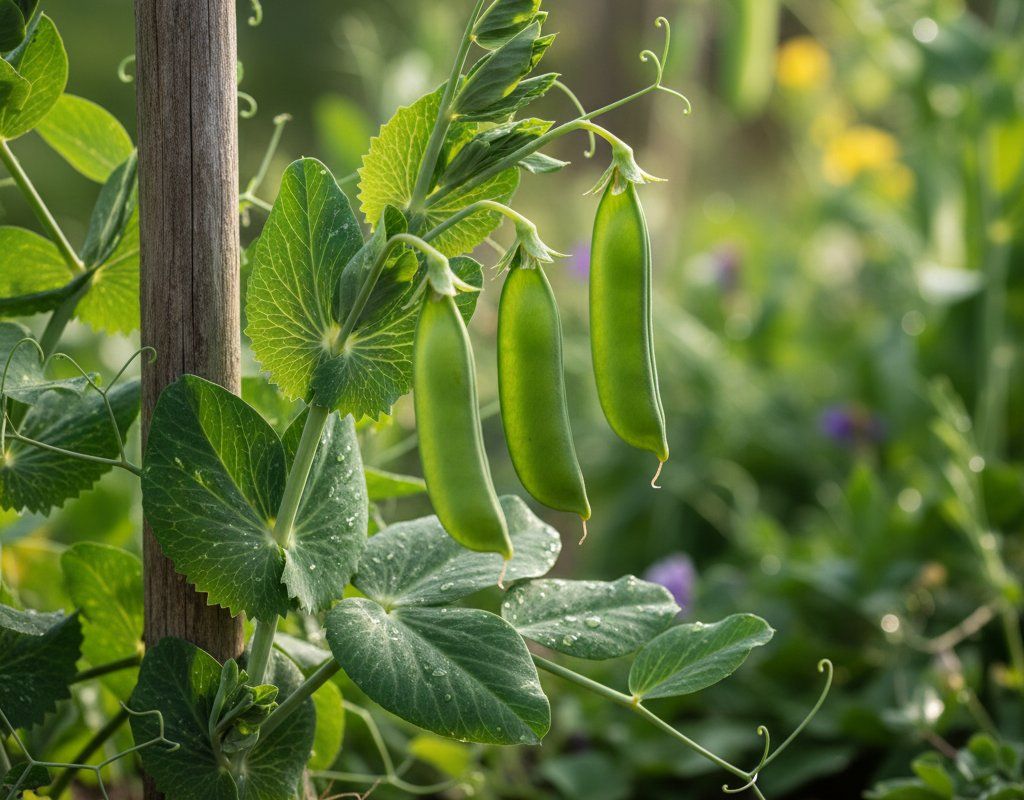
Brassicas like cabbage, broccoli, and kale benefit from garlic's pest-deterrent properties, and since both are cool-season crops, they share similar growing requirements. Many gardeners also plant garlic near roses, as it may help reduce aphid populations and certain fungal problems. Avoid planting garlic near beans and peas — garlic can inhibit their growth, and legumes prefer different soil conditions than what garlic thrives in. The nitrogen-fixing bacteria that benefit legumes don't play well with garlic's sulfur compounds.
🌸Best Flowers to Plant with Garlic
These flowers protect your Garlic from pests and attract pollinators for better harvests.
For Pest Control

Get a Reminder When It's Time to Plant
We'll email you when key planting windows open for your zone.