
Garlic in Zone 4B — Midwest
Allium sativum · Your Complete 2026 Planting Guide
Too Late for Garlic
Not enough growing season left (need 254 days, only 205 remain)
📊 See the math
How to Plant Garlic in Zone 4B — Midwest
Here are all your options for getting garlic in the ground, from the easiest method to more advanced approaches.
Direct Sow Seeds
RecommendedDirect sowing is not typical for Garlic.
Plant cloves directly in fall, 4-6 weeks before ground freezes. Harvests the following summer.
Buy Starts
Works WellEarly to late August
around August 3
Plant purchased starts after last frost (May 10).
Start Seeds Indoors
ChallengingThis plant is typically not started indoors.
Transplant Outdoors
Timing InfoEarly to late August
around August 3
Can tolerate light frost, but wait for soil to be workable.
Plan to transplant within a few weeks of your target date.
Overview
Growing garlic in our Zone 4B Midwest gardens is one of those satisfying projects that connects you to centuries of gardening tradition. Here in the fertile soil of the Midwest, garlic develops those complex, robust flavors that make store-bought bulbs pale in comparison. Our cold winters actually work in garlic's favor, providing the essential vernalization period that hardneck varieties need to form proper bulbs.
Don't let the long growing cycle intimidate you – garlic is surprisingly forgiving once you understand our Midwest timing. Yes, we face variable spring weather and those occasional late cold snaps, but garlic is tough enough to handle our climate swings. With our 138-day growing season and adequate rainfall, you'll have everything garlic needs to thrive from fall planting through summer harvest.
Transplanting Outdoors
Actually, garlic isn't transplanted in the traditional sense – you're planting individual cloves directly in the garden. The best window for planting garlic cloves in our Midwest gardens falls between early and late August, giving the bulbs time to establish roots before winter sets in.
Plant your cloves pointed end up, spacing them 4-6 inches apart in well-draining soil. Our fertile Midwest soil is perfect for garlic, but if you're dealing with heavy clay, work in some compost to improve drainage. The August planting timing works well because soil temperatures have cooled from summer heat but there's still enough warmth for root development.
Skip the hardening off process – garlic cloves go straight into the ground. Just make sure you're planting during a stretch of mild weather rather than during one of those late-summer heat spells that can stress newly planted cloves.
Watering Garlic in Zone 4B (Midwest)
Garlic has moderate water needs that align well with our typical Midwest rainfall patterns. During spring growth, when those green shoots are pushing up through the soil, garlic needs consistent moisture – about 1 inch per week including rainfall. Our wet summers usually provide this naturally, but keep an eye on dry spells.
Use the finger test to check soil moisture: stick your finger 2 inches deep near the plants. If it feels dry at that depth, it's time to water. Water at the base of the plants rather than overhead, especially during our humid summer weather when wet foliage can encourage fungal problems. Our moderate-to-humid conditions mean garlic leaves stay wet longer after watering, so morning watering is best.
The key timing shift comes in late spring when the lower leaves start browning – this signals the bulbs are nearly mature. Stop watering 2-3 weeks before harvest to prevent bulb rot and improve storage quality. This usually coincides nicely with our typical summer rainfall patterns.
A light layer of straw mulch helps retain moisture during dry periods and keeps weeds down. In our clay-heavy soils, mulch also prevents surface crusting after heavy rains.
Pruning & Maintaining Garlic
Garlic requires minimal pruning, but there's one important task for hardneck varieties: cutting the scapes. These curly flower stalks emerge in late spring and should be snapped or cut off when they're young and tender. This redirects the plant's energy from flower production back into bulb development.
Don't toss those scapes – they're delicious! Use them like green onions in stir-fries, soups, or pesto. Harvest them when they're still curled and before the flower bud opens for the best flavor and texture.
Leave the foliage alone until harvest time. Those leaves are feeding the developing bulb underground, so resist the urge to trim them even if they start looking a bit ratty. As our first frost approaches in late September, any remaining green growth will naturally die back, signaling it's time for final harvest if you haven't already pulled your bulbs.
🧪Fertilizing Garlic
Feeding Schedule
Organic Fertilizer Options
Harvest Time
Your garlic will be ready for harvest sometime between late March and mid-May, depending on the variety and our spring weather patterns. The key is watching the foliage rather than the calendar – harvest when the lower third of the leaves have turned brown but the upper leaves are still green.
Carefully dig bulbs with a garden fork, working from the side to avoid piercing them. Brush off excess soil but don't wash the bulbs – wet garlic is more prone to rot during curing. If you accidentally nick a bulb during harvest, use it fresh rather than storing it.
Cure your garlic in a dry, airy space for 2-4 weeks before storing. A covered porch or garage with good air circulation works well. Once the outer papery layers are dry and the stems have shrunk, trim the roots and cut stems to about an inch above the bulb for storage.
Don't wait too long to harvest – overripe garlic cloves start separating and won't store well. With our variable spring weather, check your garlic regularly once you see those first brown leaves appearing.
Common Problems in Zone 4B (Midwest)
White Rot White rot appears as yellowing and wilting leaves, often starting from the outside of the plant inward. You'll see fluffy white fungal growth around the base of the bulb, along with small black sclerotia (fungal resting structures) that look like poppy seeds. This soil-borne disease thrives in our cool, wet spring conditions and can persist in the soil for years. Prevent white rot by rotating garlic to different areas of your garden and avoiding overwatering. There's no cure once plants are infected – remove and destroy affected plants immediately.
Rust Rust shows up as rusty orange, yellow, or brown pustules on leaves and stems, mostly on the undersides. Leaves yellow and drop prematurely, weakening bulb development. Our warm, humid summer conditions with frequent rain create perfect conditions for rust spores to spread. Remove affected leaves immediately and avoid overhead watering. Improve air circulation around plants and apply sulfur-based fungicide if the problem persists. Don't work among wet plants, as you'll spread spores on your tools and clothes.
Bulb Mites These tiny white mites feed on garlic bulbs, creating brown, corky areas that often lead to secondary bacterial infections. You might notice stunted growth or premature yellowing of foliage. Bulb mites thrive in our heavy clay soils when drainage is poor. Improve soil drainage with compost and avoid planting in areas that stay wet. Rotate crops and destroy infected bulbs rather than composting them.
Midwest Specific Challenges: Our moderate-to-humid summers and wet-summer rainfall pattern mean garlic diseases spread more easily here than in drier climates. The key is managing moisture – water at soil level, ensure good drainage, and provide adequate spacing for air circulation around plants.
Best Companions for Garlic
Plant these nearby for healthier Garlic and better harvests.
Keep Away From
Companion Planting Details
Garlic makes an excellent companion for tomatoes, peppers, and other members of the nightshade family. The sulfur compounds in garlic naturally repel many common pests, including aphids and spider mites that plague these crops during our hot summer spells. Plant garlic cloves around your tomato plants in late summer – they'll be ready to harvest just as you're setting out your tomato transplants in late May.
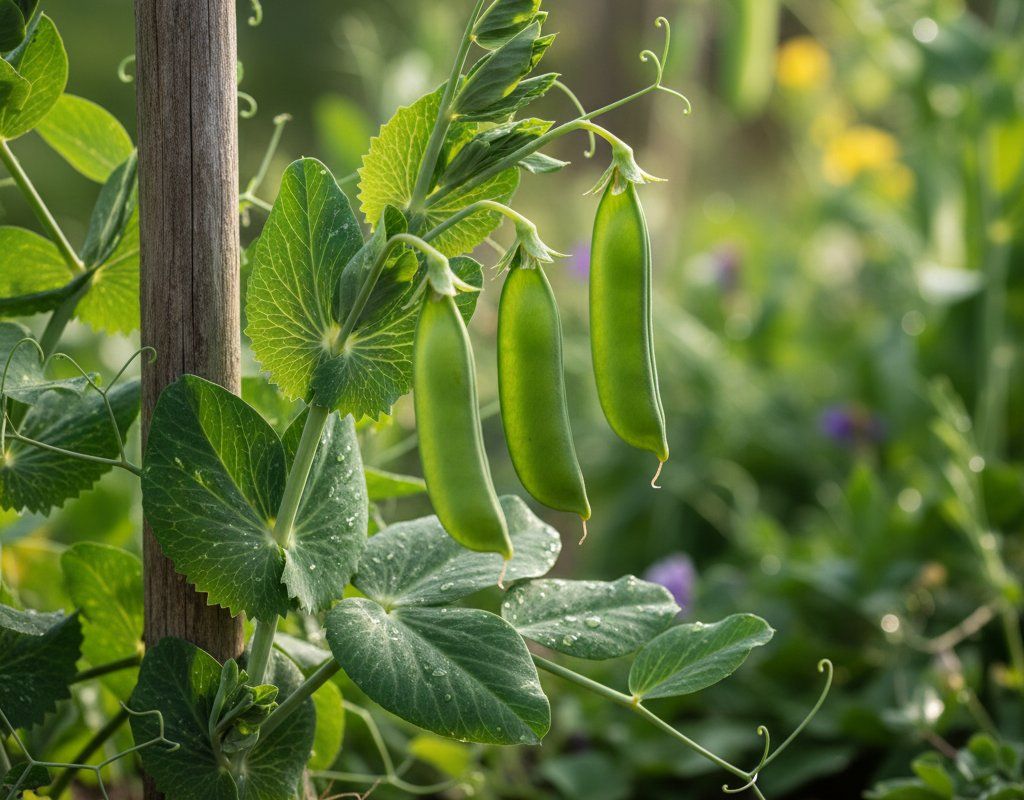
Brassicas like cabbage, broccoli, and kale also benefit from garlic's pest-deterrent properties, and both crops appreciate similar soil conditions in our fertile Midwest gardens. Roses are another classic garlic companion – the aromatic compounds help ward off aphids and other rose pests. Avoid planting garlic near beans and peas, as garlic can inhibit the nitrogen-fixing bacteria these legumes rely on, reducing their productivity in our naturally fertile soils.
🌸Best Flowers to Plant with Garlic
These flowers protect your Garlic from pests and attract pollinators for better harvests.
For Pest Control
Get a Reminder When It's Time to Plant
We'll email you when key planting windows open for your zone.