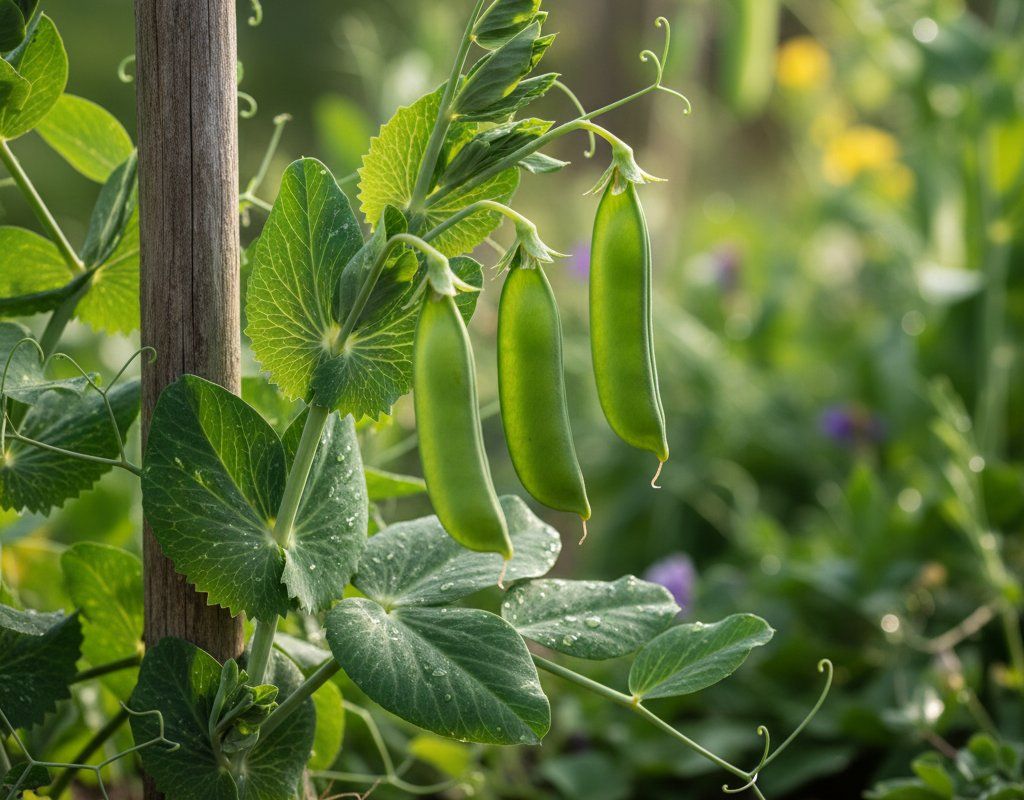
Peas in Zone 4B — Midwest
Pisum sativum · Your Complete 2026 Planting Guide
Planning Ahead — Great!
You’re ahead of the season. Here’s when to start.
Mark Your Calendar
How to Plant Peas in Zone 4B — Midwest
Here are all your options for getting peas in the ground, from the easiest method to more advanced approaches.
Direct Sow Seeds
RecommendedLate March through mid July
around March 29
Consider succession planting every 2-3 weeks for continuous harvest.
Peas prefer cool soil and don't transplant well. Direct sow in early spring.
Buy Starts
Works WellMid April through early May
around April 12
Plant purchased starts after last frost (May 10).
Start Seeds Indoors
ChallengingThis plant is typically not started indoors.
Transplant Outdoors
Timing InfoMid April through early May
around April 12
Can tolerate light frost, but wait for soil to be workable.
You have a nice window — no need to rush.
Fall Planting
Early July through early August
July 24 ideal · Direct sow for fall harvest
Plant a second crop in mid-summer for fall harvest. Peas actually prefers the cooling temperatures of fall.
Overview
Peas are one of the most rewarding crops you can grow in our Zone 4B Midwest climate. These hardy legumes love our cool, moist springs and actually thrive in conditions that would stress warm-season crops. You'll taste the difference immediately – garden-fresh peas are incredibly sweet and crisp, nothing like the starchy store-bought versions that have traveled hundreds of miles. Plus, peas fix nitrogen in the soil, naturally fertilizing your garden for the crops that follow.
Our variable spring weather might seem challenging, but peas actually handle those temperature swings better than most vegetables. With our 138-day growing season, you have plenty of time for both spring and fall crops. The key is working with our Midwest weather patterns rather than fighting them – plant when the soil is workable, and these frost-hardy vegetables will reward you with harvests from late spring through early fall.
Transplanting Outdoors
While you can transplant peas, it's rarely the best choice for our Midwest gardens. Peas develop long taproots that don't appreciate being disturbed, and direct sowing gives much better results in our fertile soil.
If you do choose to transplant, wait until mid April through early May when soil temperatures have stabilized above 45°F. Harden off your transplants gradually over a week, starting with just 2-3 hours outside and building up to full days. Our spring weather can shift quickly from warm to cold, so keep transplants covered during unexpected cold snaps.
Space transplants 2-4 inches apart in rows. Handle the root ball gently and plant at the same depth they were growing in their containers. Water thoroughly after transplanting and watch for signs of transplant shock, which peas are particularly prone to experiencing.
Direct Sowing
Direct sowing is absolutely the way to go with peas in our Midwest gardens. You can start sowing from late March through mid July, as soon as you can work the soil in spring. Peas actually prefer cool soil – around 45-65°F – so don't wait for warm weather like you would with beans or corn.
Prepare your planting area by working some compost into our typically fertile soil, but avoid fresh manure which can cause too much leaf growth at the expense of pods. Plant seeds 2-4 inches apart and about 1-2 inches deep. In our clay-heavy soils, consider adding some sand or compost to improve drainage, as peas don't tolerate waterlogged conditions.
The beauty of direct sowing peas is that they germinate quickly in cool conditions and establish strong root systems right where they'll grow. For succession planting, sow new rows every 2-3 weeks through mid-July to extend your harvest season well into fall.
Watering Peas in Zone 4B (Midwest)
Peas need consistent moisture but not soggy conditions – a balance that works well with our typical Midwest rainfall patterns. During our wet springs, you may need to supplement very little, but summer heat spells require more attention. Aim for about 1 inch of water per week, including rainfall, with extra during flowering and pod development when drought stress can drastically reduce your harvest.
Use the finger test to check soil moisture: stick your finger 2 inches into the soil near the plants. If it's dry at that depth, it's time to water. Our moderate-to-humid summers mean you can water at the base of plants without worrying too much about fungal diseases, though morning watering is still preferable to give leaves time to dry.
Watch for signs of water stress during our summer heat spells – wilted leaves that don't recover in the evening, or flowers dropping without forming pods. Conversely, yellowing lower leaves and poor growth often indicate overwatering, which can be an issue during particularly wet periods. A 2-3 inch layer of straw mulch helps maintain even soil moisture and keeps roots cool during hot stretches.
During our typically wet summers, focus more on ensuring good drainage than frequent watering. If we hit a dry spell, deep watering twice a week works better than daily light sprinkling, encouraging deeper root development that helps plants weather our variable conditions.
Supporting Your Peas
Even bush varieties of peas benefit from some support in our Midwest gardens, especially during summer storms and high winds. Install trellises, stakes, or pea fencing at planting time – trying to add support later often damages the delicate root systems and vines.
For climbing varieties, a 4-6 foot trellis or fence works perfectly. Simple string trellises, bamboo teepees, or even twiggy branches ("pea brush") give vines something to grab onto with their tendrils. In our windy conditions, make sure supports are well-anchored – a row of peas heavy with pods can catch a lot of wind during summer thunderstorms.
Train young vines gently toward the support structure, but don't worry too much about perfect placement. Pea tendrils are remarkably good at finding something to climb. Just keep an eye out during rapid growth periods and redirect any wayward vines back to their intended path.
🧪Fertilizing Peas
Feeding Schedule
Organic Fertilizer Options
Harvest Time
Your first peas should be ready for harvest about 60 days after planting, typically starting in late May for early spring sowings. In our 138-day growing season, successive plantings can keep you harvesting through early October, right up until our first frost arrives in late September.
For shell peas, harvest when pods are plump and you can see the round outline of individual peas inside. The pods should still be bright green – once they start turning yellow or white, the peas inside become starchy and less sweet. Check your plants daily during peak harvest since peas can go from perfect to overripe in just a day or two, especially during summer heat spells.
Pick pods with a gentle twisting motion, or use scissors to avoid damaging the vines. Always harvest with two hands – hold the vine steady while picking to prevent pulling up the shallow roots. Regular harvesting encourages continued production, so don't let mature pods sit on the plant.
As our first frost approaches in late September, harvest all remaining pods regardless of size. Green pods can be used whole like snow peas, or you can let the final harvest dry on the plant for seed saving. The vines themselves make excellent compost material, adding nitrogen back to your soil as they decompose.
Common Problems in Zone 4B (Midwest)
Powdery Mildew This fungal disease shows up as white or grayish powdery spots on leaves, stems, and sometimes pods. Leaves gradually curl, yellow, and die back, reducing plant vigor significantly. In our Midwest climate, powdery mildew thrives during warm days followed by cool nights with moderate humidity – exactly what we often get in late spring and early summer. Unlike most fungi, powdery mildew actually prefers dry leaf surfaces, making it tricky to prevent. Improve air circulation by proper spacing and remove affected leaves immediately. Spray with neem oil or try the surprisingly effective milk spray (1 part milk to 9 parts water). Plant resistant varieties when possible.
Pea Aphids These small, soft-bodied insects cluster on stems and leaves, sucking plant juices and causing stunted growth. You'll notice curled, yellowed leaves and sticky honeydew on plant surfaces. Our humid summers can create ideal conditions for rapid aphid reproduction. Blast them off with a strong stream of water, or encourage beneficial insects like ladybugs and lacewings. Insecticidal soap works for heavy infestations, but avoid broad-spectrum pesticides that harm beneficial insects.
Root Rot Plants with root rot show yellowing leaves, poor growth, and eventually collapse. When you pull up affected plants, roots appear brown, mushy, or black instead of healthy white. Our clay soils and wet spring conditions can contribute to this problem when drainage is poor. Prevent root rot by improving soil drainage with compost or raised beds, avoiding overwatering, and rotating crops. Once root rot sets in, there's no cure – remove affected plants and don't compost them.
Midwest Specific Challenges: Our moderate-to-hot summers with high humidity create perfect conditions for fungal diseases like powdery mildew, while our clay soils can hold too much moisture and contribute to root problems. The good news is that peas prefer cool weather anyway, so focus your main crops on spring and fall when these issues are less problematic.
Best Companions for Peas
Plant these nearby for healthier Peas and better harvests.

Keep Away From

Companion Planting Details
Peas make excellent companions for cool-season root crops in our Midwest gardens. Plant carrots, radishes, and turnips nearby – the peas' nitrogen-fixing ability feeds these heavy feeders while their deep roots don't compete with pea's shallow root system. Radishes are particularly useful as they break up clay soil and mature quickly, making space for pea vines to spread. Corn works well as a later companion since peas can climb corn stalks, and the timing works perfectly for our growing season.
Avoid planting peas near onions, garlic, or other alliums. These plants can actually inhibit pea growth and nitrogen fixation through natural compounds they release into the soil. Also keep peas away from fennel, which produces chemicals that stunt the growth of most vegetables. In our fertile Midwest soil, these companion planting effects are more pronounced, so it's worth paying attention to these partnerships for the best harvests.
🌸Best Flowers to Plant with Peas
These flowers protect your Peas from pests and attract pollinators for better harvests.
For Pest Control

For Pollinators

Get a Reminder When It's Time to Plant
We'll email you when key planting windows open for your zone.