
Geranium in Zone 6B — Southeast
Pelargonium × hortorum · Your Complete 2026 Planting Guide
Missed Seed Starting? No Problem!
Wait for starts to become available.
What to Do
Starts will be available at nurseries in 46 days (around April 19).
How to Plant Geranium in Zone 6B — Southeast
Here are all your options for getting geranium in the ground, from the easiest method to more advanced approaches.
Buy Starts
RecommendedMid April through mid May
around April 19
Plant purchased starts after last frost (April 5).
Very slow from seed. Buy starts for easiest results.
Start Seeds Indoors
Works WellMid January through early February
around January 25
Then transplant: Mid April through mid May
Start seeds 12-14 weeks before transplanting outdoors.
Direct Sow Seeds
ChallengingDirect sowing is not typical for Geranium.
Transplant Outdoors
Timing InfoMid April through mid May
around April 19
Wait until nighttime temperatures stay above 50°F.
You have a nice window — no need to rush.
Overview
Geraniums bring a classic, cheerful vibe to any Southeast garden, and they're surprisingly heat-tolerant for a flower. Their vibrant colors and ease of care make them a rewarding addition to your flower beds or containers, offering blooms throughout our long summer.
While our hot and humid summers can present challenges like fungal diseases, getting the timing right for starting and transplanting your geraniums sets them up for success. With our 208-day growing season, you'll have plenty of time to enjoy their beauty.
Starting Seeds Indoors
Starting geraniums from seed indoors is doable, but honestly, it's a bit of a slow process. If you're patient and enjoy the seed-starting process, go for it! Otherwise, buying established starts from a local nursery is often the easier route.
If you're starting from seed, aim for mid-January through early February. This gives you about 12 weeks to get them ready for transplanting after the last frost. Use seed trays with a good seed-starting mix, provide warmth (a heat mat helps), and make sure they get plenty of light, either from a sunny window or a grow light. Don't forget to water from the bottom to avoid damping off.
Transplanting Outdoors
Transplant your geraniums outdoors from mid-April through mid-May, once the danger of frost has passed. Before planting, be sure to harden them off by gradually exposing them to outdoor conditions for about a week. This helps them adjust to the sun and wind.
Space them about 10-12 inches apart in well-draining soil. Even though we're past the typical frost date, keep an eye on the weather forecast, as we can sometimes get a late cold snap. For the best results, purchase starts from your local nursery.
Watering Geranium in Zone 6B (Southeast)
Watering is crucial for geraniums, especially in the Southeast's hot and humid climate. While they're somewhat heat-tolerant, they're not drought-tolerant and are prone to stem rot if overwatered. Finding the right balance is key.
During the hottest part of the summer, you'll likely need to water your geraniums a couple of times a week, providing about an inch of water each time. Always check the soil moisture before watering – stick your finger about 2 inches deep. If the soil feels dry, it's time to water. It's best to water at the base of the plant to avoid wetting the foliage, which can encourage fungal diseases in our humid climate.
In the spring and fall, when temperatures are milder and we get more rainfall, you can reduce watering frequency. Yellowing leaves can be a sign of overwatering, while wilting leaves indicate underwatering. A good layer of mulch around the base of the plants will help retain moisture and suppress weeds, but be sure to keep the mulch away from the stems to prevent rot.
Pruning & Maintaining Geranium
Deadheading is essential for keeping your geraniums blooming all season long. Simply pinch or snip off the spent flower clusters as soon as they start to fade. This encourages the plant to put its energy into producing new blooms instead of seeds.
Throughout the summer, you can also pinch back any leggy stems to encourage bushier growth. As the first frost approaches in late October, you can give your geraniums a final light pruning to tidy them up before the cold weather arrives.
🧪Fertilizing Geranium
Feeding Schedule
Organic Fertilizer Options
Harvest Time
You're growing geraniums primarily for their beautiful blooms, so "harvesting" really means enjoying the flowers in your garden. You can expect your geraniums to start blooming in late June through mid-August, about 70 days after starting them from seed or transplanting.
The best way to "harvest" is to remove any faded or dead blooms regularly. This keeps the plants looking tidy and encourages them to produce more flowers throughout the long summer.
As late October approaches and the threat of frost looms, you can bring your potted geraniums indoors to overwinter them, or take cuttings to propagate new plants for next year.
Common Problems in Zone 6B (Southeast)
Here are some common problems you might encounter with geraniums in the Southeast:
Botrytis Blight
- What it looks like: Grayish-brown mold on leaves, stems, and flowers, often starting with water-soaked spots.
- What causes it: High humidity and poor air circulation create the perfect environment for this fungal disease. Our wet-summer rainfall makes this a common problem.
- How to fix/prevent it: Improve air circulation by spacing plants properly and pruning out crowded growth. Water at the base of the plant to avoid wetting the foliage. Apply a fungicide if necessary.
Geranium Budworm
- What it looks like: Small holes in flower buds and leaves, often with dark droppings nearby. You might also find small, green caterpillars feeding on the plant.
- What causes it: These caterpillars are the larvae of moths that lay their eggs on geraniums.
- How to fix/prevent it: Inspect plants regularly for signs of budworms. Handpick caterpillars or use an insecticide labeled for budworms.
Edema
- What it looks like: Small, blister-like bumps on the undersides of leaves, especially on lower leaves.
- What causes it: Edema is caused by excessive moisture in the soil and high humidity, which prevents the plant from transpiring properly.
- How to fix/prevent it: Improve drainage by amending the soil with organic matter. Avoid overwatering and ensure good air circulation.
Southeast Specific Challenges: Our hot and humid summers, combined with frequent afternoon thunderstorms, create a challenging environment for geraniums. High humidity promotes fungal diseases like botrytis blight, while excessive rainfall can lead to edema. Be vigilant about watering practices, air circulation, and disease prevention to keep your geraniums healthy and blooming.
Best Companions for Geranium
Plant these nearby for healthier Geranium and better harvests.
View Full Companion Planting Chart →


Companion Planting Details
Geraniums make excellent companions for several plants in the Southeast garden. They are known to repel certain pests, benefiting nearby vegetables and ornamentals.
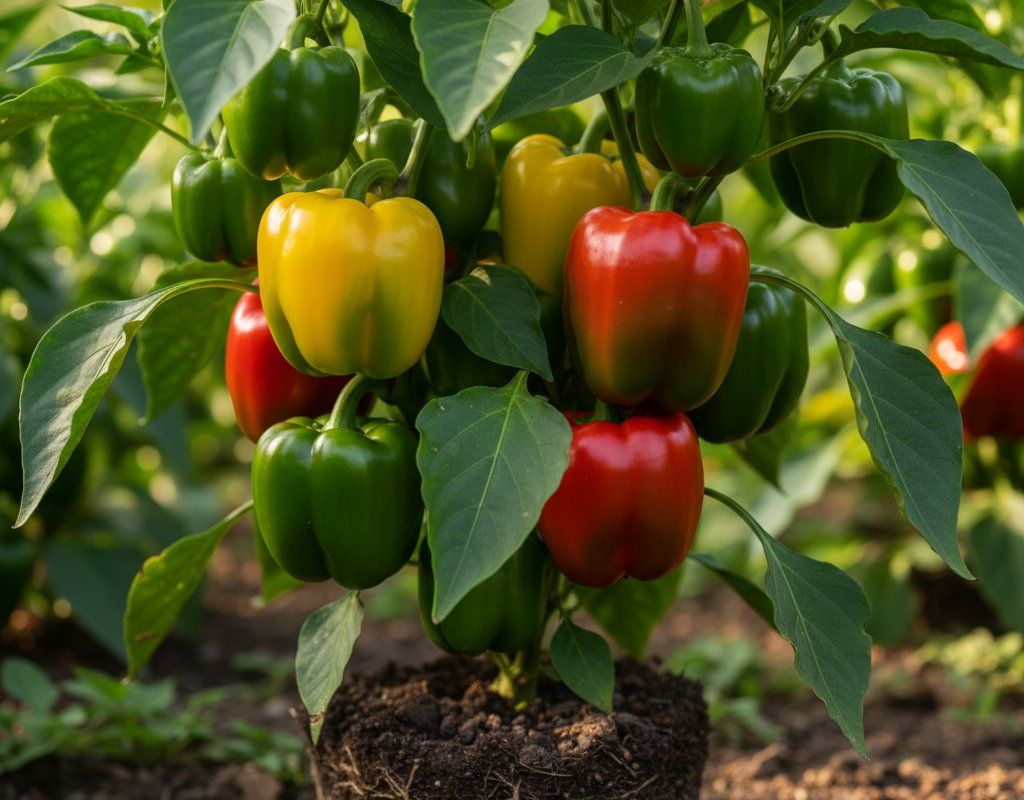
Good companions include tomatoes and peppers, as geraniums can help deter tomato hornworms and pepper weevils. They also pair well with corn, as they can help repel corn earworms. Roses also benefit from having geraniums nearby, as they can help deter Japanese beetles. Avoid planting geraniums near fennel, as it can inhibit their growth.
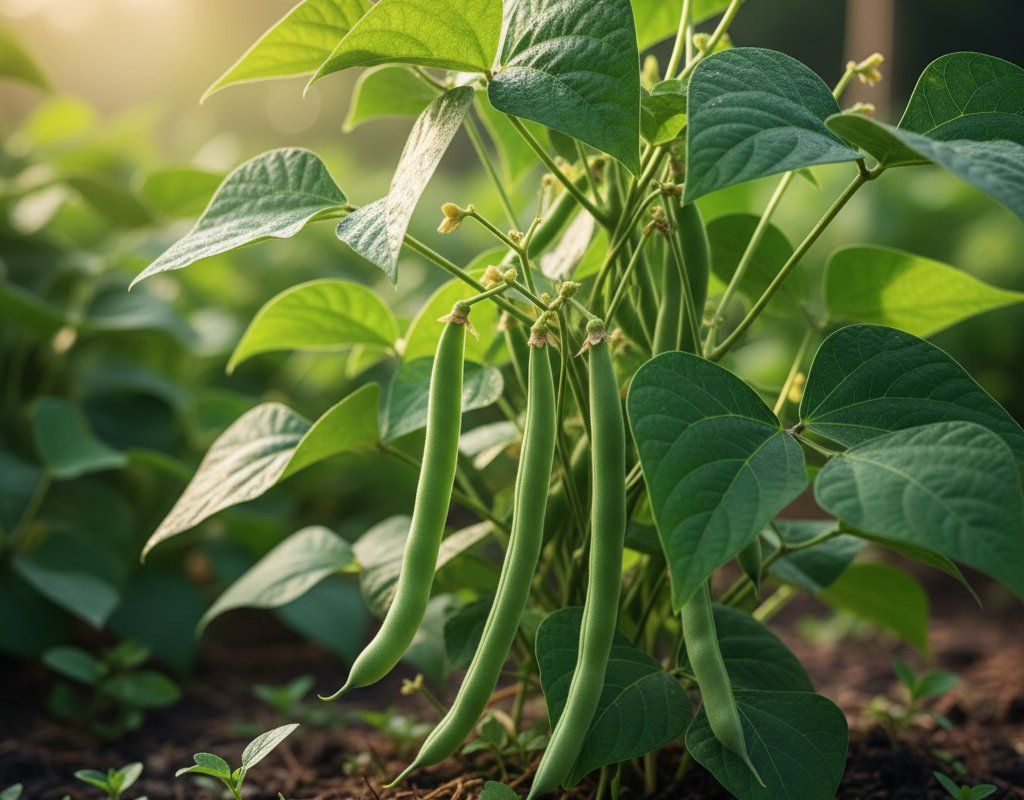
🥬Best Vegetables to Pair With Geranium
Geranium benefits these vegetables through pest control, pollinator attraction, or improved garden health.


Get a Reminder When It's Time to Plant
We'll email you when key planting windows open for your zone.