
Geranium in Zone 7B — Southeast
Pelargonium × hortorum · Your Complete 2026 Planting Guide
Missed Seed Starting? No Problem!
Wait for starts to become available.
What to Do
Starts will be available at nurseries in 30 days (around April 3).
How to Plant Geranium in Zone 7B — Southeast
Here are all your options for getting geranium in the ground, from the easiest method to more advanced approaches.
Buy Starts
RecommendedEarly April through early May
around April 3
Plant purchased starts after last frost (March 20).
Very slow from seed. Buy starts for easiest results.
Start Seeds Indoors
Works WellEarly to late January
around January 9
Then transplant: Early April through early May
Start seeds 12-14 weeks before transplanting outdoors.
Direct Sow Seeds
ChallengingDirect sowing is not typical for Geranium.
Transplant Outdoors
Timing InfoEarly April through early May
around April 3
Wait until nighttime temperatures stay above 50°F.
You have a nice window — no need to rush.
Overview
Geraniums bring vibrant color and classic charm to any Southeast garden, thriving beautifully in our long summer days. Their versatility shines whether you're filling containers, edging flower beds, or attracting pollinators to your vegetable patch. Nothing beats the simple joy of snipping a few blooms to brighten up your kitchen table.
Sure, our hot and humid summers can present challenges, but with careful timing and attention, you can absolutely grow thriving geraniums. Our long growing season of around 235 days gives you plenty of time to enjoy their beauty.
Starting Seeds Indoors
Starting geraniums from seed indoors is possible, but it's honestly a bit of a slow process. You'll want to get going early, around early to late January, which is about 12 weeks before you can transplant them outdoors. This gives them a good head start.
Use seed trays with a good seed-starting mix. Keep them consistently warm (around 70-75°F) and provide plenty of light, either with a grow light or a very sunny window. Bottom watering is a great way to keep the soil moist without overdoing it, as our moderate springs can still bring cool, damp spells.
Honestly, for most of us in the Southeast, buying established geranium starts from a local nursery is the easier and faster route. But if you enjoy the challenge, starting from seed is definitely doable!
Transplanting Outdoors
Once the danger of frost has passed, usually from early April through early May, it's time to transplant your geraniums outdoors. Before you plant them directly into your beds, you'll want to harden them off. Gradually expose them to the outdoor elements for about a week, increasing the time each day.
Plant them about 10-12 inches apart in well-draining soil. While geraniums are fairly tough, keep an eye on the weather forecast. Those late-season cool snaps can still happen, so be ready to cover them if temperatures dip unexpectedly. For easiest results, buy starts.
Watering Geranium in Zone 7B (Southeast)
Watering is key to keeping your geraniums happy in our hot and humid Southeast climate. While they need consistent moisture, they absolutely hate soggy feet. Let the soil dry out slightly between waterings to avoid stem rot.
During the hottest parts of summer, you'll likely need to water them a couple of times a week, giving them about an inch of water each time. Use the "finger test" to check the soil moisture – stick your finger about 2 inches deep; if it feels dry, it's time to water. With our humid conditions, it's best to water at the base of the plant to avoid getting the foliage wet, which can encourage fungal diseases.
Drooping leaves can indicate either overwatering or underwatering, so pay attention! Yellowing leaves often mean they're getting too much water. Adding a layer of mulch, like pine straw, can help retain moisture and suppress weeds, which is especially helpful in our clay soil.
Pruning & Maintaining Geranium
Deadheading is essential for keeping your geraniums blooming all season long. Simply pinch or snip off the spent flower clusters as soon as they start to fade. This encourages the plant to put its energy into producing new blooms rather than setting seed.
Throughout the summer, you might notice some stems getting a bit leggy. Pinching back these stems will encourage bushier growth and more flowers. As the first frost approaches in early November, you can give your geraniums a final trim to tidy them up before the cold weather sets in.
🧪Fertilizing Geranium
Feeding Schedule
Organic Fertilizer Options
Harvest Time
While you don't exactly "harvest" geraniums in the traditional sense, you will be enjoying their blooms from mid-June through late July onwards. Geraniums are all about continuous flowering, so the more you deadhead, the more blooms you'll get.
The best way to "harvest" is to simply enjoy them in your garden! If you want to bring some inside, cut the stems at an angle in the morning, when they're most hydrated. Removing faded blooms is key for neat appearance and continued flowering.
As the first frost approaches in early November, you can take cuttings to propagate new plants indoors over the winter, or simply let them go and start fresh next spring.
Common Problems in Zone 7B (Southeast)
Geraniums can face a few challenges in the Southeast, thanks to our climate. Here are some common issues and how to deal with them:
Botrytis Blight
- What it looks like: Grayish-brown mold on flowers, leaves, and stems.
- What causes it: High humidity and poor air circulation create ideal conditions for this fungal disease.
- How to fix/prevent it: Improve air circulation by spacing plants properly. Remove and destroy infected plant parts. Use a fungicide if the problem is severe. Avoid overhead watering, especially in the evenings.
Geranium Budworm
- What it looks like: Holes in buds and flowers, often with small, green caterpillars inside.
- What causes it: These caterpillars feed on geranium buds, preventing them from opening.
- How to fix/prevent it: Handpick caterpillars when you see them. Use insecticidal soap or Bacillus thuringiensis (Bt) to control infestations.
Edema
- What it looks like: Small, water-soaked blisters on the undersides of leaves.
- What causes it: Occurs when the plant takes up more water than it can transpire, often due to cool, wet weather and poor air circulation.
- How to fix/prevent it: Improve air circulation by spacing plants properly. Ensure good drainage. Avoid overwatering.
Southeast Specific Challenges: Our hot, humid summers and frequent afternoon thunderstorms create a perfect environment for fungal diseases like botrytis blight. Be vigilant about monitoring your plants and taking preventative measures to keep them healthy. Japanese beetles can also be a nuisance, so be prepared to deal with them if they show up.
Best Companions for Geranium
Plant these nearby for healthier Geranium and better harvests.
View Full Companion Planting Chart →


Companion Planting Details
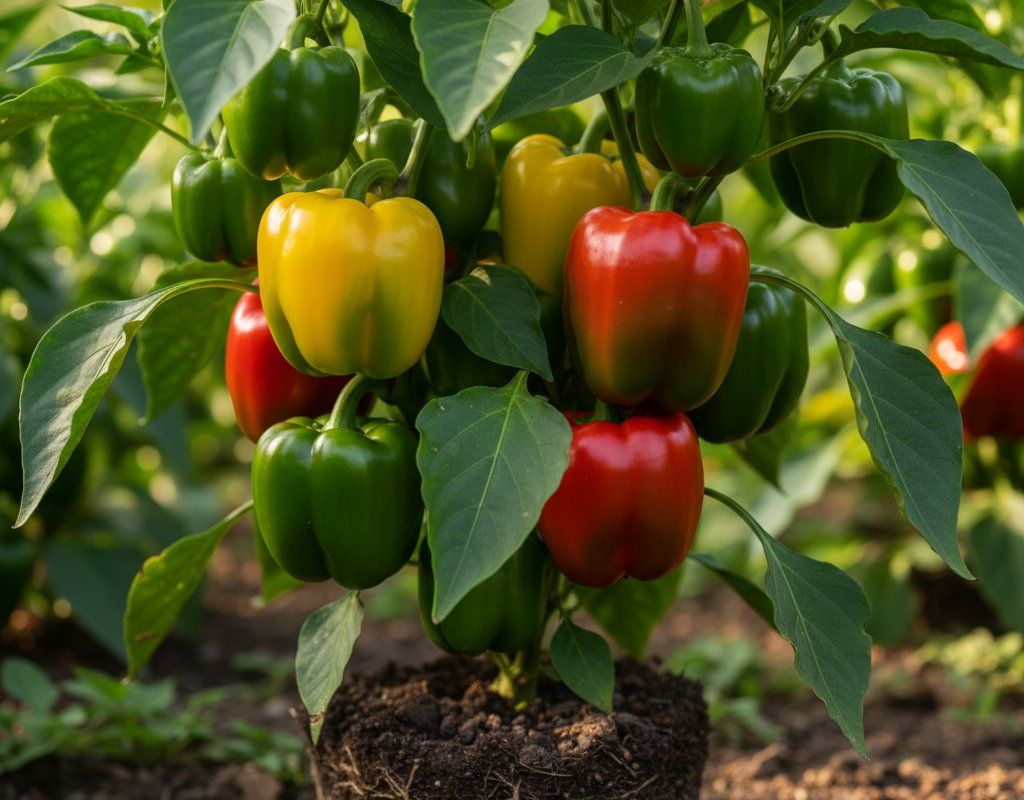
Geraniums make excellent companions for several plants in the Southeast garden. They pair well with tomatoes, peppers, and corn. Geraniums can act as a trap crop, distracting pests like tomato hornworms. Plus, their strong scent can repel some insects that bother these veggies.
Roses also benefit from geraniums planted nearby, as they help deter Japanese beetles. Avoid planting geraniums near fennel, as fennel can inhibit their growth.
🥬Best Vegetables to Pair With Geranium
Geranium benefits these vegetables through pest control, pollinator attraction, or improved garden health.



Get a Reminder When It's Time to Plant
We'll email you when key planting windows open for your zone.