
Geranium in Zone 8B — Southern California
Pelargonium × hortorum · Your Complete 2026 Planting Guide
Time to Buy Starts!
Seed starting window passed, but starts are available now.
Buy Starts Now
Head to your local nursery, Home Depot, or farmers market for transplants.
- Look for stocky plants with dark green leaves
- Avoid leggy seedlings or plants already flowering
- Check that roots aren't circling the pot (rootbound)
How to Plant Geranium in Zone 8B — Southern California
Here are all your options for getting geranium in the ground, from the easiest method to more advanced approaches.
Buy Starts
RecommendedEarly to late March
around March 1
Plant purchased starts after last frost (February 15).
Very slow from seed. Buy starts for easiest results.
Start Seeds Indoors
Works WellLate November through late December
around December 7
Then transplant: Early to late March
Start seeds 12-14 weeks before transplanting outdoors.
Direct Sow Seeds
ChallengingDirect sowing is not typical for Geranium.
Transplant Outdoors
Timing InfoEarly to late March
around March 1
Wait until nighttime temperatures stay above 50°F.
You have a nice window — no need to rush.
Overview
Geraniums bring a classic, cottage-garden charm to our Southern California landscapes. Their vibrant colors and easy-going nature make them perfect for adding a splash of beauty to borders, containers, and even hanging baskets. Plus, they're relatively heat-tolerant, which is a definite bonus during our long, warm summers.
While we face challenges like drought and occasional Santa Ana winds here in SoCal, the Geranium's growing season lines up nicely with our mild winters and extended warm periods. With a growing season that stretches nearly 300 days, you'll have plenty of time to enjoy these cheerful blooms.
Starting Seeds Indoors
Starting Geraniums from seed indoors isn't the most common approach, as they can be quite slow to develop. However, if you're eager to try, you can start seeds indoors from late November through late December, roughly 12 weeks before you'd want to transplant them outside. Use seed trays and provide gentle warmth and bright light, mimicking our very-early spring conditions indoors.
Remember to water from the bottom to prevent damping-off, a common issue with seedlings. Honestly, unless you’re really dedicated to the process, buying established Geranium starts from a local nursery is often the easier and more rewarding route.
Transplanting Outdoors
Transplant your Geraniums outdoors from early to late March. Before planting, harden them off by gradually exposing them to outdoor conditions for about a week. This prevents shock and helps them adjust to the sun and wind.
Space them 10-12 inches apart to allow for good air circulation. Keep an eye on the weather forecast, as we can still get some unexpected temperature dips or late rains during this time. For most SoCal gardeners, starts are the easiest way to ensure a healthy Geranium crop.
Watering Geranium in Zone 8B (Southern California)
Getting the watering right is key for Geraniums in our semi-arid Southern California climate. While they need consistent moisture, they definitely don't like soggy soil. Let the top inch or two of soil dry out between waterings.
During the cooler months, especially after our winter rains, you might only need to water once a week, giving them about 1 inch of water. As the summer heat intensifies, particularly if you're gardening inland, you might need to increase watering to 2-3 times a week, ensuring they get about 1-2 inches of water each time. Use the finger test – if the soil feels dry about 2 inches down, it's time to water.
Water at the base of the plant to avoid wetting the foliage, which can encourage fungal diseases. Signs of underwatering include wilting leaves and dry, crispy edges. Overwatering, on the other hand, can lead to yellowing leaves and stem rot. A layer of mulch around the base of the plants helps retain moisture and regulate soil temperature.
Pruning & Maintaining Geranium
Regular pruning keeps your Geraniums looking their best and encourages more blooms. Deadhead spent flower clusters as soon as they start to fade. Simply snip them off at the base of the stem.
Throughout the growing season, pinch back any leggy stems to promote bushier growth. As we approach our first frost, usually around early December, you can give your Geraniums a light trim to tidy them up before winter.
🧪Fertilizing Geranium
Feeding Schedule
Organic Fertilizer Options
Harvest Time
Geraniums are primarily grown for their ornamental value, so "harvesting" mainly involves enjoying their vibrant blooms! Expect your first flush of flowers from early May through late June, about 70 days after transplanting.
To keep them blooming throughout the season, consistently remove faded or dead flowers. This encourages the plant to put its energy into producing new blooms rather than setting seed. As the weather cools in late fall, continue to deadhead to prolong the flowering season, even though the blooms may become less frequent as we approach winter.
Common Problems in Zone 8B (Southern California)
Here are a few common problems to watch out for with Geraniums in Southern California:
Botrytis Blight
- What it looks like: Grayish-brown mold on flowers, leaves, and stems.
- What causes it: High humidity and poor air circulation create the perfect environment for this fungal disease. While SoCal isn't known for high humidity, our winter rains and dense foliage can create pockets of moisture.
- How to fix/prevent it: Improve air circulation by spacing plants properly and pruning dense growth. Remove and destroy any affected plant parts immediately. Avoid overhead watering, and consider using a fungicide if the problem persists.
Geranium Budworm
- What it looks like: Holes in buds and flowers, often accompanied by caterpillar droppings (frass).
- What causes it: These caterpillars feed on buds and flowers, causing significant damage.
- How to fix/prevent it: Handpick caterpillars when you see them. Bacillus thuringiensis (Bt) is an effective organic insecticide for controlling budworms. You can also use row covers to prevent moths from laying eggs on your plants.
Edema
- What it looks like: Small, water-soaked blisters or bumps on the undersides of leaves.
- What causes it: Edema is caused by excessive water uptake when the soil is consistently wet and the air is humid.
- How to fix/prevent it: Improve drainage by amending the soil with perlite or sand. Avoid overwatering and ensure good air circulation.
Southern California Specific Challenges: Our hot, dry summers can stress Geraniums, making them more susceptible to pests and diseases. Monitor your plants regularly and adjust your watering schedule accordingly. The low-to-moderate humidity generally helps prevent fungal diseases, but it's still important to provide good air circulation. Our winter-wet rainfall patterns can also contribute to edema, so ensure your soil drains well.
Best Companions for Geranium
Plant these nearby for healthier Geranium and better harvests.
View Full Companion Planting Chart →


Companion Planting Details
Geraniums are great companions for several plants in Southern California gardens:
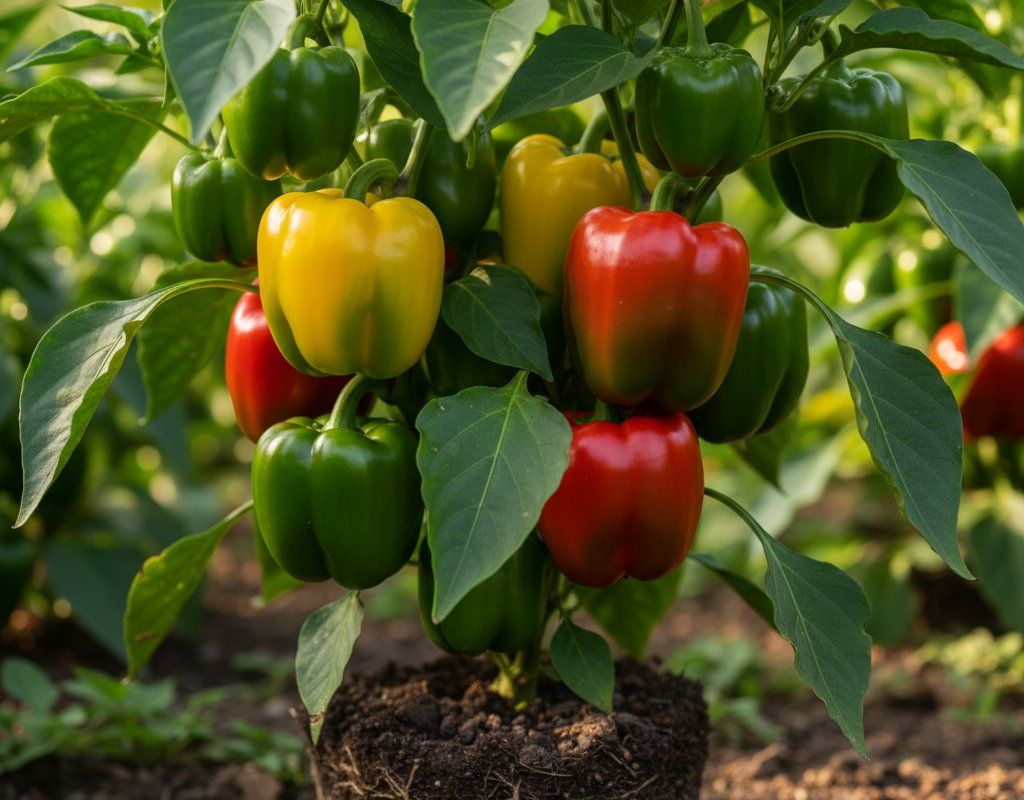
- Tomatoes and Peppers: Geraniums can help repel certain pests, such as tomato hornworms and aphids, that commonly attack tomatoes and peppers.
- Corn: Geraniums can act as a trap crop for Japanese beetles, which can damage corn silks and kernels.
- Roses: Geraniums are said to deter Japanese beetles and other pests that plague roses, helping to keep your roses healthy and beautiful.
Avoid planting Geraniums near plants that require consistently moist soil, as they prefer to dry out slightly between waterings.
🥬Best Vegetables to Pair With Geranium
Geranium benefits these vegetables through pest control, pollinator attraction, or improved garden health.



Get a Reminder When It's Time to Plant
We'll email you when key planting windows open for your zone.