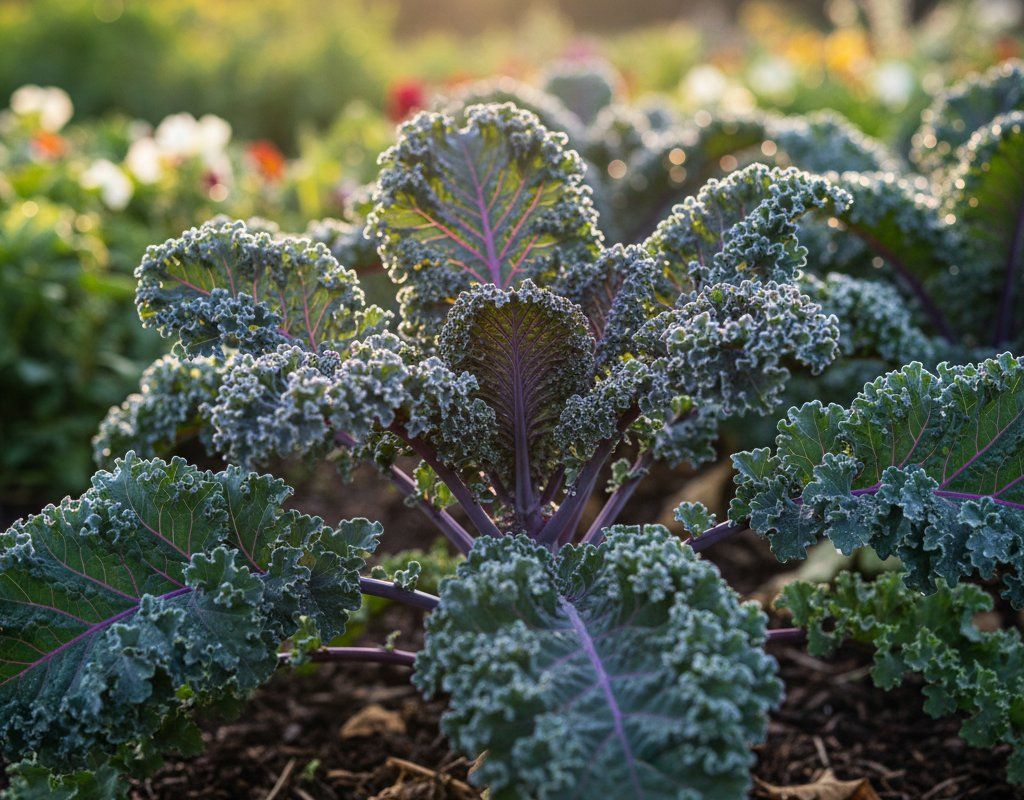
Kale in Zone 10A — Florida
Brassica oleracea var. sabellica · Your Complete 2026 Planting Guide
Harvest Time!
Your Kale should be producing now!
Harvest Tips
Harvest when heads are firm and tight, before they start to loosen.
How to Plant Kale in Zone 10A — Florida
Here are all your options for getting kale in the ground, from the easiest method to more advanced approaches.
Direct Sow Seeds
RecommendedMid December through late October
around December 13
Consider succession planting every 2-3 weeks for continuous harvest.
Hardy and easy to direct sow in spring or late summer for fall harvest.
Start Seeds Indoors
RecommendedLate November through mid December
around November 29
Then transplant: Late December through late January
Start seeds 4-6 weeks before transplanting outdoors.
Buy Starts
Works WellLate December through late January
around December 27
Plant purchased starts after last frost (January 10).
Transplant Outdoors
Timing InfoLate December through late January
around December 27
Can tolerate light frost, but wait for soil to be workable.
You have a nice window — no need to rush.
Fall Planting
Mid October through mid November
October 29 ideal · Direct sow for fall harvest
Plant a second crop in mid-summer for fall harvest. Kale actually prefers the cooling temperatures of fall.
Overview
Kale thrives in Florida's reversed growing seasons, giving you dark leafy greens packed with nutrients when most other regions are dormant. Here in Zone 10A, our mild winters create perfect conditions for tender, sweet kale leaves that would be impossible to grow during our brutal summers. You'll harvest from your own garden when store-bought greens are most expensive and least flavorful.
Our extreme humidity and sandy soils can challenge many crops, but kale's hardy nature and cool-season timing work beautifully with our 355-day growing season. Plant in fall, harvest through winter and spring – it's that simple. The key is working with our climate instead of fighting it.
Starting Seeds Indoors
Starting kale seeds indoors makes sense if you want earlier harvests or better control over germination, though direct sowing works just fine here. Start seeds in late November through mid December, about 4 weeks before your planned transplant date. Our warm indoor temperatures speed germination – you'll see seedlings in 5-7 days.
Use seed trays with quality potting mix and keep them consistently moist through bottom watering. This prevents the soil surface crusting that our humidity can cause. A sunny windowsill works well, though grow lights give more consistent results during our shorter winter days.
Florida's spring character is reversed, so don't rush these indoor starts. Late November timing puts you on track for transplanting when our weather truly settles into the comfortable winter pattern that kale loves.
Transplanting Outdoors
Plan to transplant your kale seedlings during late December through late January, when our winter weather provides ideal growing conditions. Your seedlings should have 3-4 true leaves and strong root systems before making the move outdoors.
Harden off seedlings for a full week before transplanting – our temperature swings between day and night can shock tender plants. Start with 2-3 hours of morning sun, gradually increasing exposure. Even in winter, our midday sun can be intense.
Space transplants 12-18 inches apart in prepared beds. Our sandy soil drains fast, so work in compost to improve moisture retention. The wider spacing helps air circulation, which is crucial given our high humidity levels even in winter.
Direct Sowing
Direct sowing kale works excellently in Florida, especially from mid December through late October when temperatures cooperate. Our sandy soils warm quickly and drain well, making direct seeding straightforward. Sow seeds ½ inch deep and keep the seedbed consistently moist until germination.
For spring planting, sow in mid December through January while temperatures stay below 80°F during the day. Fall plantings from mid October through mid November give you harvests through winter. Space seeds 12-18 inches apart or sow more thickly and thin later.
The main advantage of direct sowing is avoiding transplant shock in our climate. Seedlings develop stronger root systems adapted to your specific soil conditions. Just protect young seedlings from our occasional heavy winter rains that can wash out tiny plants.
Watering Kale in Zone 10A (Florida)
Kale needs consistent moisture for tender, flavorful leaves – drought stress quickly makes them tough and bitter. During our cooler growing season, plan on 1-1.5 inches per week including rainfall. Check soil moisture with the finger test: stick your finger 2 inches down, and water when it feels dry.
Our wet summers mean you'll rarely need to irrigate established plants from June through September, but winter and spring require regular attention. Water at soil level rather than overhead – our extreme humidity combined with wet leaves invites fungal problems. Soaker hoses or drip irrigation work perfectly.
Watch for signs of stress in our climate. Underwatered kale wilts quickly and develops thick, chewy leaves. Overwatering in our heavy soils causes yellowing lower leaves and root problems. During our brief dry spells, kale will tell you it's thirsty by drooping in the afternoon heat.
Apply 2-3 inches of mulch around plants to conserve moisture and regulate soil temperature. Straw or shredded leaves work well in our humid conditions – avoid thick wood mulches that can harbor fungal issues.
🧪Fertilizing Kale
Feeding Schedule
Organic Fertilizer Options
Harvest Time
Expect your first harvest 55 days from seeding, typically early February through early January depending on your planting timing. Look for outer leaves that reach 8-10 inches long with good color and substance. The leaves should feel crisp, not tough or rubbery.
Harvest by cutting outer leaves at the base, leaving the growing center intact for continued production. Take 3-4 leaves per plant each harvest, working from outside in. This keeps plants producing for months – you'll get continuous harvests through our entire cool season.
Kale actually sweetens after light frost, though our brief cold snaps rarely last long enough for significant flavor improvement. Focus on harvesting before our late December frost threat, or protect plants with row covers during cold snaps.
As temperatures climb toward summer, kale bolts quickly. Harvest heavily in late spring, then pull plants to make room for heat-tolerant crops. You'll get 4-6 months of harvests from a fall planting – excellent return on investment.
Common Problems in Zone 10A (Florida)
Aphids show up as clusters of tiny green, black, or white insects on leaf undersides and stems. You'll notice sticky honeydew residue and curled new growth. Our warm humid conditions help aphid populations explode quickly, and they're often tended by ant colonies farming them for their sweet secretions.
Knock aphids off with strong water sprays from your hose. Encourage beneficial insects like ladybugs and lacewings by planting yarrow and fennel nearby. For heavy infestations, use insecticidal soap or neem oil. Avoid excess nitrogen fertilizer – it creates tender growth that aphids prefer.
Cabbage worms appear as smooth green caterpillars that chew irregular holes in leaves, leaving dark green droppings behind. These larvae of white cabbage butterflies have multiple generations in our warm climate, making them a persistent problem through the growing season.
Bt (Bacillus thuringiensis) spray works excellently against cabbage worms and won't harm beneficial insects. Floating row covers prevent the white butterflies from laying eggs on your plants. Handpick caterpillars when you spot them – they're most active in morning and evening. Interplanting with aromatic herbs like thyme and sage helps repel the adult butterflies.
Flea beetles create tiny round holes that give leaves a shot-hole appearance. These small dark beetles jump when disturbed and cause the most damage to young seedlings. They're particularly problematic in our sandy soils where they overwinter easily.
Protect vulnerable seedlings with row covers until plants are established and can outgrow the damage. Kaolin clay coating makes leaves less attractive to feeding beetles. Neem oil spray provides some control, and interplanting with basil or catnip helps repel them naturally.
Florida Specific Challenges: Our extreme humidity creates perfect conditions for fungal diseases, while sandy soils drain nutrients quickly. The combination of wet summers and hurricane-force winds can damage or destroy plantings, making fall-through-spring timing even more critical for consistent harvests.
Best Companions for Kale
Plant these nearby for healthier Kale and better harvests.

Keep Away From
Companion Planting Details
Plant kale alongside beets, celery, onions, and potatoes for the best garden partnerships. Beets and kale have similar water and nutrient needs while beets help break up our compacted sandy clay layers. Celery appreciates the same cool conditions, and onions repel many pests that target brassicas. Potatoes planted nearby can help shade kale roots during our warmer spring days.
Avoid planting kale near tomatoes, peppers, or strawberries. These crops have different water requirements and can compete for nutrients in our already-challenging sandy soils. Tomatoes and peppers also prefer our summer heat when kale struggles, making crop rotation timing difficult in our extended growing season.
🌸Best Flowers to Plant with Kale
These flowers protect your Kale from pests and attract pollinators for better harvests.




Get a Reminder When It's Time to Plant
We'll email you when key planting windows open for your zone.