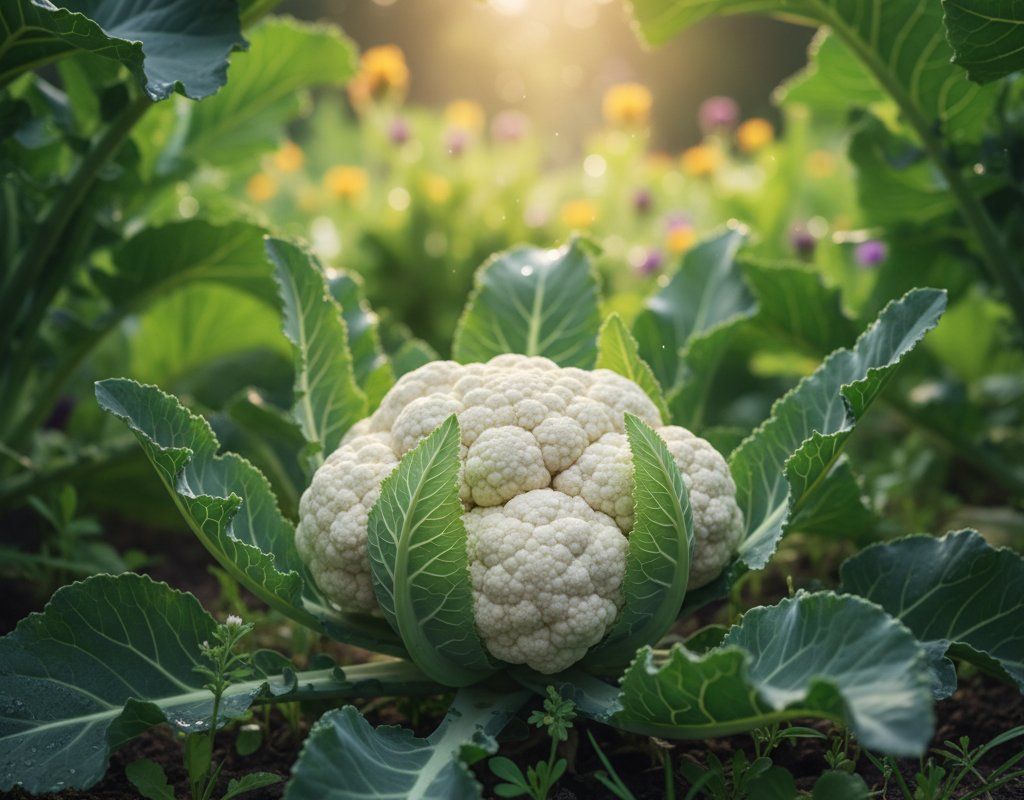
Cauliflower in Zone 10A — Florida
Brassica oleracea var. botrytis · Your Complete 2026 Planting Guide
Check Planting Details Below
See the full planting guide for timing information.
How to Plant Cauliflower in Zone 10A — Florida
Here are all your options for getting cauliflower in the ground, from the easiest method to more advanced approaches.
Start Seeds Indoors
RecommendedEarly to late November
around November 15
Then transplant: Late December through late January
Start seeds 6-8 weeks before transplanting outdoors.
Cauliflower is fussy. Starting indoors gives you more control.
Buy Starts
Works WellLate December through late January
around December 27
Plant purchased starts after last frost (January 10).
Direct Sow Seeds
ChallengingDirect sowing is not typical for Cauliflower.
Transplant Outdoors
Timing InfoLate December through late January
around December 27
Can tolerate light frost, but wait for soil to be workable.
You have a nice window — no need to rush.
Fall Planting
Mid October through mid November
October 29 ideal · Transplant for fall harvest
Plant a second crop in mid-summer for fall harvest. Cauliflower actually prefers the cooling temperatures of fall.
Overview
Growing your own cauliflower in Zone 10A Florida gives you access to incredibly fresh, sweet heads that taste nothing like the bitter grocery store versions that have traveled cross-country. The creamy white florets develop their best flavor in our cool winter months, and there's real satisfaction in successfully timing this finicky crop in Florida's reversed growing season. You can harvest beautiful 6-8 inch heads from early March through late April when most gardeners up north are still waiting for soil to thaw.
The key to cauliflower success here is understanding that our 355-day growing season runs opposite to traditional gardening calendars – you'll plant in fall and harvest in winter when temperatures are perfect for this cool-season crop. While our extreme humidity and fungal pressure can challenge brassicas, proper timing and indoor seed starting help you avoid the worst summer conditions that would stress these plants beyond recovery.
Starting Seeds Indoors
Starting cauliflower seeds indoors from early to late November gives you the control this fussy crop demands in Florida's unpredictable climate. Set up seed trays in a spot that stays around 65-70°F – your air-conditioned house works perfectly while outdoor temperatures are still swinging wildly between hot days and cooler nights. Use quality seed starting mix and keep the soil consistently moist through bottom watering, which prevents the fungal issues that plague surface-watered seedlings in our humid conditions.
Your seedlings need 6 weeks of indoor growth before transplanting, which means starting in November positions them perfectly for late December through January transplanting. This timing aligns with Florida's reversed spring character, getting plants established before our brief winter cool period. Keep grow lights about 2-3 inches above seedlings and run them 12-14 hours daily – our winter sun angle isn't strong enough for proper indoor growth.
Bottom watering prevents damping-off fungus that thrives in Florida's humidity, so set seed trays in shallow pans of water and let them soak up moisture from below. You'll know they're ready to transplant when they have 3-4 true leaves and sturdy stems that can handle the transition to outdoor conditions.
Transplanting Outdoors
Transplant your cauliflower seedlings outdoors from late December through late January, timing this move with Florida's coolest weather window. This period gives plants time to establish strong root systems before spring temperatures start climbing toward levels that stress cool-season crops. Space plants 18-24 inches apart to ensure good air circulation – critical in our humid climate where fungal diseases spread quickly in crowded conditions.
Harden off seedlings gradually over one week before transplanting, starting with just 2-3 hours of morning sun and gradually extending outdoor exposure. Florida's winter sun can still be intense, especially reflected off light-colored mulch or concrete surfaces. Watch for any signs of transplant shock like wilting or yellowing leaves during this process.
Plant on a cloudy day or in late afternoon to reduce transplant stress, and water thoroughly at the base of each plant. Late December through January typically brings our most reliable cool weather, though you might still see temperatures swing into the 80s on some afternoons – perfectly normal for Florida winters.
Watering Cauliflower in Zone 10A (Florida)
Consistent soil moisture is absolutely critical for cauliflower success in Florida – this crop is notorious for "buttoning" (forming tiny premature heads) when stressed by irregular watering. Check soil moisture by inserting your finger 2 inches deep near the base of plants every other day during our dry winter months. The soil should feel like a wrung-out sponge, moist but not waterlogged.
Provide about 1-1.5 inches of water per week during the growing season, adjusting based on our variable winter rainfall patterns. Florida's winter months can swing between bone-dry weeks and sudden downpours, so you'll need to supplement during dry spells and ensure good drainage during wet periods. Water at soil level using soaker hoses or drip irrigation rather than overhead sprinklers – our high humidity means wet foliage invites fungal diseases that can destroy your crop.
Signs of underwatering include wilting during the heat of the day (even in winter), stunted growth, and premature buttoning. Overwatering shows up as yellowing lower leaves, soft stems, and sometimes root rot in our naturally soggy soils during rainy periods. Apply 2-3 inches of organic mulch around plants to moderate soil moisture swings and keep roots cool during those unexpected 85°F winter days.
During Florida's wet season overlap in late spring, you may need to create raised beds or mounded rows to prevent waterlogged roots as your final heads mature. Our 50-65 inches of annual rainfall mostly comes later, but spring thunderstorms can dump several inches in a single afternoon.
🧪Fertilizing Cauliflower
Feeding Schedule
Organic Fertilizer Options
Harvest Time
Your first cauliflower heads will be ready from early March through late April, about 70 days after transplanting in our Florida climate. Look for compact, firm white heads that measure 6-8 inches across – they should feel solid and heavy when you lift them gently. The individual florets (called curds) should be tightly packed together without any separation or yellowing, which indicates the head is past its prime.
Cut the entire head at the base using a sharp knife, leaving about an inch of stem attached. Harvest in the early morning when heads are cool and crisp, before the day's heat starts to affect quality. Unlike some crops, cauliflower heads won't continue ripening after cutting, so timing is everything – wait too long and the curds start to separate and develop an off-flavor.
Check your plants daily once heads start forming because Florida's variable spring weather can push them from perfect to overripe quickly. A sudden warm spell can cause heads to bolt or develop purple tinges, especially if you're pushing toward late April harvests. Once you cut the main head, the plant is typically finished – cauliflower doesn't produce side shoots like broccoli.
Plan your final harvest before late December when first frost threatens, though in Zone 10A you might get lucky and avoid frost entirely some years. Any remaining small heads can be harvested early and used in soups or stir-fries, even if they haven't reached full size.
Common Problems in Zone 10A (Florida)
Buttoning shows up as tiny 2-3 inch heads forming prematurely when plants are still small. The heads look normal but stay miniature and often have loose, separated curds instead of tight, compact heads. This frustrating problem happens when plants experience stress from inconsistent watering, temperature swings, or poor nutrition during Florida's unpredictable winter weather. Prevent buttoning by maintaining steady soil moisture, providing afternoon shade during unexpected warm spells, and ensuring plants have adequate nutrition before head formation begins.
Cabbage worms appear as smooth green caterpillars munching irregular holes in your cauliflower leaves, often leaving dark green droppings behind. You'll notice white butterflies hovering around plants during the day – these are laying eggs that hatch into the destructive larvae. Florida's mild winters and long growing season allow multiple generations of these pests each year. Control cabbage worms with Bt (Bacillus thuringiensis) spray applied every 7-10 days, or use floating row covers to prevent egg-laying. Handpicking works for light infestations, and planting aromatic herbs like thyme and sage nearby helps repel the adult butterflies.
Heat stress causes cauliflower leaves to wilt during the warmest parts of winter days, even when soil moisture is adequate. Plants may also bolt prematurely or develop loose, ricey heads instead of tight curds. This happens when winter temperatures climb into the 80s or 90s – not uncommon during Florida winters. Provide afternoon shade using shade cloth or strategically placed taller crops, and ensure consistent soil moisture to help plants cope with temperature stress.
Florida's extreme humidity and frequent rain showers create perfect conditions for fungal diseases like black rot and clubroot, especially when combined with our sandy soils that drain poorly in some areas. The combination of heat stress and high humidity makes cauliflower one of the more challenging cool-season crops to grow successfully in our climate.
Best Companions for Cauliflower
Plant these nearby for healthier Cauliflower and better harvests.


Keep Away From
Companion Planting Details
Plant cauliflower alongside beets, celery, onions, and spinach for a productive winter garden that takes advantage of Florida's cool-season growing window. Beets and spinach mature quickly and can be harvested before your cauliflower heads need full space, maximizing your winter garden productivity. Onions planted around cauliflower help deter cabbage worms and other brassica pests with their strong scent, while celery appreciates the same consistent moisture and cool temperatures that cauliflower demands.
Avoid planting cauliflower near tomatoes, peppers, or strawberries, which compete for similar nutrients and can harbor pests that also attack brassicas. These warm-season crops also have different watering and fertilization needs that don't align well with cauliflower's requirements during Florida's winter growing season.
🌸Best Flowers to Plant with Cauliflower
These flowers protect your Cauliflower from pests and attract pollinators for better harvests.




Get a Reminder When It's Time to Plant
We'll email you when key planting windows open for your zone.