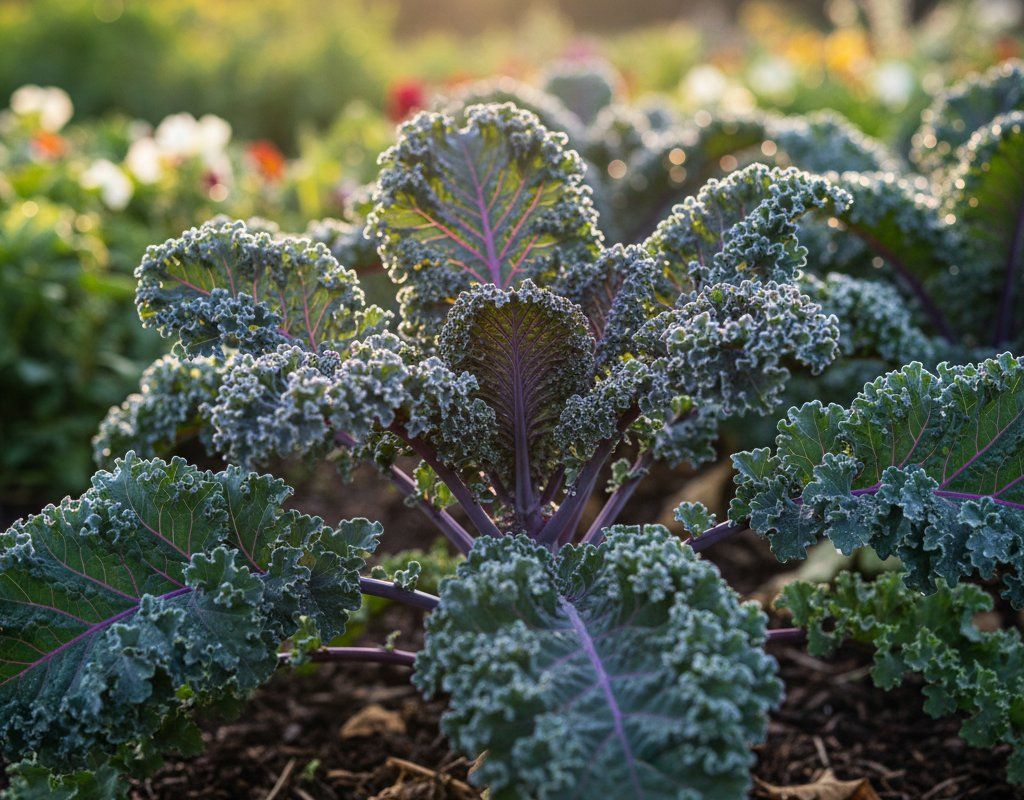
Kale in Zone 10B — Desert Southwest
Brassica oleracea var. sabellica · Your Complete 2026 Planting Guide
Harvest Time!
Your Kale should be producing now!
Harvest Tips
Harvest when heads are firm and tight, before they start to loosen.
How to Plant Kale in Zone 10B — Desert Southwest
Here are all your options for getting kale in the ground, from the easiest method to more advanced approaches.
Direct Sow Seeds
RecommendedMid December through late October
around December 18
Consider succession planting every 2-3 weeks for continuous harvest.
Hardy and easy to direct sow in spring or late summer for fall harvest.
Start Seeds Indoors
RecommendedLate November through mid December
around December 4
Then transplant: Early to late January
Start seeds 4-6 weeks before transplanting outdoors.
Buy Starts
Works WellEarly to late January
around January 1
Plant purchased starts after last frost (January 15).
Transplant Outdoors
Timing InfoEarly to late January
around January 1
Can tolerate light frost, but wait for soil to be workable.
You have a nice window — no need to rush.
Fall Planting
Mid October through mid November
October 28 ideal · Direct sow for fall harvest
Plant a second crop in mid-summer for fall harvest. Kale actually prefers the cooling temperatures of fall.
Overview
Kale thrives as a perfect winter green for Desert Southwest gardeners, offering sweet, tender leaves throughout our mild winter months when many other crops struggle. This hardy brassica actually prefers our cool season temperatures and delivers exceptional nutrition when fresh vegetables are most valuable. The leaves sweeten beautifully after our light frosts, and you'll harvest continuously for months while avoiding the bitter, tough leaves that result from summer heat stress.
Our extreme heat and arid conditions make timing critical for kale success, but our 349-day growing season gives you flexibility to grow two distinct crops - one planted in late fall for winter harvest, and another in late summer for fall production. The key is working with our desert climate rather than against it, planting when temperatures support tender leaf development rather than forcing growth during our brutal summer months.
Starting Seeds Indoors
Starting kale seeds indoors works well in the Desert Southwest, though it's not essential given our mild winters. Start seeds in late November through mid-December, about four weeks before you plan to transplant outdoors. This timing aligns perfectly with our very early spring character, getting plants established before any unexpected warm spells.
Use seed trays with good drainage and keep soil consistently moist using bottom watering - this prevents the surface crusting that happens quickly in our low humidity. Seeds germinate best around 60-70°F, which matches our indoor winter temperatures without additional heating. A sunny south-facing window provides enough light, or supplement with grow lights if needed.
The main advantage of indoor starting here is getting a jump on the season and protecting young seedlings from any late winter wind or unexpected temperature swings. Your transplants will be sturdy and ready to handle our outdoor conditions by early January.
Transplanting Outdoors
Transplant your kale seedlings outdoors from early to late January, when daytime temperatures stay consistently mild and nighttime lows rarely dip below freezing. This timing takes advantage of our short, gentle winter season before spring temperatures climb too quickly for optimal leaf development.
Harden off seedlings gradually over one week by placing them outside for increasing periods daily, starting with just a few hours of morning sun. Our intense desert sun can shock transplants even in winter, so start with partial shade and gradually increase exposure. Space plants 12-18 inches apart to allow good air circulation - important in our low humidity environment where stressed plants become more susceptible to problems.
Choose a location with morning sun and afternoon protection, especially if transplanting in late January when days begin warming noticeably. Well-prepared soil with added compost helps retain moisture in our fast-draining desert conditions.
Direct Sowing
Direct sowing kale works exceptionally well in the Desert Southwest, often producing stronger root systems than transplanted seedlings. Sow seeds from mid-December through late October, timing plantings to avoid our extreme summer heat while taking advantage of our long, mild growing periods.
Prepare soil by working in compost to improve water retention and break up any caliche layer that might impede drainage. Plant seeds ¼ inch deep and space them 12-18 inches apart, or sow more densely and thin as seedlings emerge. Our sandy desert soils warm quickly, so seeds germinate reliably even in our cooler months.
The beauty of direct sowing here is avoiding transplant shock entirely while developing plants better adapted to our specific soil and microclimate conditions. Fall plantings (mid-October through mid-November) often perform exceptionally well, maturing during our coolest months when leaves develop the best texture and flavor.
Watering Kale in Zone 10B (Desert Southwest)
Kale needs consistent moisture to produce tender, sweet leaves - drought stress quickly turns them bitter and tough. In our arid Desert Southwest climate, this means regular, deep watering rather than the light, frequent applications that work in humid regions. Plan to provide about 1-1.5 inches of water weekly, adjusting for our minimal 8-15 inches of annual rainfall.
Check soil moisture using the finger test - stick your finger 2 inches deep near the plant base. If dry at that depth, water deeply at the base rather than overhead. Our low humidity means foliar watering evaporates quickly without benefiting the plant, plus wet leaves in dusty conditions invite problems. Water early morning so plants have time to dry before evening.
During our brief winter months, you might water twice weekly. As spring temperatures climb toward summer, increase frequency but maintain deep watering to encourage strong root development. Watch for signs of underwatering - leaves become dull, grayish, and develop a leathery texture. Overwatering shows up as yellowing lower leaves and stunted growth.
Apply 2-3 inches of organic mulch around plants to conserve moisture and moderate soil temperature swings. In our desert conditions, mulch also reduces dust accumulation on leaves and helps maintain the consistent soil moisture kale requires for peak flavor and texture.
🧪Fertilizing Kale
Feeding Schedule
Organic Fertilizer Options
Harvest Time
Expect your first harvest about 55 days after planting, typically mid-February for winter plantings or early January for fall-planted kale. Begin harvesting when outer leaves reach 8-10 inches long and show good color - they should feel substantial but not tough or leathery.
Always harvest from the outside working inward, taking 3-4 outer leaves while leaving the growing center intact. Cut leaves cleanly at the base with sharp scissors or a knife rather than tearing, which can damage the plant. This cut-and-come-again method keeps plants producing continuously for months in our extended mild season.
Kale flavor actually improves after light frost, becoming noticeably sweeter and less bitter. Take advantage of our mild Desert Southwest winters by continuing harvest well into spring, before hot weather arrives. As temperatures begin climbing toward summer extremes, leaves will start developing a stronger, more bitter flavor - a sign to finish harvesting and plant summer crops.
Plan your final harvest before late December when our first frost typically arrives. However, kale often survives our light desert frosts, so you may get bonus harvests even after cold snaps if plants remain healthy and productive.
Common Problems in Zone 10B (Desert Southwest)
Aphids appear as clusters of tiny, soft-bodied insects in green, black, or white colors on stems and leaf undersides. You'll notice sticky honeydew residue on leaves and curled or distorted new growth. Our warm Desert Southwest temperatures allow aphid populations to explode rapidly, especially during spring when temperatures climb but aren't yet extreme.
Knock off aphids with a strong water spray early morning, allowing plants to dry before evening. Encourage natural predators like ladybugs and lacewings by avoiding broad-spectrum insecticides. For heavy infestations, apply insecticidal soap or neem oil, which works systemically. Avoid excess nitrogen fertilizer, which creates the tender growth aphids prefer.
Cabbage worms show up as smooth green caterpillars creating irregular holes in leaves, often accompanied by dark green droppings. You'll see white butterflies hovering around plants - these lay eggs that become the destructive larvae. Multiple generations occur in our warm climate, making ongoing vigilance important.
Bt (Bacillus thuringiensis) spray provides excellent control and targets only caterpillars. Floating row covers prevent adult butterflies from laying eggs, especially useful for young plants. Handpick visible caterpillars and encourage parasitic wasps by interplanting with aromatic herbs like thyme and sage.
Flea beetles create a distinctive shot-hole pattern of tiny round holes in leaves. These small dark beetles jump when disturbed and cause most damage to young seedlings. Our sandy desert soils provide good overwintering habitat, so populations can build significantly.
Protect vulnerable seedlings with row covers until plants grow large enough to outgrow damage. Delay planting until transplants are more mature, or start seeds indoors for stronger plants. Kaolin clay coating creates a barrier, while neem oil provides systemic protection. Healthy, vigorous plants typically outgrow flea beetle damage.
Desert Southwest Specific Challenges: Our extreme heat and low humidity stress kale plants quickly once temperatures exceed 80°F, making them more susceptible to all pest problems. The arid conditions mean pest damage shows up faster since plants can't compensate through rapid growth. Time plantings to avoid summer stress, and maintain consistent soil moisture to keep plants vigorous enough to resist pest pressure naturally.
Best Companions for Kale
Plant these nearby for healthier Kale and better harvests.

Keep Away From
Companion Planting Details
Kale grows exceptionally well with beets, celery, onions, and potatoes in Desert Southwest conditions. Beets make perfect companions since they share similar water needs and harvest timing, plus their roots occupy different soil levels. Celery benefits from kale's shade during warming spring weather, while kale appreciates celery's deeper roots bringing up moisture and nutrients. Onions help repel many brassica pests while requiring minimal water once established - important in our water-conscious desert gardening.
Avoid planting kale near tomatoes, peppers, or strawberries, which compete heavily for nutrients and water while attracting different pests that can overwhelm stressed plants. These warm-season crops also prefer different watering schedules than kale's need for consistent moisture. In our challenging desert climate, giving kale compatible neighbors helps ensure success without creating competition for our limited water resources.
🌸Best Flowers to Plant with Kale
These flowers protect your Kale from pests and attract pollinators for better harvests.




Get a Reminder When It's Time to Plant
We'll email you when key planting windows open for your zone.