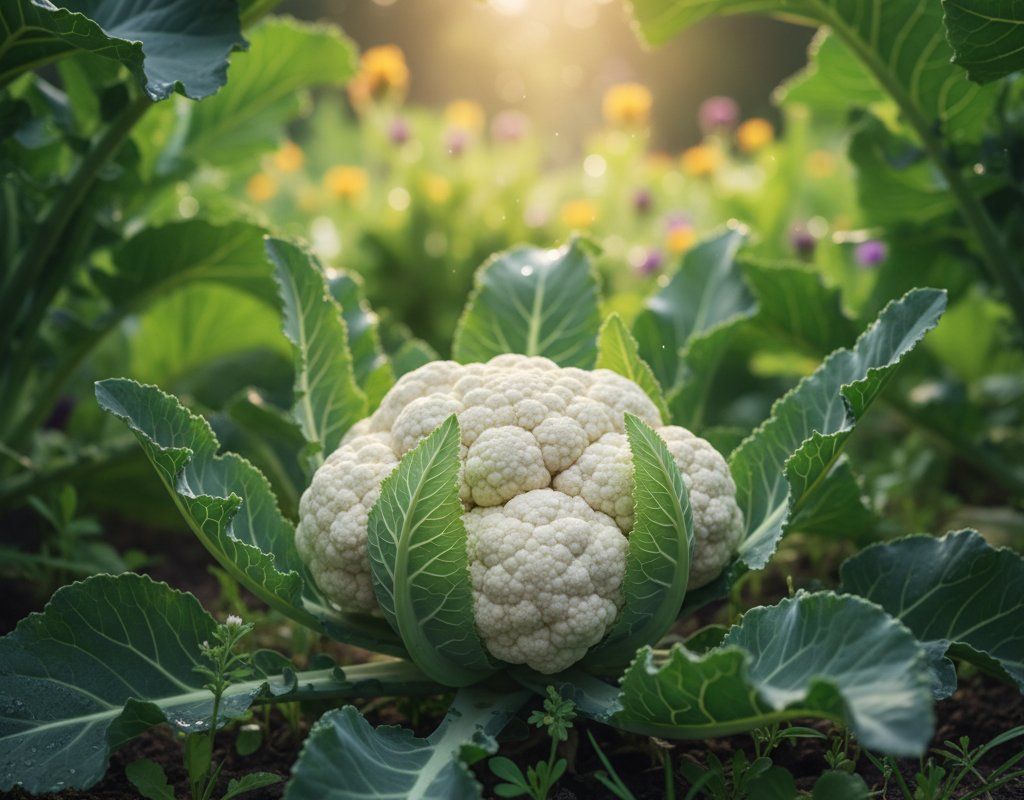
Cauliflower in Zone 10B — Desert Southwest
Brassica oleracea var. botrytis · Your Complete 2026 Planting Guide
Check Planting Details Below
See the full planting guide for timing information.
How to Plant Cauliflower in Zone 10B — Desert Southwest
Here are all your options for getting cauliflower in the ground, from the easiest method to more advanced approaches.
Start Seeds Indoors
RecommendedMid November through early December
around November 20
Then transplant: Early to late January
Start seeds 6-8 weeks before transplanting outdoors.
Cauliflower is fussy. Starting indoors gives you more control.
Buy Starts
Works WellEarly to late January
around January 1
Plant purchased starts after last frost (January 15).
Direct Sow Seeds
ChallengingDirect sowing is not typical for Cauliflower.
Transplant Outdoors
Timing InfoEarly to late January
around January 1
Can tolerate light frost, but wait for soil to be workable.
You have a nice window — no need to rush.
Fall Planting
Mid October through mid November
October 28 ideal · Transplant for fall harvest
Plant a second crop in mid-summer for fall harvest. Cauliflower actually prefers the cooling temperatures of fall.
Overview
Fresh cauliflower from your Desert Southwest garden delivers a completely different experience than store-bought heads—crisp, sweet, and harvested at perfect ripeness. In our Zone 10B climate, you can grow these impressive brassicas during our mild winter months when the plant thrives in cool weather without the stress of extreme heat. The satisfaction of cutting a dense, white head that you've nurtured through our desert winter makes cauliflower one of the most rewarding cool-season crops you can grow here.
While cauliflower has a reputation for being finicky, the timing challenge becomes much more manageable when you work with our Desert Southwest climate patterns rather than against them. Our 349-day growing season gives you flexibility to start seeds during the cooler months and harvest before the extreme heat arrives. The key is understanding that this crop needs consistent conditions—something our stable winter weather provides perfectly.
Starting Seeds Indoors
Starting cauliflower seeds indoors gives you the control this fussy crop demands, especially in our desert climate where temperature swings can stress young plants. Begin sowing seeds from mid-November through early December, about six weeks before you plan to transplant outdoors. This timing allows your seedlings to establish strong root systems during the coolest part of our winter.
Set up seed trays in a warm spot that stays around 65-70°F—your kitchen counter or a sunny windowsill works well during our mild winter days. Use a quality seed-starting mix and keep it consistently moist using bottom watering, which prevents the soil surface from crusting over in our dry air. Place trays on saucers and add water to the saucer, letting the soil wick moisture up from below.
Once seedlings emerge (usually within 7-10 days), provide them with bright light either from a south-facing window or grow lights positioned 4-6 inches above the plants. Keep the soil evenly moist but not waterlogged, and maintain consistent temperatures. Your seedlings should be ready for transplanting by early to late January when they have 3-4 true leaves.
Transplanting Outdoors
Transplant your cauliflower seedlings outdoors from early to late January, when our Desert Southwest winter provides ideal cool conditions for establishment. Before transplanting, harden off your seedlings gradually over one week by exposing them to outdoor conditions for increasingly longer periods each day. Start with just an hour or two in a protected spot, then gradually increase exposure.
Choose a location that receives full sun during our mild winter months, though partial afternoon shade can be beneficial as we head toward spring. Space plants 18-24 inches apart to allow for proper air circulation and the plant's substantial mature size. Dig holes slightly larger than the root ball and amend with compost if your soil is particularly alkaline or compacted.
Plant on a calm day when temperatures are mild, ideally in late afternoon or early evening to reduce transplant shock. Water thoroughly at the base of each plant immediately after transplanting, and consider using a light shade cloth for the first few days if we're experiencing unseasonably warm weather during your transplanting window.
Watering Cauliflower in Zone 10B (Desert Southwest)
Cauliflower demands consistent moisture throughout its growing cycle, making proper watering absolutely critical in our arid Desert Southwest climate. Unlike drought-tolerant desert plants, cauliflower will quickly develop problems if allowed to dry out or if watering becomes erratic. Inconsistent moisture is the primary cause of "buttoning"—when plants form tiny, premature heads instead of the full-sized heads you want.
During our winter growing season, provide about 1-1.5 inches of water per week through deep, thorough watering sessions rather than frequent light sprinklings. Check soil moisture using the finger test—stick your finger 2 inches into the soil near the plant base. If it feels dry at that depth, it's time to water. In our low humidity environment, the soil surface can appear dry while deeper layers still hold moisture, so this test prevents both under and overwatering.
Water at the base of plants rather than overhead to conserve water in our desert climate and prevent fungal issues that can develop when leaves stay wet in cool weather. Early morning watering is ideal, giving plants time to dry before evening temperatures drop. Apply a 2-3 inch layer of organic mulch around plants to help retain moisture and moderate soil temperature swings, but keep mulch a few inches away from the stem to prevent pest problems.
Watch for signs of water stress: wilting during warm afternoon hours, yellowing lower leaves, or small heads forming prematurely. Overwatering shows as yellowing leaves with soft, mushy stems, though this is less common in our well-draining desert soils than underwatering.
🧪Fertilizing Cauliflower
Feeding Schedule
Organic Fertilizer Options
Harvest Time
Your first cauliflower heads will be ready for harvest from mid-March through late April, typically 70 days from transplanting. Look for heads that are white, firm, and compact, measuring 6-8 inches across at their widest point. The individual florets (called curds) should be tightly packed together without any yellowing, purple discoloration, or signs of separation.
Harvest in the early morning when heads are cool and crisp. Use a sharp knife to cut the main stem about 6 inches below the head, taking some of the surrounding leaves with it. Don't wait too long once heads reach maturity—cauliflower won't continue to improve in quality like some crops, and warm spring weather can cause the curds to separate and become ricey or bitter.
Unlike some vegetables, cauliflower heads don't ripen off the vine, so timing your harvest correctly is essential. If you notice the curds starting to loosen or separate slightly, harvest immediately even if the head seems smaller than ideal. A perfectly timed smaller head tastes far better than an overmature large one.
As our first frost approaches in late December, any remaining plants will be damaged by cold temperatures. Plan your succession plantings so that final heads mature by late April, well before extreme heat arrives and while our mild spring weather still supports good quality development.
Common Problems in Zone 10B (Desert Southwest)
Buttoning appears as tiny, premature heads forming when plants are still small, often no bigger than a golf ball instead of the 6-8 inch heads you're aiming for. These small heads occur when plants experience stress during their critical development period. In our Desert Southwest climate, buttoning typically happens due to inconsistent watering during winter months, temperature fluctuations during warm spells in late winter, or planting too late so plants mature during increasingly warm spring weather. Prevent buttoning by maintaining consistent soil moisture, starting seeds on time in mid-November through early December, and protecting plants with shade cloth if unexpected warm weather arrives during their growing period.
Cabbage worms show up as smooth green caterpillars feeding on your cauliflower leaves, creating irregular holes and leaving dark green droppings behind. You'll often notice white butterflies hovering around your plants during warm winter days—these are the adult stage laying eggs that hatch into the destructive larvae. Multiple generations occur throughout our long growing season, making vigilant monitoring essential. Combat cabbage worms with Bt (Bacillus thuringiensis) spray, which specifically targets caterpillars without harming beneficial insects. Floating row covers work excellently during our mild winter weather to prevent egg-laying, or handpick caterpillars during your regular garden inspections.
Heat stress becomes evident as plants bolt prematurely, developing loose, tall flower stalks instead of compact heads, or forming heads with a ricey, separated appearance rather than tight curds. Leaves may also develop a purple or yellow cast and appear wilted even when soil moisture is adequate. This problem intensifies as spring progresses and our temperatures climb toward summer extremes. Prevent heat stress by timing your plantings correctly for harvest before late April, providing afternoon shade with 30-50% shade cloth during warm spells, and ensuring consistent moisture to help plants cope with temperature stress.
Desert Southwest Specific Challenges: Our extreme heat, arid conditions, and alkaline soils create unique pressures for this cool-season crop. The rapid transition from mild winter to intense spring heat can push cauliflower beyond its comfort zone quickly, while our low humidity increases water stress even during cooler months.
Best Companions for Cauliflower
Plant these nearby for healthier Cauliflower and better harvests.


Keep Away From
Companion Planting Details
Plant cauliflower alongside beets and spinach, which mature quickly and won't compete for space as your cauliflower heads develop throughout winter. These companions also appreciate similar cool-season timing and consistent moisture. Celery works well planted nearby since it thrives in our winter growing conditions and helps create a beneficial microclimate with slightly higher humidity around your cauliflower. Onions serve as excellent border plants, naturally deterring pests while their upright growth habit doesn't shade your developing cauliflower heads during our low winter sun angle.
Avoid planting cauliflower near tomatoes and peppers, which compete for nutrients and require completely different growing seasons in our Desert Southwest climate—they're heat-lovers that you'll be planting just as your cauliflower harvest ends. Strawberries also make poor companions since they prefer slightly different soil pH and watering schedules, plus their spreading growth habit can interfere with the air circulation that cauliflower needs to prevent disease in our winter humidity.
🌸Best Flowers to Plant with Cauliflower
These flowers protect your Cauliflower from pests and attract pollinators for better harvests.




Get a Reminder When It's Time to Plant
We'll email you when key planting windows open for your zone.