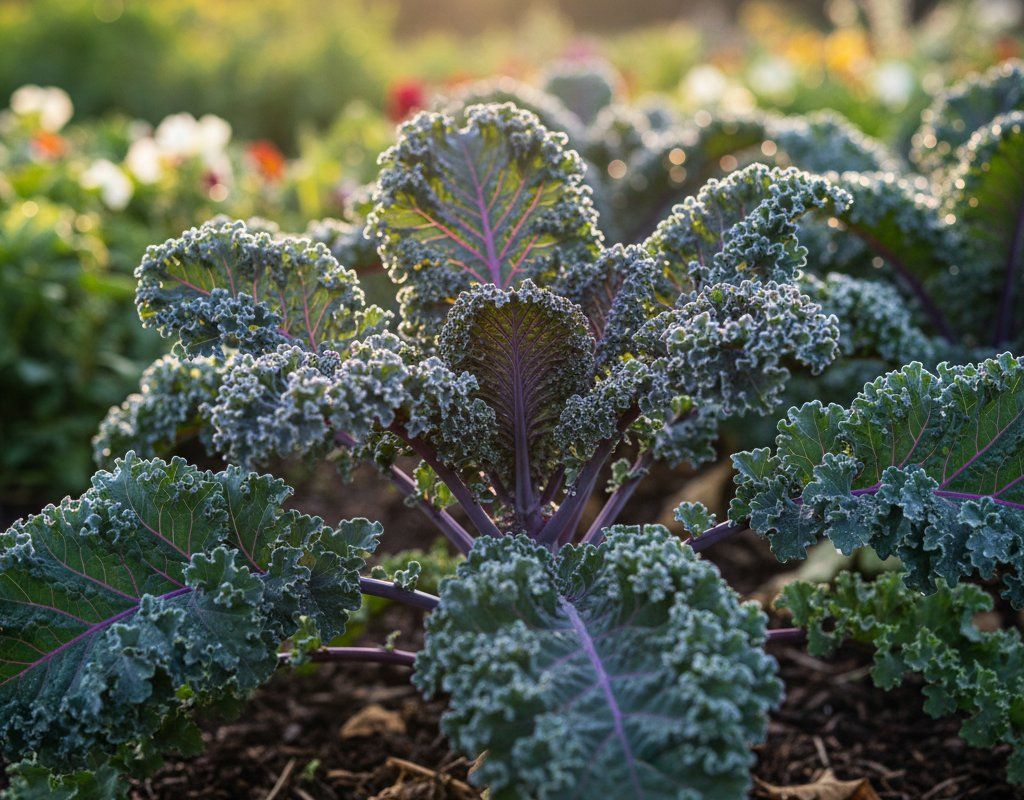
Kale in Zone 10B — Florida
Brassica oleracea var. sabellica · Your Complete 2026 Planting Guide
Harvest Time!
Your Kale should be producing now!
Harvest Tips
Harvest when heads are firm and tight, before they start to loosen.
How to Plant Kale in Zone 10B — Florida
Here are all your options for getting kale in the ground, from the easiest method to more advanced approaches.
Direct Sow Seeds
RecommendedEarly December through late October
around December 8
Consider succession planting every 2-3 weeks for continuous harvest.
Hardy and easy to direct sow in spring or late summer for fall harvest.
Start Seeds Indoors
RecommendedMid November through early December
around November 24
Then transplant: Late December through mid January
Start seeds 4-6 weeks before transplanting outdoors.
Buy Starts
Works WellLate December through mid January
around December 22
Plant purchased starts after last frost (January 5).
Transplant Outdoors
Timing InfoLate December through mid January
around December 22
Can tolerate light frost, but wait for soil to be workable.
You have a nice window — no need to rush.
Fall Planting
Mid October through mid November
October 29 ideal · Direct sow for fall harvest
Plant a second crop in mid-summer for fall harvest. Kale actually prefers the cooling temperatures of fall.
Overview
Kale is one of the best cool-season greens for Florida gardens, delivering nutrient-packed leaves when most other crops struggle in our reversed growing calendar. While northern gardeners are battling snow, you'll be harvesting tender, sweet kale from December through March, enjoying fresh salads and sautéed greens when store-bought options are expensive and lackluster. The crop thrives in our mild winter temperatures and actually sweetens up after those occasional light frosts we get in late December and January.
Our subtropical climate presents unique challenges with extreme humidity, fungal diseases, and nematodes in sandy soil, but kale's natural hardiness makes it manageable with proper timing. The key is working with Florida's 360-day growing season by planting when temperatures drop below the brutal summer heat. Skip the summer months entirely and focus your energy on fall through spring production when kale truly shines in our region.
Starting Seeds Indoors
Starting kale seeds indoors works well in Florida, though it's not essential since our mild winters allow reliable direct seeding. Start your seeds from mid-November through early December, about 4 weeks before you plan to transplant outdoors. This timing lets you get a head start while avoiding the worst of summer's heat and humidity that can stress seedlings.
Use standard seed starting trays with good drainage and keep them in a warm spot around 65-75°F for best germination. Bottom watering works particularly well for kale seedlings since it reduces the fungal issues that our high humidity can encourage. A simple seed starting light or bright windowsill provides enough illumination during our shorter winter days.
The main advantage of indoor starting in Florida is getting larger, more established plants ready to transplant when conditions are perfect. This method also lets you start varieties that might struggle with direct seeding during our occasional December warm spells that can confuse germination timing.
Transplanting Outdoors
Transplant your kale seedlings outdoors from late December through mid-January when nighttime temperatures consistently stay in the 50s and 60s. This timing takes advantage of our coolest months while avoiding any surprise late December frosts that occasionally hit our area. Your plants should have 3-4 true leaves and be around 3-4 inches tall before transplanting.
Harden off seedlings gradually over a week by placing them outside for increasing periods each day, starting with just 2-3 hours of morning sun. Our intense Florida sun can shock indoor-grown plants even in winter, so this gradual exposure prevents transplant stress. Choose a spot with morning sun and afternoon shade if possible, since even winter sun can be surprisingly strong here.
Space transplants 12-18 inches apart in your prepared bed, setting them at the same depth they were growing in their containers. Water them in well and consider temporary shade cloth for the first few days if we're having one of those unseasonably warm winter stretches that Florida is known for.
Direct Sowing
Direct sowing kale works beautifully in Florida from early December through late October, taking advantage of our long cool season. This method actually works better than transplanting for many gardeners since kale doesn't love having its roots disturbed, and our mild winters rarely kill direct-seeded plants. Sow seeds when soil temperatures drop into the 60s consistently, usually after our first real cool front moves through.
Prepare your planting area by working compost into our typically sandy soil, which helps with both drainage and moisture retention. Plant seeds about ½ inch deep and 2-3 inches apart, then thin to final spacing of 12-18 inches once they're up and growing. The germination rate is excellent in our climate during the right season.
Fall planting from mid-October through mid-November gives you the longest harvest window, with plants producing from December through March or even April in mild years. Just avoid summer sowing entirely – the heat and humidity will stress the plants beyond recovery, and you'll be fighting fungal diseases constantly.
Watering Kale in Zone 10B (Florida)
Kale needs consistent moisture for tender, mild-flavored leaves, but Florida's wet summers and dry winters require a flexible watering approach. During our typical 50-65 inch annual rainfall pattern, summer-planted crops get plenty of natural water, but since you'll be growing kale during our drier winter months, you'll need to supplement regularly. Check soil moisture with the finger test – stick your finger 2 inches deep, and if it's dry, it's time to water.
Provide about 1-1.5 inches of water per week during active growth, adjusting based on our unpredictable winter weather patterns. Some weeks you'll get soaking rains from cold fronts, other weeks you might go 10 days without a drop. Water at the base of plants rather than overhead to minimize fungal issues in our consistently high humidity – even winter humidity stays around 60-80% most days.
Under-watered kale develops thick, bitter leaves and may bolt prematurely when warm weather returns. Over-watering in our sandy soil is less common but shows up as yellowing lower leaves and stunted growth. The key is steady, moderate moisture rather than feast-or-famine cycles.
Apply a 2-3 inch layer of organic mulch around plants to help maintain consistent soil moisture and suppress weeds. In Florida's climate, stick with light-colored mulches like straw or shredded leaves rather than dark mulches that can hold too much heat and moisture against the plant base.
🧪Fertilizing Kale
Feeding Schedule
Organic Fertilizer Options
Harvest Time
Your first kale harvest typically begins from early February through early January, about 55 days from seeding, though this varies with variety and weather conditions. Start harvesting when outer leaves reach 8-10 inches long and feel substantial but still tender – they should snap crisply rather than bend when you fold them. The leaves taste best when they're deep green and haven't been stressed by heat or drought.
Cut or pinch individual outer leaves at the base, always leaving the central growing point intact for continued production. A single plant can produce for 3-4 months with this cut-and-come-again harvesting method, giving you steady pickings through our entire cool season. Take no more than one-third of the plant at any harvest to keep it vigorous and productive.
Cool morning harvests give you the best leaf quality, especially during those warmer winter days when afternoon temperatures climb into the 80s. The flavor actually improves after light frosts, becoming sweeter and less bitter – one of the advantages of Florida's occasional December and January cold snaps that stress tropical plants but benefit cool-season crops like kale.
As temperatures warm consistently into the 80s in late March or April, the plants will start to bolt and leaves become increasingly bitter. At this point, harvest heavily for one final big picking, or let the plants go to seed if you want to save seed for next year's crop.
Common Problems in Zone 10B (Florida)
Aphids show up as clusters of tiny, soft-bodied insects on stems and the undersides of leaves, often accompanied by sticky honeydew residue and curled new growth. These sap-sucking pests multiply rapidly in Florida's warm weather, and ant colonies often farm them for their sweet secretions, creating a double problem. Our mild winters mean aphid populations never get knocked back by hard freezes like they do up north.
Strong water spray knocks them off effectively, and encouraging natural predators like ladybugs and lacewings helps long-term control. Insecticidal soap works well for heavy infestations, and neem oil provides systemic protection. Avoid over-fertilizing with nitrogen, which creates the tender new growth that aphids love – especially important in our sandy soils where nutrients leach quickly.
Cabbage worms appear as smooth green caterpillars that chew irregular holes in leaves, leaving behind dark green droppings. You'll often see white butterflies hovering around your plants during the day – these are the adults laying eggs for the next generation. Florida's warm climate allows multiple generations per season, making this an ongoing concern rather than a one-time problem.
Bt (Bacillus thuringiensis) spray is highly effective and safe for organic gardens. Floating row covers prevent the butterflies from laying eggs in the first place, though you'll need to remove them during flowering if you're saving seed. Hand-picking caterpillars works well for small plantings, and interplanting with aromatic herbs like thyme and sage helps deter the adult butterflies naturally.
Flea beetles create tiny round holes in a shot-hole pattern across leaves, and you'll notice small dark beetles that jump away when you disturb the plants. These are most damaging to young seedlings and can quickly destroy small plants before they get established. The beetles thrive in Florida's warm, humid conditions and can be active almost year-round.
Row covers protect vulnerable seedlings during their first few weeks, and delaying planting until plants are larger helps them outgrow the damage. Kaolin clay coating makes leaves less appealing to the beetles, and neem oil spray provides some deterrent effect. Interplanting with basil or catnip can help repel them naturally.
Florida Specific Challenges: Our extreme humidity creates perfect conditions for fungal diseases, while the sandy soil means nutrients and water drain away quickly, stressing plants and making them more susceptible to pest problems. The lack of hard freezes means pest populations build up over successive generations without natural die-backs, requiring more vigilant monitoring and intervention throughout the growing season.
Best Companions for Kale
Plant these nearby for healthier Kale and better harvests.

Keep Away From
Companion Planting Details
Kale pairs beautifully with other cool-season crops that share similar growing requirements in Florida's reversed calendar. Plant beets nearby – they don't compete for space since kale grows upright while beets develop underground, and both prefer the same moderate moisture and fertility levels. Celery makes an excellent neighbor because it appreciates partial shade during our sometimes-intense winter sun, and kale's broader leaves provide just enough protection while both crops enjoy similar watering schedules.
Onions and potatoes work as natural pest deterrents, with onions helping repel aphids and flea beetles while potatoes' different root zone prevents competition. Avoid planting kale near tomatoes, peppers, or strawberries since these crops have different nutrient and water needs, and in Florida's climate, mixing warm and cool-season crops often leads to watering conflicts and pest crossover problems that are harder to manage in our high-humidity environment.
🌸Best Flowers to Plant with Kale
These flowers protect your Kale from pests and attract pollinators for better harvests.




Get a Reminder When It's Time to Plant
We'll email you when key planting windows open for your zone.