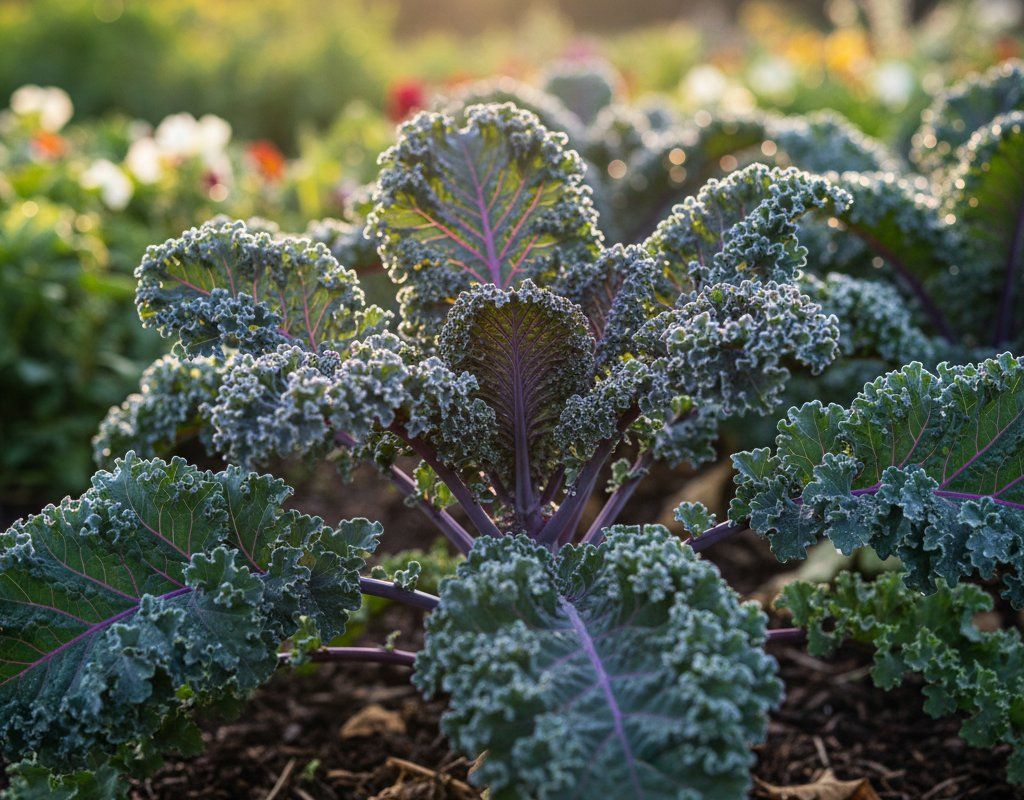
Kale in Zone 5B — Mountain West
Brassica oleracea var. sabellica · Your Complete 2026 Planting Guide
Planning Ahead — Great!
You’re ahead of the season. Here’s when to start.
Mark Your Calendar
How to Plant Kale in Zone 5B — Mountain West
Here are all your options for getting kale in the ground, from the easiest method to more advanced approaches.
Direct Sow Seeds
RecommendedEarly April through late July
around April 7
Consider succession planting every 2-3 weeks for continuous harvest.
Hardy and easy to direct sow in spring or late summer for fall harvest.
Start Seeds Indoors
RecommendedMid March through early April
around March 24
Then transplant: Late April through mid May
Start seeds 4-6 weeks before transplanting outdoors.
Buy Starts
Works WellLate April through mid May
around April 21
Plant purchased starts after last frost (May 5).
Transplant Outdoors
Timing InfoLate April through mid May
around April 21
Can tolerate light frost, but wait for soil to be workable.
You have a nice window — no need to rush.
Fall Planting
Mid July through mid August
July 30 ideal · Direct sow for fall harvest
Plant a second crop in mid-summer for fall harvest. Kale actually prefers the cooling temperatures of fall.
Overview
Kale thrives in our Mountain West climate like few other greens can. Those cool nights that drop into the 40s even in midsummer? They're perfect for developing kale's signature sweet, complex flavor that store-bought simply can't match. Our intense high-altitude sun provides the energy this leafy powerhouse needs while our low humidity keeps many common leaf diseases at bay.
Yes, our 149-day growing season feels short and our late springs can test your patience. But kale's frost-hardy nature means you can plant earlier than most crops and harvest well into October. The key is understanding that our Mountain timing runs about 3-4 weeks behind what you'll read in generic gardening advice – and that's exactly what makes kale such a reliable performer here.
Starting Seeds Indoors
Starting kale seeds indoors makes sense if you want an early summer harvest or need to work around our unpredictable late spring weather. Start seeds in mid-March through early April, about 4 weeks before you plan to transplant outside. This gives you sturdy seedlings ready for our late April to mid-May transplant window.
Use standard seed trays with good drainage and keep them at 60-65°F for germination. A sunny south window works, but supplemental grow lights help in our intense but variable spring light. Bottom watering prevents damping-off disease and keeps those tender stems from getting waterlogged.
Since our springs arrive late and can swing from snow to 70°F in a matter of days, indoor starting gives you more control. You can wait out those last cold snaps while your seedlings develop strong root systems indoors.
Transplanting Outdoors
Plan to transplant your kale seedlings from late April through mid-May, once nighttime temperatures consistently stay above 25°F. Our Mountain springs can fool you with warm days, but those sudden cold snaps will set back tender transplants significantly.
Harden off seedlings gradually over a full week – our intense UV and temperature swings require more adjustment time than lower elevations. Start with 2 hours of morning sun, gradually increasing exposure. Space plants 12-18 inches apart to allow good air circulation in our low humidity conditions.
Watch the weather closely during transplant season. A late spring snow isn't uncommon, but established kale can handle it better than most crops. Have row covers ready for unexpected cold snaps that dip below 20°F.
Direct Sowing
Direct sowing kale works beautifully in our Mountain climate, especially for fall harvests. Sow seeds from early April through late July, depending on when you want to harvest. Spring sowings (early April to mid-May) give you summer greens, while mid-July through mid-August sowings provide sweet fall kale.
Prepare your soil once it's workable – usually by early April at our elevation. Kale germinates well in cool soil (45-50°F), which plays to our strengths since our soil warms slowly in spring. Plant seeds ¼ inch deep and thin to 12-18 inches apart once seedlings are 3-4 inches tall.
For fall crops, direct sowing in mid to late July works perfectly. The plants establish during warm summer weather but mature as temperatures cool, resulting in the sweetest, most tender leaves you'll ever taste. This timing also avoids the cabbage butterfly peak that happens in early summer.
Watering Kale in Zone 5B (Mountain West)
Kale needs consistent moisture but not soggy conditions – about 1-1.5 inches per week including rainfall. In our dry Mountain climate where we typically get only 10-20 inches of rain annually, you'll be providing most of this through irrigation from late spring through early fall.
Water deeply at soil level rather than overhead to maximize efficiency in our low humidity environment. Our intense sun and dry air mean surface watering evaporates quickly before reaching roots. Use the finger test: if the top 2 inches of soil feel dry, it's time to water thoroughly until you see water draining from the bottom of the root zone.
Summer watering becomes critical during our moderate heat periods when temperatures hit the mid-80s for several days. Unlike humid regions, our low humidity means plants lose moisture rapidly through their leaves. Watch for slightly wilted leaves in late afternoon – this is your cue that watering frequency needs to increase.
A 2-3 inch layer of organic mulch helps tremendously in our conditions, conserving soil moisture while moderating soil temperature swings. Straw or shredded leaves work well and won't blow away in our frequent winds like some lighter mulches might.
🧪Fertilizing Kale
Feeding Schedule
Organic Fertilizer Options
Harvest Time
Start harvesting outer leaves when they reach 8-10 inches long, typically 55 days from planting. In our climate, this usually means early June for spring plantings and early September for summer sowings. Always cut from the outside of the plant, leaving the growing center intact to keep producing new leaves.
The best-tasting kale comes after our first light frosts in early fall – those cool nights convert starches to sugars, creating incredibly sweet, tender leaves. This is when Mountain-grown kale truly shines compared to warm-climate kale that can be tough and bitter.
You can continue harvesting throughout our growing season until hard freezes arrive in October. In mild fall years, kale often survives into November under a row cover. The plants become more cold-hardy as they mature, tolerating temperatures down to 10-15°F once established.
For the sweetest harvest, pick leaves in the early morning after cool nights. Our low humidity means they stay crisp longer after harvest than in more humid climates. Young leaves work great in salads, while older leaves are perfect for cooking applications.
Common Problems in Zone 5B (Mountain West)
Aphids cluster on stems and leaf undersides as small, soft-bodied insects that can be green, black, or white. You'll notice sticky honeydew residue and curled new growth, especially during warm spells when our temperatures reach the 80s. Our low humidity actually helps – aphid populations don't explode as quickly as they do in humid regions. Knock them off with a strong water spray in early morning, encourage beneficial insects with diverse plantings, and use insecticidal soap for heavy infestations. The good news is our cool nights slow their reproduction considerably.
Cabbage worms appear as smooth green caterpillars that chew irregular holes in leaves, leaving dark green droppings behind. You'll spot white butterflies hovering around your plants in late spring and summer. Our short season means fewer generations than warmer climates, but they can still damage crops. Bt spray works excellently in our dry climate where it doesn't wash off quickly. Floating row covers prevent egg-laying, and our intense UV actually helps activate Bt more effectively than in cloudier regions.
Flea beetles create tiny round holes that look like shot-hole damage, especially on young seedlings. These small, dark beetles jump when disturbed and cause the most damage early in the season. Our cool spring soil actually helps here – flea beetles emerge later than in warmer zones, giving plants more time to establish. Row covers during the vulnerable seedling stage work perfectly in our low-humidity environment where they don't create excess moisture problems.
Mountain West Specific Challenges: Our intense UV can stress plants already dealing with pest damage, making protection even more important. Hail is always a concern – damaged leaves are more susceptible to pest problems. Our alkaline soil can create nutrient deficiencies that weaken plants' natural pest resistance, so soil amendments become crucial for healthy, resilient kale.
Best Companions for Kale
Plant these nearby for healthier Kale and better harvests.

Keep Away From
Companion Planting Details
Plant kale near beets and onions for a winning combination in our Mountain conditions. Beets share kale's preference for cool weather and consistent moisture, while their taproot brings up nutrients from deeper in our often-shallow topsoil. Onions repel many pests that target brassicas and their shallow roots won't compete with kale's feeding zone. Both companions also handle our alkaline soil well.
Potatoes make excellent neighbors since they mature early in our short season, freeing up space and nutrients for kale's continued growth into fall. Avoid planting kale near tomatoes and peppers – these heat-lovers need warmer soil and more protection in our climate, creating competing management needs. Strawberries should be kept separate since they prefer slightly acidic soil while kale tolerates our naturally alkaline conditions better.
🌸Best Flowers to Plant with Kale
These flowers protect your Kale from pests and attract pollinators for better harvests.




Get a Reminder When It's Time to Plant
We'll email you when key planting windows open for your zone.