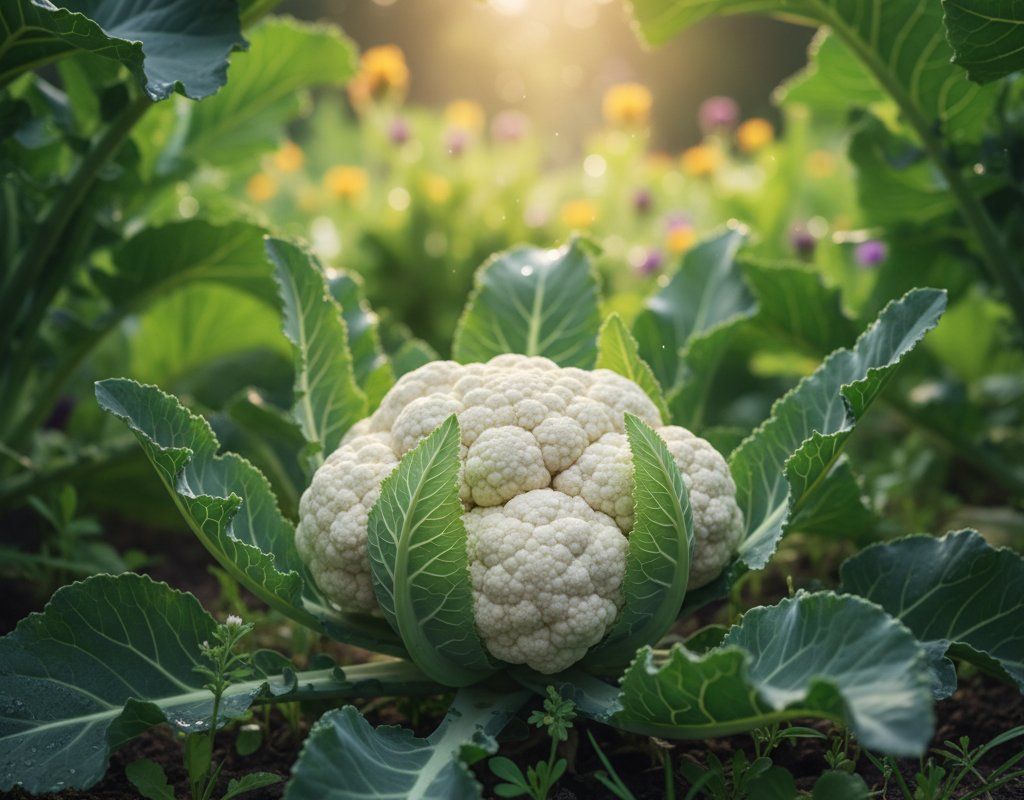
Cauliflower in Zone 5B — Mountain West
Brassica oleracea var. botrytis · Your Complete 2026 Planting Guide
Ideal Time: Start Seeds Indoors!
This is the perfect time for the biggest, best harvest.
Start Seeds Now
- Start seeds in trays or pots with seed-starting mix
- Keep soil moist and warm (70-80°F)
- Transplant outdoors Late April through mid May
Not Starting from Seed?
Buy starts around April 21 — that works great too!
How to Plant Cauliflower in Zone 5B — Mountain West
Here are all your options for getting cauliflower in the ground, from the easiest method to more advanced approaches.
Start Seeds Indoors
RecommendedEarly to late March
around March 10
Then transplant: Late April through mid May
Start seeds 6-8 weeks before transplanting outdoors.
Cauliflower is fussy. Starting indoors gives you more control.
Buy Starts
Works WellLate April through mid May
around April 21
Plant purchased starts after last frost (May 5).
Direct Sow Seeds
ChallengingDirect sowing is not typical for Cauliflower.
Transplant Outdoors
Timing InfoLate April through mid May
around April 21
Can tolerate light frost, but wait for soil to be workable.
You have a nice window — no need to rush.
Fall Planting
Mid July through mid August
July 30 ideal · Transplant for fall harvest
Plant a second crop in mid-summer for fall harvest. Cauliflower actually prefers the cooling temperatures of fall.
Overview
Cauliflower thrives in our Mountain West climate, producing sweet, dense heads that put grocery store versions to shame. The cool nights we experience even in summer help develop that perfect crisp texture and mild flavor, while our intense sunlight provides the energy cauliflower needs for steady growth. Our low humidity also means fewer disease issues compared to gardeners in muggy climates.
The challenge here is our short 149-day growing season and late spring start, but cauliflower actually prefers cooler conditions anyway. Starting seeds indoors gives you complete control over timing, letting you work around our unpredictable spring weather and get transplants ready for our prime growing window.
Starting Seeds Indoors
Start your cauliflower seeds indoors during early to late March, about 6 weeks before you plan to transplant outside. This timing works perfectly with our late spring character - you'll have strong seedlings ready when soil conditions finally cooperate in late April or early May.
Set up seed trays with quality seed-starting mix and keep them warm (70-75°F) for germination. Once seedlings emerge, provide strong light - either a south-facing window or grow lights positioned 2-3 inches above the plants. Bottom watering works best to prevent damping off; set trays in shallow water and let the soil absorb moisture from below.
Cauliflower is notoriously fussy about root disturbance, so consider starting seeds in individual cells rather than flats. This makes transplanting much smoother and reduces transplant shock, which can cause buttoning (premature tiny heads) later on.
Transplanting Outdoors
Plan to transplant your cauliflower seedlings outside from late April through mid-May, after the soil has warmed slightly and nighttime temperatures stay above 45°F consistently. Start hardening off seedlings one week before transplanting by gradually exposing them to outdoor conditions - a few hours the first day, increasing daily.
Space plants 18-24 inches apart in rows, giving them room to develop their large heads without crowding. Choose a spot with full sun to partial shade - in our intense Mountain sunlight, a bit of afternoon shade can actually help prevent stress during the warmest part of summer.
Watch for late cold snaps during transplant time. Have row covers ready to protect young plants if temperatures threaten to drop below 40°F, which can trigger buttoning even in established transplants.
Watering Cauliflower in Zone 5B (Mountain West)
Cauliflower demands consistent moisture and is extremely sensitive to watering stress - more so than most vegetables. Inconsistent watering is the number one cause of buttoning (those disappointing tiny heads), so establishing a regular schedule is critical for success in our dry Mountain climate.
Check soil moisture daily using the finger test - stick your finger 2 inches down near the base of plants. The soil should feel like a wrung-out sponge, never bone dry or soggy. In our low-humidity environment, cauliflower typically needs about 1-1.5 inches of water per week, delivered in 2-3 deep waterings rather than daily sprinkles.
Water at the base of plants rather than overhead to maximize efficiency in our dry air and prevent leaf diseases. Soaker hoses or drip irrigation work exceptionally well here. During our moderate summer heat (typically 85°F), you'll likely need to water every other day, increasing to daily during heat waves above 90°F.
Apply a 2-3 inch layer of straw or shredded bark mulch around plants to help retain moisture in our arid conditions. Watch for signs of water stress: wilting during the heat of day (normal) that doesn't recover by evening (problem), or blue-green leaves that should be bright green. Overwatering shows up as yellowing lower leaves and stunted growth.
🧪Fertilizing Cauliflower
Feeding Schedule
Organic Fertilizer Options
Harvest Time
Your first cauliflower heads will be ready for harvest from late June through mid-August, roughly 70 days after transplanting. Look for compact, firm white heads that measure 6-8 inches across - they should feel solid and heavy when you lift them gently.
Cut heads in the early morning when they're cool and crisp. Use a sharp knife to slice through the main stem about 2 inches below the head, leaving some wrapper leaves attached for protection. Don't wait too long - once the individual curds (the small sections that make up the head) start to separate or show any yellowing, quality drops quickly.
Check plants daily once heads start forming because cauliflower doesn't hold well on the plant like cabbage does. Some varieties will produce small side shoots after the main head is harvested, but these are usually much smaller and less impressive than the primary head.
As our first frost approaches in early October, harvest any remaining heads regardless of size. Cauliflower won't survive frost, and even small heads are better roasted or added to soups than left to freeze in the garden.
Common Problems in Zone 5B (Mountain West)
Buttoning (Premature Small Heads) Small, loose heads that form when plants are only 6-8 inches tall instead of full-sized plants. Heads may be golf ball-sized or smaller and often have a ricey texture rather than tight curds. This is the most common cauliflower failure in our region.
Buttoning happens when plants experience stress during their early growth - inconsistent watering, root disturbance during transplanting, or exposure to temperatures below 50°F for extended periods. Our cool nights can trigger this if plants aren't well-established before transplanting.
Prevent buttoning by maintaining consistent soil moisture, starting seeds indoors for stronger transplants, and using row covers if nighttime temperatures drop unexpectedly. Once buttoning occurs, there's no fix - harvest the small heads and use them, then start over with new plants.
Cabbage Worms Smooth green caterpillars about 1 inch long that chew irregular holes in cauliflower leaves. You'll also notice dark green droppings on leaves and may see white butterflies fluttering around your plants during the day. Heavy infestations can strip plants completely.
These are larvae of imported cabbage white butterflies, which lay eggs on brassica family plants throughout the growing season. Our moderate summer temperatures create ideal conditions for multiple generations, with peak activity in mid-summer.
Bt (Bacillus thuringiensis) spray is highly effective and organic - apply it in late afternoon to avoid harming beneficial insects. Floating row covers prevent egg-laying but remove them once heads start forming for proper development. Hand-picking works for small infestations, and planting aromatic herbs like thyme nearby helps deter adult butterflies.
Heat Stress Leaves develop a purple or blue-green tinge, growth slows dramatically, and heads may form prematurely or fail to develop properly. Plants look generally stunted despite adequate water and nutrients. This typically occurs during heat waves above 90°F.
While our Mountain climate is generally moderate, occasional heat spells combined with intense UV at altitude can stress cool-season crops like cauliflower. The problem is worse when high temperatures are sustained for several days running.
Provide afternoon shade during heat waves using shade cloth (30% works well) or plant taller companions on the west side. Increase watering frequency but don't overwater. Mulch heavily to keep roots cool, and consider misting leaves early in the morning to help plants cope with low humidity and intense sun.
Mountain West Specific Challenges: Our intense UV radiation at altitude can cause more rapid moisture loss from leaves, while low humidity means plants transpire more water than at sea level. The combination of dry air and temperature swings requires more attentive watering than cauliflower growing in humid climates.
Best Companions for Cauliflower
Plant these nearby for healthier Cauliflower and better harvests.

Keep Away From
Companion Planting Details
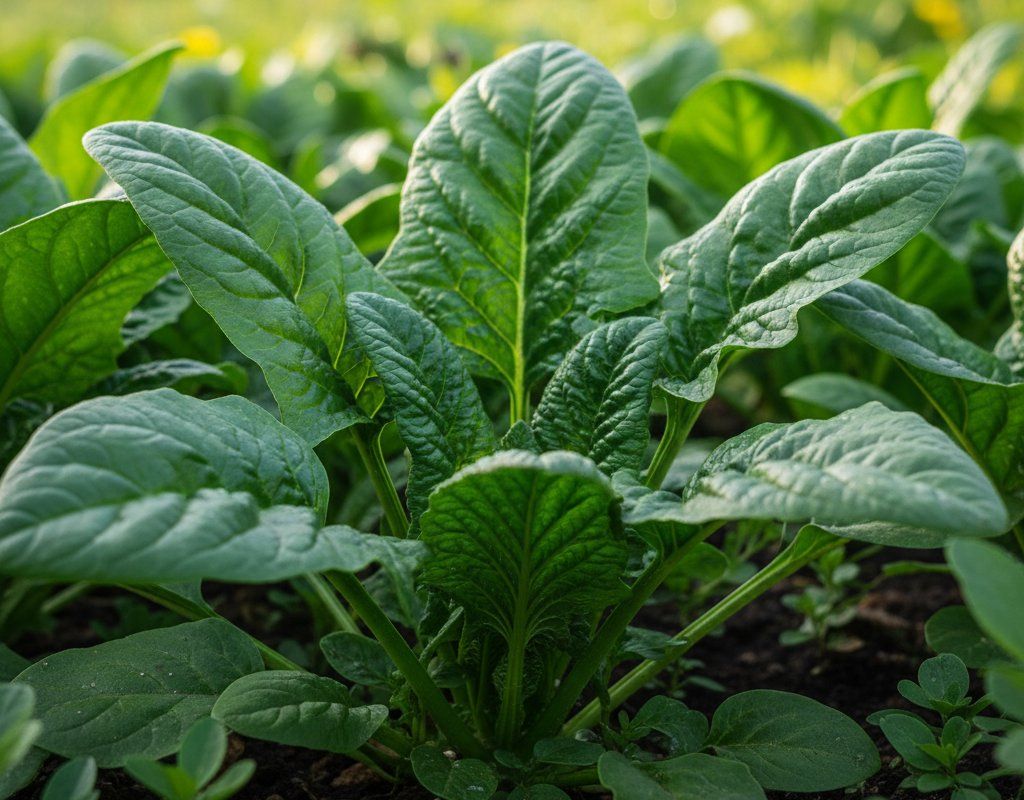
Plant cauliflower with beets and spinach, which stay low and won't shade your cauliflower while making efficient use of space between the widely-spaced plants. Onions planted nearby help deter cabbage worms and other pests with their strong scent, while celery makes a good companion because it has similar water needs and won't compete for nutrients.
Avoid planting cauliflower near tomatoes, peppers, or strawberries. These plants have very different watering needs - tomatoes and peppers prefer deeper, less frequent watering once established, while strawberries can harbor pests that also attack brassicas. In our dry climate, it's especially important to group plants with similar water requirements together for efficient irrigation.
🌸Best Flowers to Plant with Cauliflower
These flowers protect your Cauliflower from pests and attract pollinators for better harvests.




Get a Reminder When It's Time to Plant
We'll email you when key planting windows open for your zone.