
Lavender in Zone 5A — Great Plains
Lavandula angustifolia · Your Complete 2026 Planting Guide
Last Call for Seed Starting!
Indoor seed starting window closes in 10 days.
Start Seeds This Week
Start seeds now for transplanting later.
Or Wait for Starts
If you don’t want to start seeds, starts will be available around May 9.
How to Plant Lavender in Zone 5A — Great Plains
Here are all your options for getting lavender in the ground, from the easiest method to more advanced approaches.
Buy Starts
RecommendedEarly to late May
around May 9
Plant purchased starts after last frost (April 25).
Lavender is difficult and slow from seed. Buy starts for reliable results.
Start Seeds Indoors
Works WellLate February through mid March
around February 28
Then transplant: Early to late May
Start seeds 10-12 weeks before transplanting outdoors.
Direct Sow Seeds
ChallengingDirect sowing is not typical for Lavender.
Transplant Outdoors
Timing InfoEarly to late May
around May 9
Can tolerate light frost, but wait for soil to be workable.
Plan to transplant within a few weeks of your target date.
Overview
Lavender is a fantastic addition to any Great Plains garden. Its fragrance is wonderful in the air and in your baked goods, and the dried flowers add beauty to your home year-round. Plus, it's a pollinator magnet, drawing bees and butterflies to your yard.
Our region can throw some extreme weather your way, but don't let that scare you off. With the right timing and a little planning, you can absolutely grow lavender here. Our 168-day growing season gives you a solid window to work with.
Starting Seeds Indoors
Starting lavender from seed indoors is possible, but it can be a slow and somewhat finicky process. Honestly, for most Plains gardeners, buying established starts from a local nursery is the easier, more reliable route. But if you're up for a challenge:
Start your seeds indoors from late February through mid March. That's about 10 weeks before you'll want to transplant them outside. Use seed trays with a good seed-starting mix, provide warmth (a heat mat helps), and give them plenty of light, either from a grow light or a very sunny window. Bottom watering is ideal to prevent damping off. Remember that spring in the Plains can be variable, so be prepared to adjust your indoor setup as needed based on the weather outside.
Transplanting Outdoors
Transplant your lavender outdoors from early to late May, once the danger of frost has passed. Before you put them in the ground, harden them off by gradually exposing them to outdoor conditions for about a week.
Space your lavender plants 12-18 inches apart. This gives them room to grow into their mature size. Keep in mind that spring weather here can be unpredictable, with late frosts and even hail possible, so watch the forecast and be ready to protect your plants if needed. For reliable results, especially in our short season, it's often best to buy starts instead of trying to grow from seed.
Watering Lavender in Zone 5A (Great Plains)
Lavender is very drought-tolerant, which makes it a great choice for the Great Plains. Overwatering is a much bigger threat than underwatering. It thrives in poor, dry soil, so don't worry about amending your prairie soil too much. Excellent drainage is essential.
During the growing season, water deeply but infrequently. A good rule of thumb is to check the soil about 2 inches down – if it's dry, it's time to water. Typically, during our hot summer months, that might mean about an inch of water per week, but adjust based on rainfall. Water at the base of the plant to avoid getting the foliage wet, which can promote disease in our low-to-moderate humidity.
Signs of underwatering include wilting or drooping leaves. Overwatering can cause yellowing leaves and, eventually, root rot. A light layer of gravel mulch around the base of the plant can help improve drainage and prevent soil from splashing onto the foliage, which can help prevent disease.
Pruning & Maintaining Lavender
Pruning is important for keeping your lavender plants healthy and productive. The main type of pruning you'll do is deadheading.
After your lavender finishes flowering, prune the spent flower stems back, shaping the plant into a nice, rounded mound. Aim to cut back about 1/3 of the plant's growth. Be careful not to cut into the old wood, as lavender doesn't typically regrow from there. As the first frost approaches around early October, you don't need to do any special end-of-season pruning. Just let the plant go dormant naturally.
🧪Fertilizing Lavender
Feeding Schedule
Organic Fertilizer Options
Harvest Time
You can expect your first lavender harvest from early August through mid September, depending on the variety and the weather conditions. The best time to harvest is when the flower buds are showing good color but haven't fully opened yet.
Cut the long stems in the morning, after the dew has dried. This is when the oils are most concentrated. To avoid damaging the plant, use sharp pruning shears and make clean cuts. Harvesting encourages continued production, so keep cutting those stems throughout the blooming season. As the first frost approaches in early October, harvest any remaining flower stems to dry and enjoy indoors.
Common Problems in Zone 5A (Great Plains)
Here are three common problems you might encounter with lavender in the Great Plains:
Root Rot from Overwatering
- What it looks like: Yellowing leaves, wilting even when the soil is moist, and a general decline in plant health. The roots will be brown and mushy.
- What causes it: Poor drainage and excessive watering. Our variable rainfall combined with heavy soils can create conditions where the roots sit in water.
- How to fix/prevent it: Ensure excellent drainage by planting in well-draining soil or raised beds. Water only when the top 2 inches of soil are dry. Avoid overwatering, especially during periods of heavy rainfall.
Shab Disease
- What it looks like: Brown or black spots on the leaves and stems, often accompanied by a general decline in plant vigor.
- What causes it: A fungal disease that thrives in humid conditions. While the Plains are generally dry, periods of high humidity can create favorable conditions for this disease.
- How to fix/prevent it: Improve air circulation around the plants by spacing them properly and pruning to remove crowded growth. Avoid overhead watering. Remove and destroy any infected plant material.
Phytophthora
- What it looks like: Similar to root rot, with yellowing leaves, wilting, and a general decline in health. The roots may be dark and water-soaked.
- What causes it: A soilborne water mold that attacks the roots. Poor drainage and overwatering contribute to this problem.
- How to fix/prevent it: Plant in well-draining soil and avoid overwatering. Improve soil drainage by amending with organic matter or planting in raised beds. There are fungicides available to treat phytophthora, but prevention is key.
Great Plains Specific Challenges: The hot summers and variable rainfall in the Great Plains can stress lavender plants, making them more susceptible to these problems. Monitoring your plants closely and adjusting your watering practices as needed is crucial for success.
Best Companions for Lavender
Plant these nearby for healthier Lavender and better harvests.

Keep Away From

Companion Planting Details
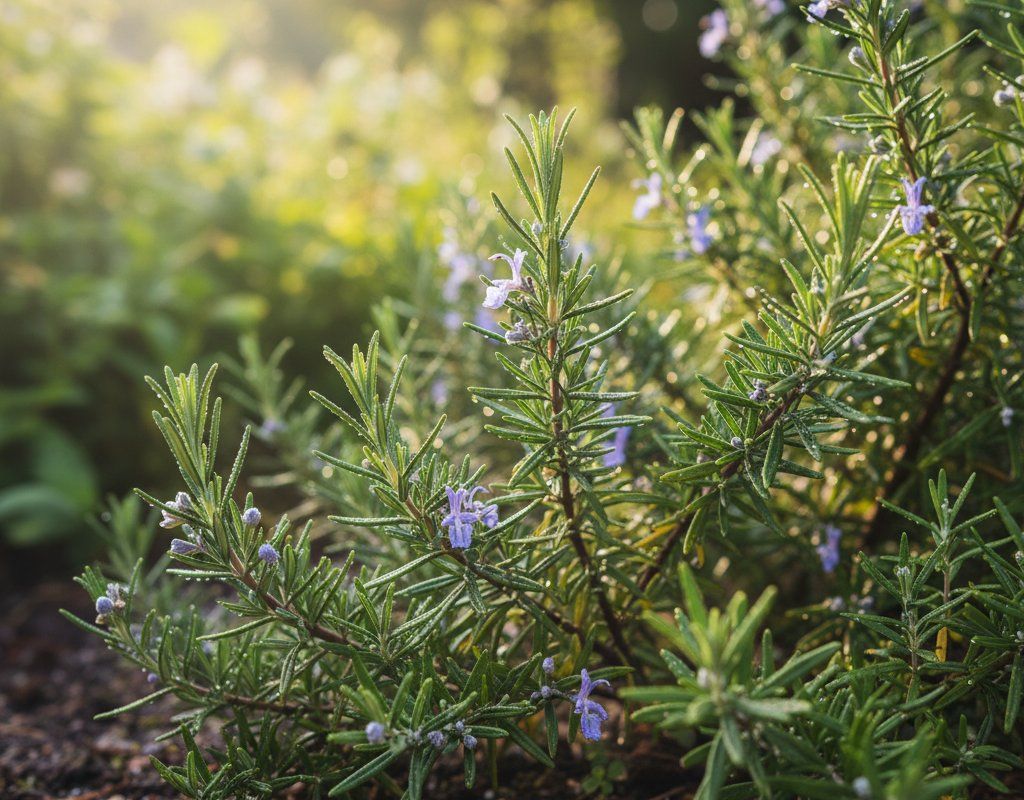
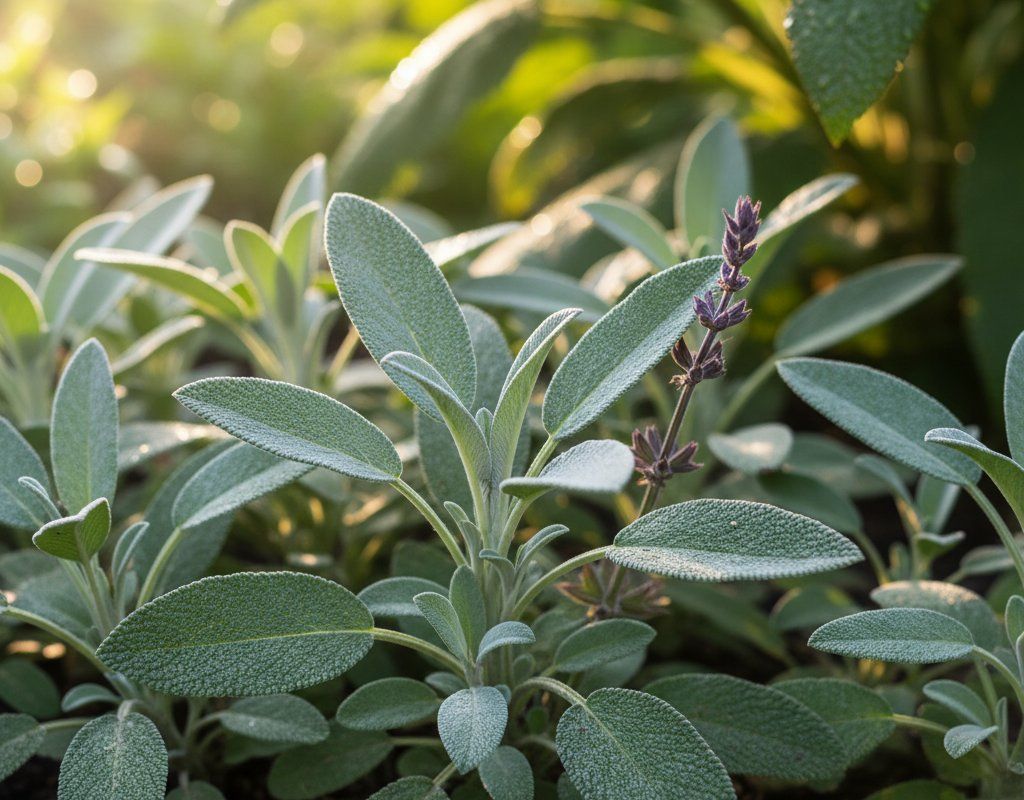
Lavender plays well with other Mediterranean herbs that enjoy similar conditions. Rosemary, thyme, and sage all make excellent companions, as they share lavender's love for full sun and well-drained soil. Roses also benefit from being planted near lavender, as lavender can help deter pests that attack roses.
Avoid planting lavender near mint. Mint is a vigorous grower that can quickly outcompete lavender for resources. Mint also prefers moist soil, which is the opposite of what lavender needs.
🥬Best Vegetables to Pair With Lavender
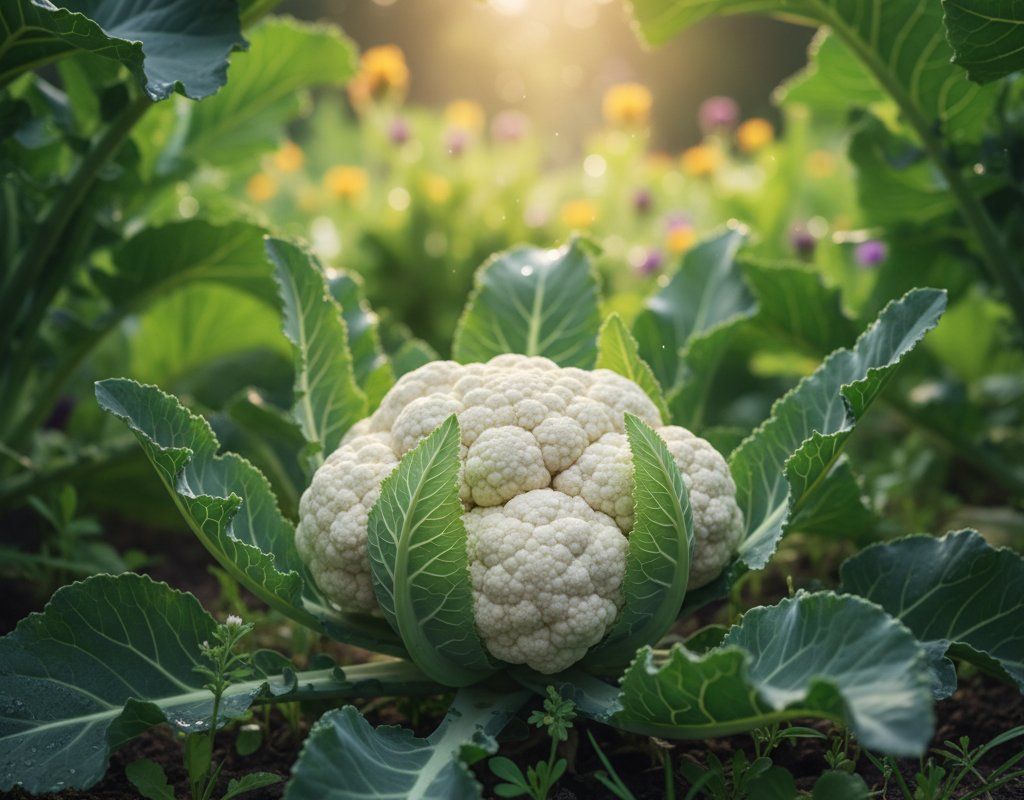
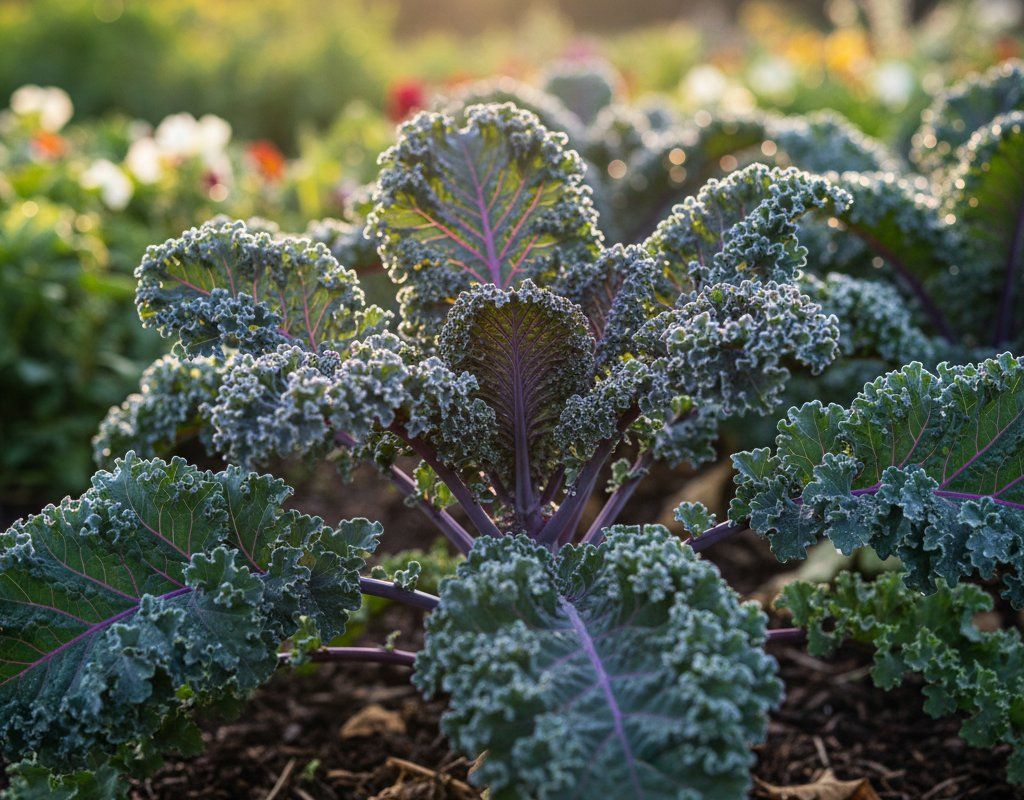
Lavender benefits these vegetables through pest control, pollinator attraction, or improved garden health.





Get a Reminder When It's Time to Plant
We'll email you when key planting windows open for your zone.