
Lavender in Zone 7A — Mid-Atlantic
Lavandula angustifolia · Your Complete 2026 Planting Guide
Missed Seed Starting? No Problem!
Wait for starts to become available.
What to Do
Starts will be available at nurseries in 46 days (around April 19).
How to Plant Lavender in Zone 7A — Mid-Atlantic
Here are all your options for getting lavender in the ground, from the easiest method to more advanced approaches.
Buy Starts
RecommendedMid April through early May
around April 19
Plant purchased starts after last frost (April 5).
Lavender is difficult and slow from seed. Buy starts for reliable results.
Start Seeds Indoors
Works WellEarly to late February
around February 8
Then transplant: Mid April through early May
Start seeds 10-12 weeks before transplanting outdoors.
Direct Sow Seeds
ChallengingDirect sowing is not typical for Lavender.
Transplant Outdoors
Timing InfoMid April through early May
around April 19
Can tolerate light frost, but wait for soil to be workable.
Plan to transplant within a few weeks of your target date.
Overview
Lavender is a fantastic addition to any Mid-Atlantic garden. Its fragrant blooms attract pollinators, and the scent is wonderful in your home. Plus, it's incredibly versatile: use it in cooking, crafts, or just enjoy its beauty in your garden through our four seasons.
Our humid summers can be a challenge for Lavender, but by choosing the right varieties and planting locations, you can enjoy this Mediterranean herb right here in Zone 7A. With our 208-day growing season, you'll have plenty of time to get a good harvest.
Starting Seeds Indoors
Starting Lavender from seed indoors is possible, but it can be slow and a bit tricky. It's generally easier to buy established starter plants from your local nursery. However, if you want to give it a try, start your seeds indoors in early to late February, about 10 weeks before you plan to transplant them outside.
Use seed trays with a well-draining seed-starting mix. Keep the soil consistently moist, but not soggy. Bottom watering can help prevent damping off. Provide plenty of light and warmth to encourage germination. Our moderate spring character means you have some leeway with timing, but don't start too early.
Transplanting Outdoors
Transplant your Lavender seedlings outdoors from mid April through early May, once the danger of frost has passed. Before transplanting, harden them off by gradually exposing them to outdoor conditions for about a week. This helps them adjust to the sunlight and temperatures.
Space your plants 12-18 inches apart in a sunny spot with well-drained soil. Keep an eye on the weather during this period; we can sometimes get a late cold snap that can stress young plants. If you opted for starter plants instead of seeds, you'll be off to a much faster start.
Watering Lavender in Zone 7A (Mid-Atlantic)
Lavender thrives on neglect when it comes to watering, which is great for our sometimes unpredictable Mid-Atlantic weather. Once established, it's very drought-tolerant, so overwatering is a much bigger threat than underwatering in our humid climate. The key is to provide excellent drainage.
During the growing season, water deeply but infrequently. Stick your finger about two inches into the soil to check for moisture. If it's still damp, don't water. A good rule of thumb is about 1 inch of water per week, including rainfall.
Always water at the base of the plant to avoid getting the foliage wet. Overhead watering in our humid summers can create the perfect environment for fungal diseases. A light layer of gravel mulch around the base of the plant can help improve drainage and prevent soil from splashing onto the leaves. Wilting or yellowing leaves can be signs of both overwatering and underwatering, so check the soil moisture carefully.
Pruning & Maintaining Lavender
Pruning is essential for maintaining healthy and productive Lavender plants. Deadhead spent flowers throughout the growing season to encourage more blooms. This means snipping off the faded flower stalks just above the foliage.
After the main flowering period, usually in late summer, prune your Lavender plants to shape them into a neat mound. Cut back about one-third of the growth, but be careful not to cut into the old wood, as it won't regrow. As our first frost approaches around late October, stop pruning to allow the plant to harden off for winter.
🧪Fertilizing Lavender
Feeding Schedule
Organic Fertilizer Options
Harvest Time
You can expect your first Lavender harvest from mid July through late August, about 90 days after planting. The best time to harvest is in the morning, after the dew has dried but before the sun gets too hot. Look for flower stems where the buds are colored but not fully open.
Cut the stems as long as possible, leaving several inches of foliage on the plant. Bundle the stems together and hang them upside down in a cool, dark, and well-ventilated place to dry. Continue harvesting throughout the blooming season to encourage continued production. As late October approaches, harvest any remaining flowers before the first frost to preserve their fragrance.
Common Problems in Zone 7A (Mid-Atlantic)
Lavender can run into a few problems in the Mid-Atlantic, mainly due to our humidity and clay soils. Here are three common issues:
Root Rot from Overwatering *What it looks like:* Wilting, yellowing leaves, and a general decline in plant health. The roots may be brown and mushy. *What causes it:* Overwatering, especially in poorly draining soil, creates a soggy environment that suffocates the roots and allows fungal pathogens to thrive. Our even rainfall and humid summers can exacerbate this problem. *How to fix/prevent it:* Ensure your Lavender is planted in well-draining soil. Amend heavy clay soil with plenty of organic matter and gravel. Water only when the top few inches of soil are dry, and avoid overwatering during periods of heavy rain.
Shab Disease *What it looks like:* Brown or black spots on the stems and leaves, often accompanied by wilting and dieback. *What causes it:* A fungal disease that thrives in humid conditions. Splashing water can spread the spores. *How to fix/prevent it:* Provide good air circulation around your Lavender plants. Avoid overhead watering. Remove and destroy any infected plant material promptly.
Phytophthora Root and Crown Rot *What it looks like:* Sudden wilting and death of the plant, often starting with the leaves turning dull green or yellow. The crown of the plant may be brown and soft. *What causes it:* A soilborne pathogen that thrives in wet conditions. Poor drainage and overwatering can create the perfect environment for this disease. *How to fix/prevent it:* Ensure your Lavender is planted in well-draining soil. Avoid overwatering. Improve soil drainage by adding organic matter and gravel.
Mid-Atlantic Specific Challenges: Our moderate-to-hot heat and humid humidity, combined with our even rainfall, create a challenging environment for Lavender. Proper soil drainage and careful watering are crucial to preventing root rot and other fungal diseases. Choosing the right location and being vigilant about monitoring your plants will help you overcome these challenges and enjoy beautiful, fragrant Lavender in your garden.
Best Companions for Lavender
Plant these nearby for healthier Lavender and better harvests.

Keep Away From

Companion Planting Details
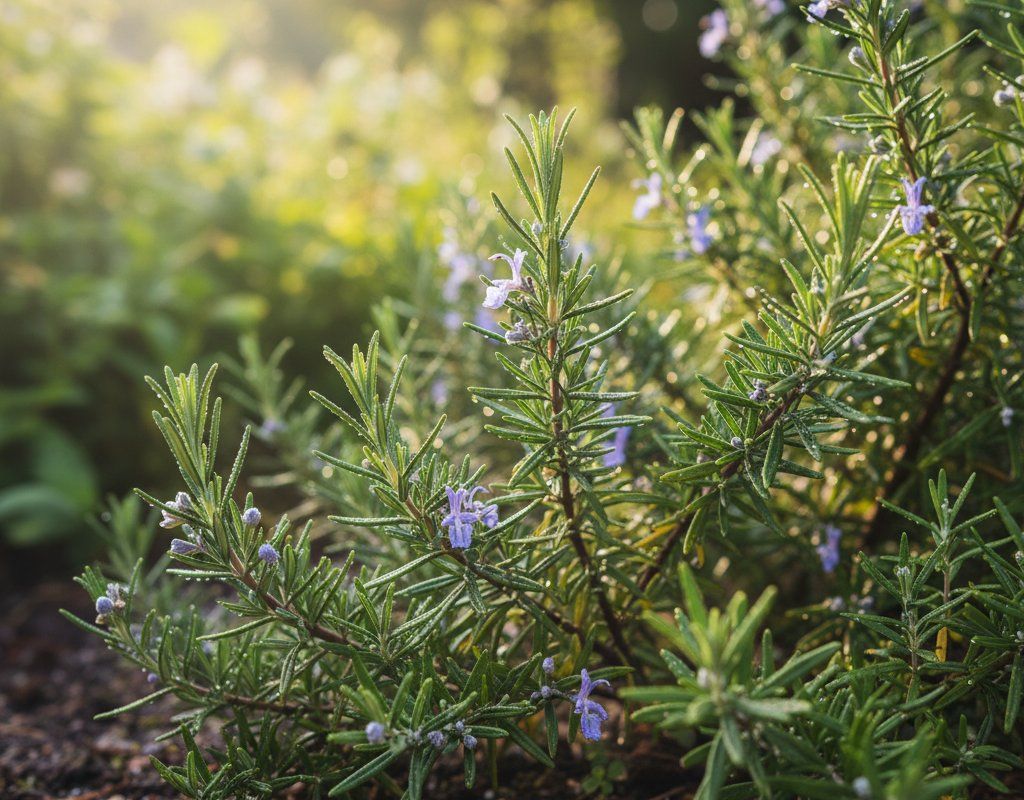
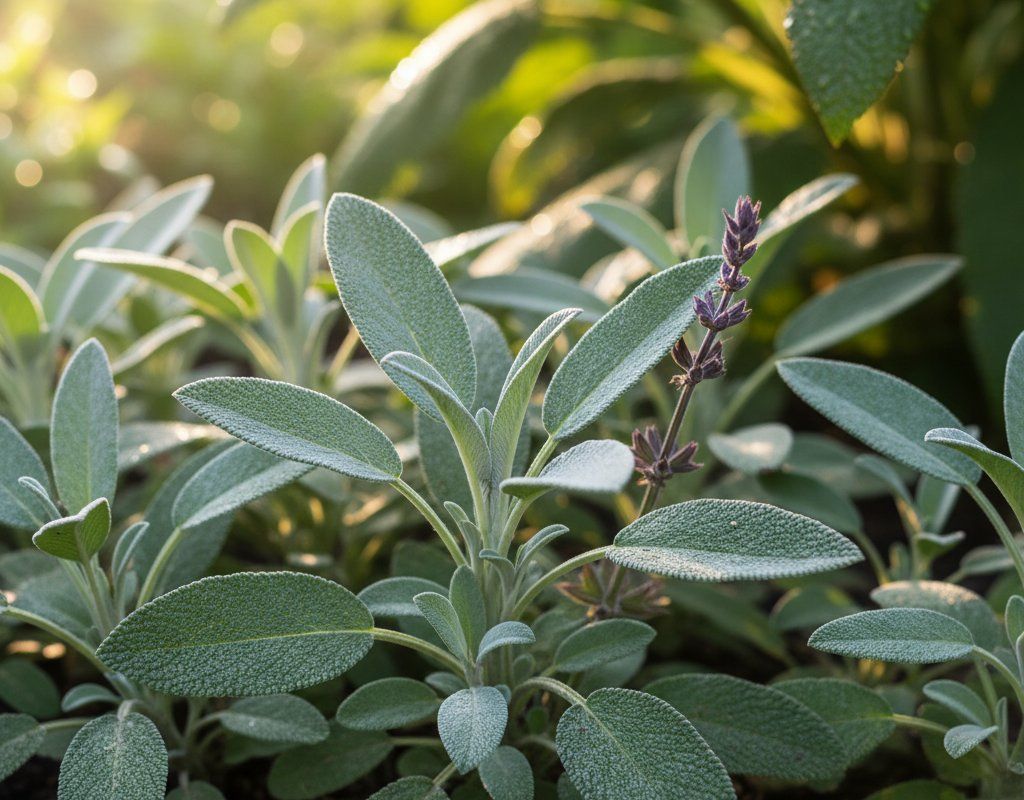
Lavender benefits from companion planting with other Mediterranean herbs that share similar growing requirements. Rosemary, thyme, and sage all thrive in full sun and well-drained soil, just like Lavender. They also help to repel certain pests that can bother Lavender, such as aphids.
Roses are also good companions for Lavender, as they both enjoy similar growing conditions and Lavender can help to deter pests that attack roses. Avoid planting Lavender near mint, as mint is a vigorous grower that can quickly spread and outcompete Lavender for resources. Plus, mint prefers moist soil, which is the opposite of what Lavender needs.
🥬Best Vegetables to Pair With Lavender
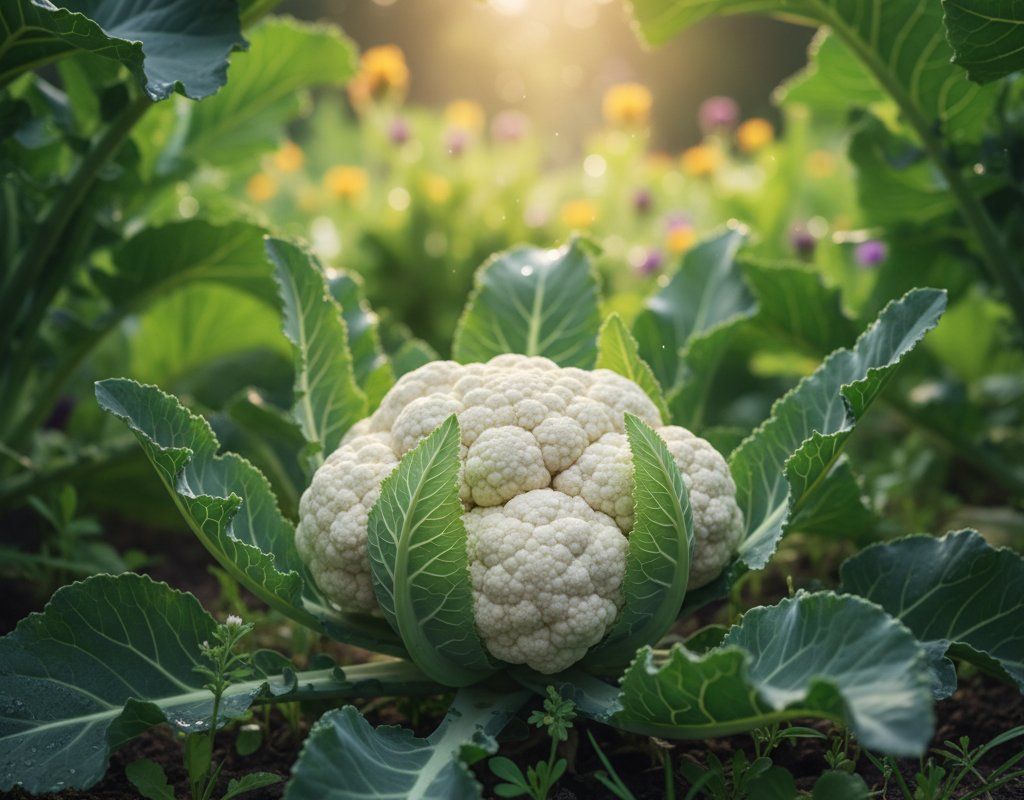
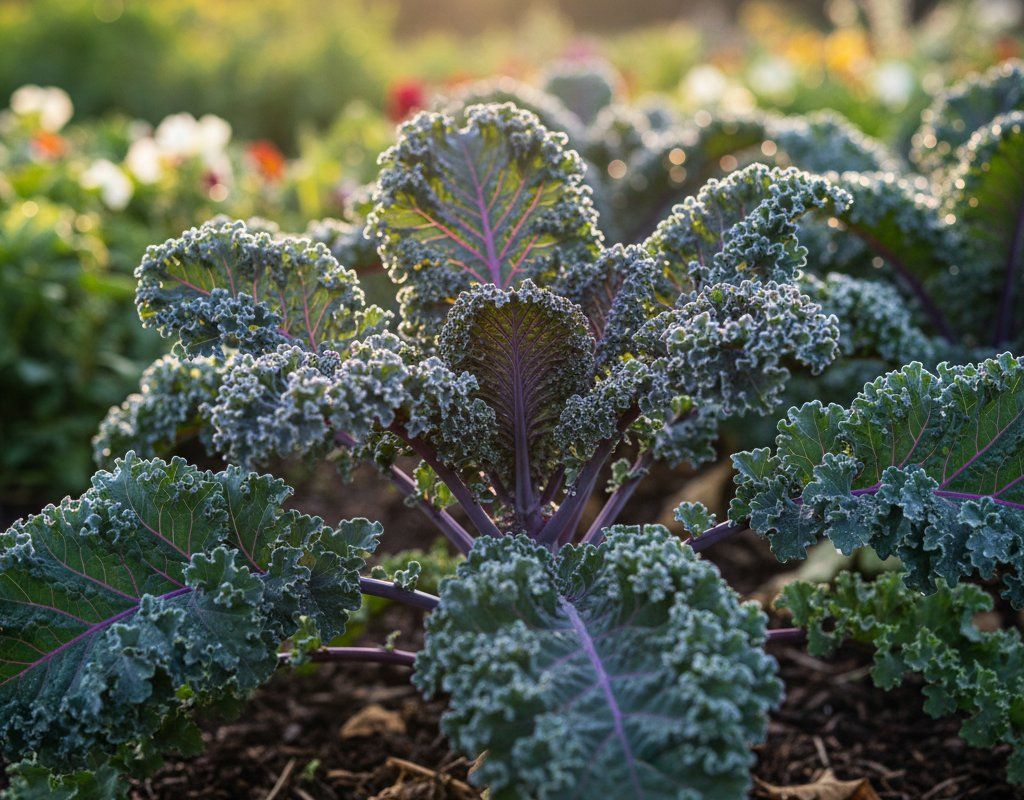
Lavender benefits these vegetables through pest control, pollinator attraction, or improved garden health.





Get a Reminder When It's Time to Plant
We'll email you when key planting windows open for your zone.