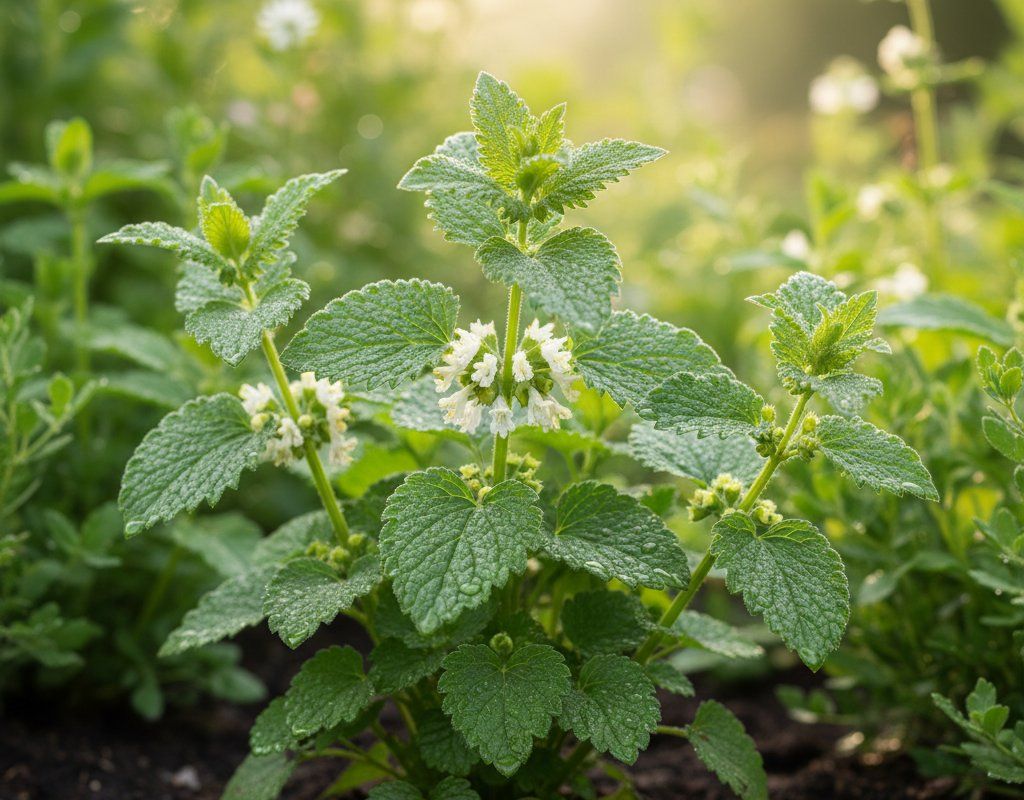
Lemon Balm in Zone 3A — Great Plains
Melissa officinalis · Your Complete 2026 Planting Guide
Planning Ahead — Great!
You’re ahead of the season. Here’s when to start.
Mark Your Calendar
How to Plant Lemon Balm in Zone 3A — Great Plains
Here are all your options for getting lemon balm in the ground, from the easiest method to more advanced approaches.
Direct Sow Seeds
RecommendedLate May through mid June
around May 25
Direct sow as soon as conditions allow.
Start Seeds Indoors
RecommendedEarly to late April
around April 13
Then transplant: Late May through mid June
Start seeds 6-8 weeks before transplanting outdoors.
Buy Starts
Works WellLate May through mid June
around May 25
Plant purchased starts after last frost (May 25).
Transplant Outdoors
Timing InfoLate May through mid June
around May 25
Can tolerate light frost, but wait for soil to be workable.
Plan to transplant within a few weeks of your target date.
Overview
Lemon Balm is a workhorse herb for us Plains gardeners. Its bright, lemony flavor adds a fresh touch to teas, salads, and even desserts, plus it's incredibly satisfying to snip fresh leaves right from your garden. And let's be honest, anything that thrives with our intense sunshine and gives us a good harvest before the first frost is a winner.
Our extreme weather can be a challenge, with those temperature swings and the ever-present wind. But with a little planning, you can easily fit Lemon Balm into our 108-day growing season. Focus on getting a strong start and providing consistent moisture, and you'll be enjoying its lemony goodness in no time.
Starting Seeds Indoors
Starting Lemon Balm indoors is a good option if you want a head start, especially in the northern Plains where our growing season is shortest. Starting seeds indoors gives you a jump on things. If you're in the southern Plains, starting indoors isn't as necessary but can still be useful if you want a larger plant sooner.
Sow your seeds indoors early to late April, about six weeks before you plan to transplant them outside. Use seed trays with a good seed-starting mix and keep them in a warm spot, ideally around 70°F. A sunny windowsill or grow lights will provide the light they need. Don't forget to water from the bottom to avoid damping off!
Transplanting Outdoors
Transplanting Lemon Balm outdoors should happen late May through mid June, after the risk of frost has passed. This is typically when our soil has warmed up enough for them to really take off. Just watch out for those late-season cold snaps that can sneak up on us!
Before transplanting, harden off your seedlings by gradually exposing them to outdoor conditions for about a week. Start with an hour or two of shade and slowly increase the time and sun exposure each day. Plant them 18-24 inches apart to give them plenty of room to grow.
Direct Sowing
Direct sowing Lemon Balm is a perfectly viable option, especially if you're not looking for a super early harvest. It's less work than starting indoors, but you'll need to be patient as they establish themselves. Just keep in mind our unpredictable spring weather – a late frost can set you back.
Wait until late May through mid June to direct sow, when the soil has warmed up and the danger of frost is gone. Prepare the soil by loosening it and removing any rocks or debris. Sow the seeds shallowly, about ¼ inch deep, and keep the soil consistently moist until they germinate. Thin the seedlings to 18-24 inches apart once they're a few inches tall.
Watering Lemon Balm in Zone 3A (Great Plains)
Lemon Balm likes consistent moisture, which can be a bit tricky with our variable rainfall here on the Plains. It's not drought-tolerant, so you'll need to pay attention, especially during those hot, dry stretches. But it tolerates more moisture than other herbs, so it's a little more forgiving.
During the spring, when we tend to get more rain, you might not need to water as often. But once summer hits and the temperatures climb, you'll likely need to water deeply about once or twice a week, providing about an inch of water each time. Always do the finger test – stick your finger about two inches into the soil. If it feels dry, it's time to water.
Water at the base of the plant to avoid getting the leaves wet, which can encourage fungal diseases in our low-to-moderate humidity. Signs of underwatering include wilting leaves and slow growth. Overwatering can lead to yellowing leaves and root rot. A good layer of mulch around the base of the plant will help retain moisture and keep the soil cool.
Pruning & Maintaining Lemon Balm
Pruning Lemon Balm is pretty straightforward. It's more about keeping it tidy and preventing it from taking over your garden. It can spread, so keep an eye on it.
In midsummer, give your Lemon Balm a haircut by cutting it back by about half. This encourages new growth and prevents it from getting too leggy. Remove any flower stalks as soon as you see them to prevent self-seeding – this stuff can spread aggressively if you let it. As the first frost approaches in early September, you can give it one last trim to tidy it up before winter.
🧪Fertilizing Lemon Balm
Feeding Schedule
Organic Fertilizer Options
Harvest Time
You can start harvesting Lemon Balm leaves early August through mid September, about 70 days after planting. The best flavor comes before the plant starts to flower. You can harvest leaves anytime you need them.
Look for healthy, green leaves that are free from blemishes. Simply snip off the stems with scissors or garden shears, taking care not to damage the main plant. Harvesting regularly encourages continued production, so don't be shy about using it!
As the first frost approaches in early September, harvest as many leaves as you can and preserve them by drying or freezing. While fresh is best, having some preserved Lemon Balm on hand for winter teas and recipes is a great way to extend the taste of summer.
Common Problems in Zone 3A (Great Plains)
Lemon Balm is generally easy to grow, but there are a few common problems we see here on the Plains: aggressive spreading, bolting, and powdery mildew.
Aggressive Spreading
- What it looks like: Lemon Balm popping up in unwanted areas of your garden, spreading beyond its designated space.
- What causes it: Lemon Balm readily self-seeds and spreads through underground rhizomes, quickly colonizing new areas.
- How to fix/prevent it: Remove flower stalks before they go to seed. Plant in a container to restrict its spread, or be prepared to regularly pull up unwanted seedlings.
Bolting
- What it looks like: The plant sends up a flower stalk prematurely. Leaves become bitter or tough.
- What causes it: Bolting is triggered by heat stress. Our extreme temperature swings and hot summers can encourage it.
- How to fix/prevent it: Provide afternoon shade during the hottest part of the day. Keep the soil consistently moist. Harvest regularly to encourage leaf production and delay bolting.
Powdery Mildew
- What it looks like: White or grayish powdery coating on leaves, stems, and sometimes fruit. Leaves curl, yellow, and die.
- What causes it: Powdery mildew thrives in warm days, cool nights, and moderate humidity. Dry leaf surfaces actually favor it.
- How to fix/prevent it: Improve air circulation by spacing plants adequately. Remove affected leaves promptly. Neem oil or potassium bicarbonate sprays can help.
Great Plains Specific Challenges: Our hot summers and variable rainfall can stress Lemon Balm, making it more susceptible to bolting and powdery mildew. Consistent watering, afternoon shade, and good air circulation are key to keeping your plants healthy and productive.
Best Companions for Lemon Balm
Plant these nearby for healthier Lemon Balm and better harvests.
View Full Companion Planting Chart →


Companion Planting Details
Lemon Balm is a great companion plant for many garden vegetables. Its strong scent can help repel pests and attract beneficial insects.
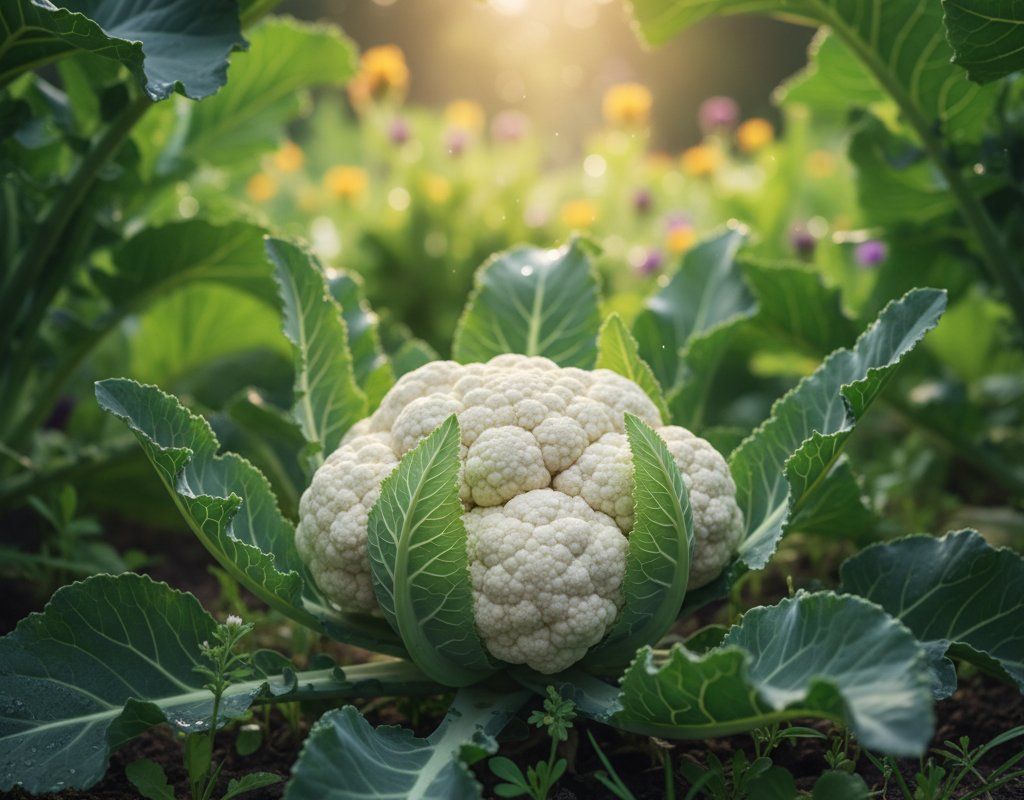
Good companions include tomatoes, squash, broccoli, and cauliflower. Lemon Balm repels tomato hornworms and other pests that bother tomatoes. It also helps deter squash bugs and vine borers from squash plants. The scent can confuse cabbage moths, protecting your broccoli and cauliflower. Avoid planting Lemon Balm near other herbs like basil or rosemary, as its strong scent can sometimes inhibit their growth.
🌸Best Flowers to Plant with Lemon Balm
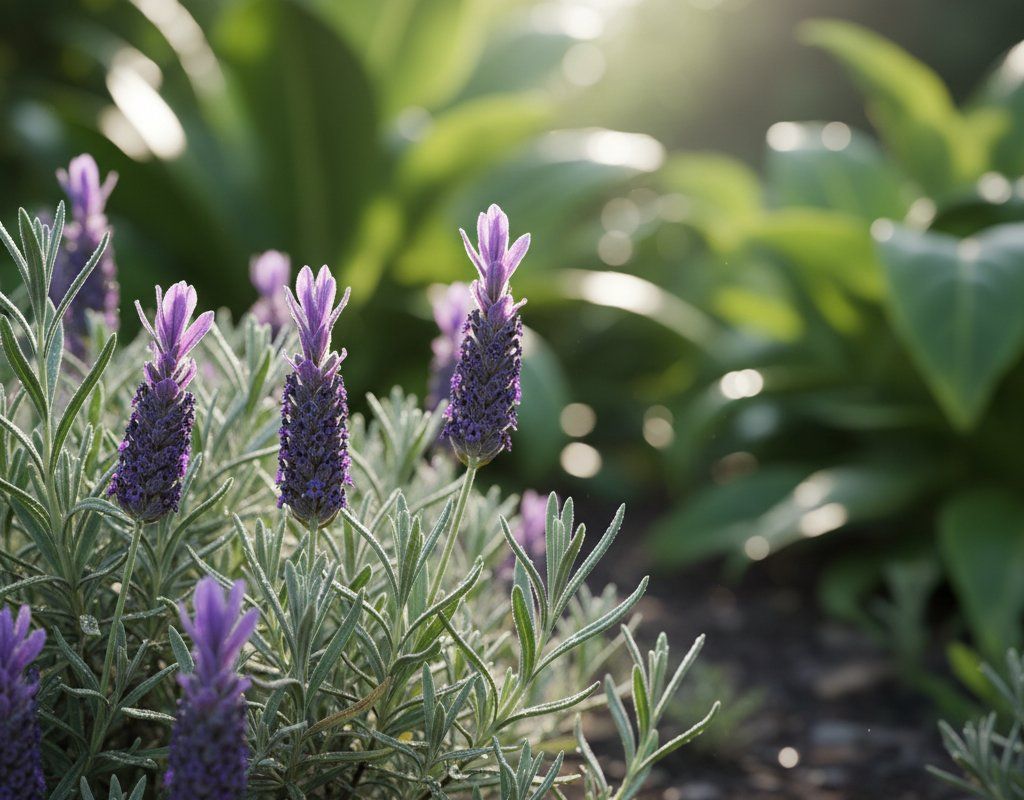
These flowers protect your Lemon Balm from pests and attract pollinators for better harvests.
For Pest Control
For Pollinators


Get a Reminder When It's Time to Plant
We'll email you when key planting windows open for your zone.