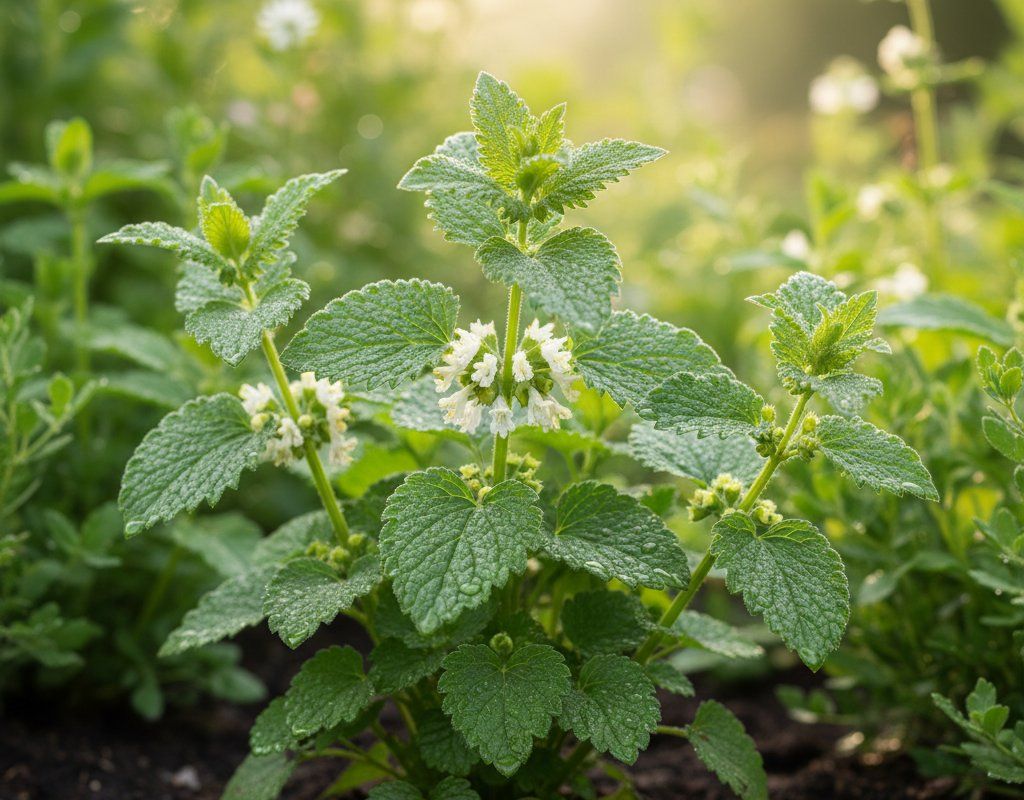
Lemon Balm in Zone 4A — Mountain West
Melissa officinalis · Your Complete 2026 Planting Guide
Planning Ahead — Great!
You’re ahead of the season. Here’s when to start.
Mark Your Calendar
How to Plant Lemon Balm in Zone 4A — Mountain West
Here are all your options for getting lemon balm in the ground, from the easiest method to more advanced approaches.
Direct Sow Seeds
RecommendedMid May through late June
around May 20
Direct sow as soon as conditions allow.
Start Seeds Indoors
RecommendedEarly to late April
around April 8
Then transplant: Mid May through mid June
Start seeds 6-8 weeks before transplanting outdoors.
Buy Starts
Works WellMid May through mid June
around May 20
Plant purchased starts after last frost (May 20).
Transplant Outdoors
Timing InfoMid May through mid June
around May 20
Can tolerate light frost, but wait for soil to be workable.
You have a nice window — no need to rush.
Overview
Lemon Balm is a must-have for any Mountain gardener who enjoys fresh, lemony flavor. Its versatility in teas, salads, and even as a soothing addition to bathwater makes it a delightful addition to your high-altitude garden. Plus, those cool nights we get even in summer really concentrate the flavor, making for an extra-delicious herb.
Our short season and intense sun can present challenges, but don't let that deter you. With a little planning and attention to timing, you can absolutely enjoy a thriving Lemon Balm plant. Our growing season of around 118 days is just right for this herb, especially if you get a head start.
Starting Seeds Indoors
Starting Lemon Balm indoors is definitely an option, especially if you want to maximize our short growing season. Begin in early to late April, roughly six weeks before you plan to transplant outdoors. This gives your plants a strong head start, essential for high altitude gardening.
Use seed trays or small pots filled with a good seed-starting mix. Keep the soil consistently moist by bottom watering – set the tray in a shallow dish of water and let the soil absorb it from below. This helps prevent damping-off. Provide warmth and plenty of light, either from a sunny window or a grow light. Remember, spring can be late coming to the Mountain West, so don't rush things.
Transplanting Outdoors
Transplant your Lemon Balm seedlings outdoors from mid May through mid June, once the danger of frost has passed. Before planting, harden off the seedlings by gradually exposing them to outdoor conditions for about a week. This helps them adjust to the intense UV rays and cooler temperatures.
Choose a spot with full sun to partial shade, and space the plants 18-24 inches apart. Even though our last frost is typically around mid-May, keep an eye on the weather forecast and be prepared to cover your young plants if a late cold snap threatens.
Direct Sowing
Direct sowing Lemon Balm is a perfectly viable option, especially if you're looking for a low-fuss approach. Sow seeds from mid May through late June, once the soil has warmed up a bit. Lemon Balm needs soil temperatures around 70°F for optimal germination.
Prepare the soil by loosening it and removing any rocks or debris. Sow the seeds thinly and cover them lightly with soil. Keep the soil consistently moist until the seedlings emerge. Thin the seedlings to 18-24 inches apart once they are a few inches tall. Direct sowing can be a bit slower, but it eliminates the risk of transplant shock.
Watering Lemon Balm in Zone 4A (Mountain West)
Lemon Balm prefers moderate watering, which is important to understand in our dry Mountain climate. While it tolerates more moisture than some other herbs, it's definitely not drought-tolerant. Finding the right balance is key.
During the peak of summer, when temperatures can reach around 85°F, you'll likely need to water deeply about once or twice a week. Use the "finger test" – stick your finger into the soil about two inches deep. If it feels dry, it's time to water. Aim for about 1 inch of water per week.
Water at the base of the plant to avoid wetting the leaves, as this can create conditions favorable to powdery mildew even in our low-humidity environment. Signs of underwatering include wilting and yellowing leaves. Overwatering can lead to root rot, which shows up as limp, dark leaves. A layer of mulch around the base of the plant can help retain moisture and regulate soil temperature, a big help with our intense sun.
Pruning & Maintaining Lemon Balm
Pruning Lemon Balm is pretty simple, but it's important for maintaining a healthy and productive plant. In midsummer, cut the plant back by about half to prevent it from becoming leggy. This encourages bushier growth and more flavorful leaves.
Remove any flower stalks as soon as you see them. Lemon Balm is known for self-seeding aggressively, and removing the flowers prevents it from taking over your garden. Towards the end of the season, as our first frost approaches around mid- September, you can give the plant one last haircut to encourage new growth before winter dormancy.
🧪Fertilizing Lemon Balm
Feeding Schedule
Organic Fertilizer Options
Harvest Time
You can expect your first Lemon Balm harvest from late July through late September, about 70 days after planting. The best time to harvest is before the plant flowers, as the leaves have the most intense flavor then. Look for healthy, green leaves that are free from blemishes.
To harvest, simply snip off the stems with scissors or garden shears, taking care not to damage the plant. Lemon Balm is a continuous harvest plant, meaning you can harvest leaves throughout the growing season as needed. This encourages new growth and keeps the plant productive.
As our first frost approaches in mid- September, harvest any remaining leaves to dry or freeze for later use. Fresh Lemon Balm has the best flavor, but preserving it ensures you can enjoy it throughout the winter months.
Common Problems in Zone 4A (Mountain West)
Here are some common problems you might encounter with Lemon Balm in the Mountain West:
Aggressive Spreading
- What it looks like: Lemon Balm popping up in unwanted areas of your garden.
- What causes it: Lemon Balm self-seeds readily and can spread quickly if not contained.
- How to fix/prevent it: Remove flower stalks before they go to seed. Consider planting Lemon Balm in a container to restrict its spread. Be diligent about pulling up any unwanted seedlings.
Bolting
- What it looks like: The plant sends up a flower stalk prematurely, and the leaves become bitter or tough.
- What causes it: Bolting can be triggered by heat stress, long days, or drought. Even though our summers aren't super hot, the intense sun can cause stress.
- How to fix/prevent it: Plant Lemon Balm in a location with partial shade, especially during the hottest part of the day. Keep the soil consistently moist. Remove flower stalks as soon as they appear to encourage continued leaf production.
Powdery Mildew
- What it looks like: A white or grayish powdery coating on the leaves and stems.
- What causes it: Powdery mildew thrives in warm days, cool nights, and moderate humidity. While our humidity is low, the cool nights can still create favorable conditions.
- How to fix/prevent it: Improve air circulation by spacing plants adequately and pruning as needed. Remove affected leaves. A milk spray (1 part milk to 9 parts water) can be surprisingly effective.
Mountain West Specific Challenges: Our intense sun and low humidity can put stress on Lemon Balm, making it more susceptible to bolting and powdery mildew. Consistent watering and providing some afternoon shade can help mitigate these issues.
Best Companions for Lemon Balm
Plant these nearby for healthier Lemon Balm and better harvests.
View Full Companion Planting Chart →


Companion Planting Details
Lemon Balm makes a great companion plant for several vegetables in the Mountain West garden.
Good companions:
- Tomatoes: Lemon Balm is said to repel tomato hornworms and other pests that can damage tomato plants.
- Squash: The strong scent of Lemon Balm can deter squash bugs and vine borers.
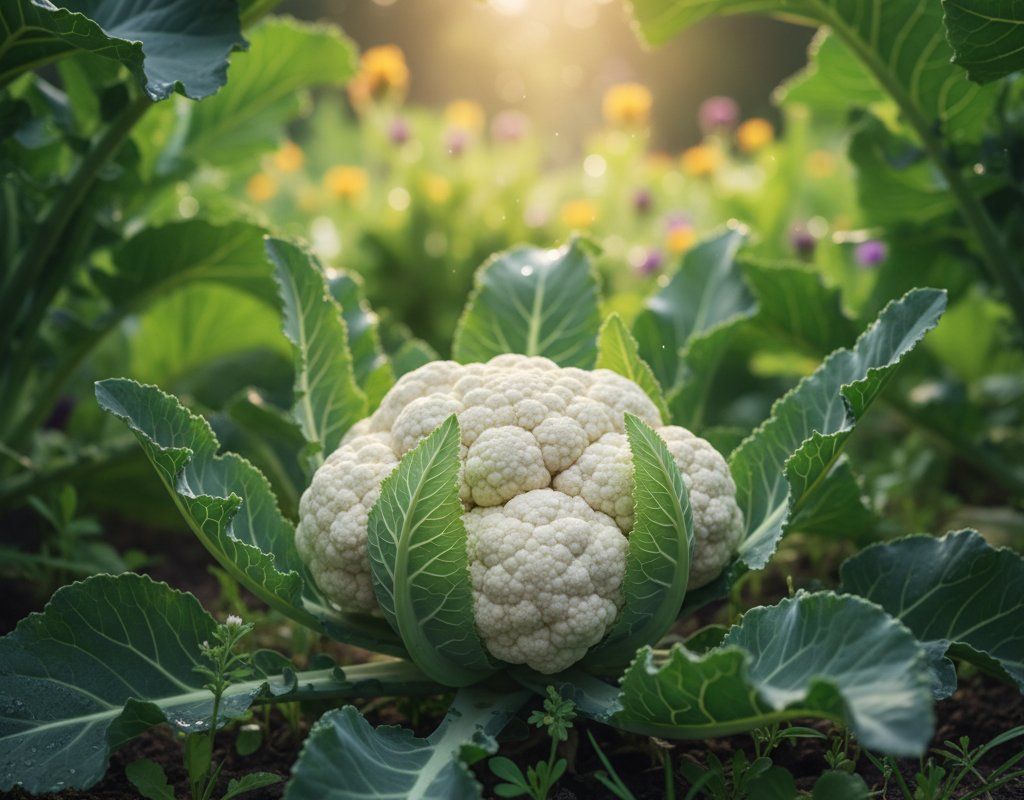
- Broccoli & Cauliflower: Lemon Balm may help to repel cabbage moths, which can decimate these brassicas.
Bad companions: Avoid planting Lemon Balm near other herbs that prefer very dry conditions, as its moderate watering needs might be detrimental to them. Otherwise, Lemon Balm is generally a good neighbor in the garden.
🌸Best Flowers to Plant with Lemon Balm
These flowers protect your Lemon Balm from pests and attract pollinators for better harvests.
For Pest Control

For Pollinators


Get a Reminder When It's Time to Plant
We'll email you when key planting windows open for your zone.