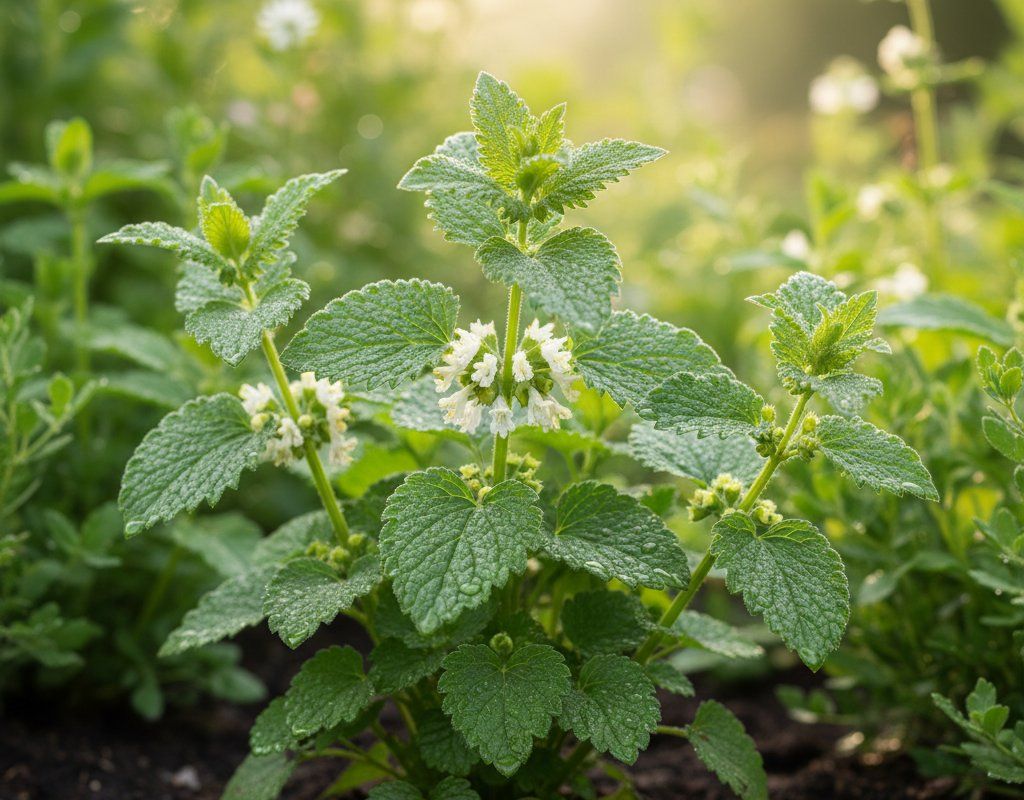
Lemon Balm in Zone 5B — Mountain West
Melissa officinalis · Your Complete 2026 Planting Guide
Planning Ahead — Great!
You’re ahead of the season. Here’s when to start.
Mark Your Calendar
How to Plant Lemon Balm in Zone 5B — Mountain West
Here are all your options for getting lemon balm in the ground, from the easiest method to more advanced approaches.
Direct Sow Seeds
RecommendedEarly May through early July
around May 5
Consider succession planting every 2-3 weeks for continuous harvest.
Start Seeds Indoors
RecommendedMid March through early April
around March 24
Then transplant: Early May through early June
Start seeds 6-8 weeks before transplanting outdoors.
Buy Starts
Works WellEarly May through early June
around May 5
Plant purchased starts after last frost (May 5).
Transplant Outdoors
Timing InfoEarly May through early June
around May 5
Can tolerate light frost, but wait for soil to be workable.
You have a nice window — no need to rush.
Overview
Lemon Balm is a fantastic herb to grow here in the Mountain West. Its lemony flavor adds a bright note to teas, salads, and even desserts, and it's incredibly versatile in the kitchen. Plus, you can't beat the satisfaction of harvesting fresh herbs from your own backyard, especially when our intense sunlight helps concentrate those flavors.
Our short growing season and alkaline soil can be challenges, but with a 149-day window, Lemon Balm has plenty of time to thrive if you time things right. Don't let the high altitude and cool nights deter you; Lemon Balm is quite hardy and adapts well with a little attention.
Starting Seeds Indoors
Starting Lemon Balm indoors is an option, especially if you're eager to get a head start. Begin around mid-March through early April, about six weeks before you plan to transplant. This gives the seedlings a good head start against our late spring.
Use seed trays with a good seed-starting mix, and keep them in a warm spot with plenty of light – a sunny windowsill or under grow lights works well. Bottom watering helps prevent damping off, so pour water into the tray and let the soil absorb it from below. Remember our spring weather can be unpredictable, so having seedlings ready to go gives you a buffer.
Transplanting Outdoors
Transplant your Lemon Balm seedlings outdoors from early May through early June, after the danger of hard frost has passed. Before planting, harden them off by gradually exposing them to outdoor conditions for about a week. This helps them adjust to the intense sun and cooler nights.
Space the plants 18-24 inches apart to give them room to grow into their mature size. Even though our last frost is usually around early May, keep an eye on the forecast – a late cold snap can still happen.
Direct Sowing
Direct sowing Lemon Balm is a simple and effective method here in the Mountain West, especially if you're not in a rush. Sow the seeds directly into your garden bed from early May through early July, once the soil has warmed up a bit. Prepare the soil by loosening it and removing any rocks or debris.
Lemon Balm seeds need light to germinate, so don't bury them too deeply; gently press them into the soil surface. Keep the soil consistently moist until the seedlings emerge. Direct sowing can be a bit slower than starting indoors, but it eliminates the stress of transplanting. Remember to thin the seedlings to 18-24 inches apart once they're a few inches tall.
Watering Lemon Balm in Zone 5B (Mountain West)
Watering Lemon Balm correctly is key to its success in our dry Mountain West climate. While it prefers moderate moisture and isn't very drought-tolerant, overwatering can be just as detrimental. Aim to keep the soil consistently moist but not soggy.
During the peak of summer, with our moderate-at-altitude heat, you'll likely need to water Lemon Balm about 1-2 inches per week, especially if we aren't getting any rain. Use the "finger test" – stick your finger into the soil about 2 inches deep; if it feels dry, it's time to water. Water at the base of the plant to avoid wetting the leaves, which can help prevent fungal issues in our low-humidity environment.
Signs of underwatering include wilting leaves and stunted growth. Overwatering can lead to yellowing leaves and root rot. Adding a layer of mulch around the plants helps retain moisture and regulate soil temperature, which is especially beneficial given our intense sun and dry air.
Pruning & Maintaining Lemon Balm
Pruning Lemon Balm is straightforward and helps keep it healthy and productive. In midsummer, cut the plant back by about half to prevent it from becoming leggy and encourage fresh growth. This also helps maintain a more compact shape.
Regularly remove any flower stalks that appear to prevent the plant from self-seeding, as Lemon Balm can be quite aggressive. As the first frost approaches around early October, you can give the plant one final trim, but leave some foliage to help it overwinter.
🧪Fertilizing Lemon Balm
Feeding Schedule
Organic Fertilizer Options
Harvest Time
You can start harvesting Lemon Balm leaves as soon as the plant is established, usually from mid-July through early October. The flavor is best before the plant flowers, so harvest frequently to encourage leafy growth. Look for healthy, vibrant green leaves as your harvest indicator.
To harvest, simply snip off the stems with scissors or pruners, taking care not to damage the main plant. Regular harvesting encourages continued production, so don't be shy about using your Lemon Balm. As the season winds down and frost threatens, harvest as much as you can and use it fresh, as the flavor diminishes when dried.
Common Problems in Zone 5B (Mountain West)
Here are three common problems you might encounter with Lemon Balm in the Mountain West:
Aggressive Spreading
- What it looks like: Lemon Balm popping up in unwanted areas of your garden.
- What causes it: Self-seeding and spreading via underground rhizomes.
- How to fix/prevent it: Remove flower stalks before they go to seed. Plant in containers or raised beds to contain its spread. Regularly dig up and remove any unwanted plants.
Bolting
- What it looks like: The plant sends up a flower stalk prematurely, and the leaves become bitter or tough.
- What causes it: Triggered by heat and drought stress, which can happen even with our moderate summer temperatures at altitude.
- How to fix/prevent it: Ensure consistent moisture, especially during hot spells. Provide afternoon shade. Remove flower stalks as soon as they appear.
Powdery Mildew
- What it looks like: White or grayish powdery coating on leaves and stems.
- What causes it: Fungi that thrive in warm days and cool nights, a common pattern in our Mountain climate.
- How to fix/prevent it: Improve air circulation by spacing plants adequately and pruning. Remove affected leaves promptly. Apply neem oil or potassium bicarbonate sprays if needed.
Mountain West Specific Challenges: Our moderate-at-altitude heat combined with low humidity and dry rainfall can stress Lemon Balm, making it more susceptible to bolting and powdery mildew. Consistent watering and providing afternoon shade are crucial for keeping your plants healthy.
Best Companions for Lemon Balm
Plant these nearby for healthier Lemon Balm and better harvests.
View Full Companion Planting Chart →


Companion Planting Details
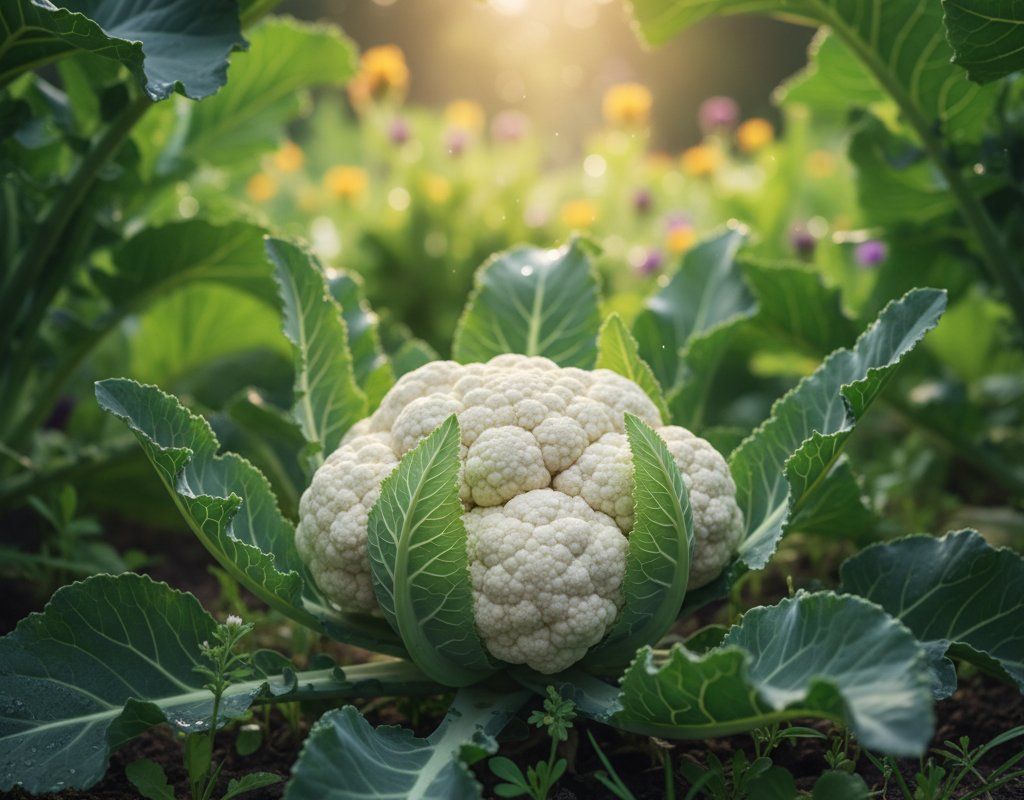
Lemon Balm can be a great companion plant for several vegetables in your Mountain West garden. Plant it near tomatoes and squash; it's believed to repel certain pests that bother those crops. It also does well near broccoli and cauliflower, as its strong scent can deter cabbage moths.
Avoid planting Lemon Balm near rue or other herbs in the mint family, as they can compete for resources. Also, be mindful of its aggressive spreading habit and ensure it doesn't overcrowd its companions.
🌸Best Flowers to Plant with Lemon Balm
These flowers protect your Lemon Balm from pests and attract pollinators for better harvests.
For Pest Control

For Pollinators


Get a Reminder When It's Time to Plant
We'll email you when key planting windows open for your zone.