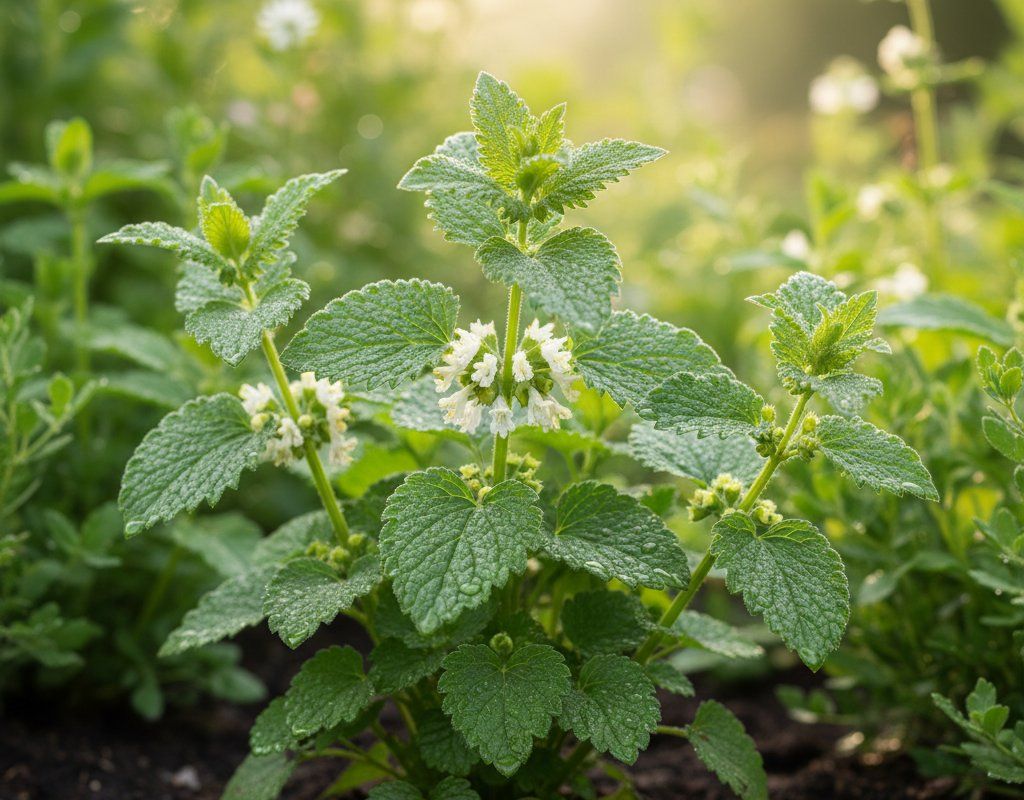
Lemon Balm in Zone 8B — Texas
Melissa officinalis · Your Complete 2026 Planting Guide
Time to Buy Starts!
Seed starting window passed, but starts are available now.
Buy Starts Now
Head to your local nursery, Home Depot, or farmers market for transplants.
- Look for stocky plants with dark green leaves
- Avoid leggy seedlings or plants already flowering
- Check that roots aren't circling the pot (rootbound)
How to Plant Lemon Balm in Zone 8B — Texas
Here are all your options for getting lemon balm in the ground, from the easiest method to more advanced approaches.
Direct Sow Seeds
RecommendedLate February through early September
around February 25
Consider succession planting every 2-3 weeks for continuous harvest.
Start Seeds Indoors
RecommendedEarly to late January
around January 14
Then transplant: Late February through late March
Start seeds 6-8 weeks before transplanting outdoors.
Buy Starts
Works WellLate February through late March
around February 25
Plant purchased starts after last frost (February 25).
Transplant Outdoors
Timing InfoLate February through late March
around February 25
Can tolerate light frost, but wait for soil to be workable.
You have a nice window — no need to rush.
Overview
Lemon Balm is a fantastic herb to grow in Texas, offering a refreshing lemony flavor perfect for teas, salads, and even as a mosquito repellent. With our long growing season, you can enjoy fresh Lemon Balm from spring all the way into late fall, adding a bright zest to your cooking.
While we definitely have our challenges with the Texas heat and unpredictable weather, Lemon Balm is fairly adaptable. Our 273-day growing season gives you a nice window to get it established and producing, especially if you plant early and harvest early.
Starting Seeds Indoors
Starting Lemon Balm indoors in Texas is an option, especially if you want a head start. Begin in early to late January, about six weeks before you plan to transplant. Use seed trays with a good seed-starting mix, and keep them warm and well-lit – a sunny windowsill or grow light works great.
Bottom watering is your friend here – set the tray in a shallow dish of water and let the soil soak it up from the bottom. This prevents damping-off and keeps the seedlings happy. Given our early springs here in Texas, starting indoors lets you get a jump on the season.
Transplanting Outdoors
Transplant your Lemon Balm seedlings outdoors in late February through late March, once the danger of a hard freeze has passed. Before you plant, harden them off by gradually exposing them to outdoor conditions for about a week. This helps them adjust to the Texas sun and wind.
Space the plants 18-24 inches apart to give them room to grow. Keep an eye on the weather forecast – those late-season cold snaps can still happen, so be ready to cover your transplants if needed.
Direct Sowing
Direct sowing Lemon Balm is also a viable option in Texas, and it can be a little easier than starting indoors. Sow seeds directly into the garden from late February through early September. Make sure the soil is well-drained and has warmed up a bit – aim for a soil temperature of at least 60°F.
Gently press the seeds into the soil and keep them consistently moist until they germinate. You'll want to thin the seedlings to 18-24 inches apart once they're a few inches tall. Direct sowing is simple, but you may need to protect seedlings from pests like snails or slugs.
Watering Lemon Balm in Zone 8B (Texas)
Lemon Balm needs moderate watering, especially here in Texas where our summers can be brutal. During the hottest months, from June through August, you'll likely need to water deeply a couple of times a week, maybe even more if we're experiencing a dry spell. Scale back a bit in the spring and fall when temperatures are milder.
Use the finger test to check the soil moisture – stick your finger about two inches deep. If it feels dry, it's time to water. Aim for about an inch of water per week, either from rainfall or irrigation. Water at the base of the plant to avoid wetting the leaves, as our variable humidity can encourage fungal diseases.
Signs of underwatering include wilting leaves and stunted growth, while overwatering can lead to yellowing leaves and root rot. A layer of mulch around your Lemon Balm plants will help retain moisture in the soil and keep the roots cool during the Texas heat.
Pruning & Maintaining Lemon Balm
Pruning Lemon Balm is pretty straightforward. You don't need to do much, but a little attention helps keep it healthy and productive. In midsummer, when the plant is at its peak, cut it back by about half to prevent it from getting too leggy and to encourage new growth.
Remove any flower stalks as they appear, unless you want the plant to self-seed. Lemon Balm can be quite aggressive, so preventing it from flowering helps keep it in check. As the first frost approaches in late November, you can give it one last trim, but leave some foliage for winter protection.
🧪Fertilizing Lemon Balm
Feeding Schedule
Organic Fertilizer Options
Harvest Time
You can start harvesting Lemon Balm in early May, about 70 days after planting, and continue through early December. The leaves are most flavorful before the plant flowers, so that's the best time to harvest. Don't worry if you miss a few flowers, just pinch them off.
To harvest, simply snip off the stems with scissors or garden shears, taking only what you need. Regular harvesting encourages the plant to produce more leaves. As the end of the season approaches and frost threatens, harvest any remaining leaves to dry or freeze for later use. While fresh is best, preserving some ensures you have Lemon Balm to enjoy throughout the winter.
Common Problems in Zone 8B (Texas)
Here are some common problems you might encounter with Lemon Balm in Texas:
Aggressive Spreading
- What it looks like: Lemon Balm popping up in unwanted areas of your garden.
- What causes it: Self-seeding and spreading rhizomes. The plant is just a little too happy!
- How to fix/prevent it: Remove flower stalks before they go to seed. Grow in containers to limit spread. Regularly pull up unwanted seedlings.
Bolting
- What it looks like: The plant sends up a flower stalk prematurely, and the leaves become bitter.
- What causes it: Triggered by heat and drought stress, both common in Texas summers.
- How to fix/prevent it: Provide shade during the hottest part of the day. Keep the soil consistently moist. Harvest regularly to encourage leaf production.
Powdery Mildew
- What it looks like: White or grayish powdery coating on the leaves.
- What causes it: Fungal disease that thrives in warm days and moderate humidity, which we often get in Texas.
- How to fix/prevent it: Improve air circulation by spacing plants properly. Remove affected leaves. Apply neem oil or potassium bicarbonate sprays.
Texas Specific Challenges: The hot-to-extreme heat, variable humidity, and unpredictable rainfall in Texas can all contribute to these problems. Consistent watering is key to preventing bolting and drought stress. Be vigilant about checking for powdery mildew, especially during periods of high humidity.
Best Companions for Lemon Balm
Plant these nearby for healthier Lemon Balm and better harvests.
View Full Companion Planting Chart →


Companion Planting Details
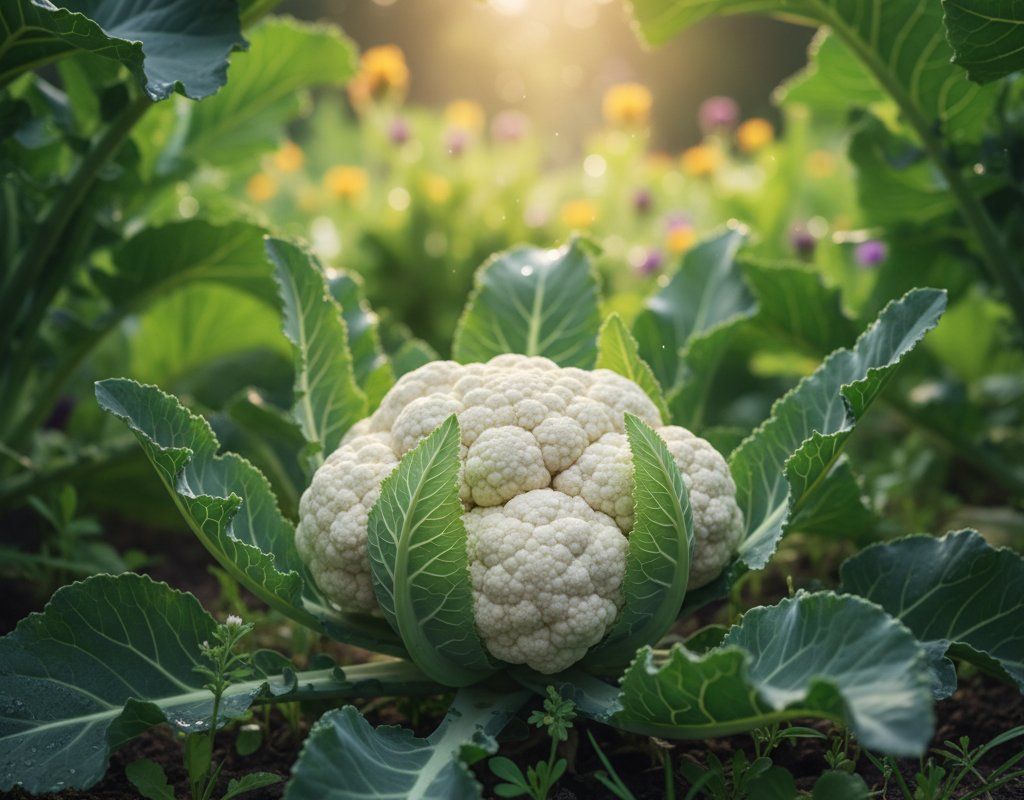
Lemon Balm makes a great companion plant for several vegetables in the Texas garden. It's said to repel certain pests, benefiting tomatoes, squash, broccoli, and cauliflower. The strong scent can deter insects that might otherwise munch on these crops.
Avoid planting Lemon Balm near rue or other herbs in the mint family, as they can compete for resources or attract similar pests. Keep it away from anything very delicate that might get crowded out.
🌸Best Flowers to Plant with Lemon Balm
These flowers protect your Lemon Balm from pests and attract pollinators for better harvests.
For Pest Control

For Pollinators


Get a Reminder When It's Time to Plant
We'll email you when key planting windows open for your zone.