
Lettuce in Zone 5B — Mid-Atlantic
Lactuca sativa · Your Complete 2026 Planting Guide
Ideal Time: Start Seeds Indoors!
This is the perfect time for the biggest, best harvest.
Start Seeds Now
- Start seeds in trays or pots with seed-starting mix
- Keep soil moist and warm (70-80°F)
- Transplant outdoors Early April through mid May
Not Starting from Seed?
Buy starts around April 6 — that works great too!
How to Plant Lettuce in Zone 5B — Mid-Atlantic
Here are all your options for getting lettuce in the ground, from the easiest method to more advanced approaches.
Direct Sow Seeds
RecommendedLate March through mid August
around March 23
Consider succession planting every 2-3 weeks for continuous harvest.
Lettuce germinates easily in cool soil. Succession sow every 2-3 weeks.
Start Seeds Indoors
RecommendedEarly to late March
around March 9
Then transplant: Early April through mid May
Start seeds 4-6 weeks before transplanting outdoors.
Starting indoors gives you an earlier harvest.
Buy Starts
Works WellEarly April through mid May
around April 6
Plant purchased starts after last frost (April 20).
Lettuce starts are inexpensive and widely available.
Transplant Outdoors
Timing InfoEarly April through mid May
around April 6
Can tolerate light frost, but wait for soil to be workable.
You have a nice window — no need to rush.
Fall Planting
Mid August through mid September
September 3 ideal · Direct sow for fall harvest
Plant a second crop in mid-summer for fall harvest. Lettuce actually prefers the cooling temperatures of fall.
Overview
Lettuce is a perfect crop for Mid-Atlantic gardeners who want fresh, crisp greens from early spring through late fall. Our four distinct seasons and reliable rainfall create ideal conditions for multiple plantings, giving you tender leaves that make store-bought lettuce seem like cardboard. The cool springs and moderate falls extend your harvest window significantly, while our humid summers require just a bit of strategic timing to keep the leaves coming.
Our 178-day growing season works beautifully for succession planting lettuce every few weeks, though you'll need to work around the humid summer heat and plan for those variable spring temperature swings we know so well. The key is understanding that lettuce thrives in our cooler months and just needs a little shade and consistent moisture during the warmer stretches.
Starting Seeds Indoors
Starting lettuce seeds indoors makes sense if you want the earliest possible harvest or need specific varieties not available as transplants. Begin seeds from early to late March, about 4 weeks before your planned transplant date. Our moderate spring weather means you don't need to rush, but starting indoors gives you a 3-4 week jump on direct-sown lettuce.
Use seed trays filled with seed starting mix and keep them consistently moist through bottom watering - lettuce seeds are small and can wash away with overhead watering. They'll germinate quickly at 60-70°F, so a warm spot near a window or under grow lights works well. The timing flexibility here is helpful since our spring weather can be unpredictable.
Most Mid-Atlantic gardeners skip indoor starting for lettuce since it's so easy to direct sow and transplants are inexpensive at garden centers. But if you're growing specialty varieties or want that early May harvest, indoor starting delivers results.
Transplanting Outdoors
Transplant your indoor-started lettuce from early April through mid-May, timing it for when nighttime temperatures stay consistently above freezing. Lettuce is semi-hardy and can handle light frost, but established transplants perform better than stressed seedlings. Our spring weather can swing between warm days and surprisingly cool nights, so watch the forecast.
Harden off your seedlings for a full week before transplanting - gradually increase their outdoor time and exposure. Start with 2-3 hours of morning sun, then work up to full days outside. This process is especially important in the Mid-Atlantic since our spring weather can change quickly.
Space transplants 6-12 inches apart depending on variety - leaf lettuce needs less room than head lettuce. Plant them at the same depth they were growing in their containers. The advantage of transplanting is getting a head start on the season, but remember that lettuce transplants from local nurseries are widely available and often just as successful as home-grown starts.
Direct Sowing
Direct sowing lettuce works exceptionally well in our Mid-Atlantic climate and is often easier than fussing with transplants. Sow seeds from late March through mid-August, with the sweet spot being late March through mid-May for spring crops, then resuming in mid-August for fall harvests. Our reliable spring rains make germination predictable.
Prepare your soil by working in compost and ensuring good drainage - our clay soil can stay too wet for lettuce if not amended. Lettuce seeds germinate happily in cool soil, around 45-65°F, which describes most of our spring perfectly. Sow seeds thinly and barely cover them, as they need light to germinate well.
Space plants 6-12 inches apart by thinning seedlings once they're a few inches tall - you can eat the thinnings in salads. Succession sow every 2-3 weeks through late spring, skip the peak summer heat, then resume in late summer for fall crops. This gives you fresh lettuce from May through October with minimal effort.
Watering Lettuce in Zone 5B (Mid-Atlantic)
Lettuce needs consistent moisture to produce tender, non-bitter leaves, and its shallow roots dry out quickly in our Mid-Atlantic summers. Even though we receive 40-50 inches of rainfall annually, the distribution isn't always perfect for lettuce's needs. During our humid summers with typical highs around 88°F, you'll need to supplement natural rainfall regularly.
Water when the top 2 inches of soil feel dry to your finger - usually every 2-3 days during hot spells, less frequently during our rainy periods. Lettuce needs about 1-1.5 inches of water per week, including rainfall. Our humid conditions can make overhead watering problematic by encouraging fungal diseases, so water at the base of plants early in the morning when possible.
Watch for signs of stress: wilting leaves, bitter taste, or premature bolting all indicate inconsistent watering. Overwatering in our clay soils shows up as yellowing leaves and sluggish growth. Mulch around plants with straw or shredded leaves to retain moisture and keep soil temperatures cooler during summer heat.
The key in our climate is adjusting your watering schedule seasonally. Spring and fall plantings need less frequent watering thanks to cooler temperatures and more reliable rainfall, while summer lettuce (if you're growing heat-tolerant varieties) needs daily attention during dry spells.
🧪Fertilizing Lettuce
Feeding Schedule
Organic Fertilizer Options
Harvest Time
Your first lettuce harvest typically arrives in early May if you started seeds indoors or direct-sowed in late March. Leaf lettuce is ready when individual leaves reach 4-6 inches long - you can start harvesting outer leaves while the center continues producing. Head lettuce is ready when the heads feel firm and full, usually 45 days from seeding.
Cut leaf lettuce with clean scissors or a sharp knife, taking outer leaves first and leaving the growing center intact. This "cut and come again" method keeps plants producing for weeks. For head lettuce, cut the entire plant at soil level just before the center begins to elongate into a flower stalk. Morning harvest gives you the crispest leaves.
Watch for bolting as temperatures rise - once lettuce sends up that central flower stalk, the leaves turn bitter quickly. In our Mid-Atlantic climate, this typically happens in late May to early June for spring plantings. Your fall plantings, started in mid-August through mid-September, will produce through October and often survive light frosts.
Time your final harvest before our first frost in mid-October. Even semi-hardy lettuce becomes mushy after a hard freeze, though light frosts can actually improve flavor by concentrating sugars in the leaves.
Common Problems in Zone 5B (Mid-Atlantic)
Bolting shows up as a tall central stalk shooting up from the lettuce center, accompanied by increasingly bitter leaves. Our variable spring weather and humid summer heat can trigger this premature flowering. Plant at the right times for your succession schedule, provide afternoon shade during hot spells, and choose bolt-resistant varieties like 'Slowbolt' or 'Summer Crisp' types. Consistent watering helps prevent the stress that triggers bolting.
Aphids appear as clusters of tiny green, black, or white insects on leaf undersides and stems, often leaving sticky honeydew residue. Our humid summers create perfect conditions for population explosions. Blast them off with a strong water spray, encourage beneficial insects like ladybugs, or use insecticidal soap for heavy infestations. Avoid high-nitrogen fertilizers which make plants more attractive to aphids.
Slugs leave irregular holes in leaves and silvery slime trails, causing damage that's worse during our humid nights. They hide under mulch and debris during hot days. Set out beer traps (shallow dishes sunk into soil), use iron phosphate bait, and water in the morning so soil surfaces dry by evening. Remove hiding spots like boards and excessive mulch around plants.
Tip burn appears as brown, dried edges on inner lettuce leaves, similar to blossom end rot in tomatoes. This calcium uptake problem worsens with inconsistent watering and high temperatures. Water consistently, avoid ammonium-based fertilizers, and ensure adequate soil calcium. Choose resistant varieties and provide shade during our hottest summer days.
Mid-Atlantic Specific Challenges: Our humid conditions increase fungal pressure and slug activity, while our clay soil can create drainage issues that stress lettuce roots. The combination of moderate-to-hot summers and variable spring weather means timing is everything - plant early enough to beat the heat, but late enough to avoid late frost damage.
Best Companions for Lettuce
Plant these nearby for healthier Lettuce and better harvests.
View Full Companion Planting Chart →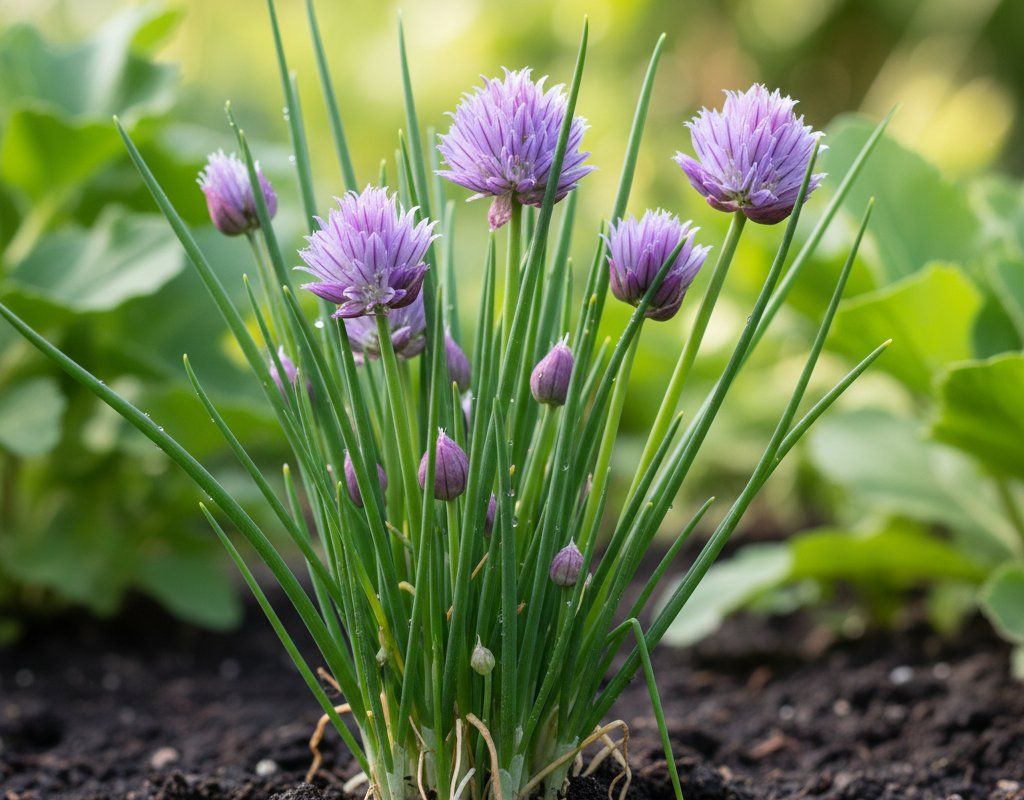


Companion Planting Details
Lettuce pairs beautifully with carrots and radishes in the Mid-Atlantic garden since these root crops don't compete for the same soil space and actually help break up clay soil as they grow. Chives planted nearby repel aphids with their strong scent while adding vertical interest to low-growing lettuce beds. Strawberries make excellent companions since they prefer similar soil conditions and their spreading habit helps suppress weeds around lettuce plants.
Avoid planting lettuce near celery and parsley, as these herbs can harbor similar pests and diseases while competing for the same nutrients and water. Their similar growth habits and spacing requirements also make efficient garden use difficult in our space-conscious Mid-Atlantic beds.
🌸Best Flowers to Plant with Lettuce
These flowers protect your Lettuce from pests and attract pollinators for better harvests.
For Pest Control






Get a Reminder When It's Time to Plant
We'll email you when key planting windows open for your zone.