
Parsley in Zone 5B — Mid-Atlantic
Petroselinum crispum · Your Complete 2026 Planting Guide
Missed Seed Starting? No Problem!
Wait for starts to become available.
What to Do
Starts will be available at nurseries in 33 days (around April 6).
How to Plant Parsley in Zone 5B — Mid-Atlantic
Here are all your options for getting parsley in the ground, from the easiest method to more advanced approaches.
Direct Sow Seeds
RecommendedEarly April through late July
around April 6
Consider succession planting every 2-3 weeks for continuous harvest.
Parsley is slow to germinate (2-4 weeks). Soaking seeds helps.
Start Seeds Indoors
RecommendedEarly to late February
around February 9
Then transplant: Early April through early May
Start seeds 8-10 weeks before transplanting outdoors.
Start indoors 8-10 weeks early due to slow germination.
Buy Starts
Works WellEarly April through early May
around April 6
Plant purchased starts after last frost (April 20).
Transplant Outdoors
Timing InfoEarly April through early May
around April 6
Can tolerate light frost, but wait for soil to be workable.
You have a nice window — no need to rush.
Fall Planting
Late July through late August
August 13 ideal · Direct sow for fall harvest
Plant a second crop in mid-summer for fall harvest. Parsley actually prefers the cooling temperatures of fall.
Overview
Fresh parsley transforms Mid-Atlantic cooking like nothing else can. While you could grab those plastic containers from the store, homegrown parsley delivers intense flavor and vibrant color that makes every dish better. Our four distinct seasons and reliable rainfall create ideal conditions for this versatile herb, whether you're growing flat-leaf Italian parsley for cooking or curly parsley for garnish.
Your Mid-Atlantic garden faces humid summers and unpredictable spring weather, but parsley's hardy nature handles these challenges well. With a 178-day growing season, you have plenty of time to establish strong plants and harvest continuously from early summer through fall frost. The key is working with our climate patterns rather than fighting them.
Starting Seeds Indoors
Starting parsley seeds indoors makes sense if you want an early harvest or live with heavy deer pressure that requires protected transplants. Begin seeds in early to late February, about 8 weeks before your last frost. Parsley seeds are notoriously slow to germinate, often taking 2-4 weeks, so soaking them overnight before planting helps speed things up.
Set up seed trays in a warm spot (65-70°F) with good light once seedlings emerge. Bottom watering works best since parsley seedlings are prone to damping off in our humid conditions. Keep the soil consistently moist but not soggy during that long germination period.
Your moderate spring start in the Mid-Atlantic means you won't need to rush transplants outdoors. This gives indoor-started plants time to develop strong root systems before facing variable April weather and potential late frost surprises.
Transplanting Outdoors
Plan to move parsley transplants outdoors from early April through early May, after your soil has warmed and the worst cold snaps have passed. These hardy plants can handle light frost, but they'll establish faster in settled spring weather. Watch for those temperature swings we get in April - a warm spell followed by a cold snap can stress newly transplanted seedlings.
Harden off your transplants gradually over a full week, starting with just an hour outside and building up to full days. This helps them adjust to our spring winds and variable temperatures. Space plants 6-10 inches apart to allow for good air circulation in our humid summers.
Choose your transplant timing within that window based on the weather pattern. If you're seeing consistent 50°F nights for several days, your parsley transplants will settle in nicely.
Direct Sowing
Direct sowing works well for parsley in the Mid-Atlantic, especially for succession plantings throughout the season. You can sow from early April through late July, giving you flexibility to plant when conditions look right. Early spring sowings benefit from soil that's warmed to at least 50°F, while summer sowings need consistent moisture during our hot spells.
Prepare your bed by working in some compost - this helps with our heavy clay soil and provides the steady nutrition parsley prefers. Soak seeds overnight before planting to speed up that famously slow germination. Sow seeds about 1/4 inch deep and 6-10 inches apart, or plant more densely and thin later.
Keep in mind that parsley can take 2-4 weeks to germinate, longer in cool spring soil. Mark your rows clearly and keep the soil consistently moist during this waiting period. Summer sowings for fall harvest often germinate faster in our warm soil.
Watering Parsley in Zone 5B (Mid-Atlantic)
Parsley needs moderate, consistent moisture throughout the growing season, especially during those 2-4 weeks of slow germination. Your Mid-Atlantic advantage is reliable rainfall - those 40-50 inches annually mean you won't be constantly battling drought. However, our humid summers and clay soil create their own watering challenges.
During spring establishment, check soil moisture daily using the finger test - stick your finger 2 inches deep near the plants. If it's dry at that depth, it's time to water. Newly planted parsley needs about 1 inch of water per week, including rainfall. Our spring rains often handle this, but watch for dry spells during April and May.
Summer watering requires a different approach in our humid climate. Water at the base of plants rather than overhead to prevent fungal issues that thrive in our muggy conditions. Early morning watering allows foliage to dry before evening humidity sets in. During hot spells (those 88°F days), you might need to water twice weekly if rainfall is lacking.
Apply a 2-inch layer of organic mulch around plants to help retain moisture in our clay soil and reduce watering frequency. This also helps prevent soil splashing onto leaves during our summer thunderstorms.
🧪Fertilizing Parsley
Feeding Schedule
Organic Fertilizer Options
Harvest Time
Your first parsley harvest will be ready from mid-June through late October, about 70 days from seeding. Look for stems with three distinct segments - that's your signal that the plant is mature enough for cutting. Harvest outer stems first, cutting cleanly at the base rather than pinching or tearing, which can invite disease in our humid conditions.
Cut entire stems rather than just picking individual leaves. This encourages the plant to produce new growth from the center, keeping your parsley productive through our long growing season. You can harvest continuously once plants are established, taking what you need for cooking while leaving the center growing point intact.
As our first frost approaches in mid-October, parsley's hardy nature means it often survives light frosts and continues producing. You can extend the harvest by covering plants during frosty nights or by potting up plants to bring indoors. Since parsley is biennial, first-year plants focus on leaf production - exactly what you want for cooking.
Plan your final major harvest before hard frost hits. Parsley leaves can be dried, frozen in ice cubes with olive oil, or chopped and frozen in bags for winter cooking.
Common Problems in Zone 5B (Mid-Atlantic)
Slow Germination Your parsley seeds sit in the ground for weeks without showing any green, making you wonder if they're ever going to sprout. This is completely normal - parsley can take 2-4 weeks to germinate, especially in cool spring soil. Our variable spring temperatures can make this even slower.
Cool, wet clay soil is often the culprit in the Mid-Atlantic. Pre-soaking seeds overnight and planting in raised beds or areas amended with compost helps speed things up. Keep soil consistently moist but not waterlogged during the waiting period.
Carrot Rust Fly Small dark flies hovering around your parsley plants, followed by wilting foliage despite adequate water, signals carrot rust fly damage. You might notice rusty brown tunnels if you dig up affected plants. These flies lay eggs near plant stems, and the resulting maggots tunnel into roots and crowns.
This pest thrives in our humid conditions and targets all members of the carrot family, including parsley. Row covers provide the most effective prevention - install them at planting and leave them on during peak fly activity in late spring and early fall. Interplanting with onions helps confuse the flies with competing scents.
Crown Rot Plants suddenly collapse at soil level, often during our humid summer weather or after heavy rains. The stem base turns black and mushy, and the plant can't recover. Our clay soil and summer humidity create perfect conditions for this fungal problem.
Improve drainage by planting in raised beds or adding compost to heavy soil. Space plants properly for air circulation and avoid overhead watering during humid periods. Water at the base of plants early in the day so foliage dries before evening.
Mid-Atlantic Specific Challenges: Our humid summers create ideal conditions for fungal diseases, while clay soil can lead to waterlogged roots during heavy rain periods. The combination of warm days and humid nights means paying extra attention to plant spacing and watering timing to keep air moving around your parsley plants.
Best Companions for Parsley
Plant these nearby for healthier Parsley and better harvests.
View Full Companion Planting Chart →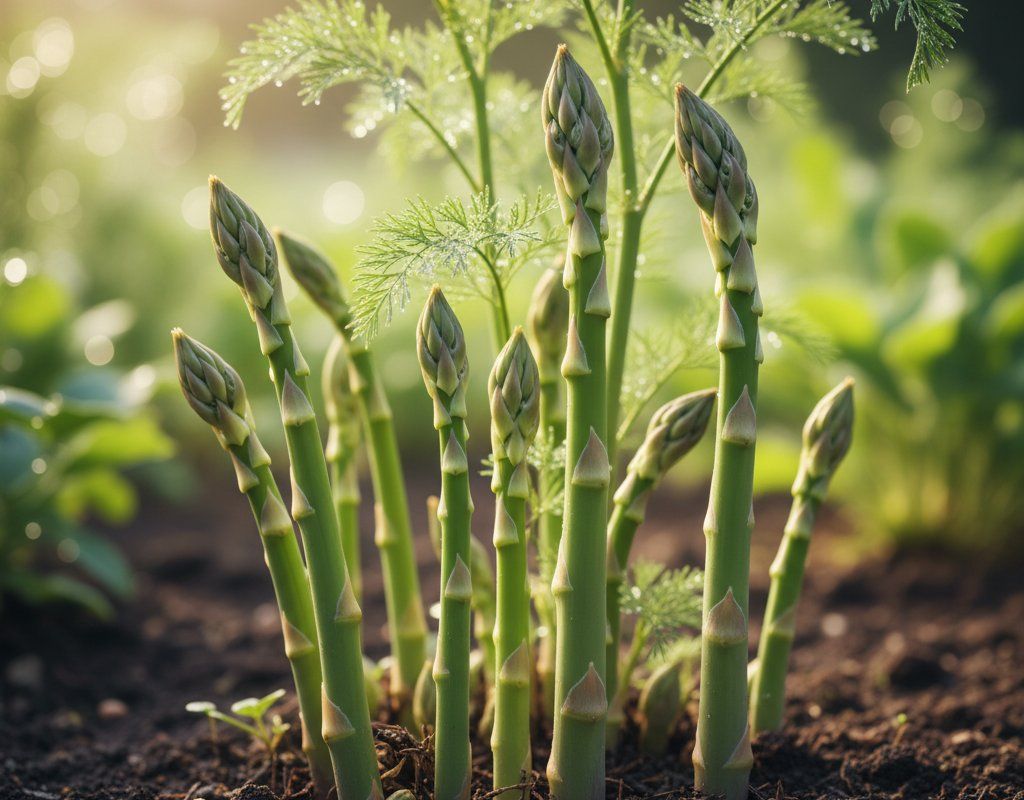



Companion Planting Details
Parsley pairs beautifully with tomatoes in both the garden and the kitchen. Plant parsley around your tomato cages - it helps repel some pests while providing a living mulch that thrives in the partial shade created by tomato foliage. The parsley also benefits from the consistent watering your tomatoes need during our hot summers.
Asparagus and parsley make excellent garden neighbors since both prefer well-drained soil and can handle our spring temperature swings. Corn provides afternoon shade that parsley appreciates during peak summer heat, while roses benefit from parsley's pest-repelling qualities. Avoid planting parsley near lettuce, as both compete for similar nutrients and water, and skip mint as a neighbor since it's aggressive enough to overwhelm your parsley plants in our fertile, moist conditions.
🌸Best Flowers to Plant with Parsley
These flowers protect your Parsley from pests and attract pollinators for better harvests.
For Pest Control




Get a Reminder When It's Time to Plant
We'll email you when key planting windows open for your zone.