
Lettuce in Zone 6A — Mountain West
Lactuca sativa · Your Complete 2026 Planting Guide
Planning Ahead — Great!
You’re ahead of the season. Here’s when to start.
Mark Your Calendar
How to Plant Lettuce in Zone 6A — Mountain West
Here are all your options for getting lettuce in the ground, from the easiest method to more advanced approaches.
Direct Sow Seeds
RecommendedEarly April through early August
around April 3
Consider succession planting every 2-3 weeks for continuous harvest.
Lettuce germinates easily in cool soil. Succession sow every 2-3 weeks.
Start Seeds Indoors
RecommendedMid March through early April
around March 20
Then transplant: Mid April through late May
Start seeds 4-6 weeks before transplanting outdoors.
Starting indoors gives you an earlier harvest.
Buy Starts
Works WellMid April through late May
around April 17
Plant purchased starts after last frost (May 1).
Lettuce starts are inexpensive and widely available.
Transplant Outdoors
Timing InfoMid April through late May
around April 17
Can tolerate light frost, but wait for soil to be workable.
You have a nice window — no need to rush.
Fall Planting
Early August through early September
August 20 ideal · Direct sow for fall harvest
Plant a second crop in mid-summer for fall harvest. Lettuce actually prefers the cooling temperatures of fall.
Overview
Lettuce thrives in our Mountain West climate, where cool nights even in summer keep leaves crisp and sweet while our intense sun provides plenty of energy for growth. You'll taste the difference immediately – homegrown lettuce has a complexity and freshness that makes store-bought seem like cardboard. Our low humidity means minimal disease pressure, and the moderate temperatures at altitude create ideal growing conditions for this cool-season crop.
Our short 153-day growing season and late spring start might seem challenging, but lettuce actually works perfectly with our Mountain timing. You can succession plant from early spring through late summer, getting multiple harvests before our early October frost. The key is working with our cool nights and protecting plants during unexpected temperature swings.
Starting Seeds Indoors
Starting lettuce indoors makes sense if you want the earliest possible harvest, though it's not essential since lettuce handles cool soil well. You can start seeds from mid-March through early April, about 4 weeks before transplanting outside. Our late spring means indoor starting gives you a solid head start on the season.
Use standard seed trays with good drainage and keep soil consistently moist through bottom watering – this prevents damping off while ensuring even germination. Lettuce seeds germinate quickly at 60-65°F, so a warm spot in your house works fine. Once sprouted, they need bright light to prevent legginess.
Your indoor-started lettuce will be ready to transplant by mid-April when soil conditions improve. This method gives you lettuce by mid-May instead of waiting until early June with direct sowing.
Transplanting Outdoors
Transplant your lettuce seedlings from mid-April through late May, after soil workability improves but while nights stay cool. Space plants 6-12 inches apart depending on variety – leaf lettuces need less room than head types. Our intense Mountain sun can shock tender transplants, so choose a cloudy day or provide temporary shade cloth.
Harden off seedlings gradually over a week before transplanting. Start with 2-3 hours outside in partial shade, increasing exposure daily. Our temperature swings can be dramatic, so bring plants in if frost threatens during the hardening process.
Lettuce transplants are inexpensive at local nurseries and save you the indoor starting hassle. Plant them slightly deeper than they grew in containers, and water well to establish roots before our dry conditions stress them.
Direct Sowing
Direct sowing works excellently for lettuce in our Mountain climate since seeds germinate in cool soil as low as 35°F. Sow from early April through early August, timing plantings every 2-3 weeks for continuous harvest. Early sowings may need row covers if late frost threatens.
Prepare soil by working in compost – our alkaline Mountain soil benefits from organic matter to improve texture and water retention. Scatter seeds thinly and cover with ¼ inch of soil. Keep the seeded area consistently moist until germination, usually 5-10 days depending on soil temperature.
Thin seedlings to 6-12 inches apart once they're 2 inches tall. Don't skip this step – crowded lettuce develops poorly and bolts faster. Use the thinnings in salads rather than waste them.
Watering Lettuce in Zone 6A (Mountain West)
Lettuce needs consistent moisture to develop tender, sweet leaves, especially critical in our dry Mountain climate with only 10-20 inches of annual rainfall. Water deeply 2-3 times per week rather than daily light sprinklings, providing about 1-1.5 inches total weekly. Our low humidity means soil dries faster than you'd expect.
Check moisture by sticking your finger 2 inches deep – if dry at that depth, it's time to water. Lettuce has shallow roots that dry out quickly in our intense sun and low humidity. Water at soil level to keep leaves dry and reduce evaporation in our arid conditions.
Apply 2-3 inches of organic mulch around plants to retain moisture and keep roots cool during our warm summer days. Straw or shredded leaves work well and don't compete with our alkaline soil chemistry. Mulching is especially important for succession plantings through summer heat.
Watch for signs of stress: wilting in morning indicates underwatering, while yellowing lower leaves often signals overwatering. Our moderate summer temperatures (typically 85°F) mean lettuce rarely needs daily watering unless planted in full afternoon sun.
🧪Fertilizing Lettuce
Feeding Schedule
Organic Fertilizer Options
Harvest Time
Expect your first lettuce harvest from mid-May through early October, with indoor-started plants ready about 45 days from seeding. Harvest leaf lettuce when outer leaves reach 4-6 inches long, cutting individual leaves and letting the center continue growing. Head lettuces are ready when heads feel firm but before the center starts elongating into a flower stalk.
Cut lettuce in early morning when leaves are crisp from cool Mountain nights. Use a sharp knife to cut head lettuce at soil level, or scissors for individual leaves. Harvest before plants bolt – once you see that tall center stalk forming, leaves turn bitter quickly.
Keep harvesting regularly to encourage continued production. Leaf lettuces can provide cuts for 4-6 weeks if you take outer leaves and leave the growing point intact. Our cool nights help maintain quality longer than in hotter climates.
Plan your final succession planting for early August to have fresh lettuce until our first frost in early October. Late-season lettuce often tastes sweetest as plants respond to cooling temperatures by concentrating sugars.
Common Problems in Zone 6A (Mountain West)
Bolting appears as a tall flower stalk shooting up from the center of your lettuce plant, turning leaves bitter and tough. Our intense Mountain sun and warm days can trigger premature bolting, especially in midsummer plantings. Choose slow-bolt varieties for summer sowings, provide afternoon shade during hot spells, and keep soil consistently moist to reduce stress.
Aphids cluster as tiny green, black, or white insects on leaf undersides and stems, leaving sticky honeydew residue and causing curled growth. Our dry conditions often concentrate these pests, but beneficial insects thrive in our low-humidity environment. Blast them off with water, encourage ladybugs and lacewings, or use insecticidal soap for severe infestations.
Slugs create irregular holes in leaves and leave silvery slime trails, particularly problematic in irrigated areas during our cool, moist spring mornings. They hide under mulch and emerge at night when temperatures drop. Use beer traps, iron phosphate bait, or water in morning so soil surfaces dry by evening when slugs become active.
Tip burn shows as brown, dried edges on inner leaves, caused by inconsistent watering that prevents calcium uptake. Our alkaline soil usually has adequate calcium, but irregular moisture from our dry climate disrupts plant uptake. Maintain consistent soil moisture and avoid high-nitrogen fertilizers that worsen the condition.
Mountain West Specific Challenges: Our intense UV can stress lettuce during peak summer, while sudden temperature drops can shock plants. Hail damage is always a concern – row covers provide protection. The combination of dry air and alkaline soil requires careful attention to watering and organic matter to keep lettuce thriving.
Best Companions for Lettuce
Plant these nearby for healthier Lettuce and better harvests.
View Full Companion Planting Chart →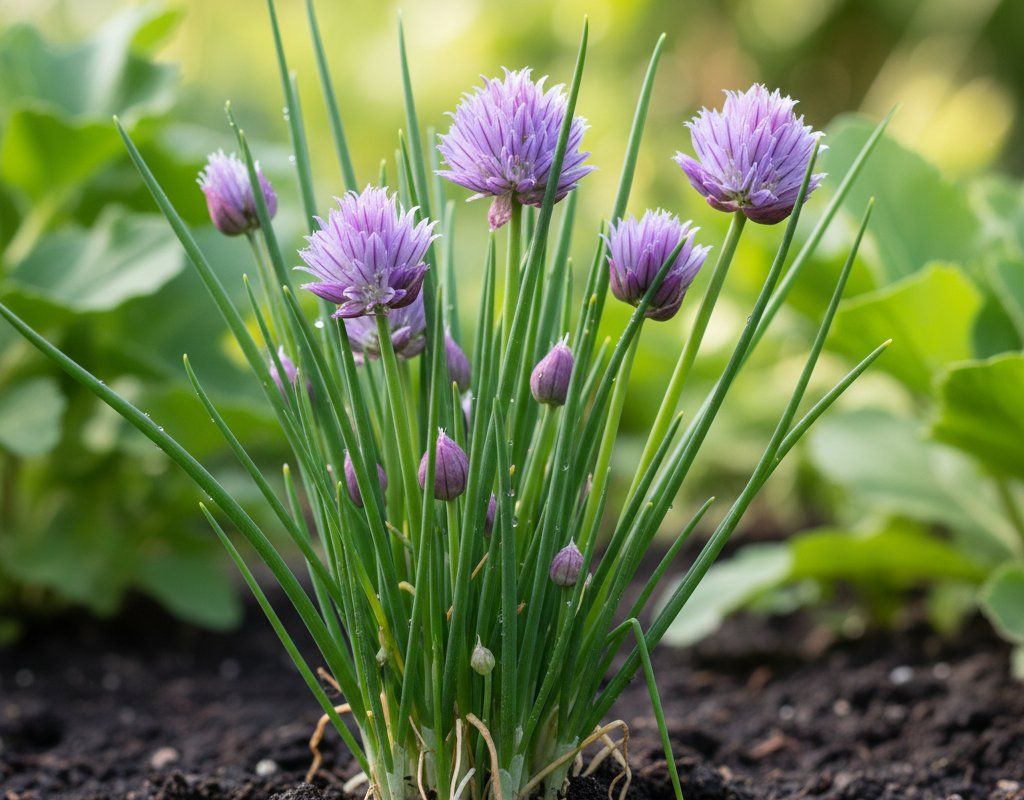


Companion Planting Details
Lettuce pairs excellently with carrots and radishes in our Mountain gardens – the root crops break up our often-compacted soil while their different root zones don't compete for nutrients. Radishes mature quickly and are harvested before lettuce needs the space, while carrots' deep taproots bring up nutrients from below the lettuce root zone. Chives planted nearby repel aphids naturally and their purple flowers attract beneficial insects that help control pests.
Avoid planting lettuce near celery or parsley, which have similar shallow root systems and water needs, creating too much competition in our dry climate. These plants also attract similar pests, concentrating problems in one area. In our intense sun, use taller companions like tomatoes or peppers to provide natural afternoon shade for summer lettuce plantings.
🌸Best Flowers to Plant with Lettuce
These flowers protect your Lettuce from pests and attract pollinators for better harvests.
For Pest Control





Get a Reminder When It's Time to Plant
We'll email you when key planting windows open for your zone.