
Lettuce in Zone 8B — Southern California
Lactuca sativa · Your Complete 2026 Planting Guide
Harvest Time!
Your Lettuce should be producing now!
Harvest Tips
Harvest outer leaves for cut-and-come-again, or cut whole head.
How to Plant Lettuce in Zone 8B — Southern California
Here are all your options for getting lettuce in the ground, from the easiest method to more advanced approaches.
Direct Sow Seeds
RecommendedMid January through mid October
around January 18
Consider succession planting every 2-3 weeks for continuous harvest.
Lettuce germinates easily in cool soil. Succession sow every 2-3 weeks.
Start Seeds Indoors
RecommendedLate December through mid January
around January 4
Then transplant: Early February through mid March
Start seeds 4-6 weeks before transplanting outdoors.
Starting indoors gives you an earlier harvest.
Buy Starts
Works WellEarly February through mid March
around February 1
Plant purchased starts after last frost (February 15).
Lettuce starts are inexpensive and widely available.
Transplant Outdoors
Timing InfoEarly February through mid March
around February 1
Can tolerate light frost, but wait for soil to be workable.
You have a nice window — no need to rush.
Fall Planting
Mid October through mid November
October 29 ideal · Direct sow for fall harvest
Plant a second crop in mid-summer for fall harvest. Lettuce actually prefers the cooling temperatures of fall.
Overview
Lettuce is one of the most rewarding crops for Southern California gardeners, offering fresh, crisp salads year-round that put grocery store produce to shame. Our mild winters and extended growing season mean you can enjoy homegrown lettuce from early spring through late fall, with succession plantings keeping your salad bowl full for nearly ten months. The difference in flavor between a leaf picked minutes before dinner and week-old store lettuce is remarkable—your homegrown varieties will have that satisfying crunch and vibrant taste that makes gardening worthwhile.
Our hot, dry summers and occasional Santa Ana winds do present challenges for this cool-season crop, but proper timing and placement make lettuce quite manageable in Zone 8B. With our 298-day growing season, you have plenty of flexibility to work around the summer heat by focusing on fall, winter, and early spring plantings. A little afternoon shade during warmer months and consistent watering will keep your lettuce thriving when the inland temperatures climb.
Starting Seeds Indoors
Starting lettuce seeds indoors isn't the most common approach for Southern California gardeners, but it does have its place, especially for getting an extra-early harvest. If you want lettuce ready by early March, start your seeds indoors from late December through mid-January, about four weeks before your planned transplant date. This timing takes advantage of our very early spring to get a jump on the growing season.
Set up your seed trays in a cool location—lettuce actually prefers temperatures around 60-65°F for germination, so a garage or covered patio often works better than a heated indoor space. Use bottom watering to keep the seed starting mix consistently moist without washing away the tiny seeds. The main advantage of starting indoors is controlling the environment during those occasionally unpredictable late winter weeks when we might get unexpected warm spells or heavy rain.
Most SoCal gardeners skip indoor starting since lettuce transplants are inexpensive and widely available at nurseries, plus our mild climate allows for direct sowing much of the year. But if you want specific varieties or just enjoy the satisfaction of growing from seed, indoor starting gives you that head start.
Transplanting Outdoors
Transplanting lettuce works beautifully in Southern California, with nursery starts readily available and our mild winter weather perfect for establishing young plants. Plan to transplant from early February through mid-March, timing it so your seedlings go into the ground while nights are still cool but the last frost risk has passed. This window captures the sweet spot before our spring heat arrives.
Harden off your seedlings for about a week before transplanting—gradually increase their outdoor exposure even though our winter weather is gentle. Space plants 6-12 inches apart depending on variety, with head lettuces needing the wider spacing and leaf varieties happy closer together. Our dry winter air and occasional gusty conditions mean newly transplanted seedlings appreciate some protection from wind for their first week or two.
Since lettuce starts are both affordable and reliable at local nurseries, many SoCal gardeners prefer transplanting over direct seeding. You'll get more predictable spacing, better germination rates, and can easily succession plant by picking up a six-pack every few weeks through the growing season.
Direct Sowing
Direct sowing lettuce works exceptionally well in Southern California's mild climate, giving you the largest selection of varieties since you're not limited to what nurseries carry. Sow seeds from mid-January through mid-October, avoiding only the hottest summer months when germination becomes unreliable and seedlings struggle in the heat. The key is timing your sowings to avoid the peak summer temperatures that stress this cool-season crop.
Lettuce seeds germinate easily in cool soil, actually preferring temperatures around 60-70°F. Prepare your soil by working in compost and ensuring good drainage—our clay soils can stay too wet during winter rains, leading to seed rot. Sow seeds about 1/4 inch deep and keep the soil surface consistently moist until germination, which typically happens within a week in our mild conditions.
Succession sow every 2-3 weeks to maintain a continuous harvest, adjusting your timing as seasons change. Direct sowing lets you grow specialty varieties like speckled romaine or colorful loose-leaf types that you'll never find as transplants. Space plants 6-12 inches apart once established, thinning as needed—those thinnings make excellent micro-greens for salads.
Watering Lettuce in Zone 8B (Southern California)
Lettuce demands consistent moisture in Southern California's semi-arid climate, and getting the watering right is crucial for success. These shallow-rooted plants dry out quickly in our low-humidity air and hot inland temperatures, so check soil moisture daily during warm weather by sticking your finger 2 inches deep. The soil should feel consistently moist but not waterlogged—lettuce roots are prone to rot in soggy conditions.
During our mild winter growing season, lettuce typically needs about 1 inch of water per week, but this jumps to 1.5-2 inches during warmer spring and fall periods when inland temperatures reach the 80s and 90s. Water at soil level rather than overhead to avoid wetting the leaves, which can lead to disease issues in our sometimes humid winter mornings. Drip irrigation or soaker hoses work perfectly for maintaining that steady moisture lettuce craves.
Summer lettuce (if you're brave enough to try it) needs daily attention, often requiring light watering both morning and evening when temperatures soar above 90°F. Mulch becomes essential during warmer months—a 2-inch layer of straw or shredded leaves keeps soil cool and reduces water evaporation significantly. Watch for signs of water stress: wilting during the day, bitter taste, or premature bolting all indicate your plants need more consistent moisture.
Signs of overwatering include yellowing outer leaves, slimy roots, or a sour smell from the soil. During our winter rainy season, you might need to ease back on irrigation and ensure good drainage to prevent root rot in heavy clay soils.
🧪Fertilizing Lettuce
Feeding Schedule
Organic Fertilizer Options
Harvest Time
Your first lettuce harvest typically arrives from early March through mid-December in Southern California, with exact timing depending on variety and planting date. Most lettuce reaches maturity in about 45 days, but you can start harvesting leaf varieties much sooner by picking outer leaves when they reach 4-6 inches long. Head lettuces like romaine and iceberg need to form firm, full heads before harvest—squeeze gently to check for solid development.
For continuous harvests, cut leaf lettuce about 2 inches above the soil line, leaving the growing crown intact. The plant will regrow for multiple cuttings over several weeks, especially during our cool winter and spring weather. Head lettuces are typically one-and-done harvests, but you can often get a second smaller crop from the remaining stem if you leave it in place.
Harvest in the early morning when leaves are crisp and full of moisture, before our dry air and warming temperatures cause them to wilt. Watch carefully for signs of bolting—that tall central flower stalk that signals the end of good eating. Once lettuce starts to bolt, leaves become bitter and tough, so harvest immediately when you see that telltale central growth shooting up.
As first frost approaches in early December, harvest all remaining lettuce since most varieties won't survive even our mild freezes. However, cold-hardy varieties like winter density romaine or certain loose-leaf types might surprise you by surviving and continuing to produce through our gentle winter months.
Common Problems in Zone 8B (Southern California)
Bolting Your lettuce suddenly sends up a tall central flower stalk, and the leaves become bitter or tough to chew. This premature shift to seed production typically happens when you see that unmistakable tower growing from the plant's center, often accompanied by increasingly bitter-tasting leaves.
Heat, long spring days, and drought stress trigger bolting in our Southern California climate. Lettuce is programmed to reproduce when it senses summer approaching, and our rapid transition from cool winter to warm spring weather can catch plants off guard. Even brief periods of temperatures above 75°F can trigger this response in sensitive varieties.
Plant at the right time for our climate—focus on fall through early spring plantings and avoid late spring sowings that mature during hot weather. Provide afternoon shade during warm spells using shade cloth or taller plants. Keep soil consistently moist since drought stress accelerates bolting. Choose bolt-resistant varieties like 'Jericho' romaine or 'Muir' butterhead, and succession plant every few weeks rather than one large planting.
Aphids Clusters of tiny, soft-bodied insects appear on stems and leaf undersides—they might be green, black, or white depending on the species. You'll notice sticky honeydew residue on leaves and possibly curled or distorted new growth where aphids have been feeding heavily.
These sap-sucking insects reproduce rapidly in our warm weather, and their populations can explode seemingly overnight. Ants often farm aphid colonies for their sweet honeydew, so seeing ants marching up your lettuce stems is often the first sign of an aphid problem. Over-fertilizing with nitrogen-heavy fertilizers attracts aphids to your plants.
Blast them off with a strong spray from your hose—this simple approach works well for light infestations. Encourage natural predators like ladybugs and lacewings by planting alyssum, fennel, or other small-flowered plants nearby. For heavier infestations, insecticidal soap or neem oil provide effective organic control. Avoid high-nitrogen fertilizers that create the lush, soft growth aphids prefer.
Slugs Irregular holes appear in your lettuce leaves, especially on plants close to the ground, and you'll find silvery slime trails on leaves and surrounding soil. Damage is worse after watering or morning dew, since these creatures are most active in moist conditions.
These nocturnal gastropods hide during the day under mulch, boards, or any debris around your garden, then emerge at night to feed on tender lettuce leaves. Our mild, humid winter mornings provide ideal conditions for slug activity, especially in areas with heavy mulch or poor air circulation.
Set up beer traps by sinking shallow dishes filled with beer at soil level—slugs are attracted to the yeast and drown. Iron phosphate bait (sold as Sluggo) is pet-safe and very effective. Remove hiding spots like boards, thick mulch, or debris near lettuce beds. Water in the morning so soil surfaces dry by evening, making nighttime conditions less appealing to slugs. Copper tape around raised beds creates a barrier they won't cross.
Tip Burn Brown, dried edges develop on inner lettuce leaves, and in severe cases, outer leaves show the same browning pattern. This looks similar to drought stress but affects leaf margins specifically rather than whole leaves wilting.
This calcium uptake problem occurs when plants can't absorb calcium efficiently, usually due to inconsistent watering rather than actual calcium deficiency in the soil. Our hot, dry air and temperature swings between day and night can worsen this condition, similar to blossom end rot in tomatoes.
Maintain consistent soil moisture through regular, deep watering rather than frequent shallow watering. Avoid fertilizers high in ammonium nitrogen, which can interfere with calcium uptake. Test your soil to ensure adequate calcium levels, and consider adding gypsum if needed. Choose resistant varieties and provide afternoon shade during warm weather to reduce plant stress.
Southern California Specific Challenges Our combination of hot inland temperatures, low humidity, and winter-wet rainfall pattern creates unique challenges for lettuce growing. The rapid temperature swings between cool mornings and warm afternoons can stress plants, while our dry air increases water needs significantly compared to more humid regions. Santa Ana winds can desiccate plants quickly, and our extended fire season sometimes means dealing with ash or poor air quality during growing periods.
Best Companions for Lettuce
Plant these nearby for healthier Lettuce and better harvests.
View Full Companion Planting Chart →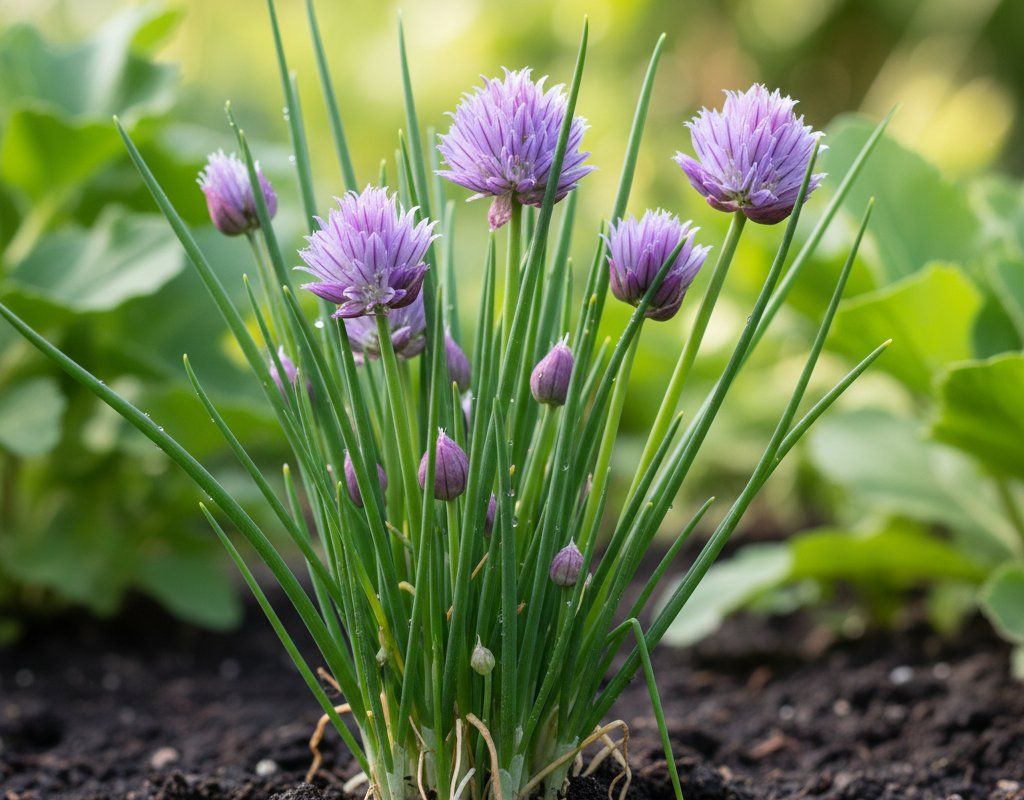


Companion Planting Details
Lettuce thrives alongside several companion plants that take advantage of our Southern California growing conditions. Carrots make excellent companions since their deep taproots don't compete with lettuce's shallow root system, and the carrots help break up clay soil while the lettuce provides ground cover that conserves moisture. Radishes grow quickly and help mark lettuce rows while their peppery scent may deter some pests. Strawberries and lettuce share similar water needs and both appreciate afternoon shade during our warmer months, making them natural partners in the same bed.
Chives planted nearby can help repel aphids with their onion-family compounds while providing you with fresh herbs for those homegrown salads. However, avoid planting lettuce near celery or parsley, which have similar water and nutrient needs, creating competition rather than cooperation. These plants also tend to attract similar pests, potentially concentrating problems in one area of your garden rather than spreading the risk.
🌸Best Flowers to Plant with Lettuce
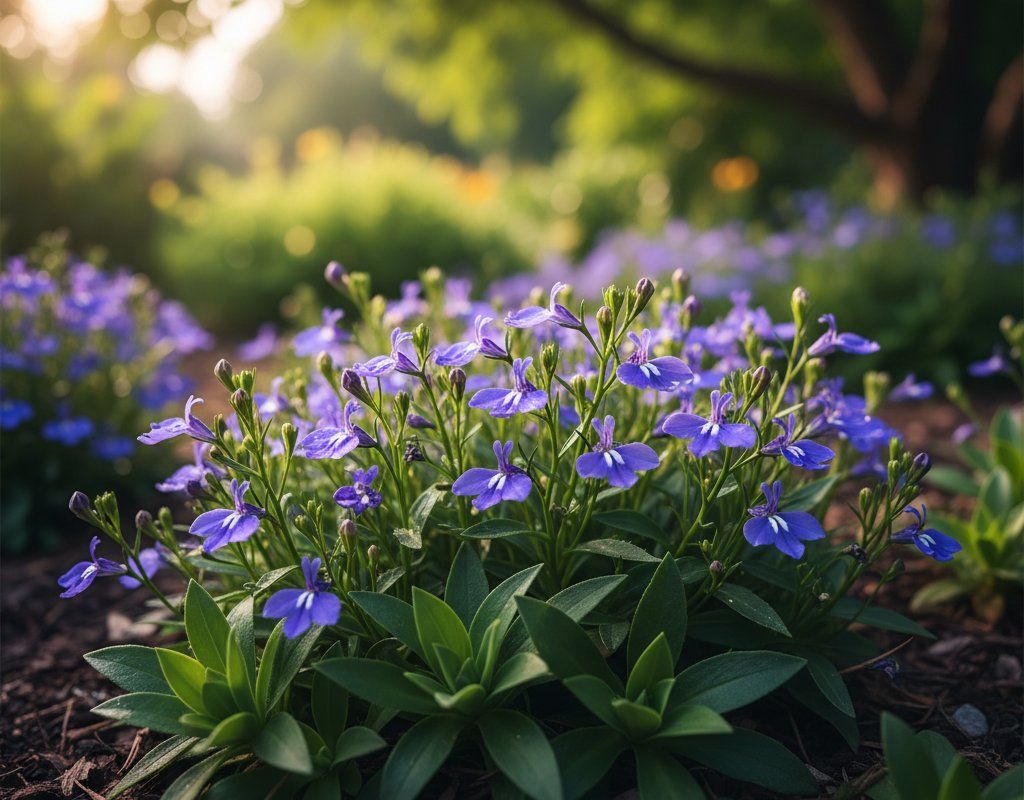
These flowers protect your Lettuce from pests and attract pollinators for better harvests.
For Pest Control





Get a Reminder When It's Time to Plant
We'll email you when key planting windows open for your zone.