
Parsley in Zone 8B — Southern California
Petroselinum crispum · Your Complete 2026 Planting Guide
You Can Still Sow!
Direct sowing window is open for Parsley.
Direct Sow Now
Parsley is slow to germinate (2-4 weeks). Soaking seeds helps.
How to Plant Parsley in Zone 8B — Southern California
Here are all your options for getting parsley in the ground, from the easiest method to more advanced approaches.
Direct Sow Seeds
RecommendedEarly February through mid September
around February 1
Consider succession planting every 2-3 weeks for continuous harvest.
Parsley is slow to germinate (2-4 weeks). Soaking seeds helps.
Start Seeds Indoors
RecommendedLate November through late December
around December 7
Then transplant: Early February through early March
Start seeds 8-10 weeks before transplanting outdoors.
Start indoors 8-10 weeks early due to slow germination.
Buy Starts
Works WellEarly February through early March
around February 1
Plant purchased starts after last frost (February 15).
Transplant Outdoors
Timing InfoEarly February through early March
around February 1
Can tolerate light frost, but wait for soil to be workable.
You have a nice window — no need to rush.
Fall Planting
Late September through late October
October 8 ideal · Direct sow for fall harvest
Plant a second crop in mid-summer for fall harvest. Parsley actually prefers the cooling temperatures of fall.
Overview
Parsley thrives in Southern California's mild winters and long growing season, giving you fresh herbs nearly year-round. Our 298-day growing season means you can harvest from spring through late fall, while the mild temperatures keep this cool-season herb producing when other regions are too hot or too cold. The Mediterranean-like climate here suits parsley perfectly, and you'll find both flat-leaf and curly varieties grow vigorously with our winter rains and coastal influence.
While our summer heat inland can stress parsley and our dry conditions require consistent watering, proper timing makes this herb surprisingly manageable. Plant during our cooler months and you'll have continuous harvests through most of the year, with the added bonus of having fresh parsley when grocery store prices peak.
Starting Seeds Indoors
Starting parsley seeds indoors makes sense if you want a head start or need to work around water restrictions during our dry summer months. Sow seeds from late November through late December, giving yourself about 8 weeks before transplanting in early spring. Parsley is notoriously slow to germinate—expect 2-4 weeks even under ideal conditions.
Use seed trays with good drainage and bottom watering to prevent damping off in our mild, humid winter conditions. A heating mat helps maintain consistent soil temperature around 65-70°F during our cooler winter nights. Once seedlings emerge, they need bright light—our short winter days often require supplemental lighting indoors.
The main advantage of indoor starting here is timing flexibility. You can get seedlings ready for our very early spring planting window while avoiding the unpredictable weather swings of late winter.
Transplanting Outdoors
Transplant your parsley seedlings outdoors from early February through early March, after our last frost risk passes in mid-February. These hardy seedlings can handle light frost, but established transplants perform better than trying to push the season too early. Space plants 6-10 inches apart to allow good air circulation in our sometimes humid winter conditions.
Harden off seedlings for about a week before transplanting, gradually exposing them to outdoor conditions. Start with morning sun only, then progress to longer exposures. Our February weather can swing between warm and cool, so watch for sudden temperature drops that might shock tender seedlings.
Plant in well-draining soil since our winter rains can create soggy conditions that promote crown rot. Choose a spot with morning sun and some afternoon shade protection—this positioning helps during the transition from cool spring to hot summer months ahead.
Direct Sowing
Direct sowing parsley works well in Southern California from early February through mid-September, though spring and fall plantings perform best. Soak seeds overnight before planting to speed up the notoriously slow germination process—you'll still wait 2-4 weeks for sprouts, but soaking helps. Plant seeds ¼ inch deep and space them about 2 inches apart, then thin to 6-10 inches once established.
Soil temperature should be at least 50°F for germination, which happens naturally here by early February. Keep the soil consistently moist during the long germination period—this is crucial in our dry climate. Consider using row covers or shade cloth during hot spells if direct sowing in summer.
Fall plantings from late September through October often produce the best parsley here, taking advantage of our mild autumn weather and winter rains. The plants establish before summer heat and provide harvests through the following spring.
Watering Parsley in Zone 8B (Southern California)
Parsley needs consistent moisture but not soggy conditions—about 1 inch of water per week during our dry months. Use the finger test: soil should be moist 2 inches down but not waterlogged. During our winter rainy season, reduce watering and let natural rainfall do most of the work, checking drainage to prevent crown rot.
Summer watering becomes critical as temperatures climb toward 92°F inland. Water deeply at soil level rather than overhead to conserve water and reduce evaporation in our low humidity. Morning watering works best, allowing plants to take up moisture before the day's heat while avoiding wet foliage during cooler nights that could promote fungal issues.
Watch for wilting during hot afternoon sun—this is normal, but persistent wilting indicates insufficient water. Yellowing lower leaves often signal overwatering, while crispy leaf edges suggest underwatering or salt buildup from hard water. During Santa Ana wind events, increase watering frequency as plants dry out faster.
Apply a thin layer of mulch around plants to retain soil moisture and reduce watering needs—especially valuable during water restrictions. Organic mulch like compost or shredded leaves works well, but keep it away from plant crowns to prevent rot in our humid winter conditions.
🧪Fertilizing Parsley
Feeding Schedule
Organic Fertilizer Options
Harvest Time
Your first parsley harvest begins around mid-April, about 70 days from planting, and continues through mid-December until our first frost. Look for stems with at least three segments of leaves—this indicates the plant is mature enough for cutting. Always harvest outer stems first, cutting at the base near soil level rather than pinching tips, which weakens the plant.
Cut individual stems as needed rather than shearing the entire plant. This "cut and come again" approach keeps your parsley producing continuously through our long growing season. Take no more than one-third of the plant at once to maintain vigor, especially important during summer heat stress.
Regular harvesting actually encourages more growth, so don't be shy about cutting stems frequently. The plant will keep producing new growth from the center. As temperatures drop in late fall, growth slows but doesn't stop—you'll have fresh parsley available through most of winter until the plant eventually bolts in its second year.
During our hot summer months, harvest in early morning when leaves are crisp and full of moisture. This timing gives you the best flavor and longest storage life for cut herbs.
Common Problems in Zone 8B (Southern California)
Slow Germination Parsley seeds can take 2-4 weeks to sprout, and sometimes longer in cool soil. You'll see no activity for weeks, then sudden emergence of tiny green loops. This extended germination period is normal but frustrating, especially when trying to time plantings with our water restrictions or seasonal weather patterns.
Cool soil temperatures and inconsistent moisture cause the slowest germination. Soak seeds overnight before planting and maintain consistent soil moisture without waterlogging. Using a heating mat for indoor starts or waiting until soil warms naturally in spring helps speed the process.
Carrot Rust Fly Small dark flies hovering near plants signal carrot rust fly presence, though the real damage comes from their larvae tunneling into roots and crowns. You'll notice rusty brown tunnels in the root area and wilting foliage despite adequate watering. The damage weakens plants and can kill young seedlings.
These flies are attracted to the carrot family, including parsley, and become active during warm spells in spring and fall. Row covers provide the most effective prevention—install immediately after planting and keep in place until harvest. Interplanting with onions helps confuse the flies' scent detection, and avoiding root disturbance during peak fly periods reduces attraction.
Crown Rot Crown rot appears as blackened, mushy tissue at the base of stems where they meet the soil. Plants wilt suddenly and collapse despite moist soil. Lower leaves yellow first, then the entire plant deteriorates rapidly. This fungal problem thrives in our winter wet conditions combined with poor drainage.
Our winter rains create perfect conditions for crown rot, especially in heavy clay soils or low-lying areas. Improve drainage by adding compost and planting in raised beds or mounds. Avoid overhead watering during humid winter weather, and ensure good air circulation by proper spacing.
Southern California Specific Challenges Our Mediterranean climate creates unique challenges for parsley: summer heat stress despite being a cool-season crop, crown rot during wet winters, and increased watering needs during drought periods. The combination of hot, dry summers and mild, wet winters means adjusting care seasonally—reducing water and improving drainage in winter, then increasing irrigation and providing afternoon shade during summer heat waves.
Best Companions for Parsley
Plant these nearby for healthier Parsley and better harvests.
View Full Companion Planting Chart →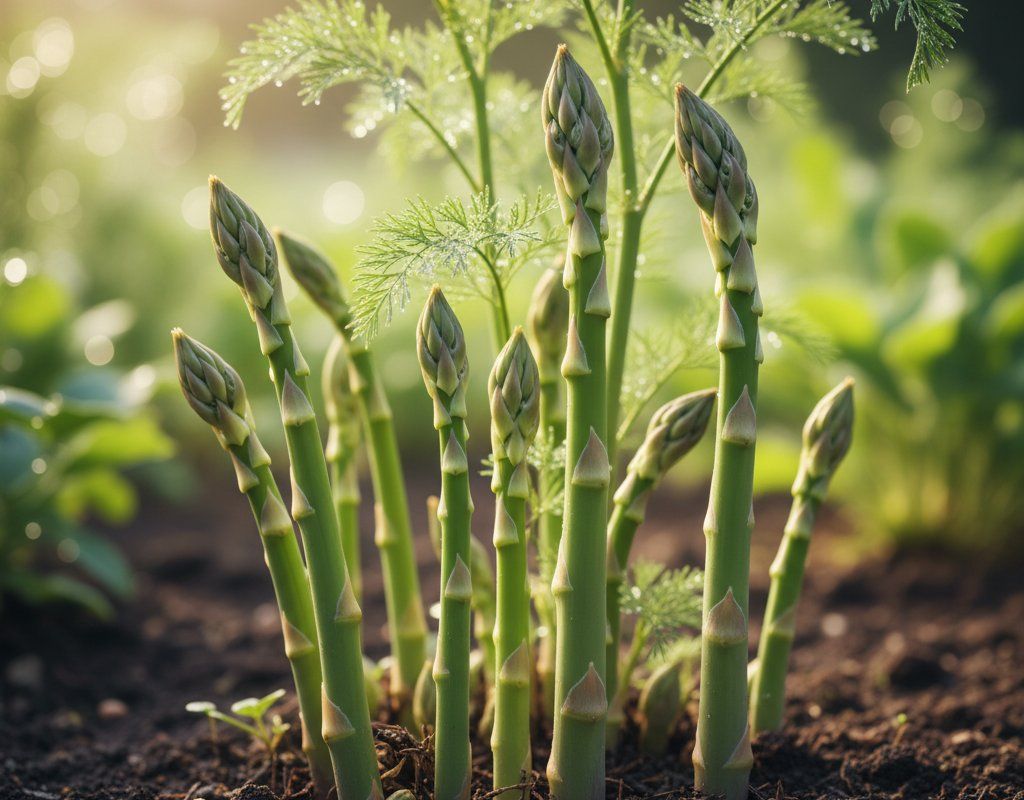



Companion Planting Details
Plant parsley near tomatoes, asparagus, and corn for mutual benefits in your Southern California garden. Tomatoes and parsley share similar water needs during our dry summers, and parsley's strong scent may help deter some tomato pests. Asparagus and parsley both prefer consistent moisture and benefit from the same seasonal care schedule—heavy watering in summer, drainage attention in winter. Corn provides beneficial afternoon shade for parsley during our intense summer heat, while parsley's low growth doesn't compete for nutrients.
Roses make excellent companions since both benefit from regular water and organic mulching. The herbs may help mask rose scents from certain pests. Avoid planting parsley near lettuce, which has different water requirements and may bolt faster when competing with the stronger-rooted parsley. Keep parsley away from mint, which spreads aggressively and will overtake the slower-growing parsley, especially during our optimal growing conditions in spring and fall.
🌸Best Flowers to Plant with Parsley
These flowers protect your Parsley from pests and attract pollinators for better harvests.
For Pest Control




Get a Reminder When It's Time to Plant
We'll email you when key planting windows open for your zone.