
French Marigold in Zone 4B — Mountain West
Tagetes patula · Your Complete 2026 Planting Guide
Planning Ahead — Great!
You’re ahead of the season. Here’s when to start.
Mark Your Calendar
How to Plant French Marigold in Zone 4B — Mountain West
Here are all your options for getting french marigold in the ground, from the easiest method to more advanced approaches.
Direct Sow Seeds
RecommendedMid May through mid July
around May 15
Consider succession planting every 2-3 weeks for continuous harvest.
Start Seeds Indoors
RecommendedEarly April through early May
around April 17
Then transplant: Late May through early July
Start seeds 6-8 weeks before transplanting outdoors.
Buy Starts
Works WellLate May through early July
around May 29
Plant purchased starts after last frost (May 15).
Transplant Outdoors
Timing InfoLate May through early July
around May 29
Wait until nighttime temperatures stay above 50°F.
You have a nice window — no need to rush.
Overview
French Marigolds are a fantastic addition to any high-altitude garden. Their bright, cheerful blooms add a pop of color, and they're surprisingly edible, adding a citrusy tang to salads and other dishes. Plus, they attract beneficial insects and act as a natural pest deterrent, making them a valuable companion plant in our Mountain gardens.
Our short growing season and intense UV rays can be challenging, but French Marigolds are fast growers, maturing in about 50 days. By starting seeds indoors or direct sowing at the right time, you can enjoy a vibrant display of blooms throughout our 128-day growing season, from early July until the first frost.
Starting Seeds Indoors
Starting French Marigolds indoors gives you a head start, especially with our late springs. If you want to get a jump on the season, sow seeds indoors from early April through early May, about six weeks before you plan to transplant them outside. Use seed trays filled with a good seed-starting mix, and keep them in a warm spot with plenty of light – a south-facing window or under grow lights works well.
Water from the bottom to encourage strong root growth and prevent damping-off. Place the tray in a shallow dish of water until the soil surface is moist. This helps the roots reach downward. Remember, spring can be unpredictable here, so keep an eye on the weather and be prepared to protect your seedlings if we get a late frost.
Transplanting Outdoors
Transplant your French Marigold seedlings outdoors from late May through early July, once the danger of frost has passed. Before transplanting, harden them off by gradually exposing them to outdoor conditions for about a week. Start with an hour or two of shade and increase the time each day.
Plant them 8-10 inches apart in well-drained soil, giving them enough space to bush out. Our cool nights can sometimes slow down growth after transplanting, so consider using row covers or cloches for the first few weeks to provide extra warmth and protection.
Direct Sowing
Direct sowing French Marigolds is a simple and effective option, especially if you're not in a rush. Sow seeds directly into the garden from mid-May through mid-July, after the soil has warmed up. Choose a sunny spot with well-drained soil.
Prepare the soil by loosening it and removing any rocks or debris. Sow seeds about ¼ inch deep and 8-10 inches apart. Keep the soil consistently moist until the seedlings emerge. Direct sowing is less work, but remember that you'll be starting later, so your first blooms might be a few weeks behind those started indoors.
Watering French Marigold in Zone 4B (Mountain West)
French Marigolds are surprisingly drought-tolerant once established, making them a great choice for our dry Mountain climate. Water deeply but infrequently, allowing the soil to dry out between waterings. In the spring, when temperatures are cooler, you might only need to water once a week, or even less if we get some rain.
During the hotter summer months, increase watering to about 1 inch per week, but always check the soil moisture first. Stick your finger about 2 inches deep into the soil – if it feels dry, it's time to water. Focus on watering at the base of the plant to avoid wetting the foliage, as this can encourage fungal diseases in our cool nighttime temperatures.
Overwatering can lead to root rot, while underwatering will cause the plants to wilt and the leaves to turn yellow. A light layer of mulch around the base of the plants can help retain moisture and suppress weeds.
Pruning & Maintaining French Marigold
Deadheading is key to keeping your French Marigolds blooming throughout the season. Regularly remove spent flowers by pinching or cutting them off just below the flower head. This encourages the plant to produce more blooms instead of putting energy into seed production.
You can deadhead throughout the growing season, from early July through mid-September. As the first frost approaches in mid- September, you can let the last flowers go to seed if you want to collect them for next year's garden.
🧪Fertilizing French Marigold
Feeding Schedule
Organic Fertilizer Options
Harvest Time
You can expect your first French Marigold blooms around early July, about 50 days after sowing. Harvest the flowers when they are fully open and the color is vibrant. To harvest, simply cut the stem just below the flower head.
Regular harvesting encourages the plant to produce more flowers, so don't be shy about picking them. The flowers are edible and can be used fresh or dried in teas, salads, and other dishes. As the end of the season approaches and the first frost looms around mid- September, harvest any remaining flowers before they are damaged by the cold. You can also let some of the flower heads dry on the plant to collect seeds for next year.
Common Problems in Zone 4B (Mountain West)
Even though French Marigolds are generally easy to grow, here are a few problems you might encounter in our Mountain gardens:
Spider Mites:
- What it looks like: Fine webs on the leaves and stems, tiny yellow or brown spots on the leaves, and overall stunted growth.
- What causes it: Hot, dry conditions, which are common in our Mountain summers.
- How to fix/prevent it: Increase humidity around the plants by misting them with water, especially during dry spells. You can also use insecticidal soap or neem oil to control infestations.
Powdery Mildew:
- What it looks like: White or grayish powdery coating on leaves, stems, and sometimes fruit. Leaves curl, yellow, and die.
- What causes it: Various fungi that thrive in warm days, cool nights, and moderate humidity. Dry leaf surfaces actually favor it.
- How to fix/prevent it: Improve air circulation through spacing and pruning. Remove affected leaves. Neem oil or potassium bicarbonate sprays help. Milk spray (1 part milk to 9 parts water) is surprisingly effective.
Slugs:
- What it looks like: Holes in leaves, especially on young plants. Slimy trails on the soil and foliage.
- What causes it: Moist conditions and plenty of organic matter.
- How to fix/prevent it: Handpick slugs off the plants, especially at night. You can also use slug bait or create barriers around the plants using copper tape or diatomaceous earth.
Mountain West Specific Challenges: The intense sun and low humidity can stress French Marigolds, making them more susceptible to spider mites. Be sure to provide adequate water and shade during the hottest part of the day. Our alkaline soil can also affect nutrient uptake, so amend your soil with compost or other organic matter to improve drainage and nutrient availability.
Best Companions for French Marigold
Plant these nearby for healthier French Marigold and better harvests.

Keep Away From
Companion Planting Details
French Marigolds make excellent companion plants for many vegetables in our Mountain gardens. They deter pests like nematodes and whiteflies, and their strong scent can confuse other insects.
Good companions:
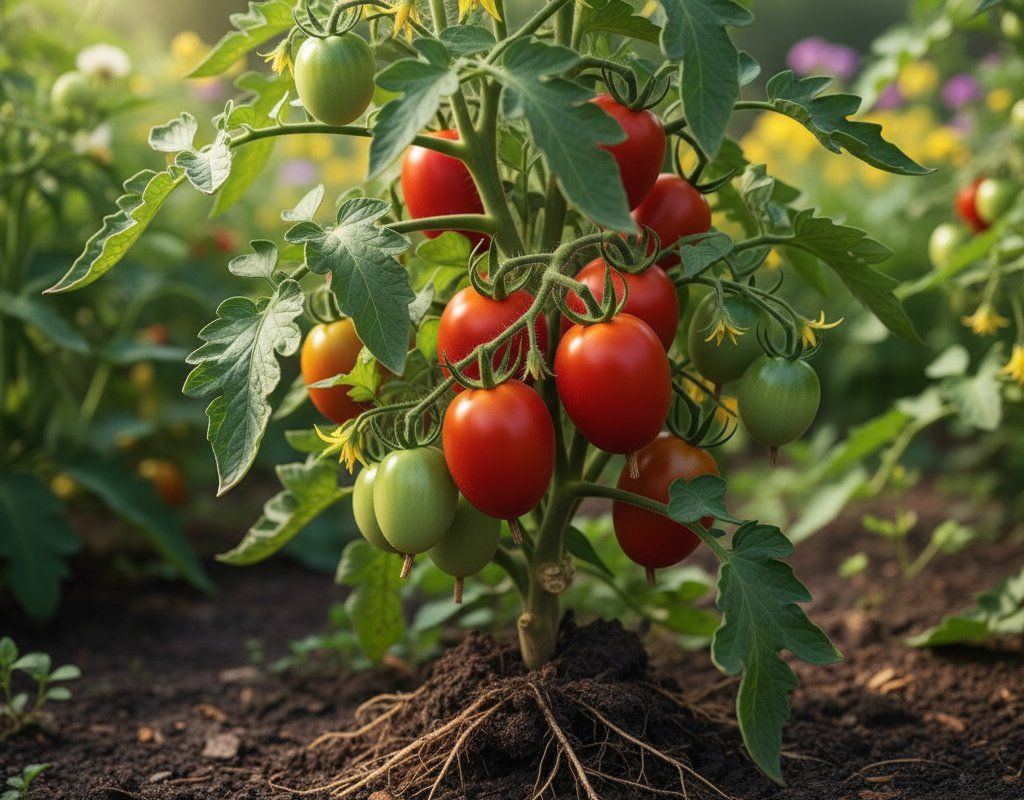
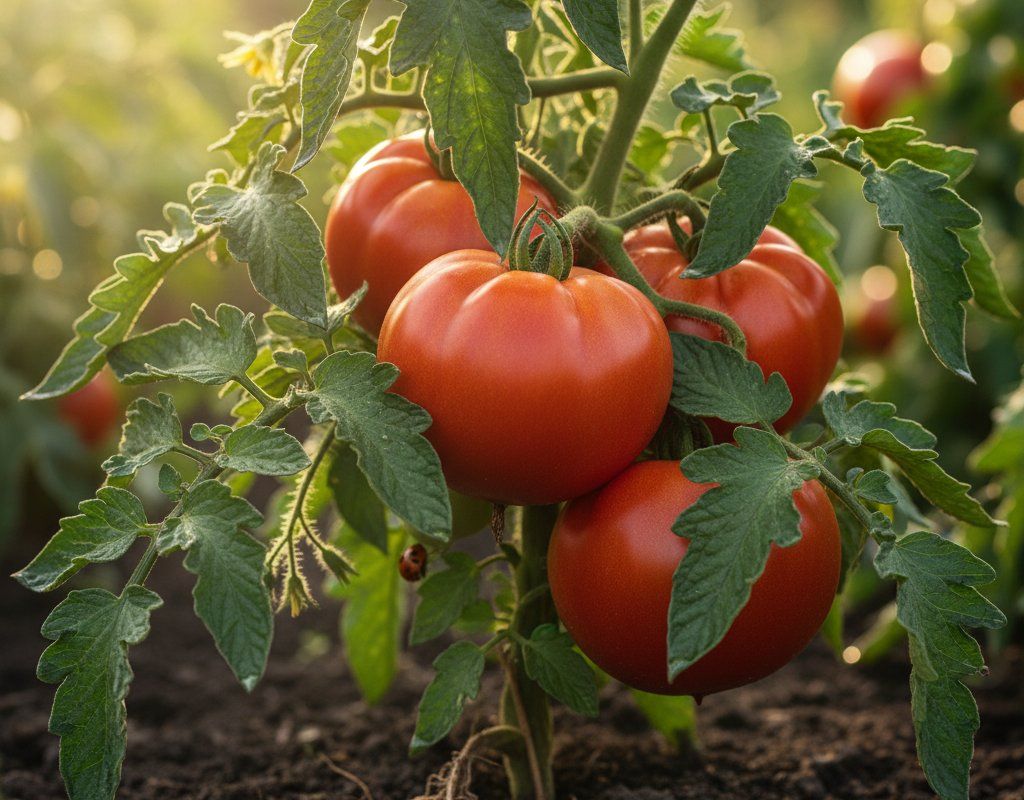
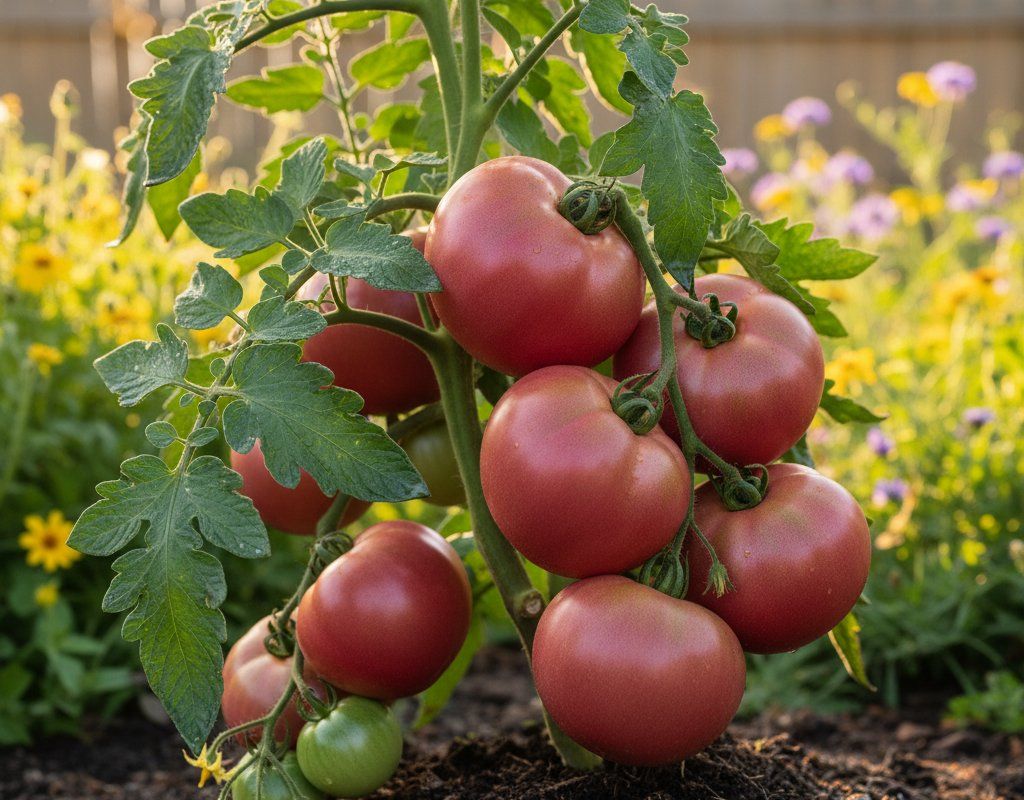
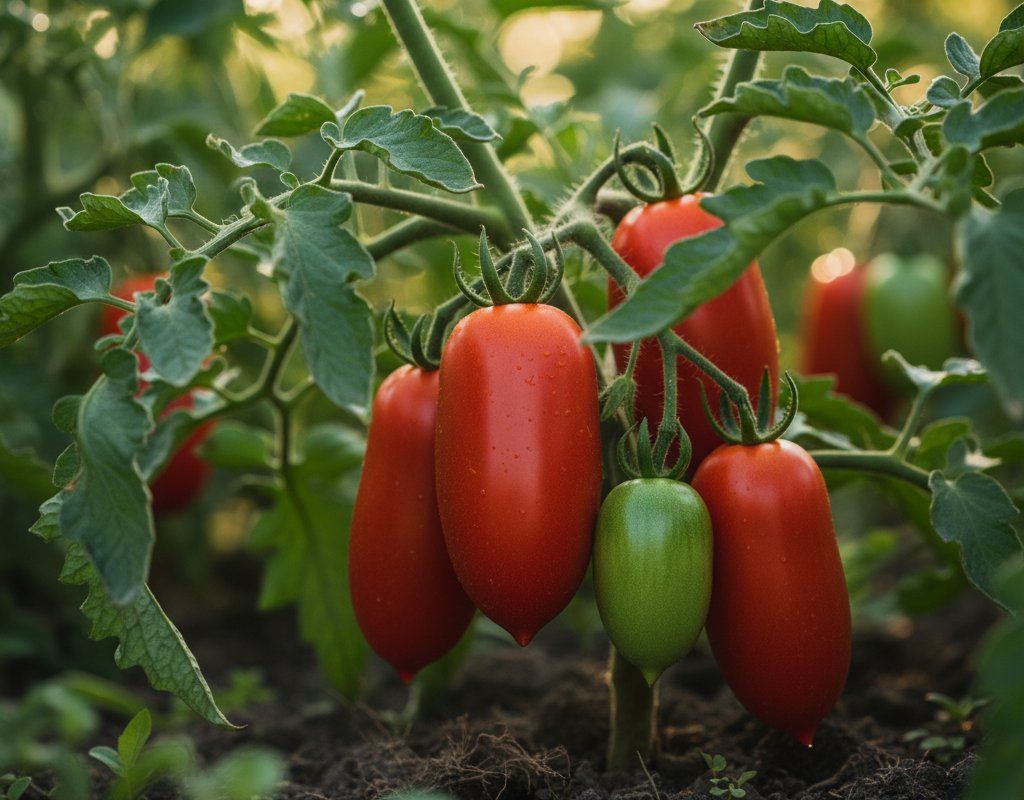
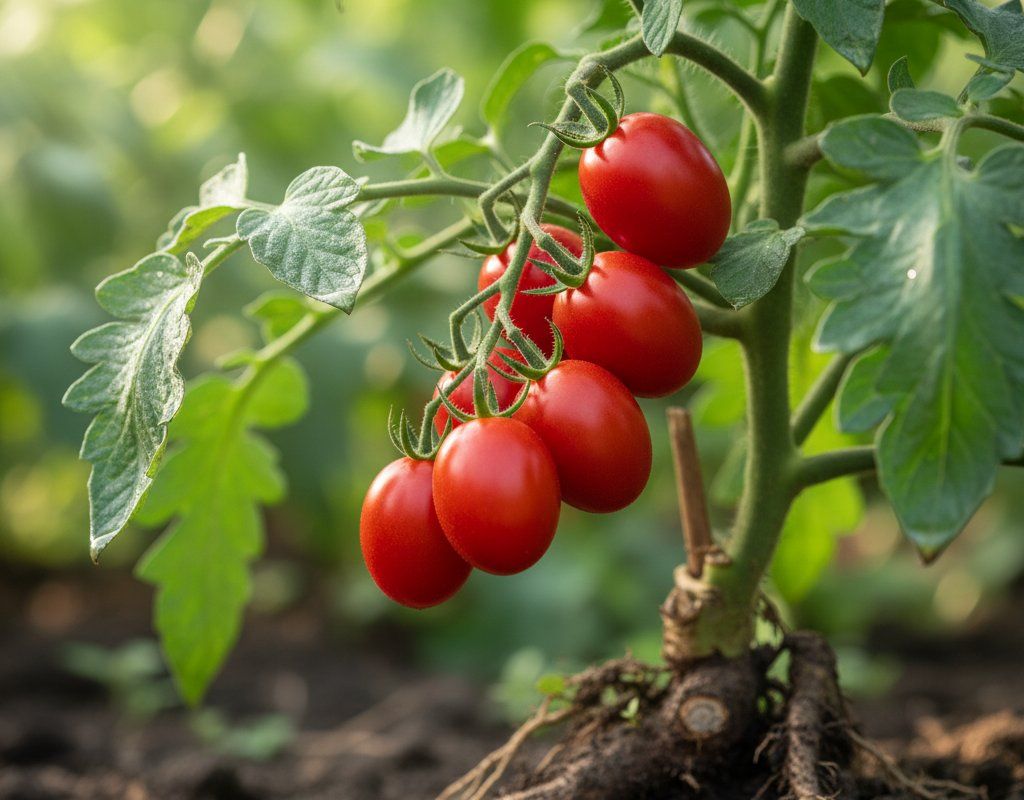
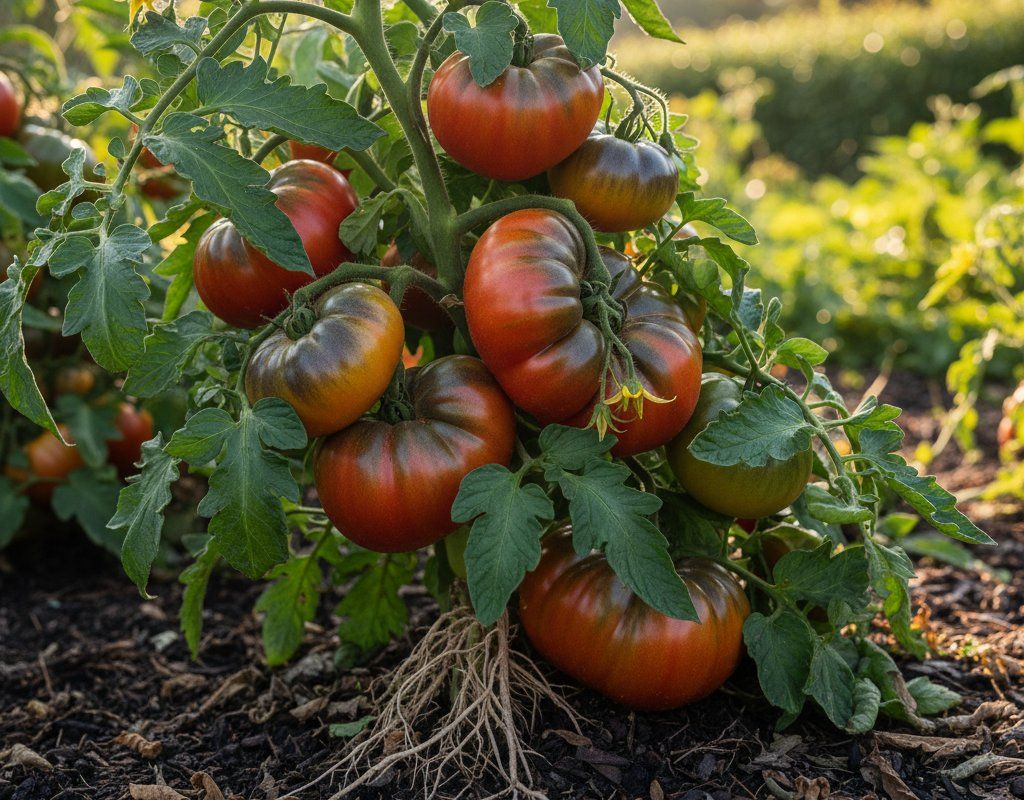
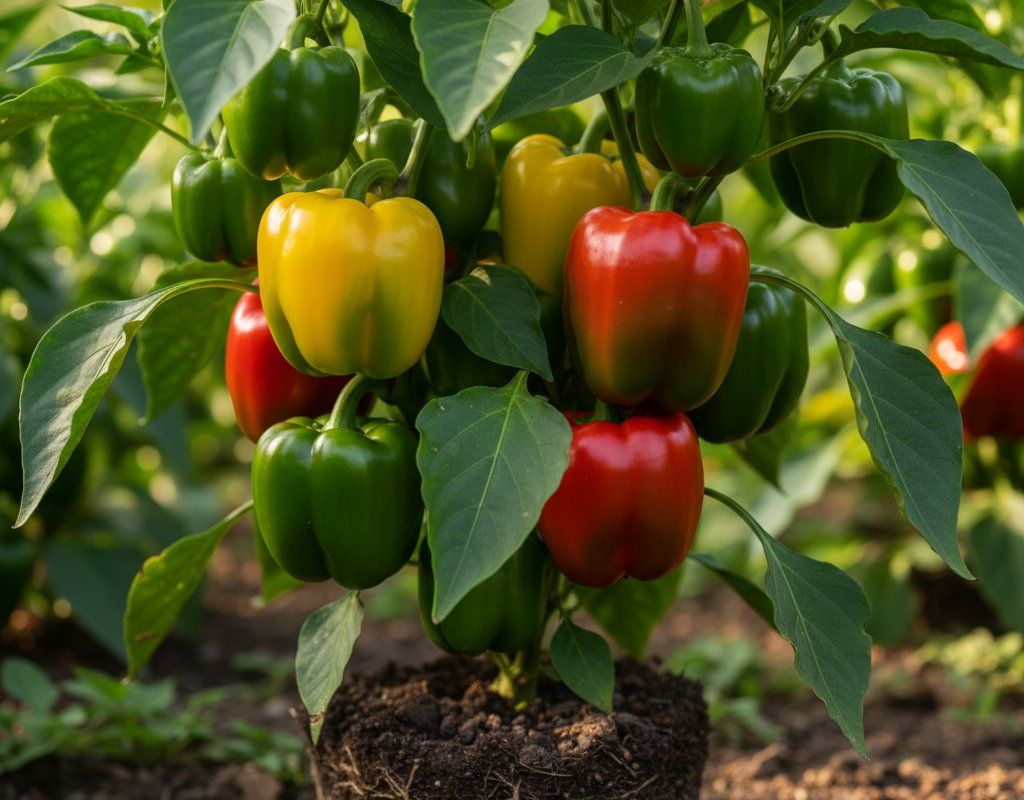
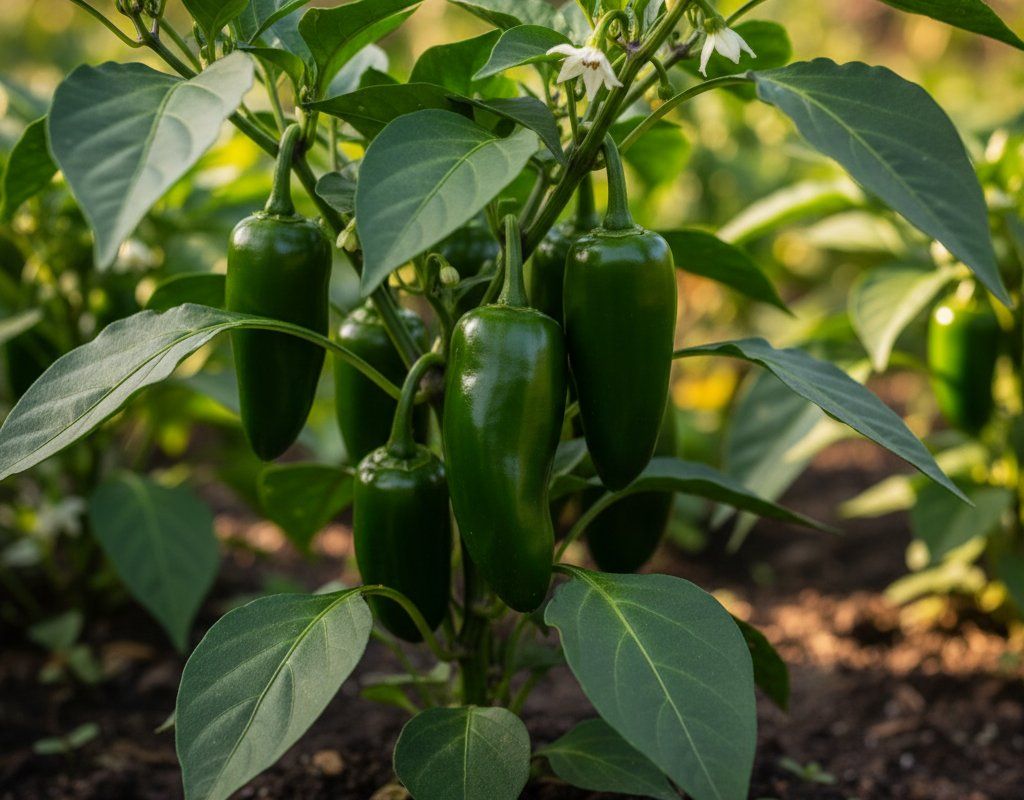
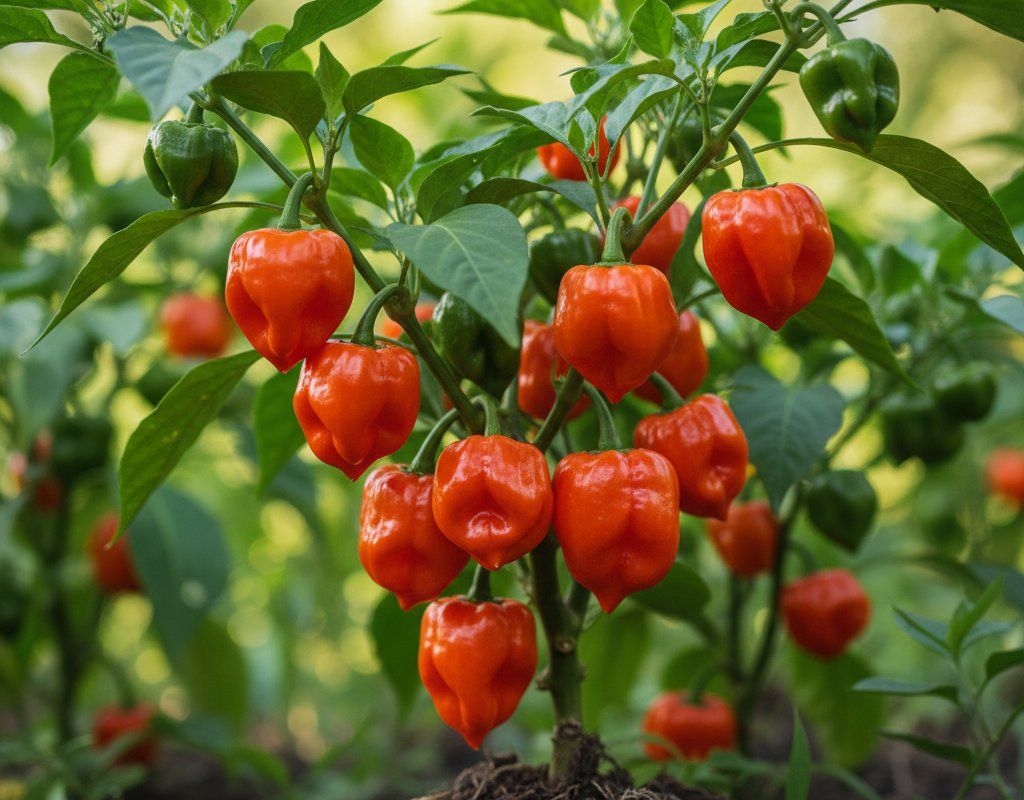
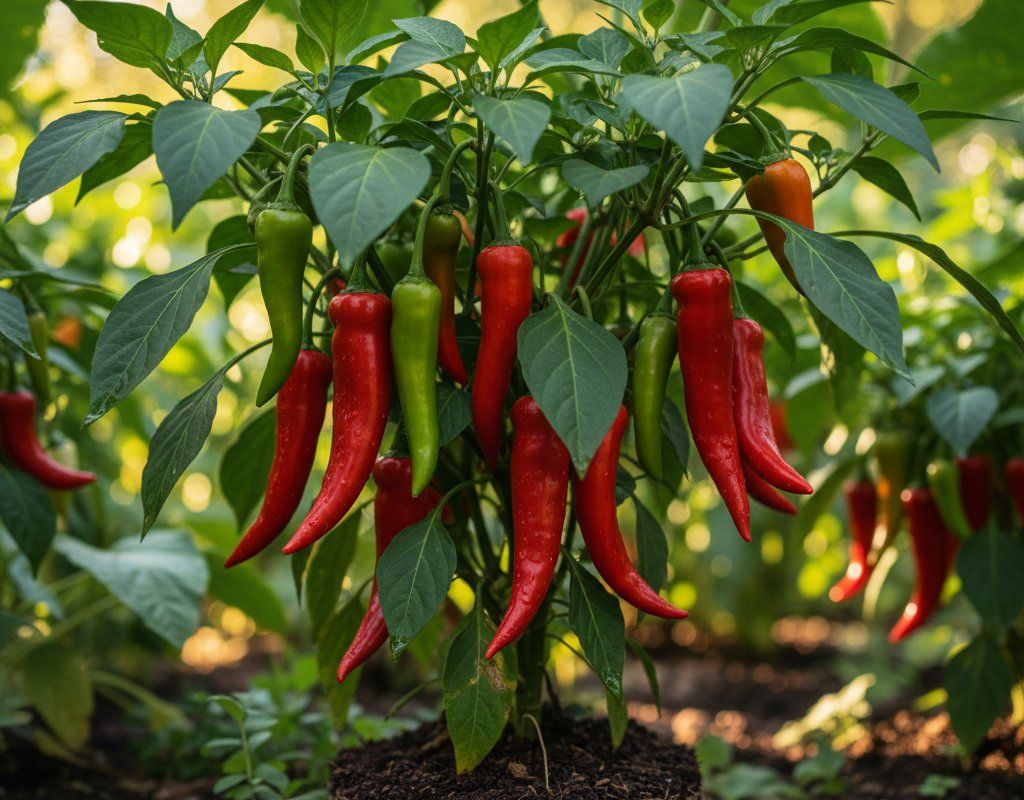
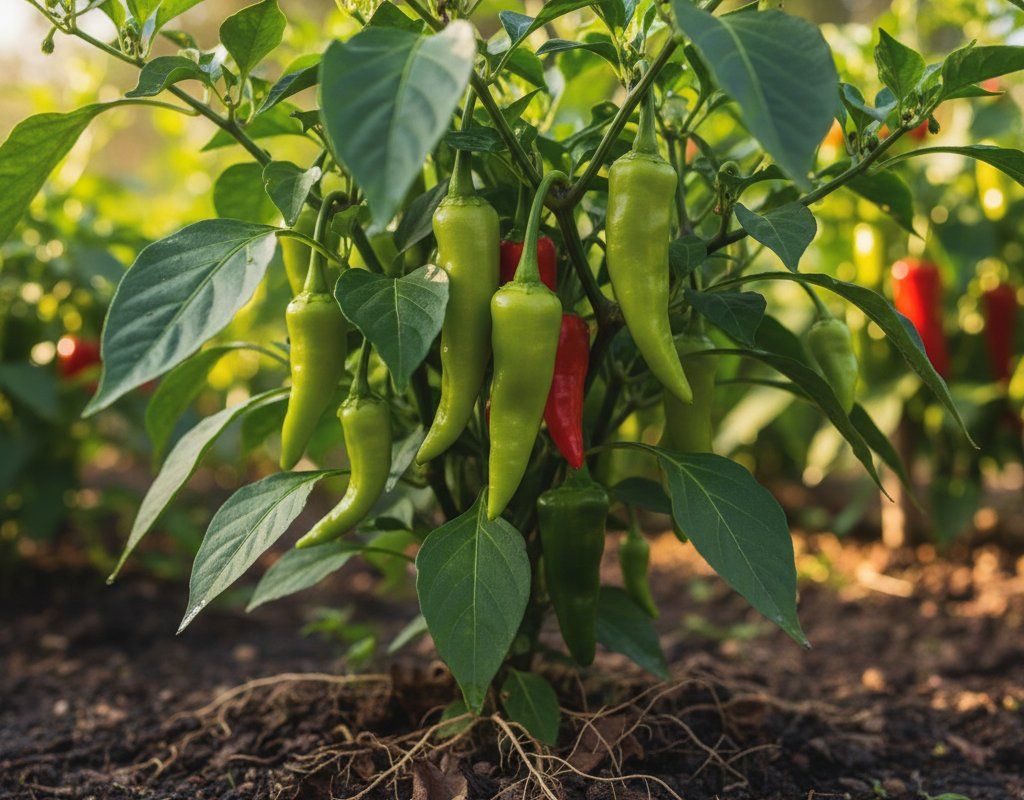
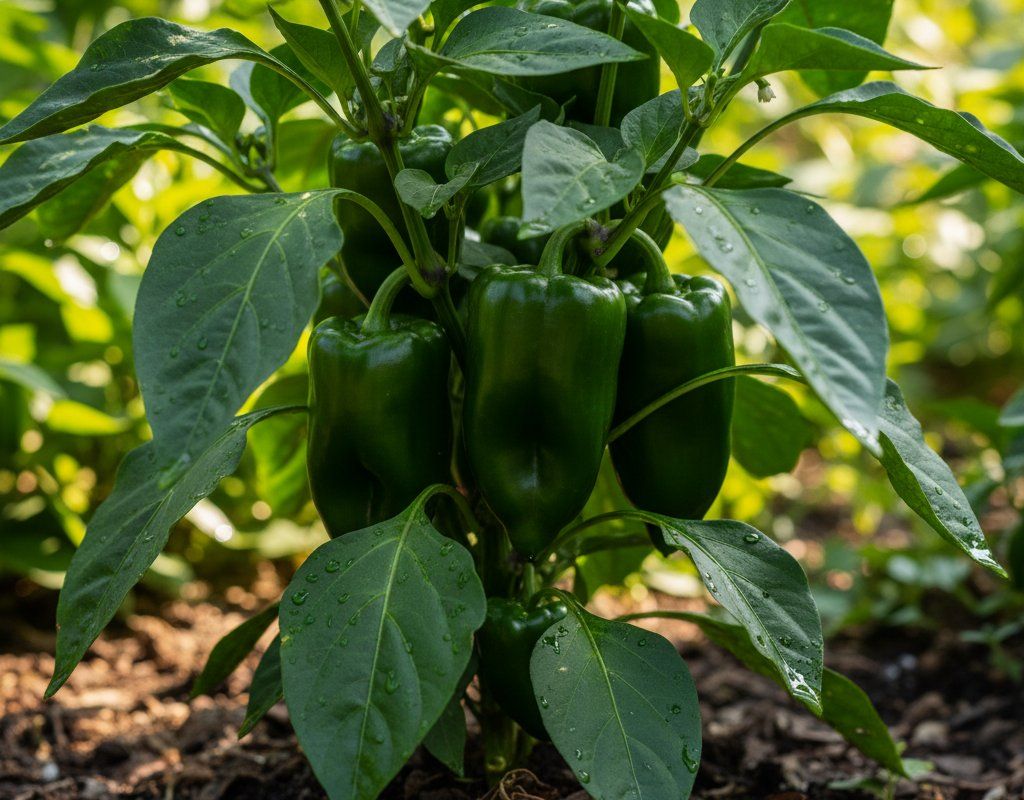
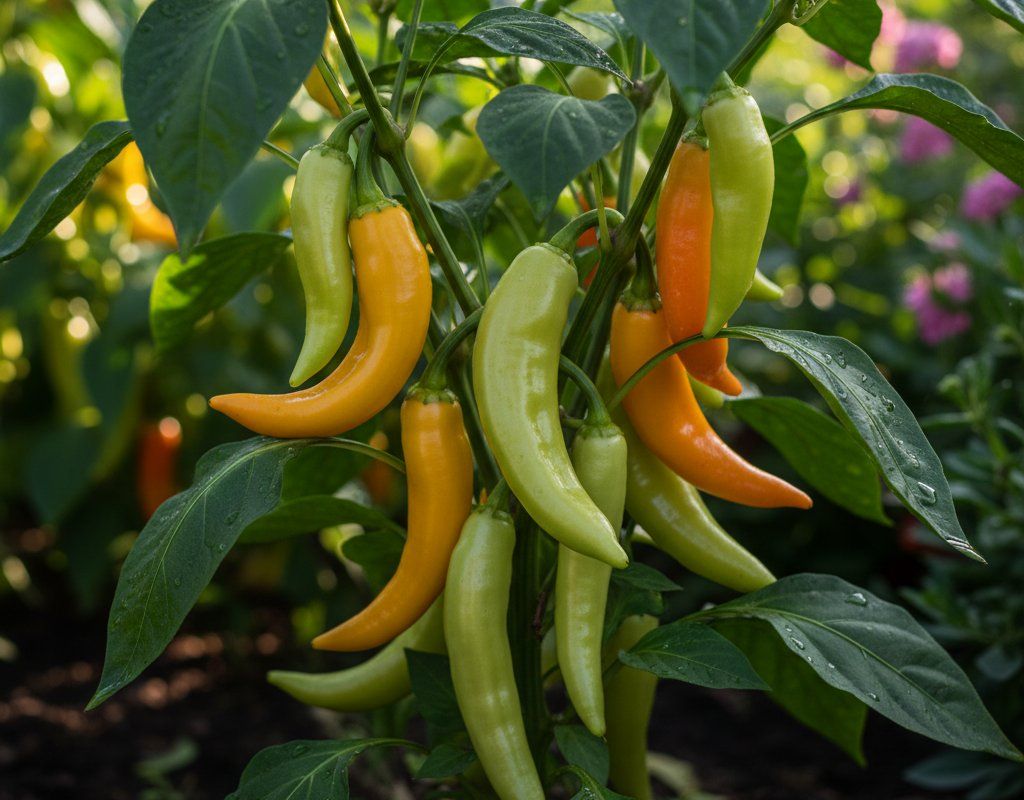
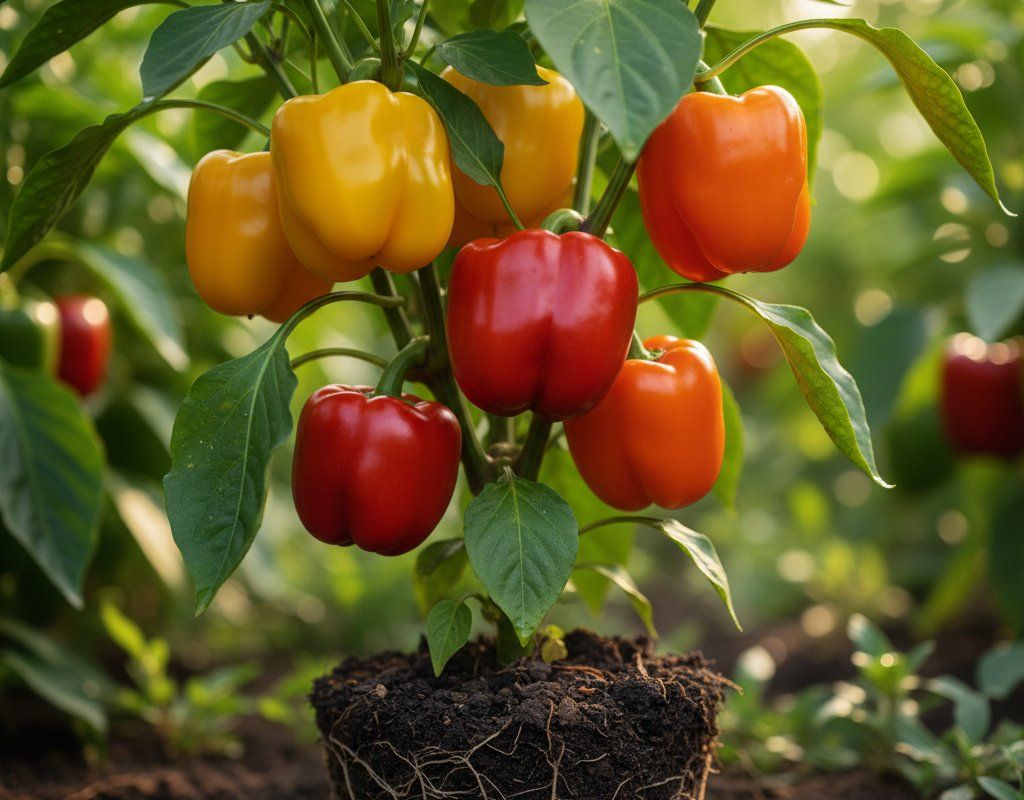
- Tomatoes and Peppers: Marigolds repel nematodes and other soil pests that can damage tomato and pepper roots.
- Basil: Marigolds help protect basil from pests like aphids and whiteflies.
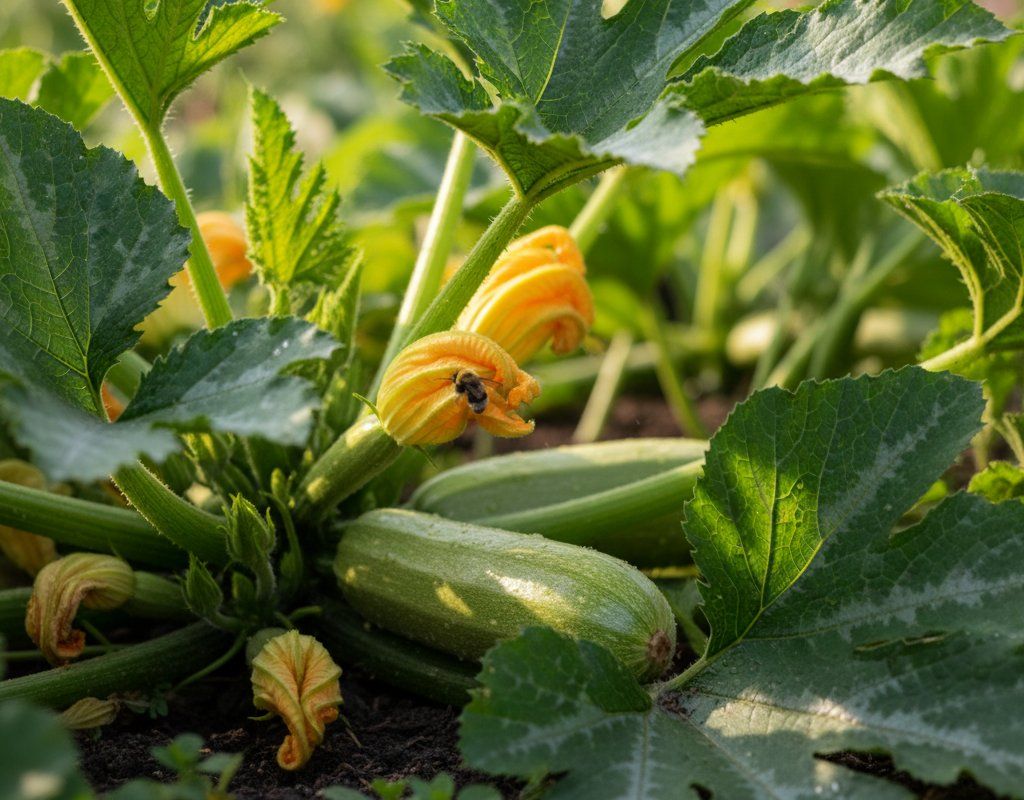
- Cucumbers: Marigolds deter cucumber beetles, which can spread disease.
- Green Beans: Marigolds can help repel bean beetles, reducing damage to your bean crop.
Bad companions:
- Avoid planting French Marigolds near other legumes: While they can help with some pests, they can also attract spider mites, which can damage your bean plants.
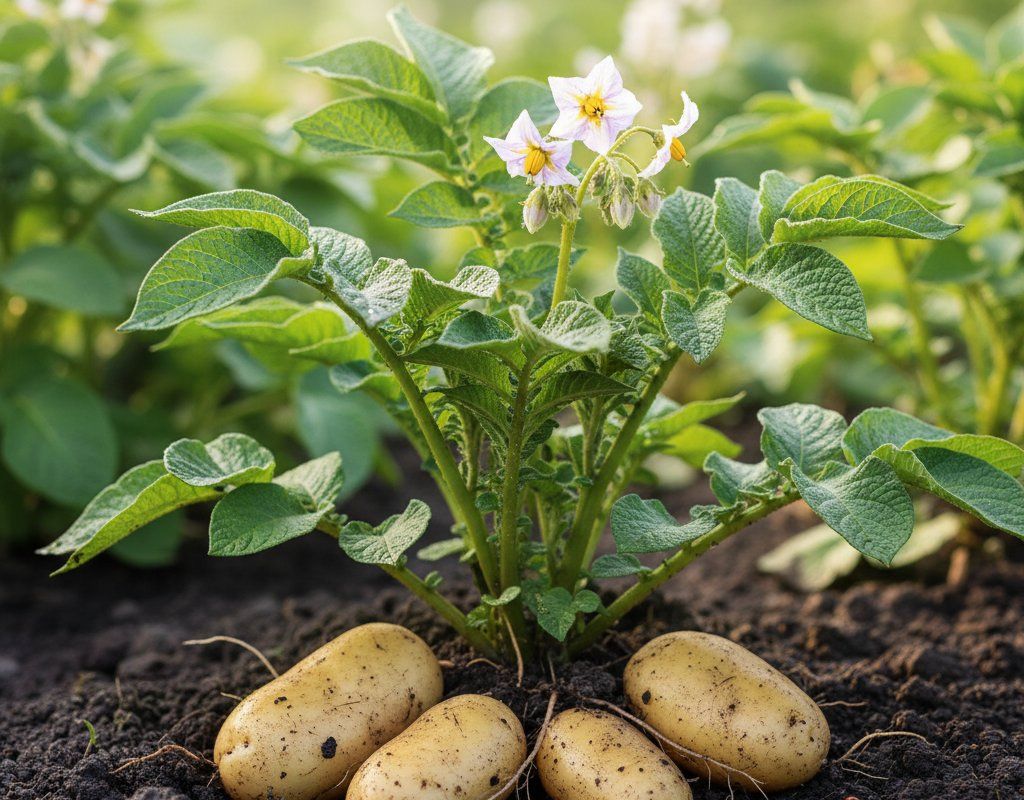
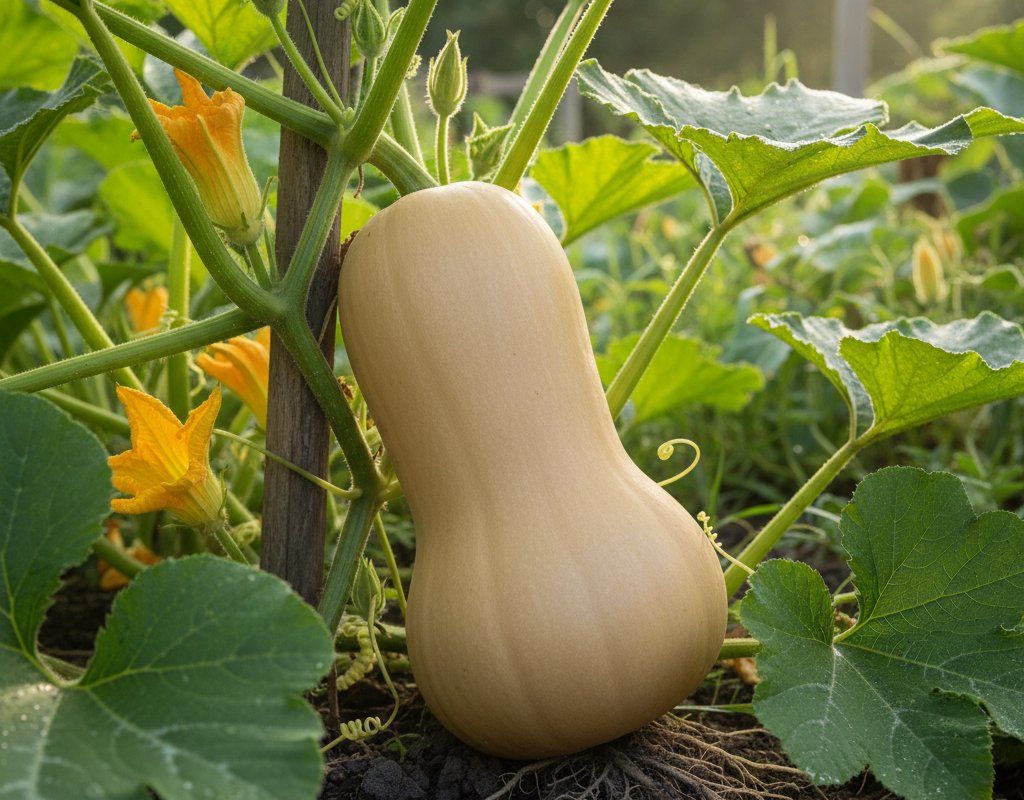
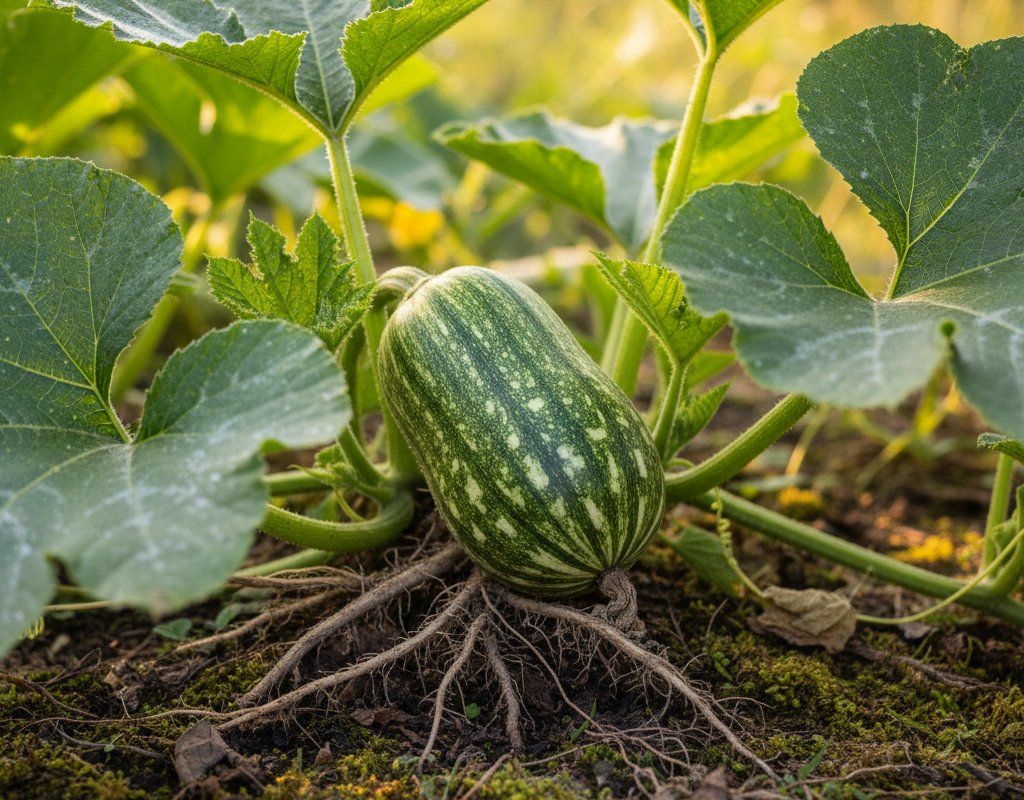
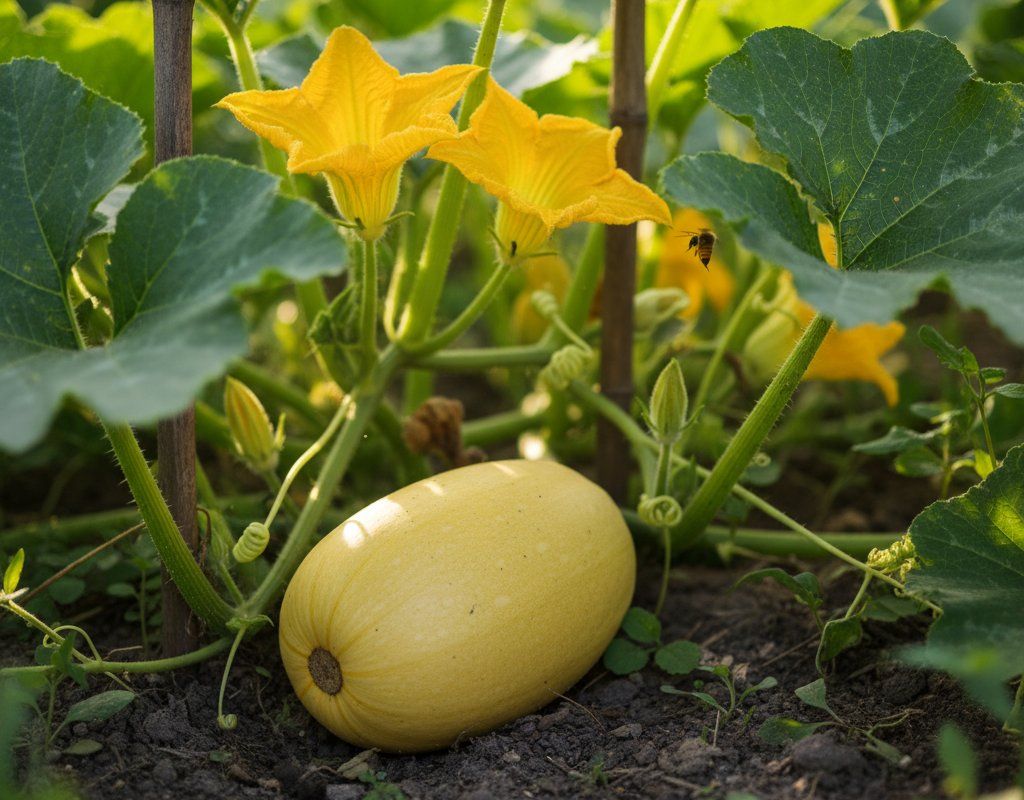
🥬Best Vegetables to Pair With French Marigold
French Marigold benefits these vegetables through pest control, pollinator attraction, or improved garden health.









Get a Reminder When It's Time to Plant
We'll email you when key planting windows open for your zone.