
French Marigold in Zone 7A — Northern California
Tagetes patula · Your Complete 2026 Planting Guide
Last Call for Seed Starting!
Indoor seed starting window closes in 2 days.
Start Seeds This Week
Start seeds now for transplanting later.
Or Wait for Starts
If you don’t want to start seeds, starts will be available around April 3.
How to Plant French Marigold in Zone 7A — Northern California
Here are all your options for getting french marigold in the ground, from the easiest method to more advanced approaches.
Direct Sow Seeds
RecommendedMid March through early September
around March 20
Consider succession planting every 2-3 weeks for continuous harvest.
Start Seeds Indoors
RecommendedMid February through early March
around February 20
Then transplant: Early April through mid May
Start seeds 6-8 weeks before transplanting outdoors.
Buy Starts
Works WellEarly April through mid May
around April 3
Plant purchased starts after last frost (March 20).
Transplant Outdoors
Timing InfoEarly April through mid May
around April 3
Wait until nighttime temperatures stay above 50°F.
You have a nice window — no need to rush.
Overview
French Marigolds are a must-grow in Northern California. Their bright blooms add cheer to any garden, and they're surprisingly useful companions for other veggies. Plus, they’re edible! The petals have a citrusy tang that brightens salads and desserts, making them a fantastic addition to your year-round garden.
We know our Mediterranean climate here in NorCal can be a bit tricky with its dry summers and the ever-present threat of drought. But with our long 235-day growing season, you have plenty of time to enjoy these beauties. Timing is key to getting the most out of your French Marigolds.
Starting Seeds Indoors
Starting French Marigolds indoors is an option, but honestly, they do so well direct-sown that it's rarely necessary here in Northern California. However, if you're eager to get a head start, especially in cooler microclimates, go for it.
Begin starting seeds indoors from mid-February through early March, about six weeks before you plan to transplant. Use seed trays with a good seed-starting mix, provide warmth (a heat mat helps), and ensure they get plenty of light, either from a sunny window or a grow light. Bottom watering will keep the seedlings happy without overwatering. Our early springs mean you'll want to keep an eye on the weather.
Transplanting Outdoors
Transplanting French Marigolds outdoors in Northern California is best done from early April through mid-May. Before you move them permanently, remember to harden them off. This means gradually exposing the seedlings to outdoor conditions for about a week.
Space them 8-10 inches apart to allow for good air circulation. Keep an eye on the weather forecast – we can still get a late cold snap, even though it's uncommon. Protect your young transplants if frost threatens.
Direct Sowing
Direct sowing French Marigolds is a great way to get them started, especially in our mild Northern California climate. You can sow seeds directly into the garden from mid-March through early September. This long window takes advantage of our lengthy growing season.
Prepare the soil by loosening it and removing any weeds. Soil temperature should be at least 65°F for optimal germination. Sow seeds 8-10 inches apart, cover lightly with soil, and keep the soil consistently moist until seedlings emerge. Direct sowing is generally less work, but you might need to thin seedlings later.
Watering French Marigold in Zone 7A (Northern California)
French Marigolds are drought-tolerant once established, making them perfect for our dry Northern California summers. However, they do need consistent watering, especially when young. Remember, we often face water restrictions, so water-wise gardening is key.
During the cooler spring months, water only when the top 2 inches of soil feel dry to the touch – use the finger test! In the heat of summer, you might need to water once or twice a week, giving them about an inch of water each time. Always water at the base of the plant to avoid wetting the foliage, which can encourage fungal diseases in our microclimates.
Signs of underwatering include wilting leaves and stunted growth. Overwatering can lead to root rot, indicated by yellowing leaves and a general lack of vigor. Mulching around your French Marigolds helps retain soil moisture and reduces the need for frequent watering, which is always a good idea in NorCal.
Pruning & Maintaining French Marigold
Deadheading is crucial for keeping your French Marigolds blooming abundantly throughout our long Northern California growing season. Regularly remove spent flowers by snipping them off just below the flower head.
This encourages the plant to produce more blooms rather than putting energy into seed production. Continue deadheading throughout the growing season. As the first frost approaches in early November, you can let the last few flowers fade to collect seeds for next year's garden.
🧪Fertilizing French Marigold
Feeding Schedule
Organic Fertilizer Options
Harvest Time
You can expect your first French Marigold harvest from early May through early November in Northern California, about 50 days after planting. Harvest the flowers when they are fully open and the petals are vibrant.
To harvest, simply snip the flower stem just below the bloom. Regular harvesting encourages continuous production throughout the season.
As the first frost approaches in early November, harvest any remaining blooms before they are damaged by the cold. You can also allow some flowers to dry on the plant to collect seeds for next year.
Common Problems in Zone 7A (Northern California)
Here are a few common problems you might encounter with French Marigolds in Northern California:
Spider Mites
- What it looks like: Fine webbing on the plant, tiny yellow or brown spots on leaves, and overall plant weakness.
- What causes it: Hot, dry conditions, which we often experience during our Northern California summers.
- How to fix/prevent it: Increase humidity around the plants by misting them with water. Insecticidal soap or neem oil can also be effective. Ensure good air circulation to prevent infestations.
Powdery Mildew
- What it looks like: White or grayish powdery coating on leaves, stems, and sometimes buds. Leaves curl, yellow, and die.
- What causes it: Various fungi that thrive in warm days, cool nights, and moderate humidity. Dry leaf surfaces actually favor it (unlike most fungi).
- How to fix/prevent it: Improve air circulation through spacing and pruning. Remove affected leaves. Neem oil or potassium bicarbonate sprays help. Milk spray (1 part milk to 9 parts water) is surprisingly effective.
Slugs
- What it looks like: Holes in leaves, especially on young plants. Slimy trails on and around the plants.
- What causes it: Moist conditions, especially after rain or heavy watering.
- How to fix/prevent it: Handpick slugs at night. Use slug bait or diatomaceous earth around the plants. Ensure good drainage in your garden beds.
Northern California Specific Challenges: Our moderate-to-hot summers and low humidity can stress French Marigolds, making them more susceptible to spider mites. Be vigilant about watering and monitoring your plants, especially during the hottest months. Despite the dry summers, our microclimates can create pockets of humidity that encourage powdery mildew, so ensure good air circulation.
Best Companions for French Marigold
Plant these nearby for healthier French Marigold and better harvests.

Keep Away From
Companion Planting Details
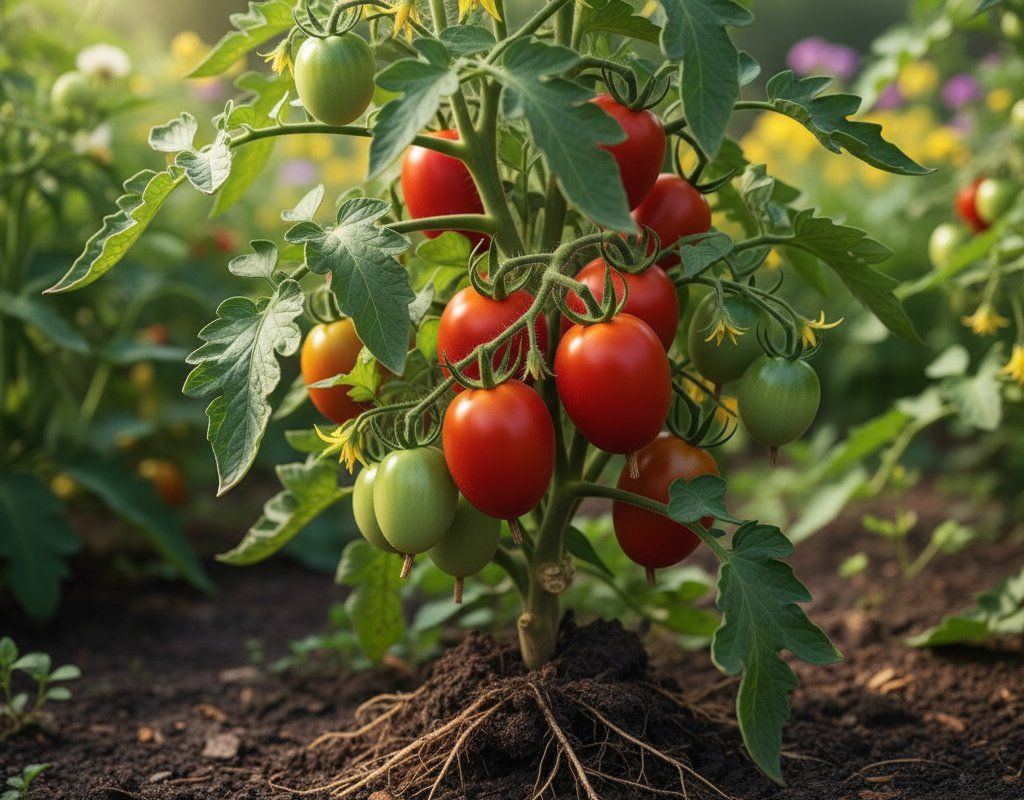
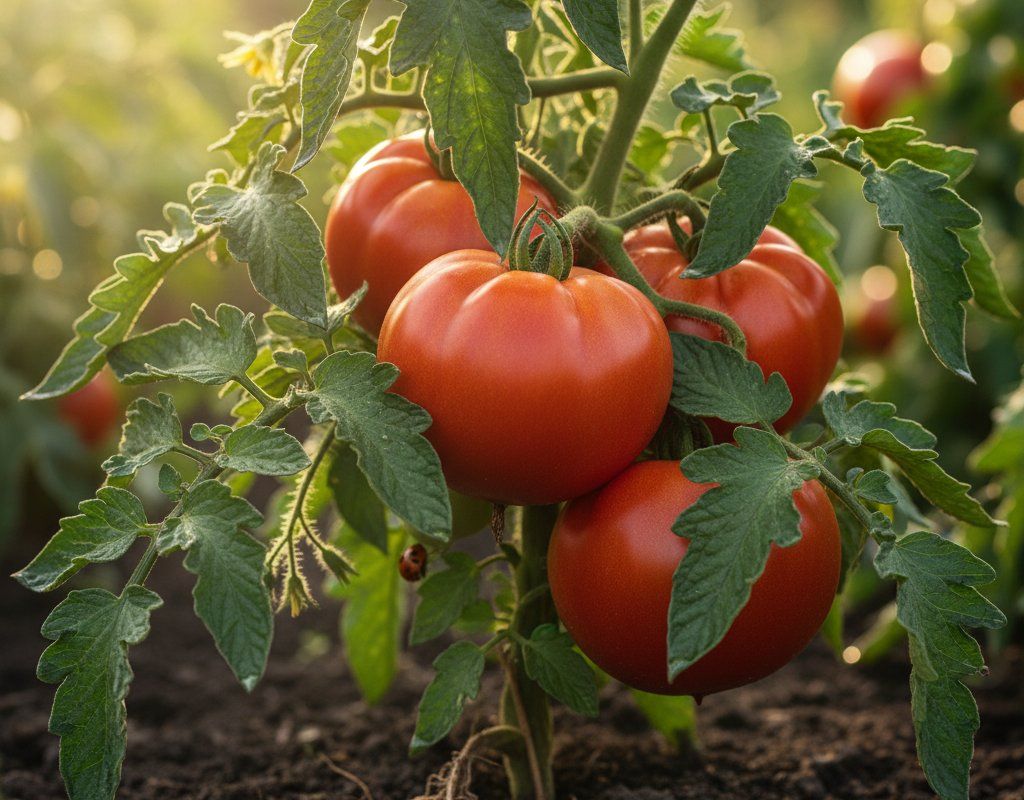
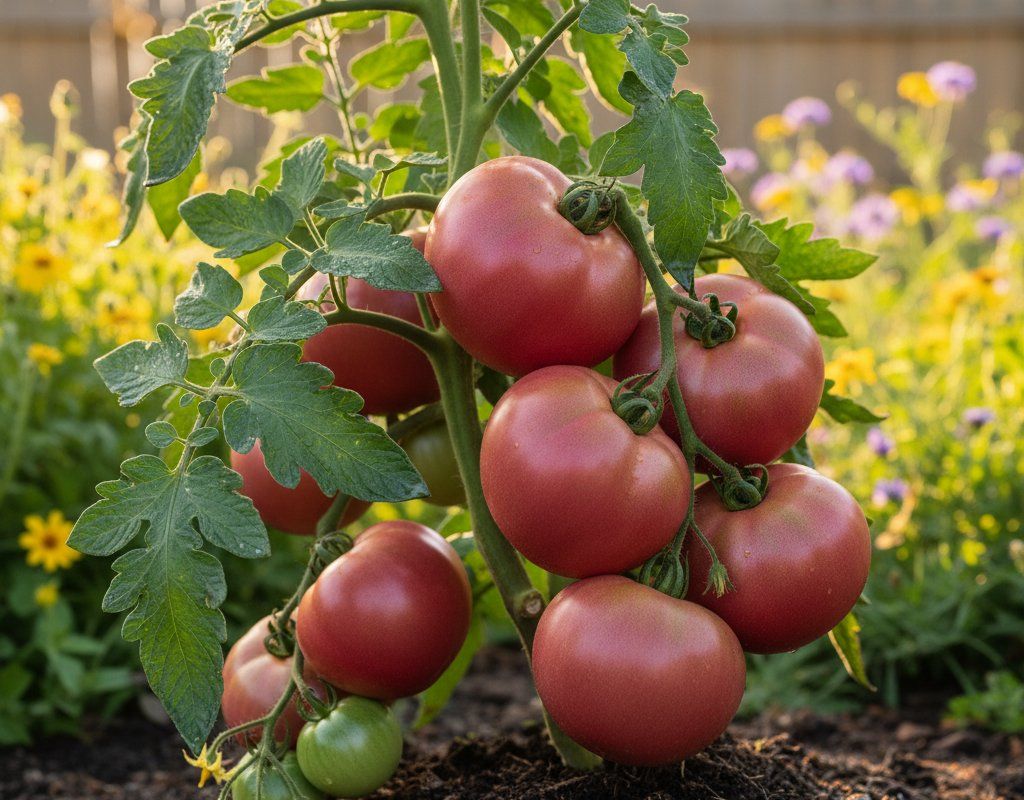
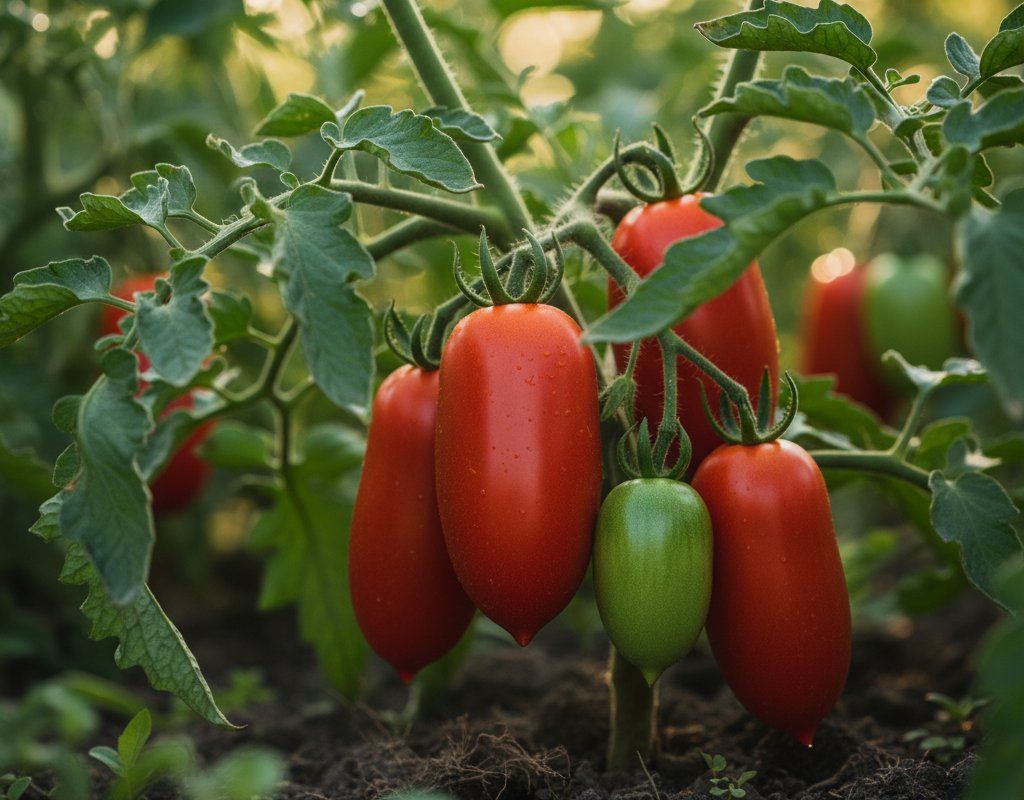
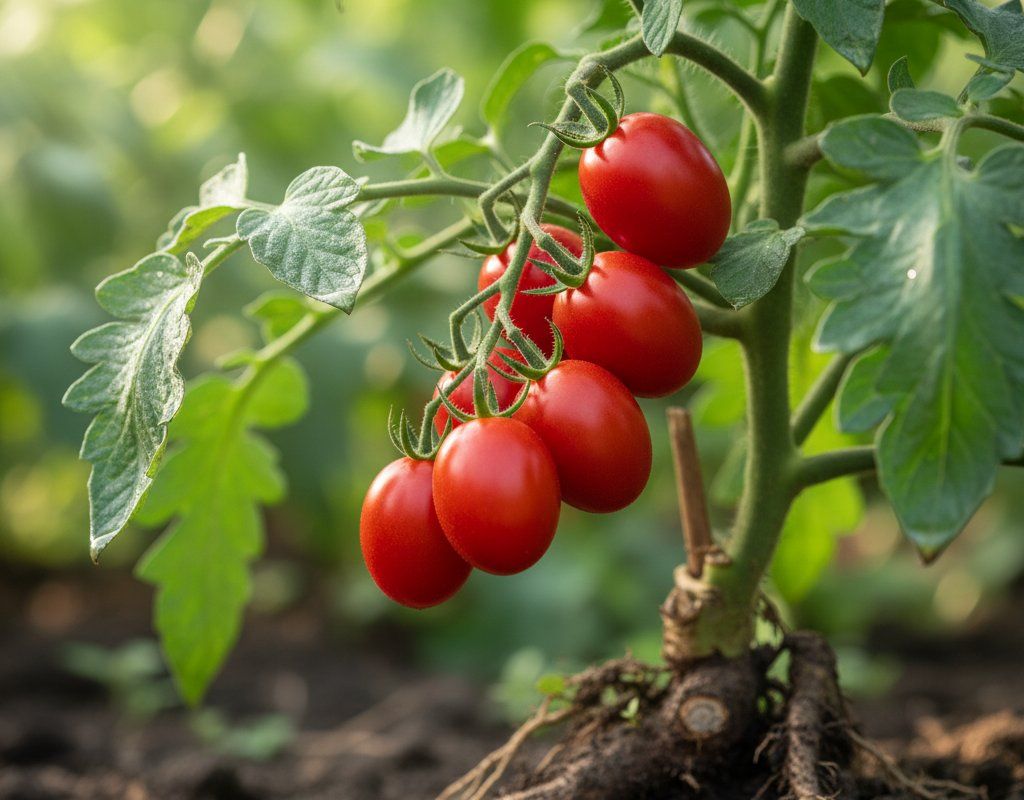
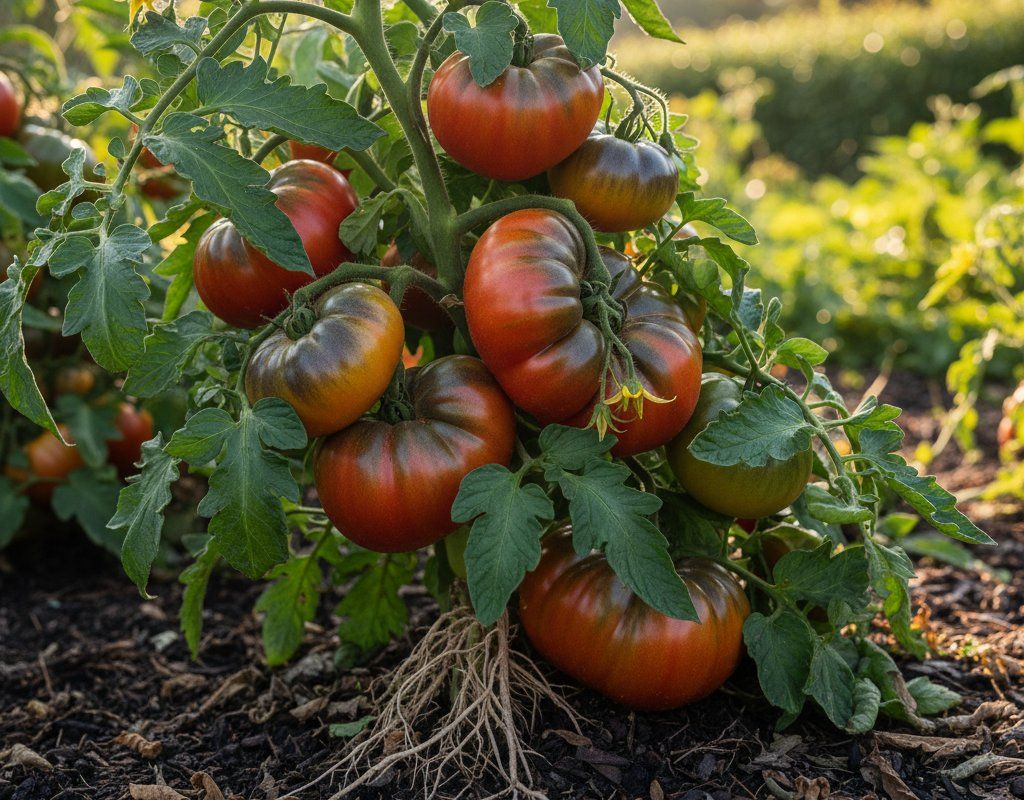
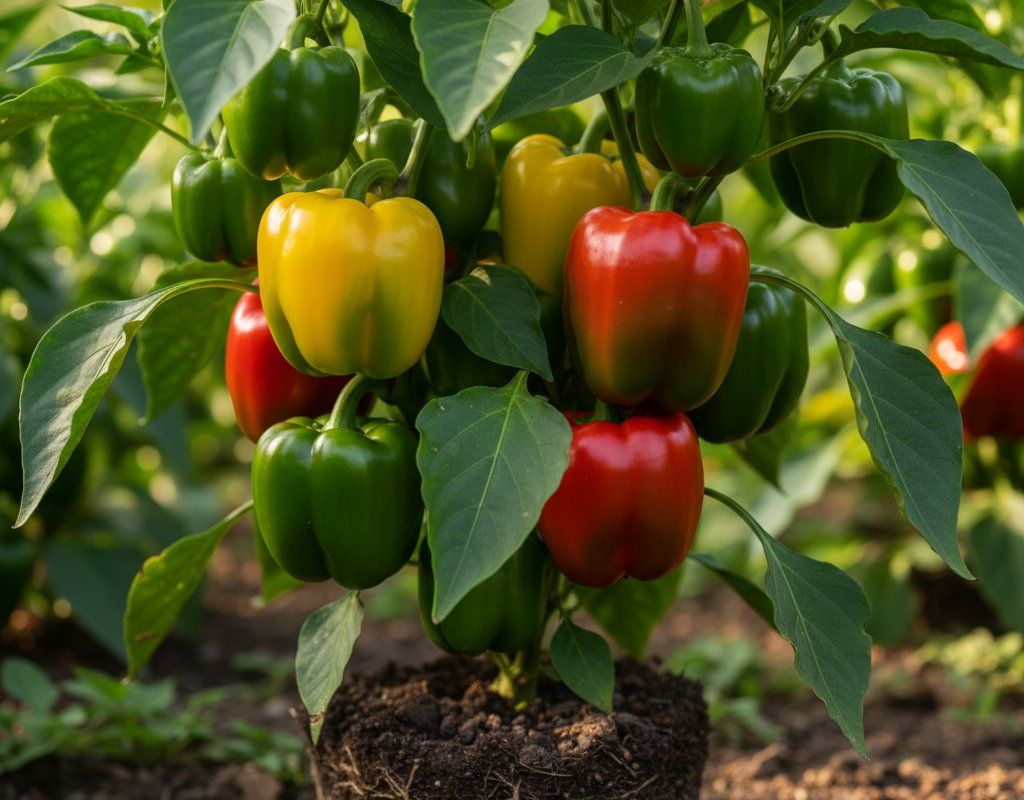
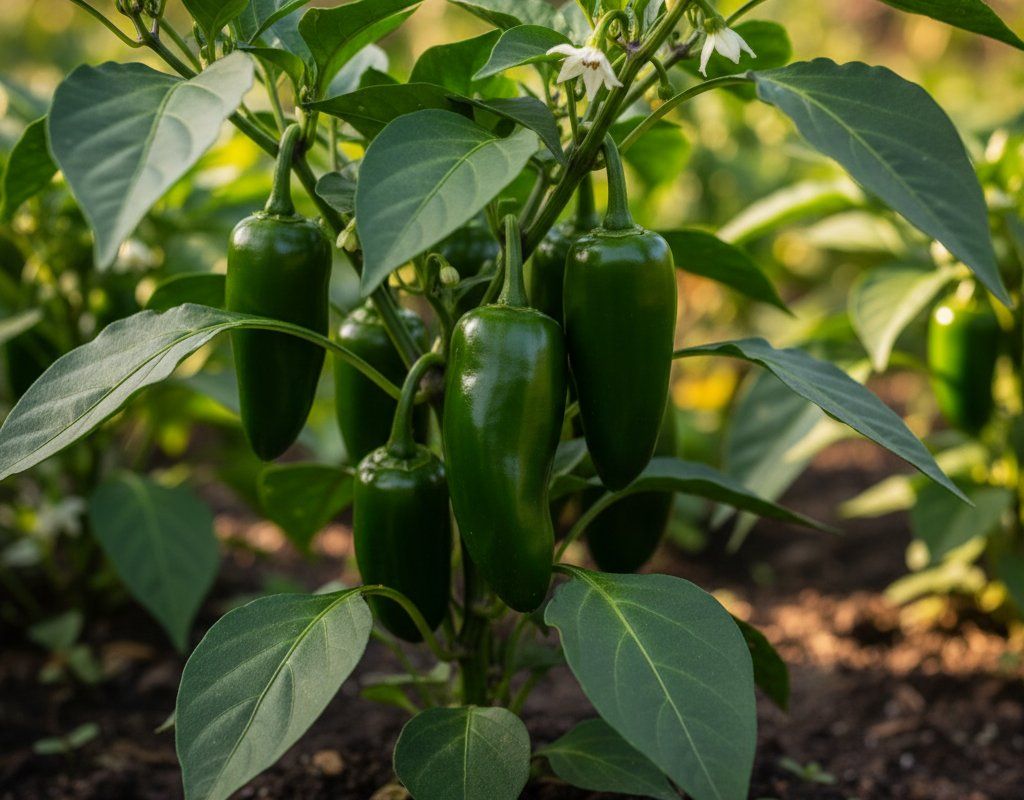
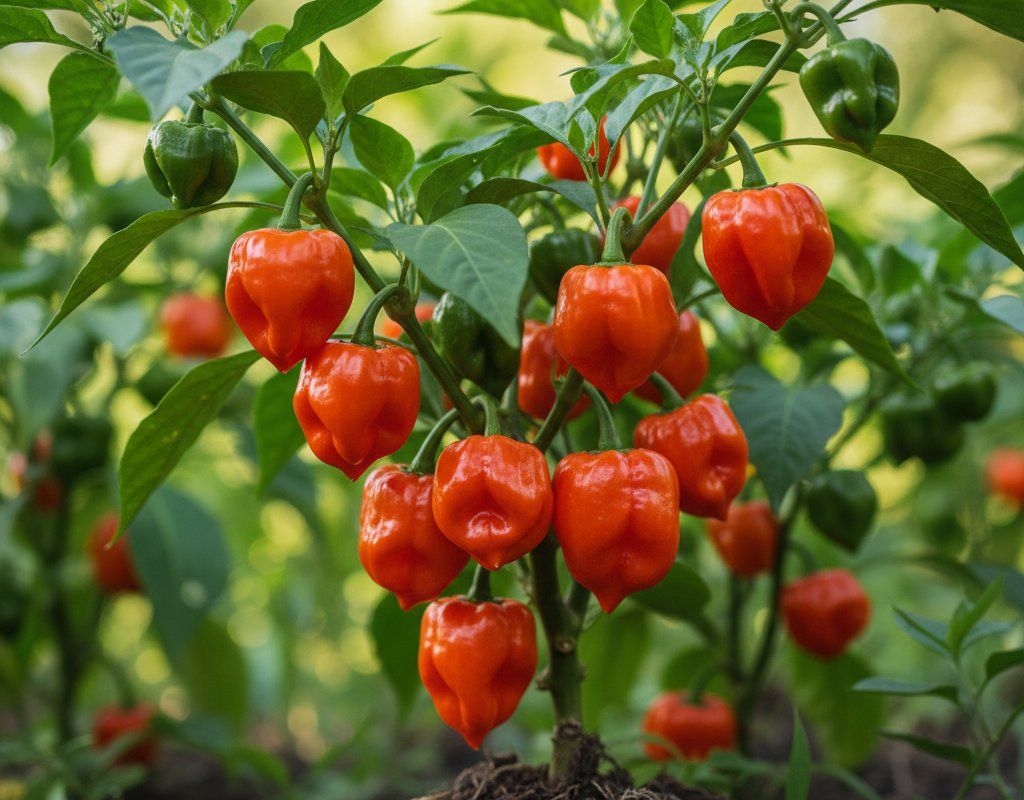
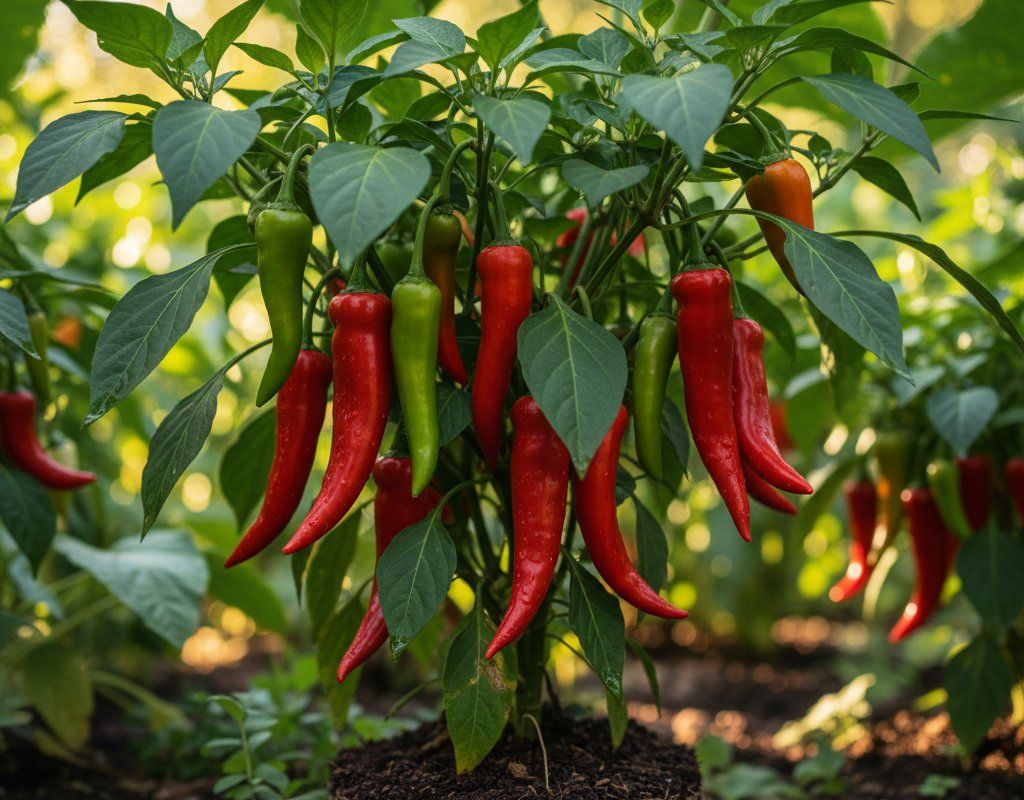
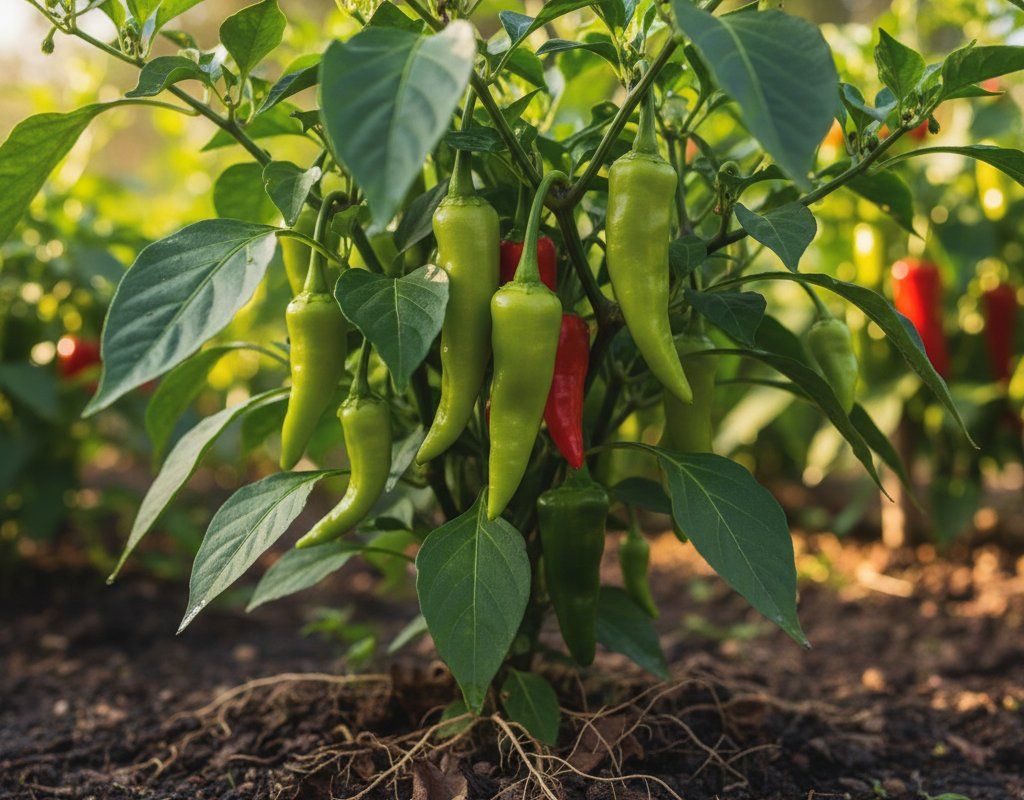
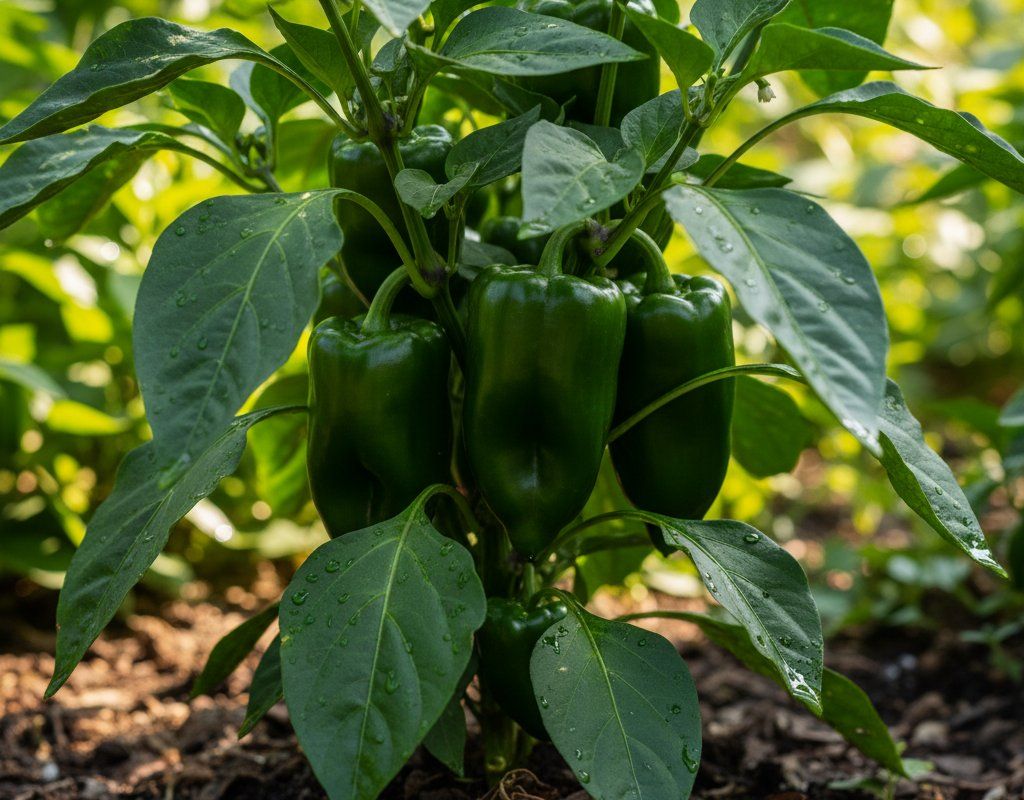
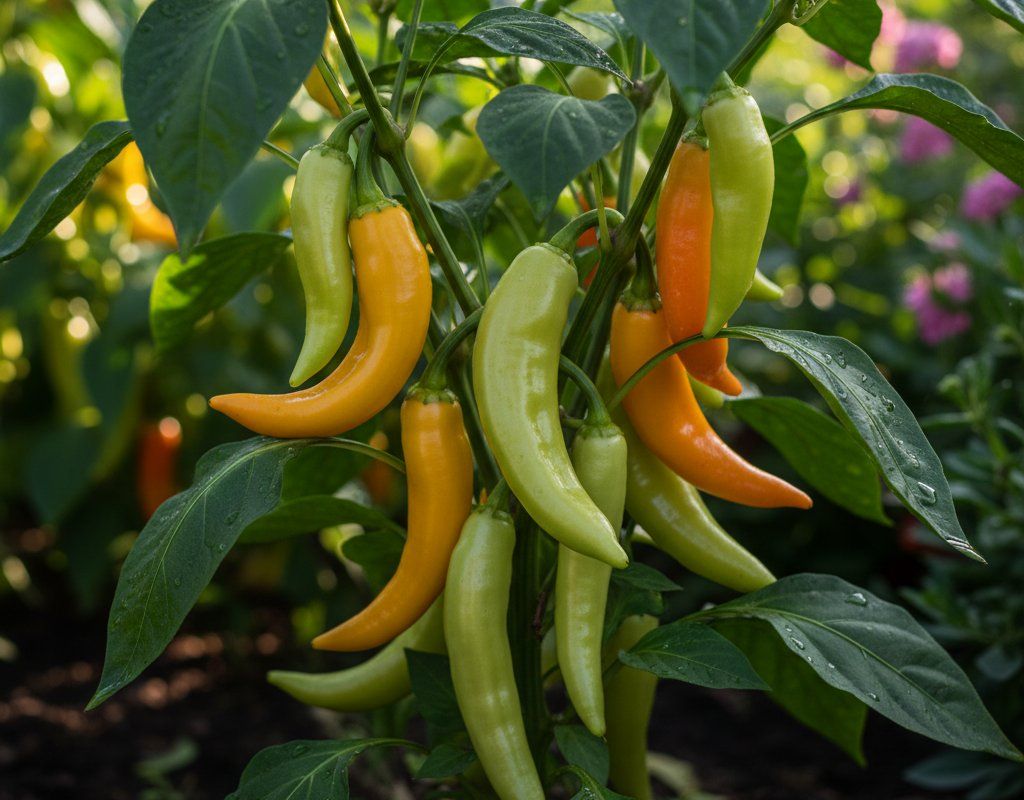
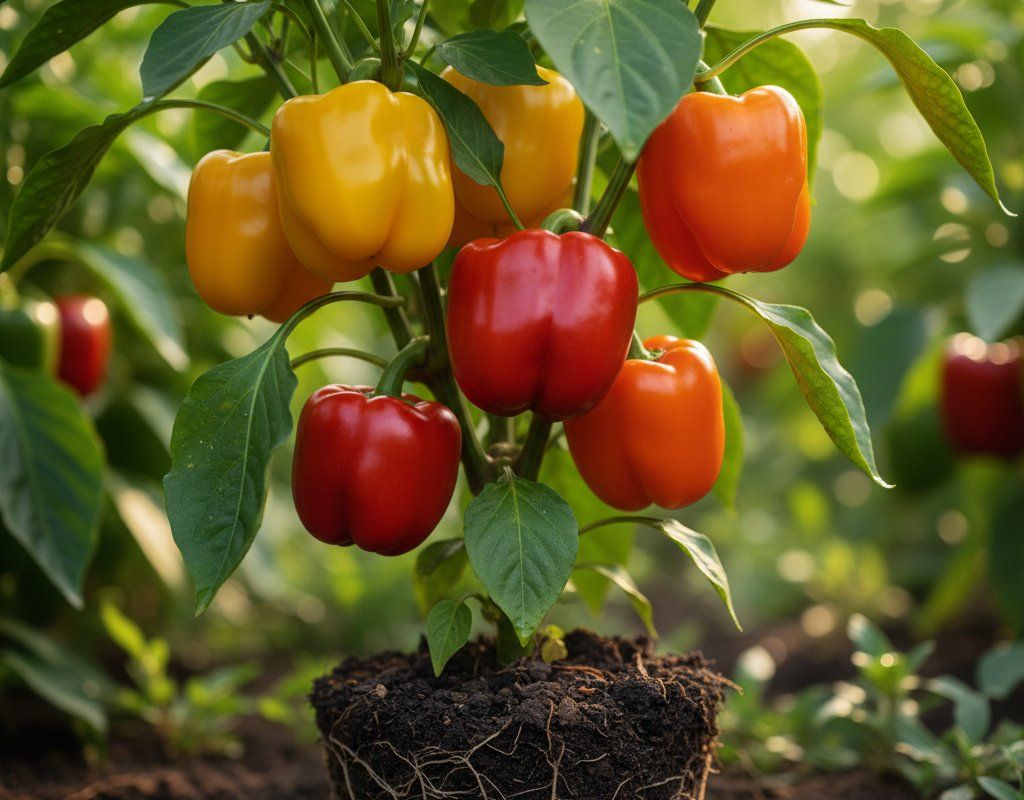
French Marigolds are fantastic companion plants in Northern California gardens. Plant them near tomatoes and peppers to repel nematodes and other soil pests. Their strong scent also deters aphids and whiteflies, protecting these vulnerable crops. Basil also benefits from being planted near marigolds, as the marigolds help repel pests that can attack basil.
Cucumbers also thrive when planted near French Marigolds, as the marigolds help to deter cucumber beetles. Avoid planting French Marigolds near beans, as they can inhibit bean growth. This is crucial for maximizing yields in our gardens, especially with the challenges our climate presents.
🥬Best Vegetables to Pair With French Marigold
French Marigold benefits these vegetables through pest control, pollinator attraction, or improved garden health.










Get a Reminder When It's Time to Plant
We'll email you when key planting windows open for your zone.