
Basil in Zone 7A — Northern California
Ocimum basilicum · Your Complete 2026 Planting Guide
Last Call for Seed Starting!
Indoor seed starting window closes in 2 days.
Start Seeds This Week
Start seeds now for transplanting later.
Or Wait for Starts
If you don’t want to start seeds, starts will be available around April 3.
How to Plant Basil in Zone 7A — Northern California
Here are all your options for getting basil in the ground, from the easiest method to more advanced approaches.
Direct Sow Seeds
RecommendedEarly April through late September
around April 3
Consider succession planting every 2-3 weeks for continuous harvest.
Can direct sow after soil is warm, but indoor start gives earlier harvest.
Start Seeds Indoors
RecommendedMid February through early March
around February 20
Then transplant: Early April through mid May
Start seeds 6-8 weeks before transplanting outdoors.
Buy Starts
Works WellEarly April through mid May
around April 3
Plant purchased starts after last frost (March 20).
Basil starts are widely available and inexpensive.
Transplant Outdoors
Timing InfoEarly April through mid May
around April 3
Wait until nighttime temperatures stay above 50°F.
You have a nice window — no need to rush.
Overview
Basil thrives in Northern California's Mediterranean climate, giving you months of fresh leaves for pesto, Caprese salads, and summer cooking. Our warm, dry summers and long 235-day growing season create ideal conditions for this heat-loving herb, while the mild winters allow you to grow cool-season herbs alongside your basil beds. You'll taste the difference between homegrown basil and the wilted grocery store stuff – there's simply no comparison.
Our early spring warmth and potential temperature swings can challenge tender basil, but proper timing makes it straightforward. With careful attention to our last frost around mid-March and smart watering through our dry summer months, you'll have fragrant basil from late spring through the first frost in early November.
Starting Seeds Indoors
Starting basil seeds indoors gives you the earliest harvest and protects tender seedlings from our unpredictable early spring weather. Sow seeds from mid-February through early March, about six weeks before you plan to transplant outdoors in early to mid-April.
Set up seed trays with quality seed-starting mix in a warm spot – basil needs consistent temperatures around 70-75°F to germinate well. Bottom watering works best to keep the soil evenly moist without disturbing the tiny seeds. Once seedlings emerge, they'll need bright light from a south-facing window or grow lights.
Since basil starts are widely available and inexpensive at local nurseries, indoor starting makes most sense if you want specific varieties or large quantities. For most Northern California gardeners, buying healthy transplants is often more practical.
Transplanting Outdoors
Transplant basil outdoors from early April through mid-May, after our last frost risk passes and nighttime temperatures stay consistently above 50°F. Our early spring character means you often get warm days followed by chilly nights, so wait until the weather pattern stabilizes.
Harden off indoor-grown seedlings over a full week, gradually increasing their outdoor exposure. Start with just morning sun, then build up to full-day exposure. Space plants 12-18 inches apart – they'll fill out quickly in our warm growing season.
Plant in the morning when it's cool, water thoroughly, and consider row covers if nighttime temperatures dip unexpectedly. Our microclimates vary wildly across Northern California, so coastal gardeners may need to wait a bit longer than inland areas for consistently warm conditions.
Direct Sowing
Direct sowing basil works well from early April through late September in Northern California, though you'll get earlier harvests from transplants. Wait until soil temperatures reach at least 60°F – usually by mid to late April in most areas, though coastal microclimates may need extra time.
Prepare your soil by working in compost and ensuring good drainage. Sow seeds ¼ inch deep and keep the soil consistently moist until germination, which takes 7-14 days in warm soil. Space seeds about 6 inches apart, then thin to 12-18 inches once seedlings establish.
The advantage of direct sowing is avoiding transplant shock, but you'll lose 3-4 weeks of harvest time compared to transplants. This method works especially well for succession planting through summer – you can sow new rows every 3-4 weeks for continuous fresh basil.
Watering Basil in Zone 7A (Northern California)
Basil needs consistent moisture but despises soggy soil, making our water-wise gardening approach perfect for this herb. During Northern California's dry summer months, plan to water deeply 2-3 times per week rather than daily shallow watering. The "finger test" works perfectly – stick your finger 2 inches into the soil, and water when it feels dry at that depth.
Provide about 1-1.5 inches of water per week, adjusting for our moderate-to-hot summer temperatures that typically peak around 88°F. Water at the base of plants rather than overhead – our low humidity means foliar diseases are less common, but basil leaves can develop spots if they stay wet too long. Use room-temperature water when possible, as basil is surprisingly sensitive to cold water shock.
Watch for dramatic wilting, which signals thirsty basil – the good news is it recovers quickly once watered. Overwatering shows up as yellowing leaves and stunted growth. During our rainless summer months, consistent watering becomes crucial since basil isn't drought-tolerant.
Apply a 2-3 inch layer of organic mulch around plants to conserve moisture and reduce watering frequency. This is especially valuable during water restrictions or fire season when every bit of water conservation helps your garden thrive.
Pruning & Maintaining Basil
Pinch off flower buds the moment you see them forming – flowering makes basil leaves bitter and signals the plant to stop producing tender new growth. Check your plants every few days during peak growing season, as flowers can appear quickly in our warm summer weather.
Always harvest from the top of the plant, cutting just above a pair of leaves to encourage branching. This creates a bushier plant with more harvest potential. Take stems rather than individual leaves, and never harvest more than one-third of the plant at once.
As our first frost approaches in early November, you can let a few plants flower to collect seeds for next year, but keep harvesting from your main plants until the cold hits. The night before frost, harvest heavily and preserve your basil bounty through drying, freezing, or making pesto.
🧪Fertilizing Basil
Feeding Schedule
Organic Fertilizer Options
Harvest Time
Expect your first harvest about 30 days after transplanting or direct sowing, typically from early May through early November in Northern California. Start harvesting once plants develop 3-4 sets of true leaves – usually when they're 4-6 inches tall.
Always cut stems just above a leaf pair, which encourages branching and more production. Morning harvest after the dew dries gives you the most flavorful leaves with essential oils at their peak. Never strip individual leaves – taking whole stems keeps the plant healthier and more productive.
Harvest regularly to keep plants producing tender new growth. In our long growing season, consistent harvesting every week or two prevents plants from getting woody or going to seed. The more you cut, the more you get – basil rewards frequent harvesting with abundant new shoots.
As early November approaches and first frost threatens, plan your final major harvest. Cut entire plants down to preserve the leaves, since basil turns black and mushy at the first touch of frost. This final harvest is perfect timing for making large batches of pesto to freeze for winter.
Common Problems in Zone 7A (Northern California)
Downy Mildew Yellow patches appear on leaf tops with fuzzy gray-purple growth on the undersides. Leaves turn brown and die from the bottom up, often spreading rapidly through the plant. Our morning fog in coastal areas creates ideal conditions for this fungal-like pathogen to spread via wind-carried spores.
Remove affected leaves immediately and improve air circulation around plants. Water only at the base, never overhead, and avoid working with wet plants. Copper-based fungicides can help prevent spread, and choosing resistant varieties like 'Eleonora' or 'Amazel' gives you better odds in humid microclimates.
Fusarium Wilt One side of the plant wilts first, then the problem spreads across the entire plant. Yellow leaves start on one side, and cutting the stem reveals brown streaks inside. This soil-borne fungus loves our warm summer soil temperatures and can persist for years.
There's no cure once infected – remove and destroy the entire plant, don't compost it. Plant resistant varieties marked with 'F' on seed packets, rotate your herbs to different beds on a 4-year cycle, and keep soil pH above 6.5. In our hot inland areas, soil solarization during peak summer can help kill the fungus.
Aphids Clusters of tiny soft-bodied insects (green, black, or white) gather on stems and leaf undersides, leaving sticky honeydew residue behind. New growth becomes curled or distorted, and you might notice ants farming the aphids for their sweet secretions.
A strong spray from your hose knocks most aphids off plants. Encourage ladybugs and lacewings with diverse plantings – they're your best natural predators. For heavy infestations, insecticidal soap or neem oil work well, but avoid excess nitrogen fertilizer which makes plants more attractive to aphids.
Northern California Specific Challenges Our moderate-to-hot, dry summers with low humidity actually favor basil over more humid regions, but water restrictions during fire season can stress plants. The extreme variability in our microclimates means coastal gardeners deal with more moisture-related diseases while inland gardeners face more heat and drought stress.
Best Companions for Basil
Plant these nearby for healthier Basil and better harvests.
Keep Away From
Companion Planting Details
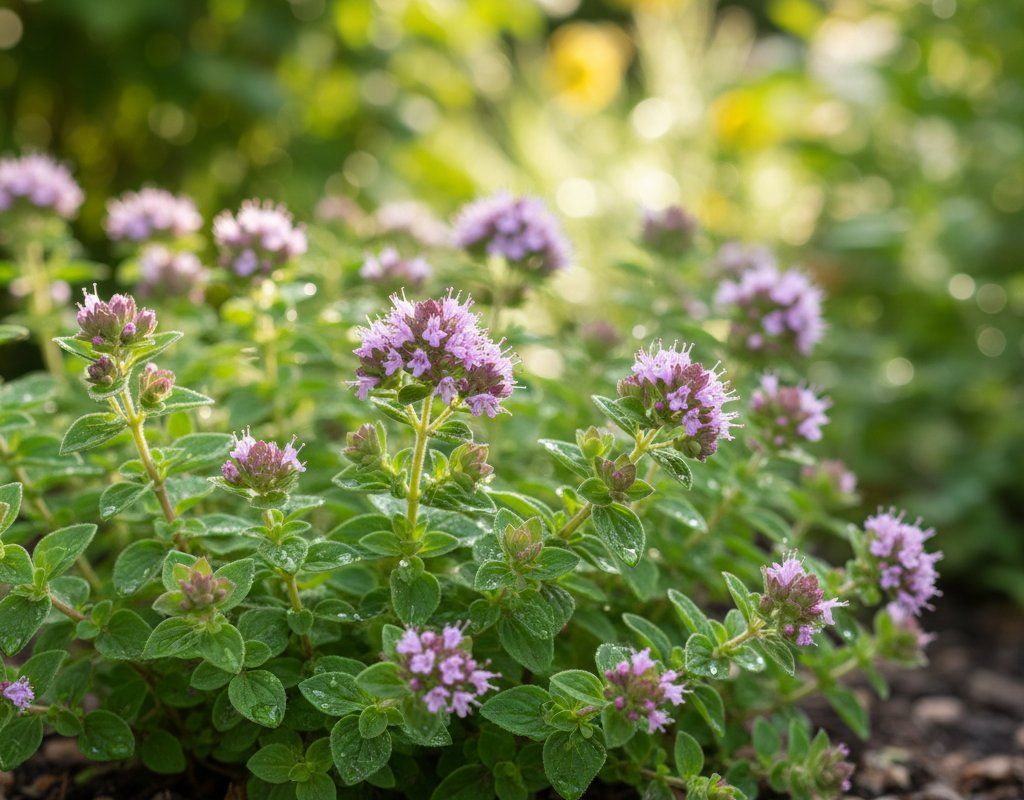
Plant basil near tomatoes and peppers – this classic combination isn't just folklore. Basil's strong scent may help repel aphids and hornworms that target these nightshades, while all three crops share similar water and sun requirements in our Mediterranean climate. Oregano makes another excellent neighbor, creating a Mediterranean herb section that thrives in our dry summers with similar care needs.
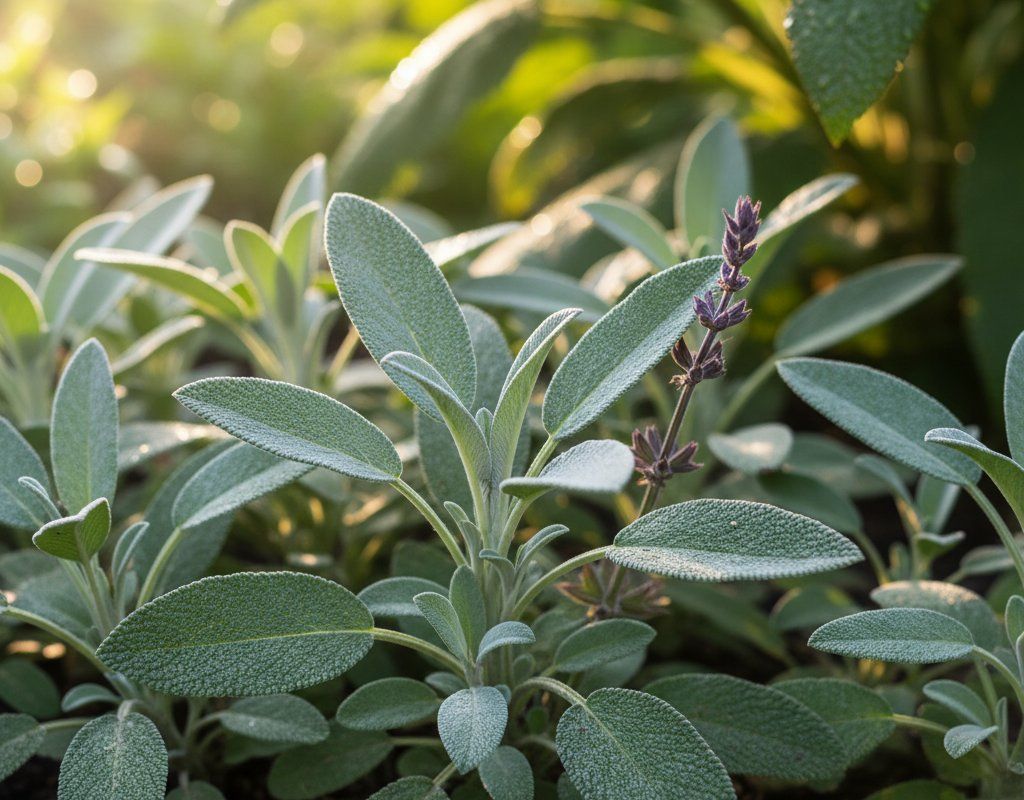
Avoid planting basil near sage or rue, which can inhibit basil's growth through chemical compounds they release into the soil. These herbs also prefer different watering schedules – sage wants much drier conditions than basil can tolerate during our rainless summer months.
🌸Best Flowers to Plant with Basil
These flowers protect your Basil from pests and attract pollinators for better harvests.
For Pest Control




Get a Reminder When It's Time to Plant
We'll email you when key planting windows open for your zone.