
Mint in Zone 6A — Great Plains
Mentha spp. · Your Complete 2026 Planting Guide
Missed Seed Starting? No Problem!
Wait for starts to become available.
What to Do
Starts will be available at nurseries in 42 days (around April 15).
How to Plant Mint in Zone 6A — Great Plains
Here are all your options for getting mint in the ground, from the easiest method to more advanced approaches.
Buy Starts
RecommendedMid April through mid May
around April 15
Plant purchased starts after last frost (April 15).
Buy starts or get divisions from another gardener. Mint spreads aggressively — consider containers.
Start Seeds Indoors
Works WellMid February through early March
around February 18
Then transplant: Mid April through mid May
Start seeds 8-10 weeks before transplanting outdoors.
Direct Sow Seeds
ChallengingDirect sowing is not typical for Mint.
Transplant Outdoors
Timing InfoMid April through mid May
around April 15
Can tolerate light frost, but wait for soil to be workable.
You have a nice window — no need to rush.
Overview
Mint is a fantastic addition to any Plains garden. Its refreshing flavor brightens everything from iced tea to summer salads, and there's a simple satisfaction in snipping fresh herbs you've grown yourself. Even better, mint thrives in our intense sunshine and low disease pressure, making it a reliable choice for even novice gardeners.
Our region is known for extreme weather, including temperature swings and variable rainfall. But don't let that deter you! With a little planning and attention to timing, you can absolutely grow mint successfully during our 188-day growing season.
Starting Seeds Indoors
While you can technically start mint seeds indoors, it's often easier to propagate from cuttings or divisions. However, if you're set on starting from seed, aim for mid February through early March, about eight weeks before you plan to transplant. Use seed trays with a good seed-starting mix, and provide warmth and bright light (a grow light is helpful this time of year).
Bottom watering is key to prevent damping off. The variable spring weather in the Plains can make it tricky to maintain consistent moisture, so keep a close eye on your seedlings. Honestly, though, unless you’re after a specific variety, you're better off getting a start from a gardening friend!
Transplanting Outdoors
Transplant your mint outdoors mid April through mid May, after the risk of hard frost has passed. Before planting, harden off your seedlings by gradually exposing them to outdoor conditions for about a week. This helps them adjust to the Plains wind and temperature fluctuations.
Space your mint plants 18-24 inches apart. Given its aggressive spreading habit, consider planting it in containers to keep it from taking over your garden. Spring in the Plains can be unpredictable, so watch the forecast and be prepared to cover your transplants if a late frost threatens.
Watering Mint in Zone 6A (Great Plains)
Mint likes consistently moist soil, which can be a bit of a challenge in our Great Plains climate, especially with our hot summers and variable rainfall. During the hottest part of the summer, you'll likely need to water deeply about 1-2 times per week, providing about 1 inch of water each time. Use the finger test: stick your finger about 2 inches into the soil near the plant. If it feels dry, it's time to water.
Water at the base of the plant rather than overhead. While our low-to-moderate humidity reduces the risk of fungal diseases, keeping the leaves dry helps prevent any potential issues. Be mindful of rainfall; adjust your watering schedule accordingly to avoid overwatering.
Signs of underwatering include wilting leaves and stunted growth. Overwatering, on the other hand, can lead to yellowing leaves and root rot. A layer of mulch around your mint plants can help retain moisture in our sometimes dry Plains conditions, and also help regulate soil temperature.
Pruning & Maintaining Mint
Pruning mint is essential, not just for maintaining its shape but also for controlling its spread. Throughout the growing season, harvest entire stems regularly, cutting them back to just above a leaf node. This encourages bushier growth and prevents the plant from getting leggy.
Don't be afraid to prune aggressively! Mint is a vigorous grower and can quickly take over if left unchecked. Toward the end of the season, as the first frost approaches around mid- October, give your mint a final haircut. This helps it conserve energy over the winter, but don't cut back too severely.
🧪Fertilizing Mint
Feeding Schedule
Organic Fertilizer Options
Harvest Time
You can expect your first harvest of mint from mid June through early August, about 60 days after transplanting. The best time to harvest is before the plant starts to flower, as this is when the leaves have the most intense flavor. However, you can harvest leaves and stems anytime you need them.
Look for healthy, vibrant green leaves. To harvest, simply snip off stems with scissors or garden shears, cutting them back to just above a leaf node. Pinch off any flower buds to encourage continued leaf production.
As the end of the season approaches, harvest as much mint as you can before the first frost. You can dry the leaves for later use or make mint-infused oils and vinegars.
Common Problems in Zone 6A (Great Plains)
Mint is generally a low-maintenance plant, but here are a few common problems you might encounter in the Great Plains:
Rust
- What it looks like: Rusty orange, yellow, or brown pustules on leaves and stems, mostly on undersides. Leaves yellow and drop prematurely.
- What causes it: Various rust fungi that spread via wind-borne spores. Favored by warm, humid conditions with moisture on leaves.
- How to fix/prevent it: Remove affected leaves immediately. Avoid overhead watering to keep leaves dry. Improve air circulation by spacing plants properly. Apply sulfur or copper fungicide if needed. Rotate crops.
Spider Mites
- What it looks like: Fine stippling on leaves (tiny white dots). Fine webbing on leaf undersides and between stems. Leaves turn bronze or yellow.
- What causes it: Tiny arachnids that thrive in hot, dry conditions. Populations explode during drought stress, which can be common in the Plains.
- How to fix/prevent it: Strong water spray (daily for a week) is often the best treatment. Increase humidity around plants. Neem oil or insecticidal soap can help.
Invasive Spreading
- What it looks like: Mint popping up everywhere you don't want it!
- What causes it: Mint spreads aggressively via underground runners. Our fertile prairie soil encourages this.
- How to fix/prevent it: Plant in containers! Seriously, this is the best solution. Otherwise, be diligent about pulling up unwanted shoots.
Powdery Mildew
- What it looks like: White or grayish powdery coating on leaves, stems, and sometimes fruit. Leaves curl, yellow, and die.
- What causes it: Various fungi that thrive in warm days, cool nights, and moderate humidity. Dry leaf surfaces actually favor it (unlike most fungi).
- How to fix/prevent it: Improve air circulation through spacing and pruning. Remove affected leaves. Neem oil or potassium bicarbonate sprays help. Milk spray (1 part milk to 9 parts water) is surprisingly effective.
Great Plains Specific Challenges: Our combination of hot heat, low-to-moderate humidity, and variable rainfall can stress mint plants, making them more susceptible to spider mites and rust. Wind protection is also essential to prevent damage and drying out. Be vigilant about watering during dry spells and monitor your plants regularly for any signs of problems.
Best Companions for Mint
Plant these nearby for healthier Mint and better harvests.
View Full Companion Planting Chart →



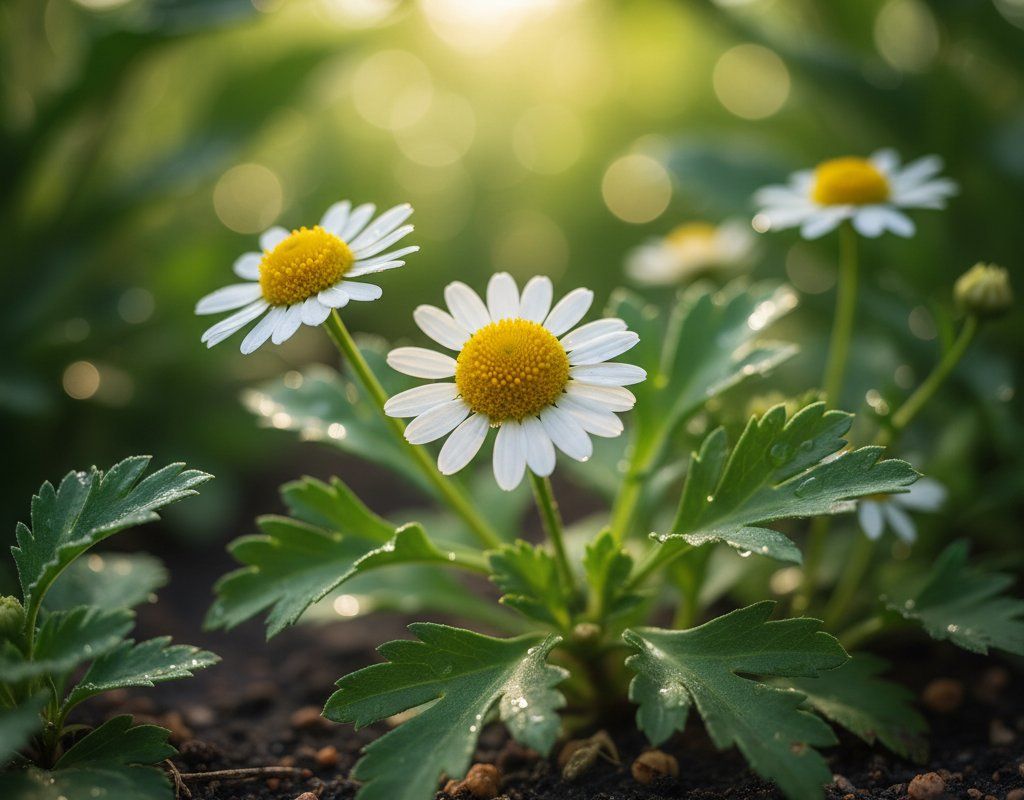
Companion Planting Details
Mint is a great companion plant for many vegetables in the Great Plains garden. It repels pests like cabbage moths and aphids, making it a good choice for planting near cabbage and broccoli. It also benefits tomatoes and peppers by attracting beneficial insects.
Avoid planting mint near parsley and chamomile. Parsley competes with mint for nutrients, and chamomile is believed to inhibit mint's growth. By choosing the right companions, you can create a thriving and productive garden, even with the challenges of our Plains climate.
🌸Best Flowers to Plant with Mint
These flowers protect your Mint from pests and attract pollinators for better harvests.
For Pest Control

For Pollinators

Get a Reminder When It's Time to Plant
We'll email you when key planting windows open for your zone.