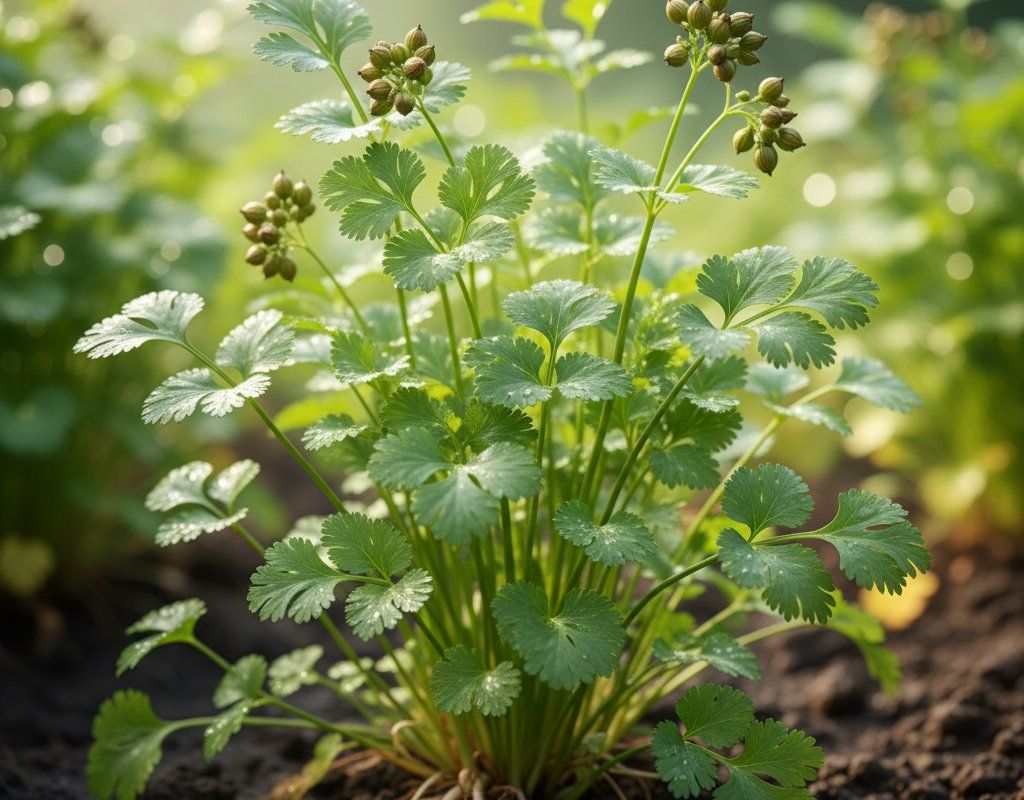
Cilantro in Zone 6A — Great Plains
Coriandrum sativum · Your Complete 2026 Planting Guide
Planning Ahead — Great!
You’re ahead of the season. Here’s when to start.
Mark Your Calendar
How to Plant Cilantro in Zone 6A — Great Plains
Here are all your options for getting cilantro in the ground, from the easiest method to more advanced approaches.
Direct Sow Seeds
RecommendedEarly April through late August
around April 1
Consider succession planting every 2-3 weeks for continuous harvest.
Cilantro bolts quickly in heat. Direct sow in cool weather for best results.
Start Seeds Indoors
RecommendedMid March through early April
around March 18
Then transplant: Mid April through late May
Start seeds 4-6 weeks before transplanting outdoors.
Buy Starts
Works WellMid April through late May
around April 15
Plant purchased starts after last frost (April 15).
Transplant Outdoors
Timing InfoMid April through late May
around April 15
Can tolerate light frost, but wait for soil to be workable.
You have a nice window — no need to rush.
Fall Planting
Late August through late September
September 8 ideal · Direct sow for fall harvest
Plant a second crop in mid-summer for fall harvest. Cilantro actually prefers the cooling temperatures of fall.
Overview
Cilantro brings fresh, bright flavor to your Great Plains kitchen when store-bought options often taste flat after long shipping distances. In our intense sunshine and prairie soil, home-grown cilantro develops exceptional flavor intensity that transforms salsas, curries, and Mexican dishes. The herb's quick growth makes it perfect for succession planting throughout our variable growing season.
Our extreme temperature swings and hot summers can challenge cilantro, which bolts quickly in heat. However, with smart timing and our 188-day growing season, you can enjoy multiple harvests from early spring through late fall. The key is working with our climate's rhythm rather than fighting it.
Starting Seeds Indoors
Starting cilantro indoors makes sense when you want an early spring harvest or need seedlings ready for specific timing. Start seeds mid-March through early April, about 4 weeks before your last frost date. Our variable spring weather makes indoor starting a safer bet than direct sowing too early.
Use standard seed trays with good drainage and keep soil consistently moist using bottom watering. Cilantro seeds germinate best at 65-70°F, so place trays on a heating mat if your house runs cool. Once sprouted, provide bright light from a grow light or sunny south window.
The main downside is cilantro's taproot doesn't love transplanting, so handle seedlings gently and transplant while still young.
Transplanting Outdoors
Transplant your cilantro seedlings outdoors from mid-April through late May, timing it for after your last hard frost. Since cilantro handles light frost well, you don't need to wait for completely stable weather like you would with tomatoes. Our spring temperature swings mean hardening off is crucial - gradually expose seedlings to outdoor conditions over a week.
Space plants 6-8 inches apart in your garden beds. In the Great Plains, choose a location with some afternoon shade protection, especially for plantings that will face our summer heat. Morning sun with afternoon shade helps prevent premature bolting.
Plant on a calm day if possible, as our constant winds can shock newly transplanted seedlings. Water thoroughly after transplanting and consider temporary wind protection for the first week.
Direct Sowing
Direct sowing works well for cilantro from early April through late August, giving you the most flexibility for succession planting. Sow seeds directly in garden beds when soil temperature reaches 50°F - usually achievable by early April in our zone. This method avoids transplant shock and lets the taproot develop naturally.
Prepare your soil by working in compost to help retain moisture, crucial since cilantro bolts quickly in hot, dry conditions. Plant seeds ¼ inch deep and 6-8 inches apart. In summer plantings, choose the coolest part of your garden and consider providing shade cloth during the hottest part of the day.
The main advantage is continuous sowing every 2-3 weeks for constant harvest. Summer sowings often work better than transplants since they adapt immediately to our heat and wind conditions.
Watering Cilantro in Zone 6A (Great Plains)
Cilantro needs consistent moisture to prevent bolting, making watering management critical in our variable rainfall climate. Plan to provide about 1 inch of water weekly, supplementing natural precipitation. Our low-to-moderate humidity means soil dries faster than in more humid regions, especially with constant wind exposure.
Use the finger test - if soil feels dry 2 inches down, it's time to water. During our hot summers with typical highs around 93°F, you may need to water every 2-3 days. Water at the base of plants early morning to minimize evaporation and avoid wetting leaves in our intense sunshine, which can cause leaf scorch.
Mulch around plants with 2-3 inches of organic matter to conserve moisture and keep roots cool during heat waves. Straw or shredded leaves work well in our windy conditions. Watch for wilting or yellowing lower leaves as signs of water stress.
Overwatering shows up as yellowing leaves from the bottom up and potentially root rot. In our clay-heavy prairie soils, ensure good drainage by working in compost before planting.
🧪Fertilizing Cilantro
Feeding Schedule
Organic Fertilizer Options
Harvest Time
Your first cilantro harvest begins mid-May through late October, depending on planting timing. Plants typically reach harvest size about 45 days from seeding, when they're 6+ inches tall with well-developed outer leaves. The intense sunshine in our region helps cilantro develop quickly once established.
Harvest by cutting outer stems at the base with clean scissors, leaving the center growing point intact. Take only what you need each time - frequent light harvests encourage continued growth. Young, tender leaves have the best flavor before our summer heat intensifies.
Once flower stalks appear (bolting), leaf flavor turns bitter and production stops. This happens quickly in our hot summers, often within days of the first signs. Harvest all usable leaves immediately when you see bolting begin, then remove plants and succession sow in a shadier spot.
As first frost approaches around mid-October, harvest remaining plants completely. You can extend the season slightly with row covers during light frosts, but plan your final succession plantings for late August to mature before killing frost.
Common Problems in Zone 6A (Great Plains)
Bolting shows up as a central flower stalk shooting up rapidly, often within days during hot weather. Leaves become bitter and tough once flowering begins. In the Great Plains, our sudden temperature spikes from spring into summer commonly trigger premature bolting, especially when combined with drought stress.
Our intense summer heat and long days naturally promote flowering. Keep soil consistently moist and provide afternoon shade during hot spells. Choose slower-bolting varieties like 'Slow Bolt' or 'Long Standing'. Succession plant every 2-3 weeks rather than trying to keep one planting going through summer.
Aphids appear as clusters of tiny green, black, or white insects on stems and leaf undersides, often with sticky honeydew residue and curled new growth. Our warm, dry conditions can lead to population explosions, especially on drought-stressed plants. Ants often tend aphid colonies, so watch for increased ant activity.
Blast aphids off with strong water spray from your hose - effective in our low humidity since they dry quickly. Encourage beneficial insects like ladybugs and lacewings with diverse plantings. For heavy infestations, use insecticidal soap or neem oil. Avoid over-fertilizing with nitrogen, which creates tender growth that attracts aphids.
Leaf spot appears as brown or black circular spots on leaves, often with yellow halos. Fungal problems are less common in our low-to-moderate humidity, but overhead watering combined with poor air circulation can create conditions for infection.
Water at soil level rather than overhead, especially important during calm periods when our usual winds don't provide natural air movement. Space plants adequately for airflow and remove affected leaves immediately. Avoid working around wet plants to prevent spreading spores.
Great Plains Specific Challenges: Our extreme temperature swings stress cilantro, making it bolt unpredictably. Combined with variable rainfall and constant wind, plants need consistent care with moisture and temperature protection. Focus on timing and succession planting rather than trying to force single plantings through difficult periods.
Best Companions for Cilantro
Plant these nearby for healthier Cilantro and better harvests.

Keep Away From

Companion Planting Details
Cilantro pairs well with tomatoes, providing natural pest deterrence while benefiting from the larger plants' afternoon shade during our intense summer heat. Plant cilantro around tomato cages in spring, then succession sow in shadier spots as temperatures climb. Spinach makes an excellent companion for cool-season plantings, sharing similar water and temperature needs while maximizing garden space.
Peppers and beans also complement cilantro well - the herb's strong scent may help deter some pests, while these warm-season crops can provide wind protection in our gusty conditions. Avoid planting near fennel, which can cross-pollinate and affect flavor, plus fennel's deep taproot competes aggressively for moisture in our drought-prone climate.
🌸Best Flowers to Plant with Cilantro
These flowers protect your Cilantro from pests and attract pollinators for better harvests.



Get a Reminder When It's Time to Plant
We'll email you when key planting windows open for your zone.