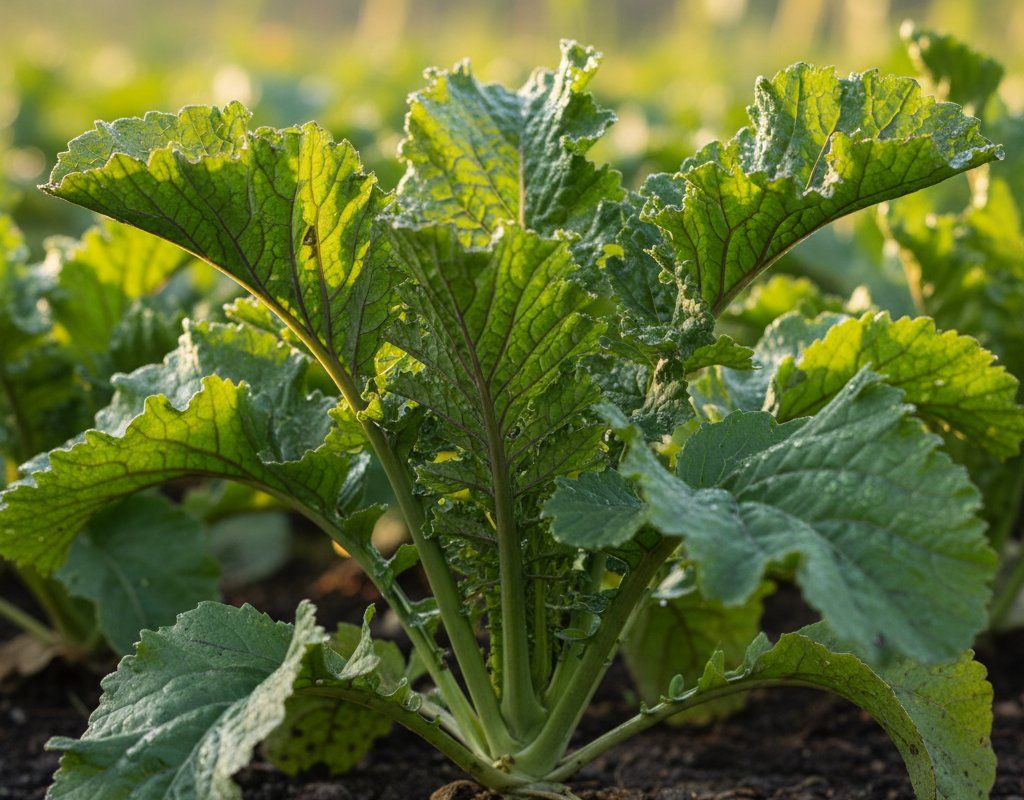
Mustard Greens in Zone 8B — Desert Southwest
Brassica juncea · Your Complete 2026 Planting Guide
Time to Buy Starts!
Seed starting window passed, but starts are available now.
Buy Starts Now
Head to your local nursery, Home Depot, or farmers market for transplants.
- Look for stocky plants with dark green leaves
- Avoid leggy seedlings or plants already flowering
- Check that roots aren't circling the pot (rootbound)
How to Plant Mustard Greens in Zone 8B — Desert Southwest
Here are all your options for getting mustard greens in the ground, from the easiest method to more advanced approaches.
Direct Sow Seeds
RecommendedLate January through early October
around January 28
Consider succession planting every 2-3 weeks for continuous harvest.
Start Seeds Indoors
RecommendedMid January through early February
around January 21
Then transplant: Mid February through late March
Start seeds 3-5 weeks before transplanting outdoors.
Buy Starts
Works WellMid February through late March
around February 11
Plant purchased starts after last frost (February 25).
Transplant Outdoors
Timing InfoMid February through late March
around February 11
Can tolerate light frost, but wait for soil to be workable.
You have a nice window — no need to rush.
Fall Planting
Early October through early November
October 20 ideal · Direct sow for fall harvest
Plant a second crop in mid-summer for fall harvest. Mustard Greens actually prefers the cooling temperatures of fall.
Overview
Mustard greens pack a peppery punch that livens up any meal, and they're easy to grow in our Desert Southwest gardens. Their quick growth means you can have fresh greens on your table in no time, and their slight frost tolerance extends the harvest season, especially during our mild winters.
Our extreme heat and alkaline soil can be challenging, but with careful timing and attention to watering, you can enjoy a bountiful harvest of mustard greens. Our long, 279-day growing season offers two opportunities to grow these flavorful greens: spring and fall.
Starting Seeds Indoors
Starting mustard greens indoors isn't always necessary, but it can give you a head start, especially for a very early spring harvest. If you choose to start indoors, aim for mid January through early February, about three weeks before you plan to transplant.
Use seed trays or small pots filled with a good seed-starting mix. Keep the soil consistently moist by bottom watering – set the tray in a shallow dish of water and let the soil absorb it from the bottom. Place the trays under grow lights or in a very sunny window. Given our very-early spring character, this gives them a jump before the temperatures start to rise.
Transplanting Outdoors
Transplant your mustard green seedlings outdoors from mid February through late March. Before transplanting, harden them off by gradually exposing them to outdoor conditions for about a week.
Choose a spot with full sun to partial shade, and space the seedlings 6-12 inches apart. Be mindful of late-season temperature swings that can still occur during this time; protect young transplants from unexpected frost with row covers if needed.
Direct Sowing
Direct sowing mustard greens is a simple and effective method, especially during our mild fall season. You can direct sow from late January through early October, giving you a wide window for planting.
Prepare the soil by loosening it and adding compost. Sow seeds about ½ inch deep and 6-12 inches apart. Keep the soil consistently moist until the seedlings emerge. Direct sowing is a great option for succession planting, ensuring a continuous supply of fresh greens.
Watering Mustard Greens in Zone 8B (Desert Southwest)
Mustard greens need consistent moisture to thrive in our arid Desert Southwest climate. Aim to keep the soil consistently moist, but not waterlogged. Drought stress can make the leaves unpleasantly spicy and trigger bolting, so avoid letting the soil dry out completely.
During the cooler spring and fall months, water deeply about 1-2 times per week, providing about 1 inch of water each time. In the extreme heat of summer, you may need to water every day or every other day to prevent the soil from drying out. Use the "finger test" – stick your finger about 2 inches into the soil; if it feels dry, it's time to water. Water at the base of the plants to avoid wetting the leaves, which can lead to fungal issues in our monsoon season.
Signs of underwatering include wilting leaves and slow growth. Overwatering can lead to yellowing leaves and root rot. A layer of mulch around the plants helps retain moisture and keeps the soil cool, especially during our scorching summers.
🧪Fertilizing Mustard Greens
Feeding Schedule
Organic Fertilizer Options
Harvest Time
You can expect your first harvest of mustard greens around mid March through early December, about 45 days after planting. Young leaves have a milder flavor, while larger leaves are spicier.
Harvest the outer leaves as needed, leaving the inner leaves to continue growing. This cut-and-come-again method encourages continuous production. Pick the leaves before the plant starts to flower, as bolting will make the leaves bitter. As our first frost approaches in early December, harvest any remaining leaves to enjoy before the cold weather sets in.
Common Problems in Zone 8B (Desert Southwest)
Mustard greens can face a few common problems in our region, but with vigilance and proactive measures, you can keep your plants healthy.
Flea Beetles
- What it looks like: Tiny round holes (shot-hole pattern) in leaves. Small dark beetles that jump when disturbed.
- What causes it: Small jumping beetles that feed on leaves. They thrive in dry conditions, which can be common before our monsoon season.
- How to fix/prevent it: Use row covers to protect seedlings. Delay planting until plants are larger and more resilient. Spray with kaolin clay or neem oil. Interplant with basil or catnip.
Aphids
- What it looks like: Clusters of tiny soft-bodied insects (green, black, or white) on stems and leaf undersides. Sticky honeydew residue.
- What causes it: Rapidly reproducing sap-sucking insects. Populations explode in warm weather.
- How to fix/prevent it: Spray plants with a strong stream of water to knock off aphids. Encourage ladybugs and lacewings (natural predators). Use insecticidal soap or neem oil.
Cabbage Worms
- What it looks like: Smooth green caterpillars on brassica leaves. Irregular holes chewed in leaves.
- What causes it: Larvae of white cabbage butterflies. Multiple generations per season in warm climates.
- How to fix/prevent it: Apply Bt spray, which is very effective against caterpillars. Use floating row covers to prevent butterflies from laying eggs. Handpick caterpillars.
Bolting in Heat
- What it looks like: The plant sends up a flower stalk. Leaves become tough and bitter.
- What causes it: Extended warm temperatures above 80°F. This is a common issue in our region as we approach summer.
- How to fix/prevent it: Time plantings for cool weather (spring/fall). Choose bolt-resistant varieties. Provide shade with shade cloth during warm spells. Mulch to keep the soil cool.
Desert Southwest Specific Challenges: Our extreme heat can cause bolting and sunscald. The arid humidity means you need to water consistently. Watch out for monsoon moisture, which can encourage fungal diseases.
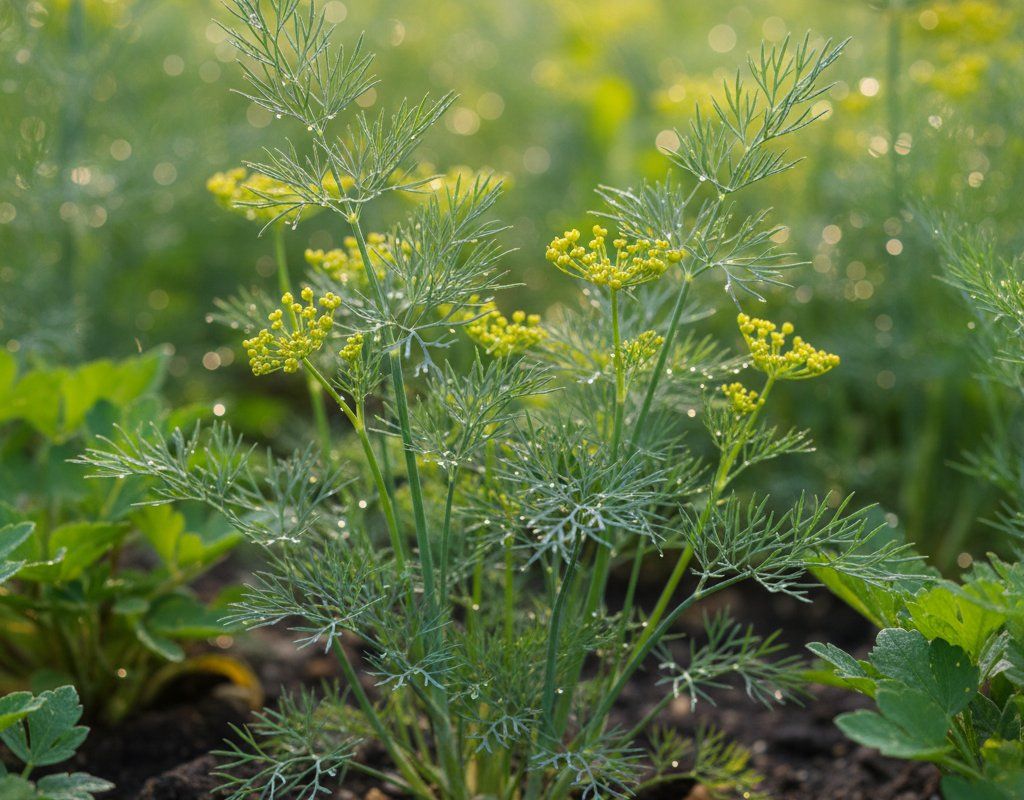
Best Companions for Mustard Greens
Plant these nearby for healthier Mustard Greens and better harvests.




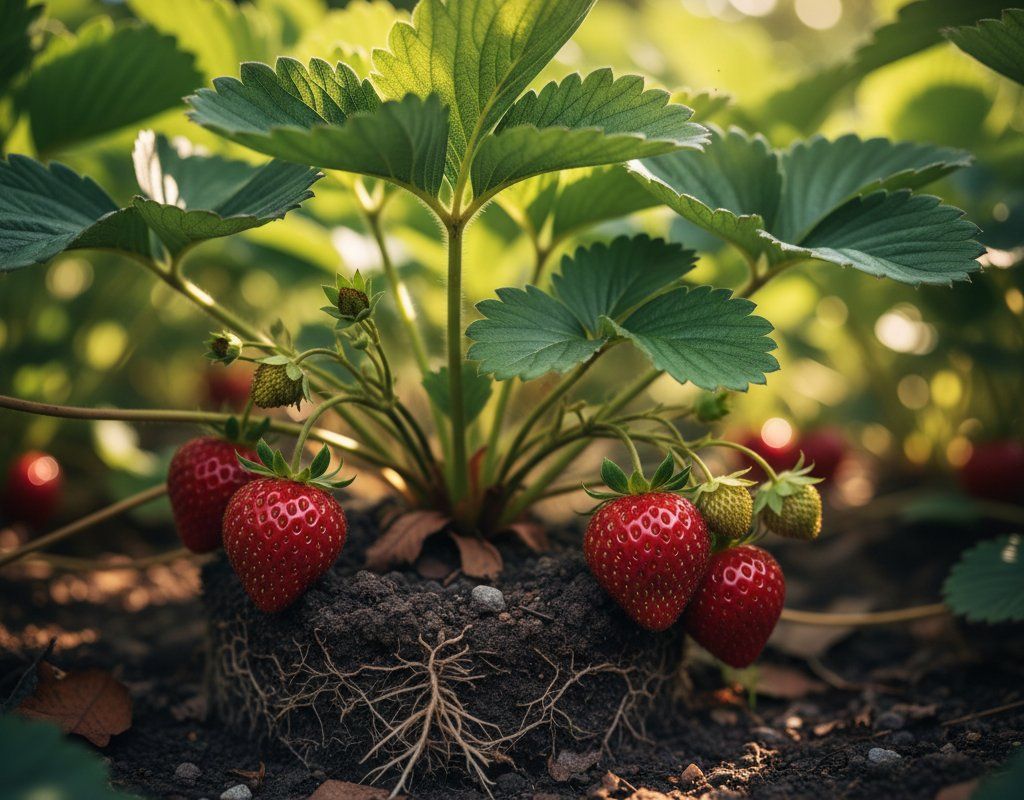
Keep Away From

Companion Planting Details
Companion planting can help your mustard greens thrive in our Desert Southwest gardens.
Good companions include onions and garlic, as their strong scent deters pests. Beets help loosen the soil and make nutrients more accessible. Dill attracts beneficial insects that prey on aphids and other pests. Lettuce provides ground cover, helping to keep the soil cool and moist.
Avoid planting mustard greens near strawberries or tomatoes. Strawberries are susceptible to similar pests and diseases, increasing the risk of infestation. Tomatoes can stunt the growth of mustard greens.
🌸Best Flowers to Plant with Mustard Greens
These flowers protect your Mustard Greens from pests and attract pollinators for better harvests.
For Pest Control



For Pollinators

Get a Reminder When It's Time to Plant
We'll email you when key planting windows open for your zone.