
Nasturtium in Zone 3B — Great Plains
Tropaeolum majus · Your Complete 2026 Planting Guide
Planning Ahead — Great!
You’re ahead of the season. Here’s when to start.
Mark Your Calendar
How to Plant Nasturtium in Zone 3B — Great Plains
Here are all your options for getting nasturtium in the ground, from the easiest method to more advanced approaches.
Direct Sow Seeds
RecommendedLate May through early July
around May 27
Consider succession planting every 2-3 weeks for continuous harvest.
Nasturtiums resent transplanting. Direct sow after frost.
Buy Starts
Works WellLate May through late June
around May 27
Plant purchased starts after last frost (May 20).
Start Seeds Indoors
Works WellLate April through mid May
around April 29
Then transplant: Late May through late June
Start seeds 4-6 weeks before transplanting outdoors.
Transplant Outdoors
Timing InfoLate May through late June
around May 27
Wait until nighttime temperatures stay above 50°F.
You have a nice window — no need to rush.
Overview
Nasturtiums are a fantastic addition to any Great Plains garden. Their peppery leaves and vibrant flowers add a unique zing to salads and brighten up any dish. Plus, they’re surprisingly easy to grow, offering a big reward for minimal effort, even with our variable Plains weather.
Our region can throw some curveballs your way with extreme temperature swings, hail risk, and variable moisture. But with a little planning and attention to timing, you can enjoy a bountiful harvest from these beauties within our roughly 118-day growing season.
Starting Seeds Indoors
While nasturtiums prefer direct sowing, starting them indoors can give you a jump on the season, especially further north where our growing season is shorter. Begin in late April through mid May, about four weeks before you plan to transplant.
Use seed trays filled with a well-draining seed starting mix. Keep them warm (around 70°F) and provide plenty of light – a sunny windowsill or grow light works well. Bottom watering will help prevent damping off, which can be an issue with our variable spring temperatures.
Keep in mind that nasturtiums don't always love being transplanted, so handle them gently. Direct sowing is still the preferred method for most Plains gardeners.
Transplanting Outdoors
If you started your nasturtiums indoors, transplant them outdoors in late May through late June, after the last frost danger has passed. Before transplanting, harden off your seedlings by gradually exposing them to outdoor conditions for about a week.
Choose a spot with full sun to part shade and space them 10-12 inches apart. Be mindful of potential late frosts or strong winds that can damage young plants – protection is essential in our region. Water them in well after transplanting.
Direct Sowing
Direct sowing is the easiest and most successful method for growing nasturtiums in the Great Plains. Sow your seeds directly into the garden from late May through early July, after the danger of frost has passed and the soil has warmed up.
Prepare the soil by loosening it and removing any weeds. Nasturtiums aren't picky about soil, but good drainage is important. Sow seeds about ½ inch deep and space them 10-12 inches apart. Keep the soil consistently moist until germination.
Watering Nasturtium in Zone 3B (Great Plains)
Nasturtiums are wonderfully drought-tolerant, making them a perfect fit for our variable Plains climate. They thrive in somewhat poor, dry soil, and too much water or fertilizer can actually lead to more leaves than flowers. Less is definitely more when it comes to watering these plants.
During our hot summer months, especially if rainfall is scarce, check the soil moisture regularly. Stick your finger about two inches deep into the soil – if it feels dry, it's time to water. Aim for about an inch of water per week, delivered deeply at the base of the plant.
Overhead watering can lead to fungal issues, even with our low-to-moderate humidity. Signs of underwatering include wilting leaves, while yellowing leaves can indicate overwatering. Applying a light layer of mulch can help retain moisture and regulate soil temperature.
🧪Fertilizing Nasturtium
Feeding Schedule
Organic Fertilizer Options
Harvest Time
Your first harvest of nasturtium flowers, leaves, and seed pods will likely be from late July through mid September, about 55 days after sowing. The flowers are ready to pick when they are fully open and brightly colored.
Harvest leaves as needed throughout the season. For the seed pods (which you can pickle like capers), harvest them when they are green and firm. When harvesting, use scissors or your fingers to gently snip off the flowers, leaves, or pods.
Regular harvesting encourages more flower production. As the end of the season approaches in mid- September, harvest any remaining flowers and seed pods before the first frost hits.
Common Problems in Zone 3B (Great Plains)
Even though nasturtiums are easy to grow, they can sometimes encounter problems. Here are three common issues you might face in the Great Plains:
Aphids
- What it looks like: Clusters of tiny green, black, or white insects on stems and leaves. Leaves may be sticky or distorted.
- What causes it: Aphids are attracted to stressed plants. Our region's variable weather can sometimes weaken plants, making them susceptible.
- How to fix/prevent it: Nasturtiums are often used as a trap crop for aphids. The aphids will be drawn to the nasturtiums instead of your other plants. You can then spray the nasturtiums with insecticidal soap or blast them off with a strong stream of water.
Cabbage Caterpillars
- What it looks like: Green caterpillars chewing holes in leaves, often leaving behind dark droppings.
- What causes it: Cabbage white butterflies lay their eggs on brassicas and other plants. Caterpillars thrive in warm weather.
- How to fix/prevent it: Handpick caterpillars off plants. Use row covers to prevent butterflies from laying eggs. Bacillus thuringiensis (Bt) is an effective organic control.
Black Fly
- What it looks like: Tiny black flies swarming around plants, especially new growth. Leaves may be yellowing and stunted.
- What causes it: Black fly thrives in damp conditions and can spread rapidly.
- How to fix/prevent it: Improve air circulation around plants. Use yellow sticky traps to catch adult flies. Insecticidal soap can help control infestations.
Great Plains Specific Challenges: Our hot, dry summers and variable rainfall can stress nasturtiums, making them more susceptible to pests. Consistent monitoring and appropriate watering are key to keeping your plants healthy and productive.
Best Companions for Nasturtium
Plant these nearby for healthier Nasturtium and better harvests.
View Full Companion Planting Chart →



Companion Planting Details
Nasturtiums make excellent companion plants in the Great Plains garden. They attract beneficial insects and can even repel certain pests.
Good companions include:
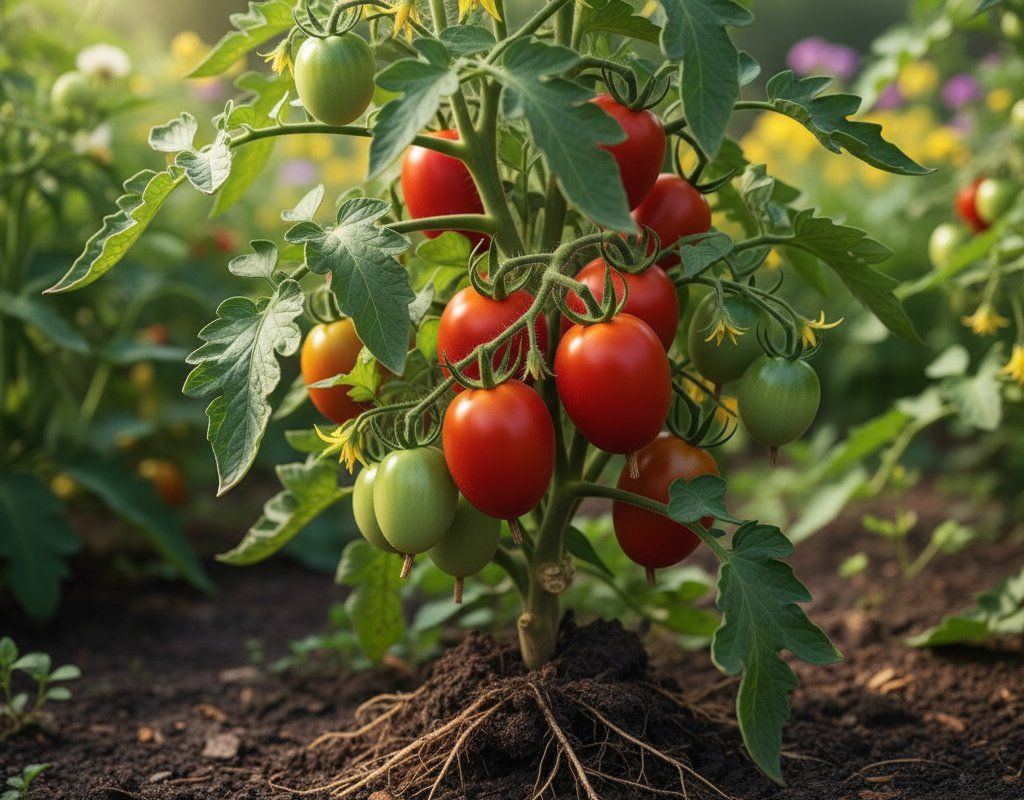
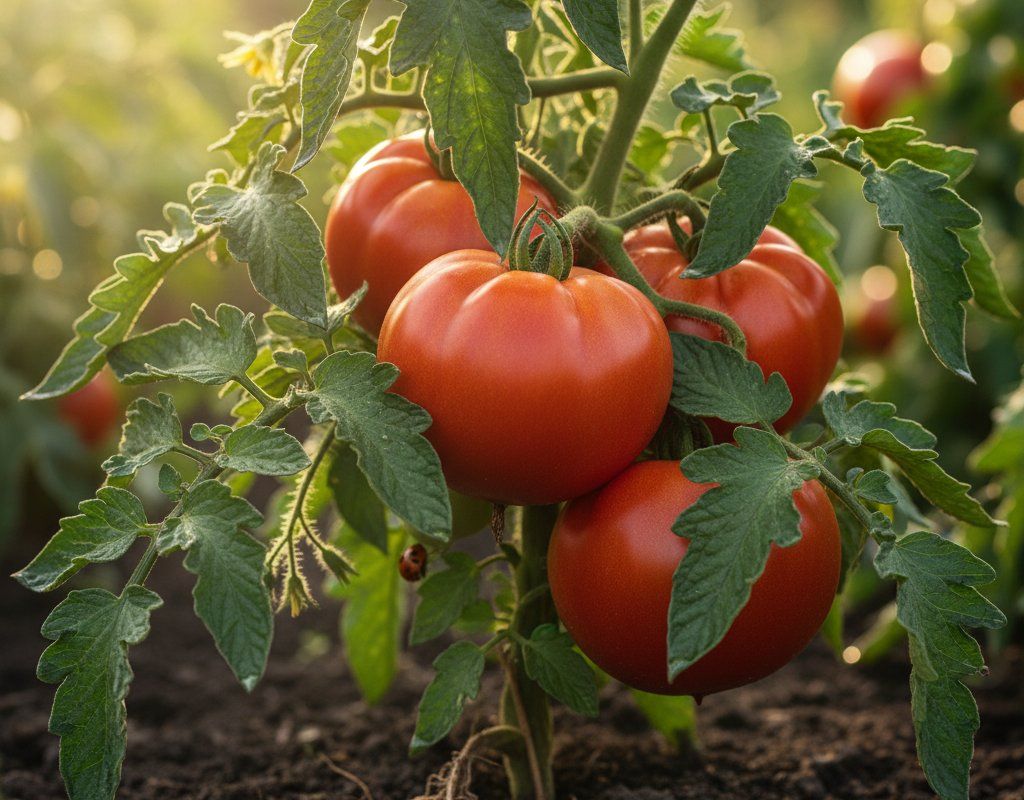
- Tomatoes: Nasturtiums help repel tomato hornworms and other pests.
- Cucumbers: Nasturtiums deter cucumber beetles.
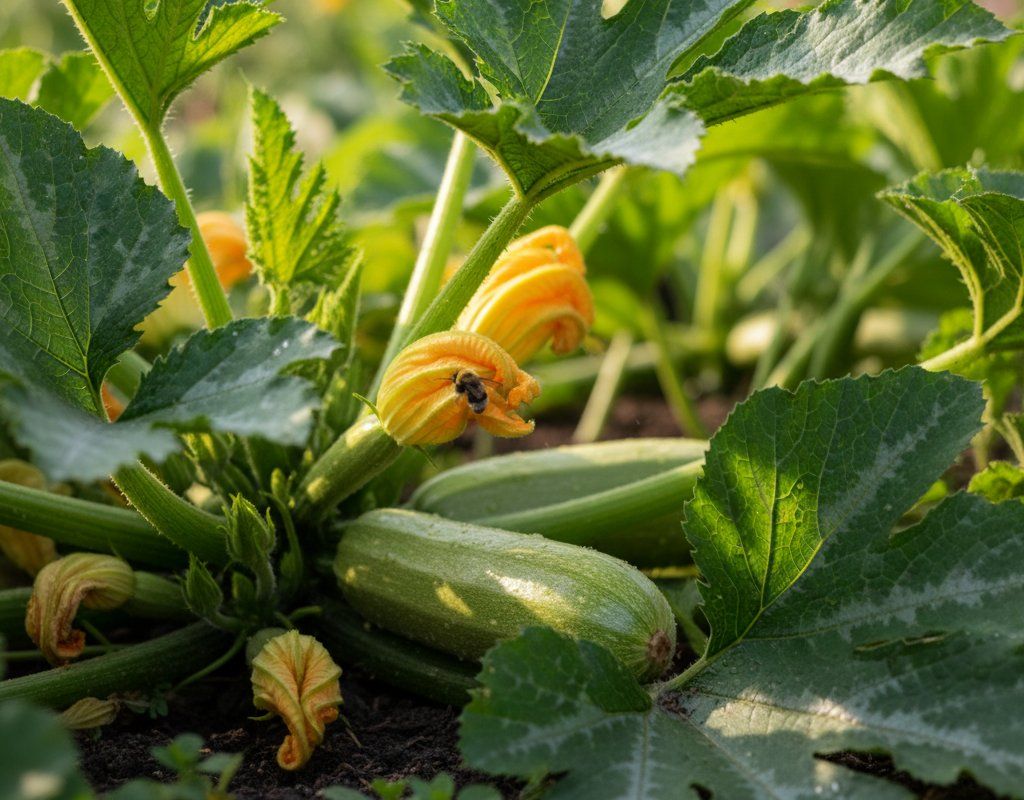
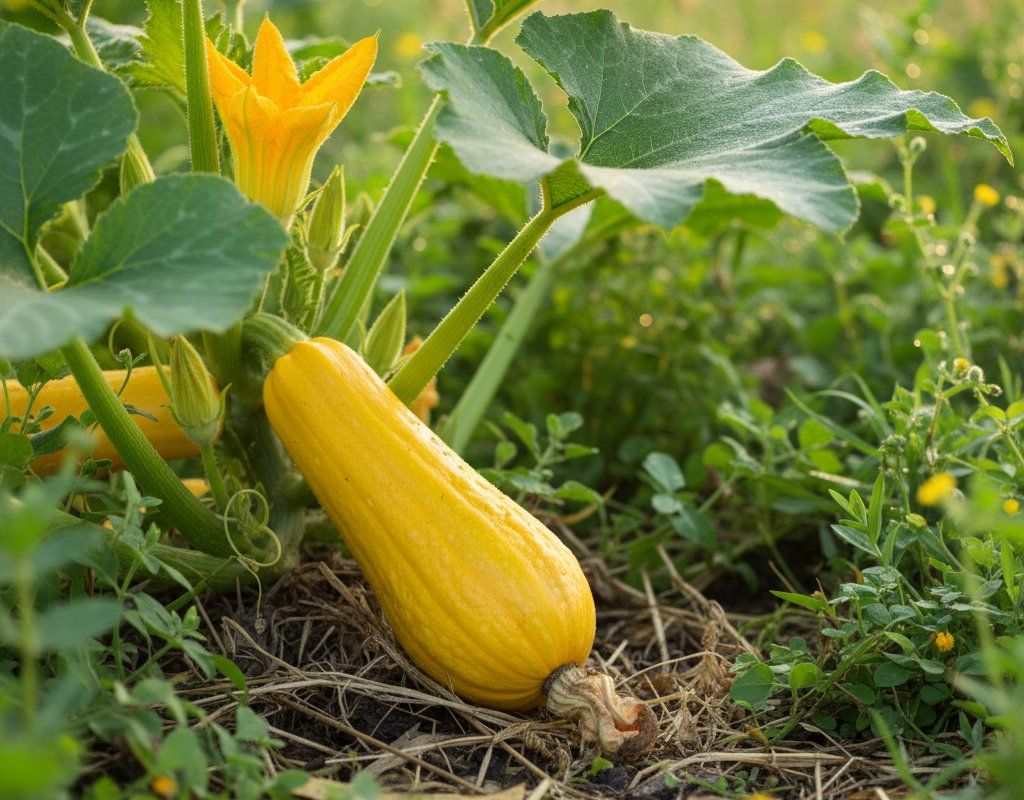
- Squash: Nasturtiums help deter squash bugs.
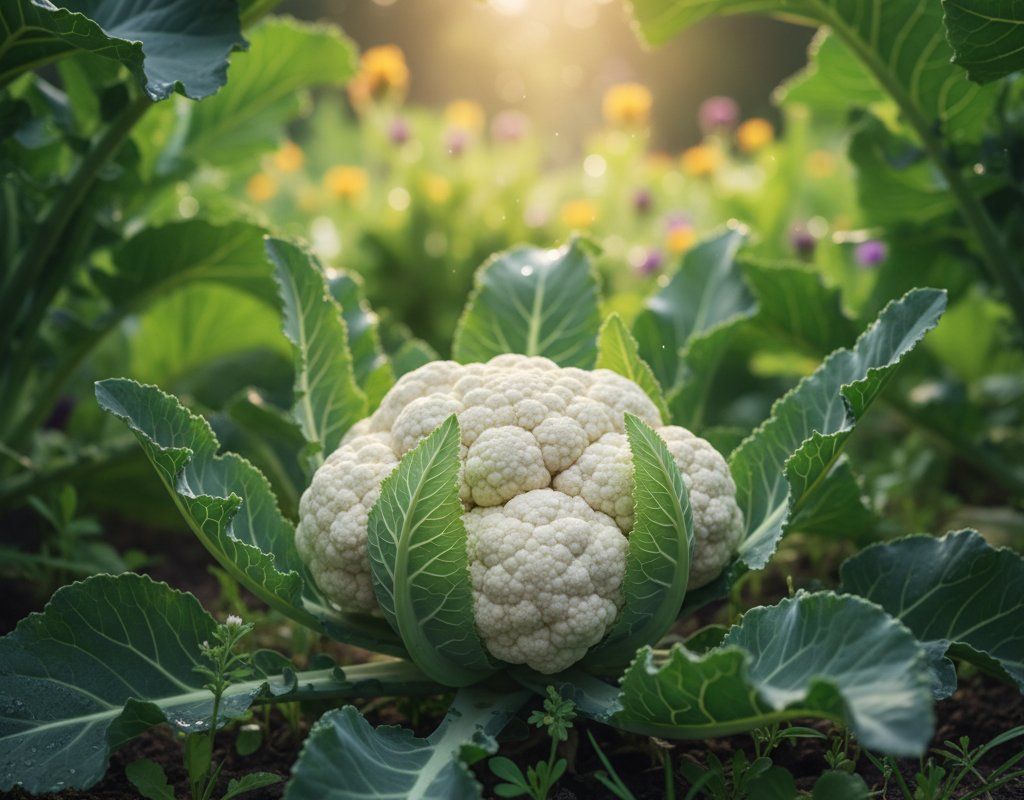
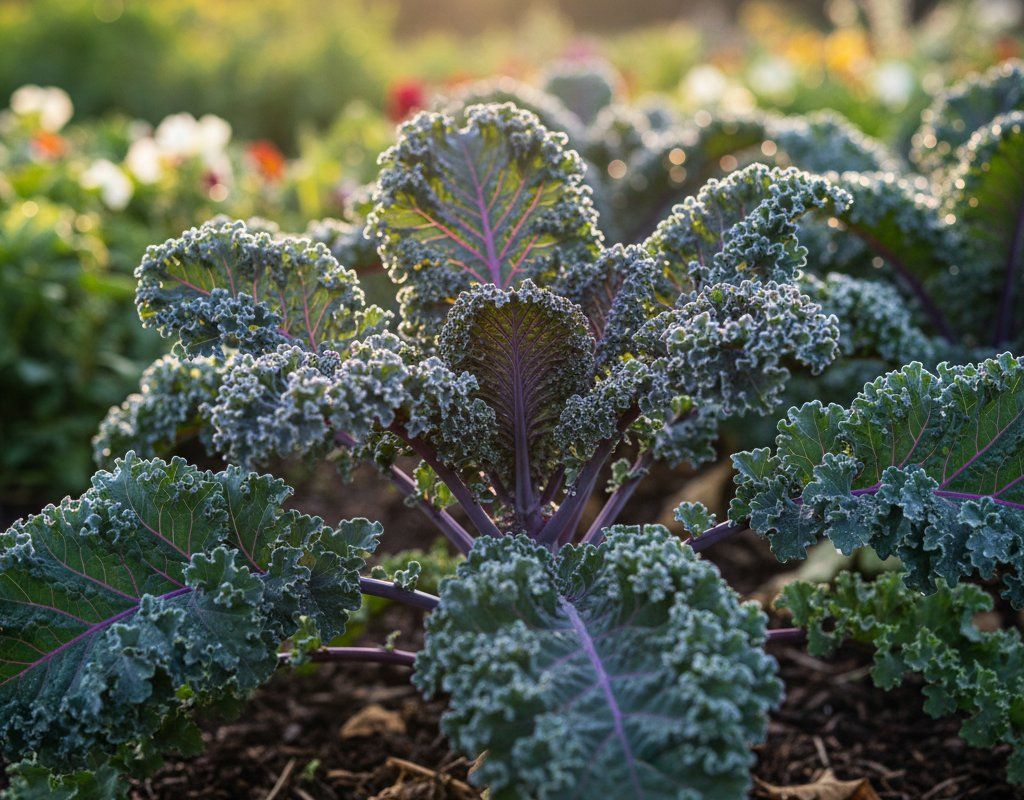
- Broccoli and Cabbage: Nasturtiums attract beneficial insects that prey on cabbage worms and other brassica pests.
Avoid planting nasturtiums near fennel, as it can inhibit their growth.
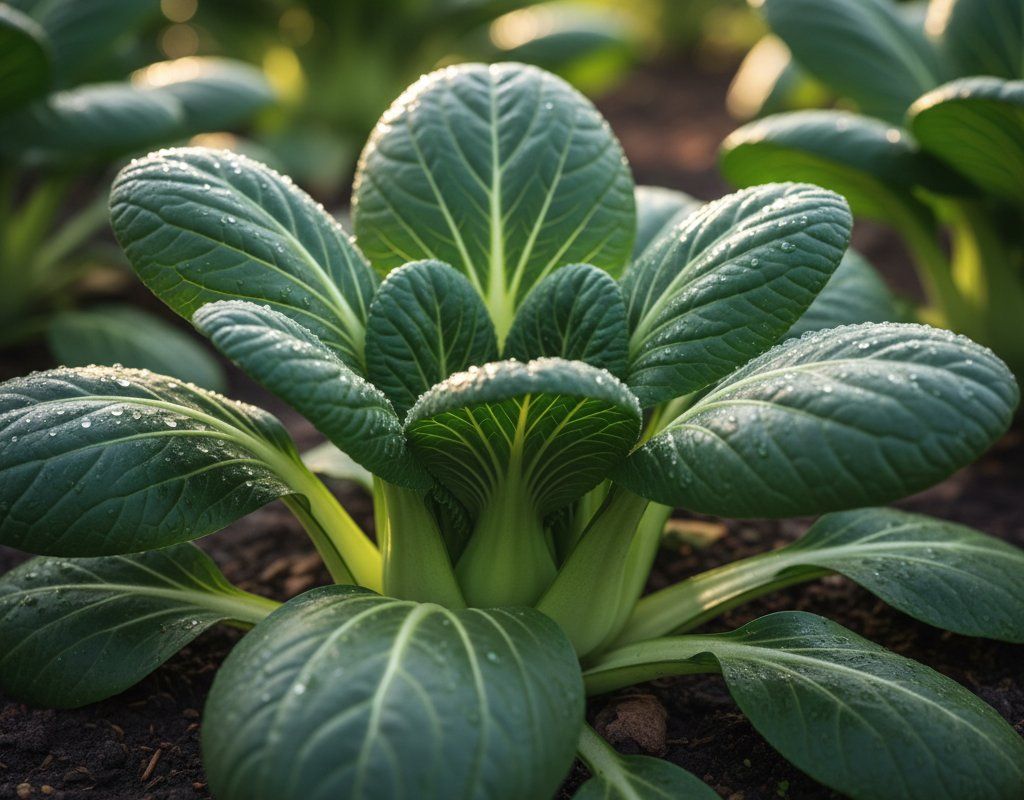
🥬Best Vegetables to Pair With Nasturtium
Nasturtium benefits these vegetables through pest control, pollinator attraction, or improved garden health.



Get a Reminder When It's Time to Plant
We'll email you when key planting windows open for your zone.