
Nasturtium in Zone 4A — Great Plains
Tropaeolum majus · Your Complete 2026 Planting Guide
Planning Ahead — Great!
You’re ahead of the season. Here’s when to start.
Mark Your Calendar
How to Plant Nasturtium in Zone 4A — Great Plains
Here are all your options for getting nasturtium in the ground, from the easiest method to more advanced approaches.
Direct Sow Seeds
RecommendedMid May through mid July
around May 17
Consider succession planting every 2-3 weeks for continuous harvest.
Nasturtiums resent transplanting. Direct sow after frost.
Buy Starts
Works WellMid May through mid June
around May 17
Plant purchased starts after last frost (May 10).
Start Seeds Indoors
Works WellMid April through early May
around April 19
Then transplant: Mid May through mid June
Start seeds 4-6 weeks before transplanting outdoors.
Transplant Outdoors
Timing InfoMid May through mid June
around May 17
Wait until nighttime temperatures stay above 50°F.
You have a nice window — no need to rush.
Overview
Nasturtiums are worth growing in the Great Plains for their peppery zing in salads, their cheerful blossoms that brighten any dish, and the sheer satisfaction of growing something so unfussy. They thrive on neglect, which is perfect for our variable rainfall and intense sunshine – conditions that challenge even the most seasoned Plains gardener.
Our region's extreme weather can be intimidating, but nasturtiums are surprisingly resilient if you time things right. With a growing season of around 138 days, you can easily get a great harvest of leaves, flowers, and even seeds.
Starting Seeds Indoors
Starting nasturtiums indoors is possible, but honestly, it's not usually necessary in our climate. They don't love being transplanted. However, if you're itching to get a head start or if you're in a particularly northern part of Zone 4A with a shorter growing season, starting seeds indoors is an option.
If you decide to start indoors, begin mid-April through early May, about four weeks before you plan to transplant. Use seed trays with good drainage, provide warmth (a heat mat is helpful), and ensure plenty of light, especially given our variable spring weather. Bottom watering is a good way to avoid damping off, especially in our sometimes humid spring air.
Transplanting Outdoors
Transplanting nasturtiums should be done mid-May through mid-June, after the risk of frost has passed. Before transplanting, harden off your seedlings by gradually exposing them to outdoor conditions for about a week. This is crucial to prevent shock from our sometimes drastic temperature swings.
Plant them 10-12 inches apart in well-drained soil. Be mindful of late spring hail events that can damage tender transplants. Wind protection is also essential, especially for young plants.
Direct Sowing
Direct sowing is the easiest and most successful way to grow nasturtiums in the Great Plains. Wait until mid-May through mid-July, once the soil has warmed up and the danger of frost is gone.
Prepare the soil by loosening it and removing any large clumps. Nasturtiums actually prefer slightly poor soil, so don't bother amending it too much. Sow seeds 10-12 inches apart and about half an inch deep. Keep the soil consistently moist until the seedlings emerge, which usually takes about a week or two.
Watering Nasturtium in Zone 4A (Great Plains)
Nasturtiums are surprisingly drought-tolerant and thrive on neglect, making them perfect for our variable Great Plains climate. Overwatering or over-fertilizing will lead to lots of leaves and fewer flowers, so less is definitely more.
During the peak of summer heat, aim to water deeply but infrequently. Use the finger test: if the top two inches of soil are dry, it's time to water. Generally, an inch of water per week is sufficient, but adjust based on rainfall. Water at the base of the plant to avoid wetting the foliage, which can encourage fungal diseases, especially during periods of higher humidity.
Signs of underwatering include wilting leaves and stunted growth. Overwatering can cause yellowing leaves and root rot. A light layer of mulch, like straw or wood chips, can help conserve moisture and regulate soil temperature during our extreme temperature swings.
🧪Fertilizing Nasturtium
Feeding Schedule
Organic Fertilizer Options
Harvest Time
You can expect your first harvest of nasturtium flowers and leaves from mid-July through late September, about 55 days after planting. The flowers are ready to harvest when they are fully open and vibrantly colored. The leaves can be harvested at any time. Seed pods are ready when they are green and firm, perfect for pickling.
Harvest flowers and leaves by snipping them off with scissors or pinching them off with your fingers, being careful not to damage the plant. Regular harvesting encourages continued production. As the first frost approaches in late September, harvest any remaining flowers and seed pods. The leaves will likely succumb to the cold, but you can still enjoy the last of your harvest.
Common Problems in Zone 4A (Great Plains)
Here are the top three problems you might encounter with nasturtiums in the Great Plains:
Aphids
- What it looks like: Clusters of small, soft-bodied insects on stems and undersides of leaves; sticky honeydew; distorted growth.
- What causes it: Aphids are attracted to stressed plants, and our unpredictable weather can sometimes weaken plants.
- How to fix/prevent it: Nasturtiums are often used as a trap crop for aphids, drawing them away from other plants. Inspect plants regularly and spray with a strong jet of water to dislodge aphids.
Cabbage Caterpillars
- What it looks like: Holes in leaves; green caterpillars feeding on foliage; dark droppings.
- What causes it: Cabbage white butterflies lay eggs on nasturtiums, and the larvae (caterpillars) feed on the leaves.
- How to fix/prevent it: Handpick caterpillars off plants. Cover plants with netting to prevent butterflies from laying eggs.
Black Fly
- What it looks like: Similar to aphids, these small black insects will cluster on stems and new growth, sucking sap.
- What causes it: They are attracted to young, tender growth and can thrive in warm, dry conditions.
- How to fix/prevent it: Blast them off with a strong stream of water. Encourage beneficial insects like ladybugs, which prey on black flies.
Great Plains Specific Challenges: The hot, dry summers of the Great Plains can stress nasturtiums, making them more susceptible to pests. Variable rainfall can lead to periods of drought followed by heavy downpours, which can also weaken plants. Monitoring your plants regularly and adjusting your watering schedule accordingly is key to keeping them healthy.
Best Companions for Nasturtium
Plant these nearby for healthier Nasturtium and better harvests.
View Full Companion Planting Chart →



Companion Planting Details
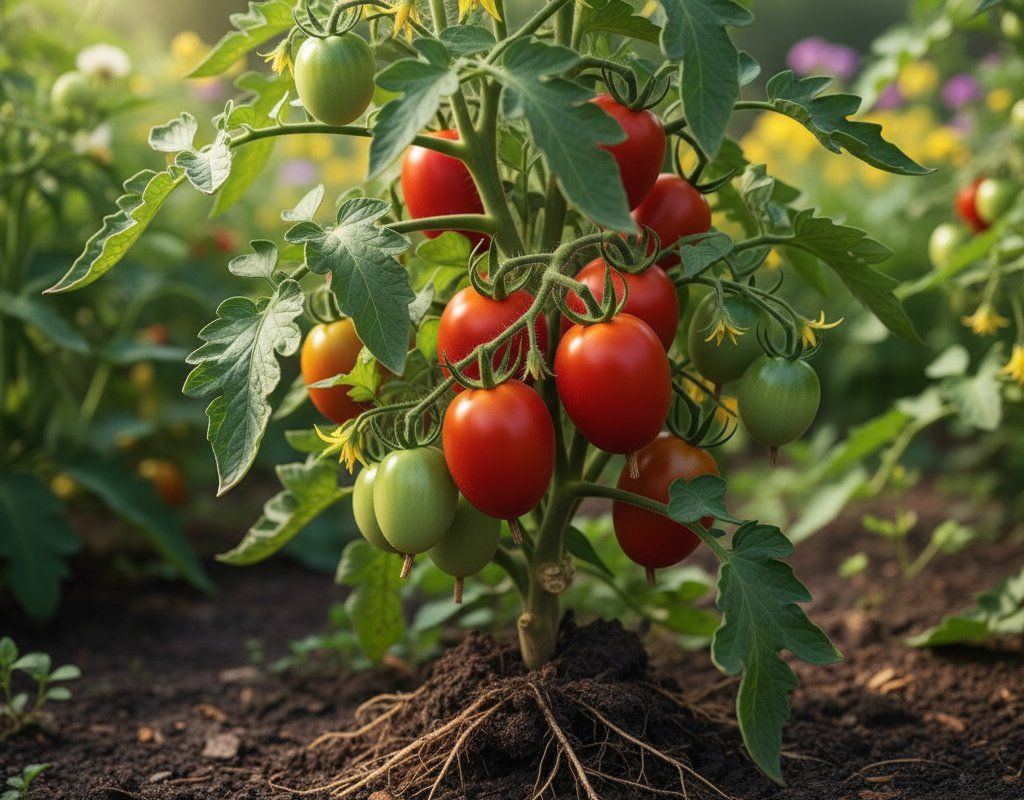
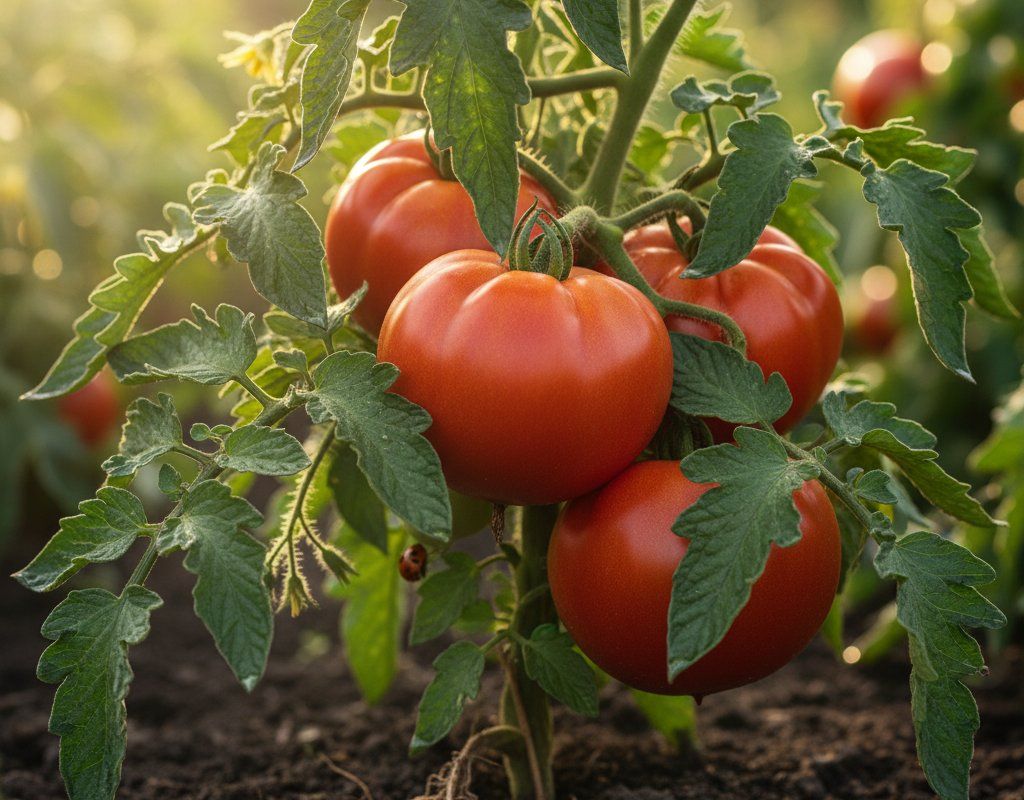
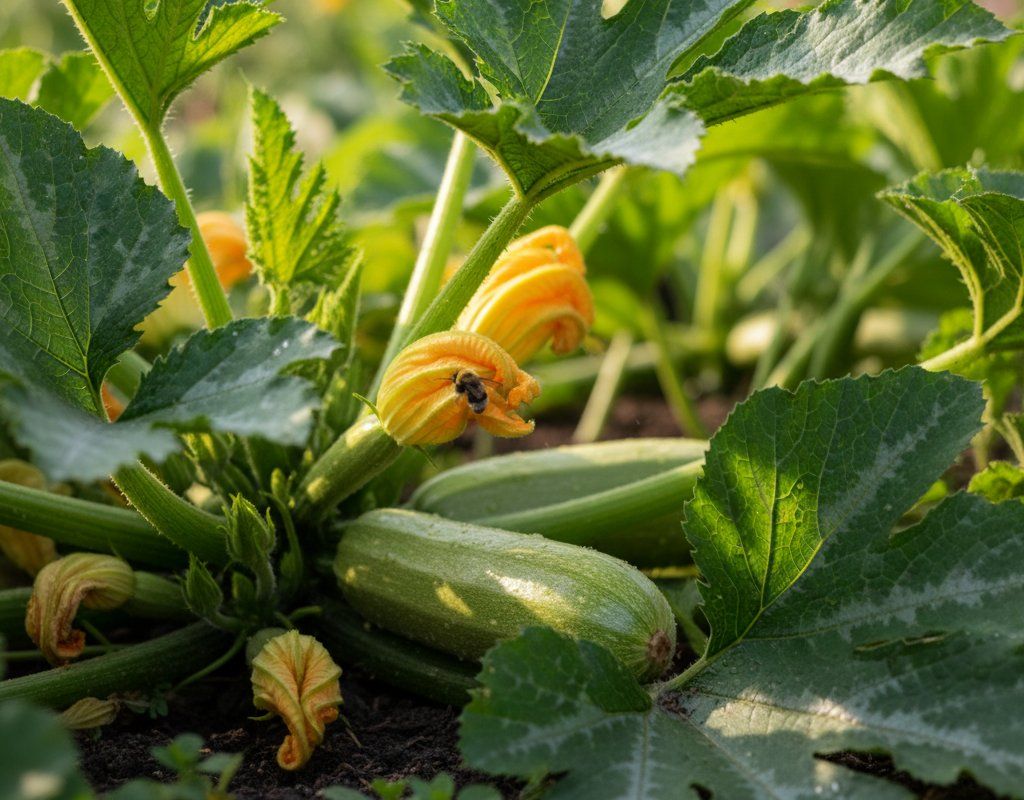
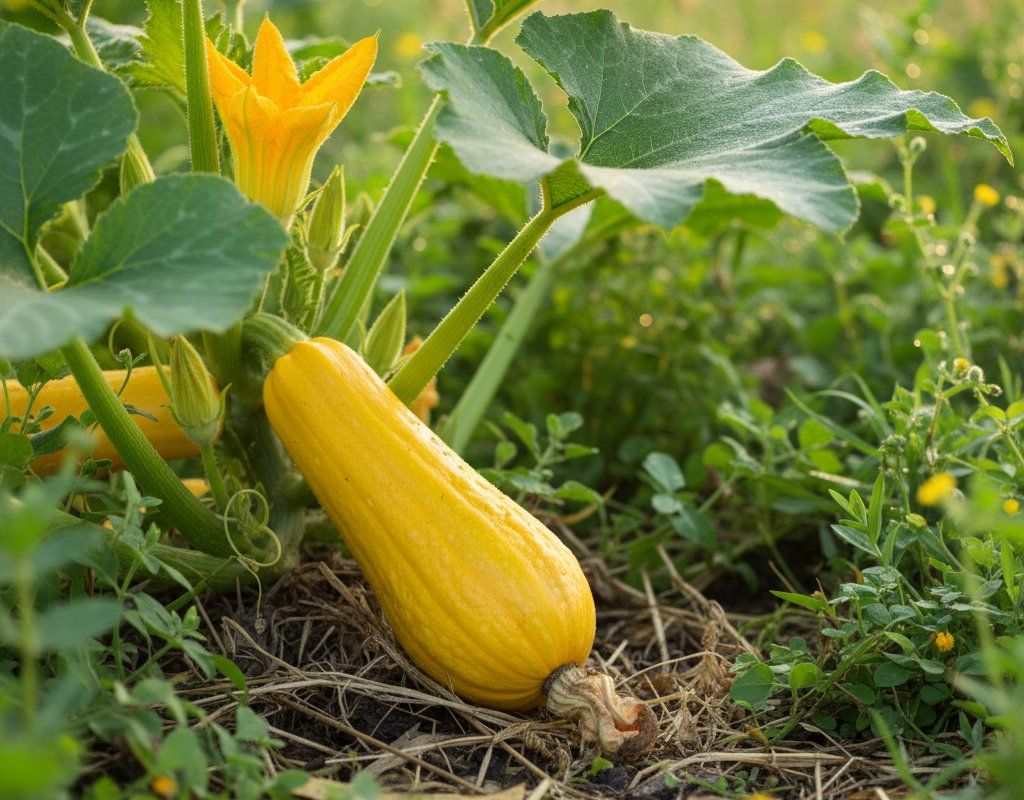
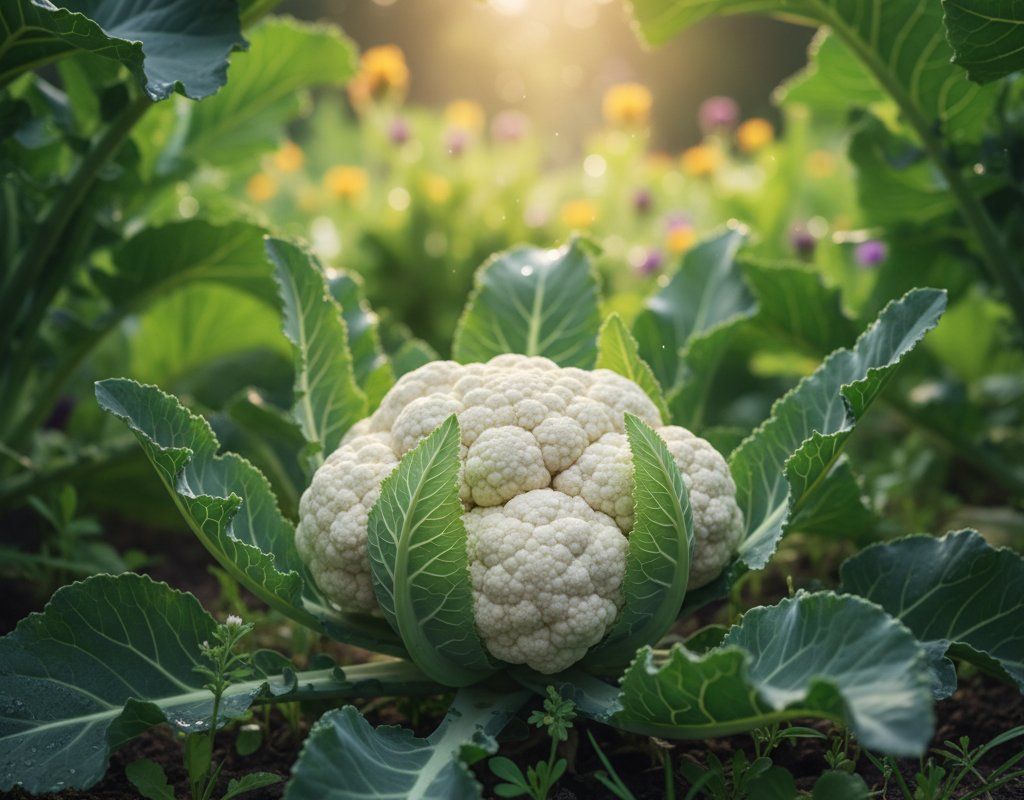
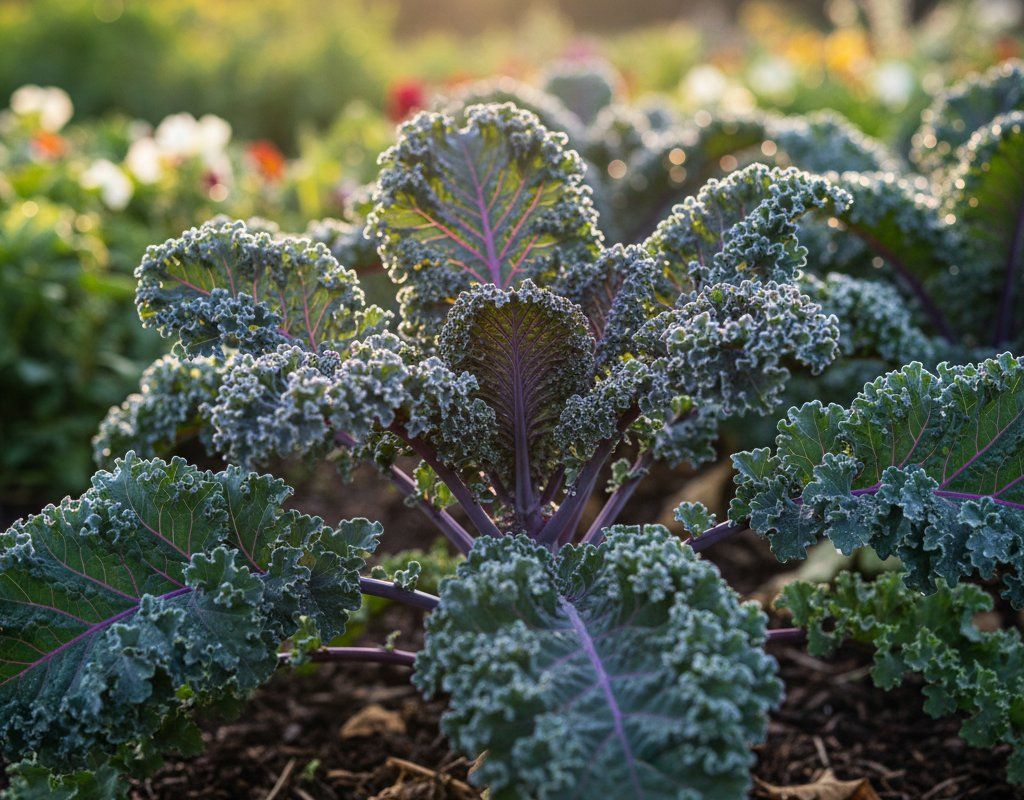
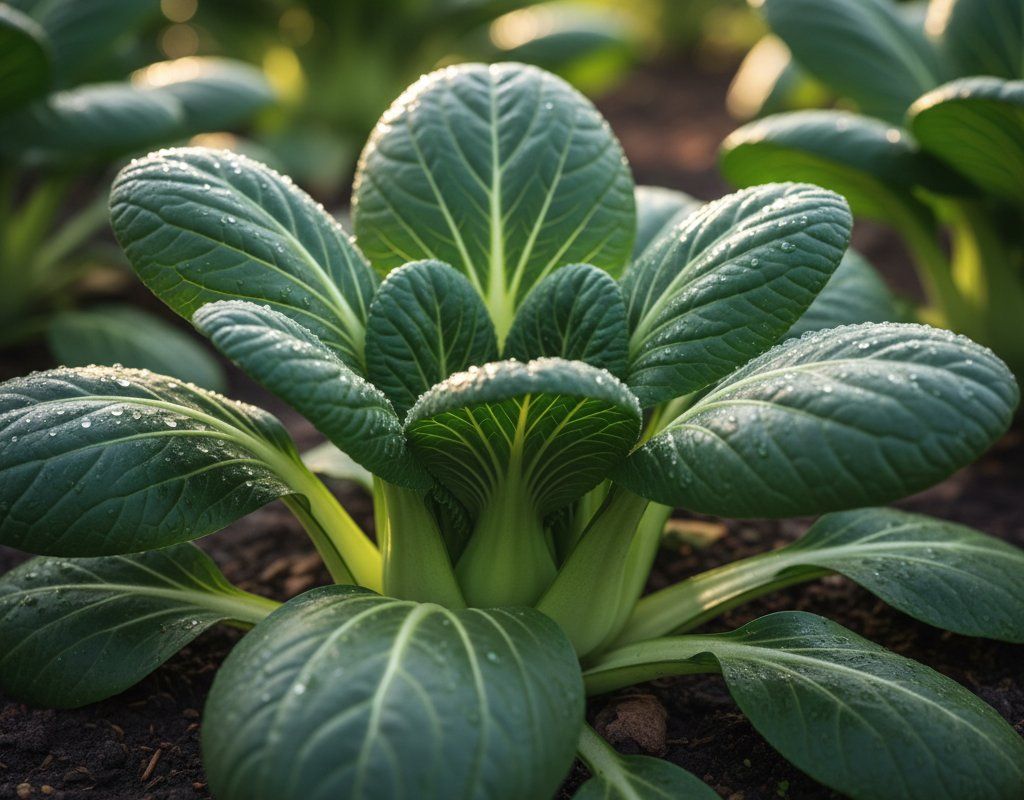
Nasturtiums are great companions for many plants in the Great Plains garden. They act as a trap crop for aphids, drawing them away from tomatoes, cucumbers, and squash, helping protect these crops from pests. They also deter cabbage moths, making them excellent companions for broccoli and cabbage.
Avoid planting them near fennel, as fennel can inhibit the growth of many plants, including nasturtiums.
🥬Best Vegetables to Pair With Nasturtium
Nasturtium benefits these vegetables through pest control, pollinator attraction, or improved garden health.



Get a Reminder When It's Time to Plant
We'll email you when key planting windows open for your zone.