
Nasturtium in Zone 4B — Mountain West
Tropaeolum majus · Your Complete 2026 Planting Guide
Planning Ahead — Great!
You’re ahead of the season. Here’s when to start.
Mark Your Calendar
How to Plant Nasturtium in Zone 4B — Mountain West
Here are all your options for getting nasturtium in the ground, from the easiest method to more advanced approaches.
Direct Sow Seeds
RecommendedLate May through mid July
around May 22
Consider succession planting every 2-3 weeks for continuous harvest.
Nasturtiums resent transplanting. Direct sow after frost.
Buy Starts
Works WellLate May through mid June
around May 22
Plant purchased starts after last frost (May 15).
Start Seeds Indoors
Works WellMid April through early May
around April 24
Then transplant: Late May through mid June
Start seeds 4-6 weeks before transplanting outdoors.
Transplant Outdoors
Timing InfoLate May through mid June
around May 22
Wait until nighttime temperatures stay above 50°F.
You have a nice window — no need to rush.
Overview
Nasturtiums are a fantastic addition to any high-altitude garden. Their peppery leaves and vibrant flowers add a unique flavor to salads, and they attract beneficial insects to your garden. Plus, seeing those bright blooms thrive in our intense sunlight is incredibly satisfying.
Our short growing season and alkaline soil can present challenges, but with careful timing and a few tricks, you can enjoy a bountiful harvest from your nasturtiums. They mature quickly, and a 128-day growing season is just enough time to get a great crop.
Starting Seeds Indoors
Starting nasturtiums indoors isn't essential, as they prefer direct sowing, but it can give you a head start if you're eager to see those first blooms. Starting seeds indoors from mid April through early May (about 4 weeks before transplanting) is the way to go. Use seed trays with a good seed-starting mix, and keep them in a warm spot with plenty of light – a south-facing window or grow lights work well.
Remember to water from the bottom to avoid damping off, which can be a problem in the cooler temperatures of our late springs. Since our spring can be so late to arrive, indoor starting can help make up for lost time.
Transplanting Outdoors
Transplant your nasturtium seedlings outdoors from late May through mid June, once the danger of frost has passed. Before transplanting, harden them off by gradually exposing them to outdoor conditions for about a week. This helps them adjust to the intense UV light and cooler nights we experience.
Space them 10-12 inches apart in a sunny spot. Be mindful of potential late-season frosts, which can still occur. Use row covers if needed to protect your young plants during those cool snaps.
Direct Sowing
Direct sowing is the preferred method for nasturtiums, as they don't love having their roots disturbed. Sow seeds directly into the garden from late May through mid July, after the last frost. Choose a spot with full sun to partial shade.
Prepare the soil by loosening it and removing any large rocks. Nasturtiums aren't picky about soil, and they actually thrive in slightly poor, well-draining soil. Plant seeds about ½ inch deep and space them 10-12 inches apart. Keep the soil consistently moist until the seedlings emerge, usually within a week or two.
Watering Nasturtium in Zone 4B (Mountain West)
Nasturtiums are remarkably drought-tolerant, which makes them perfect for our dry Mountain West climate. Overwatering can actually harm them, leading to more foliage and fewer flowers. It's best to err on the side of dryness.
During the hottest part of the summer, a deep watering once a week is usually sufficient. Use the finger test: stick your finger about 2 inches into the soil. If it feels dry, it's time to water. Aim for about 1 inch of water per week, delivered at the base of the plant to avoid wetting the leaves. Our low humidity means foliar diseases aren't usually a concern, but it's still a good practice.
Signs of underwatering include wilting leaves and stunted growth. Overwatering can lead to yellowing leaves and root rot. A light layer of mulch, like straw or wood chips, can help retain moisture in the soil and reduce the need for frequent watering.
🧪Fertilizing Nasturtium
Feeding Schedule
Organic Fertilizer Options
Harvest Time
You can expect your first harvest of nasturtium flowers and leaves from mid July through mid September, about 55 days after planting. The flowers are ready to harvest when they are fully open and brightly colored. The leaves can be harvested at any time.
To harvest, simply snip the flowers or leaves off the plant with scissors or your fingers. Be gentle to avoid damaging the plant. Regular harvesting encourages more flower production. As the first frost approaches in mid- September, harvest any remaining flowers and leaves. You can also harvest the seed pods and pickle them for a caper-like treat!
Common Problems in Zone 4B (Mountain West)
Here are the top 3 problems you might encounter with nasturtiums in our region:
Aphids
- What it looks like: Clusters of tiny green, black, or white insects on stems and undersides of leaves. Leaves may be sticky or distorted.
- What causes it: Aphids are attracted to lush growth, and our intense sunlight can sometimes stress plants, making them more susceptible. Nasturtiums are often used as a trap crop, meaning aphids are attracted to them *instead* of your other plants.
- How to fix/prevent it: Regularly inspect your plants. Blast aphids off with a strong stream of water from the hose. Introduce beneficial insects like ladybugs. Because they're a trap crop, you can tolerate some aphids on your nasturtiums.
Cabbage Caterpillars
- What it looks like: Holes in leaves, often with green or brown droppings nearby. You might see small green caterpillars munching on the leaves.
- What causes it: Cabbage white butterflies lay their eggs on brassicas and related plants. The caterpillars then hatch and feed on the foliage.
- How to fix/prevent it: Handpick caterpillars off the plants. Cover plants with row covers to prevent butterflies from laying eggs. Bacillus thuringiensis (Bt) is an effective organic treatment.
Black Fly
- What it looks like: Similar to aphids, these small black flies cluster on new growth, sucking sap and weakening the plant.
- What causes it: Often found in damp conditions, but can still appear in our drier climate if plants are stressed or overcrowded.
- How to fix/prevent it: Improve air circulation by spacing plants adequately. Use yellow sticky traps to catch adult flies. Insecticidal soap can be effective, but use it sparingly to avoid harming beneficial insects.
Mountain West Specific Challenges: Our moderate-at-altitude heat, low humidity, and dry conditions mean that nasturtiums generally thrive here. However, the intense UV light can sometimes stress plants, making them more susceptible to pests. Consistent watering and providing some afternoon shade during the hottest part of the day can help mitigate this.
Best Companions for Nasturtium
Plant these nearby for healthier Nasturtium and better harvests.
View Full Companion Planting Chart →



Companion Planting Details
Nasturtiums are excellent companion plants in the Mountain West garden. They attract beneficial insects and can help deter pests from other plants.
Good companions:
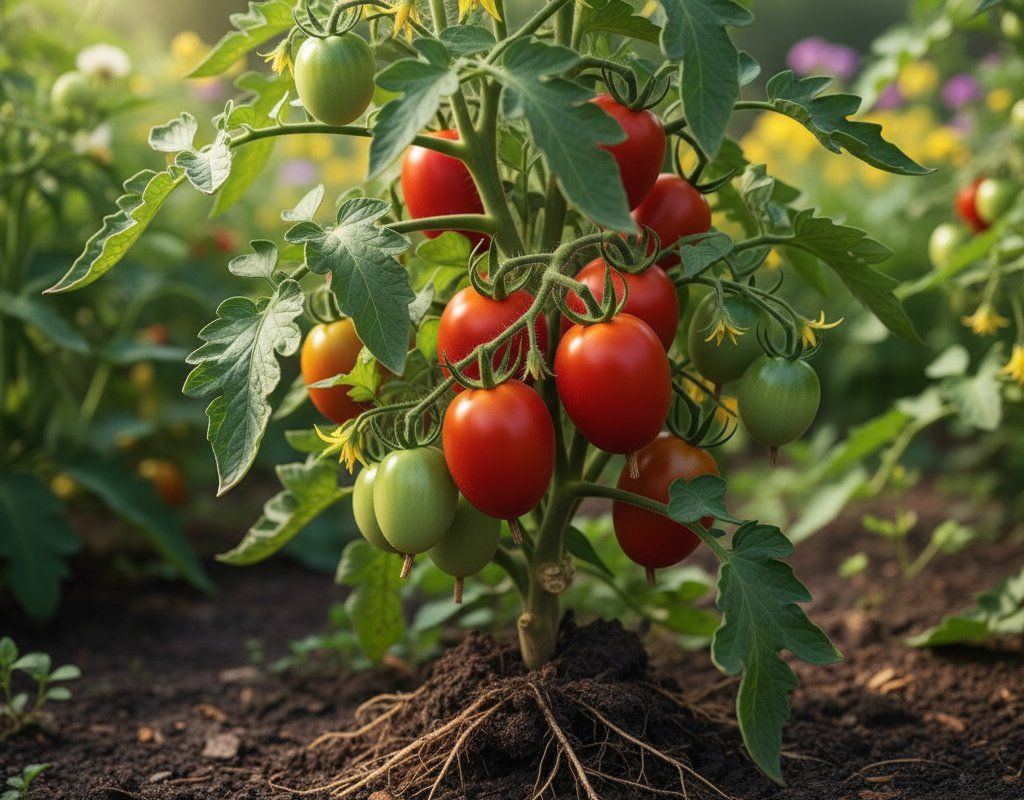
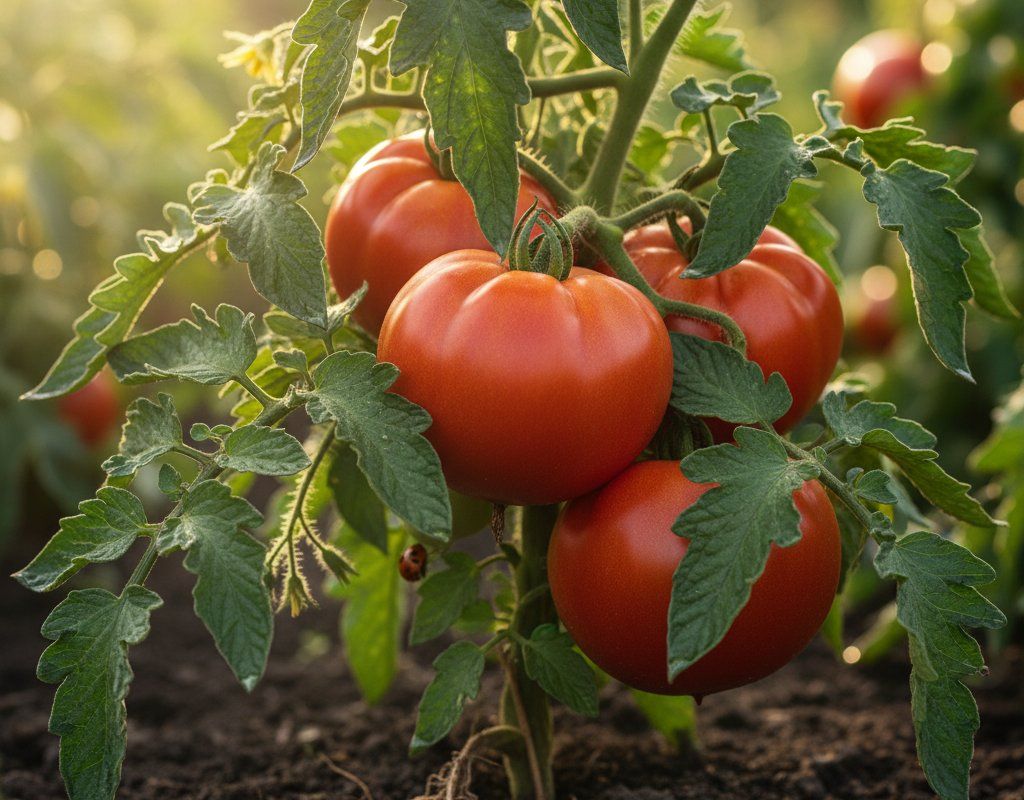
- Tomatoes: Nasturtiums can help repel tomato hornworms.
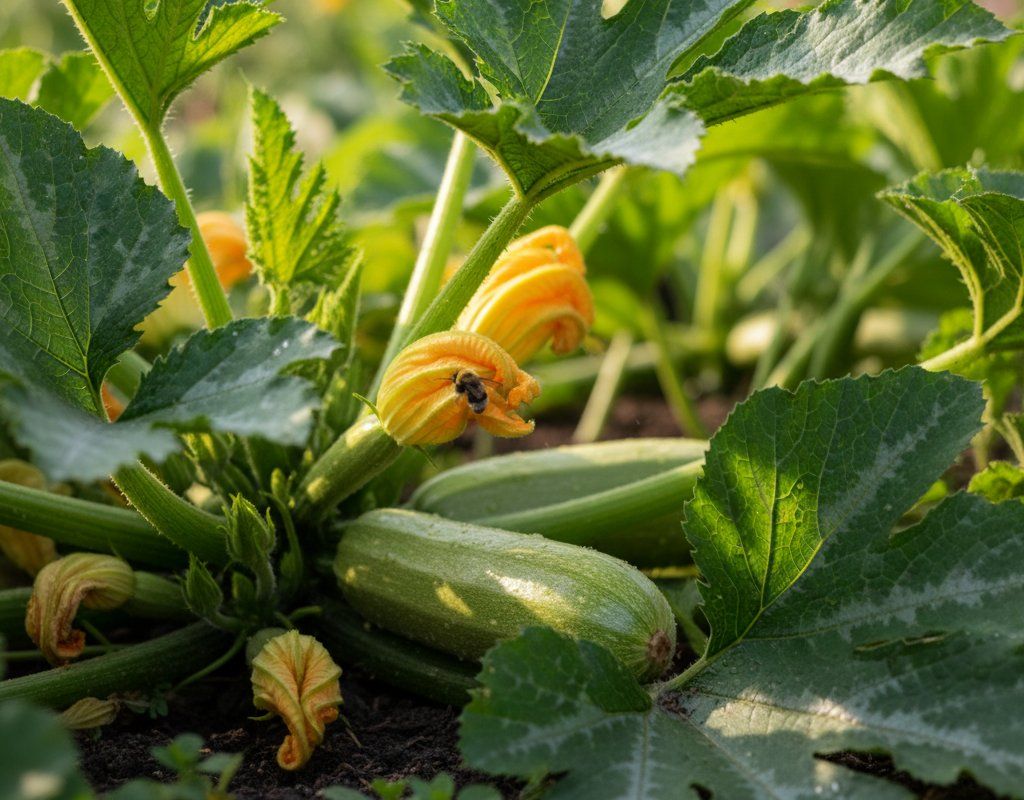
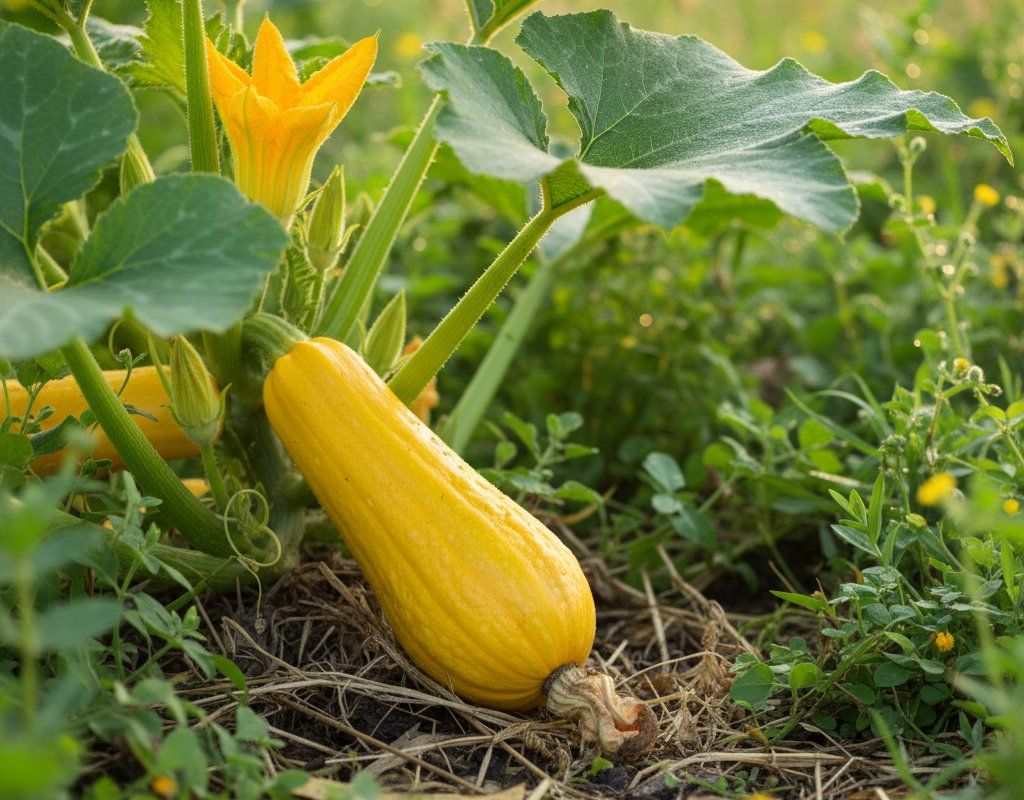
- Cucumbers and Squash: They deter squash bugs and cucumber beetles.
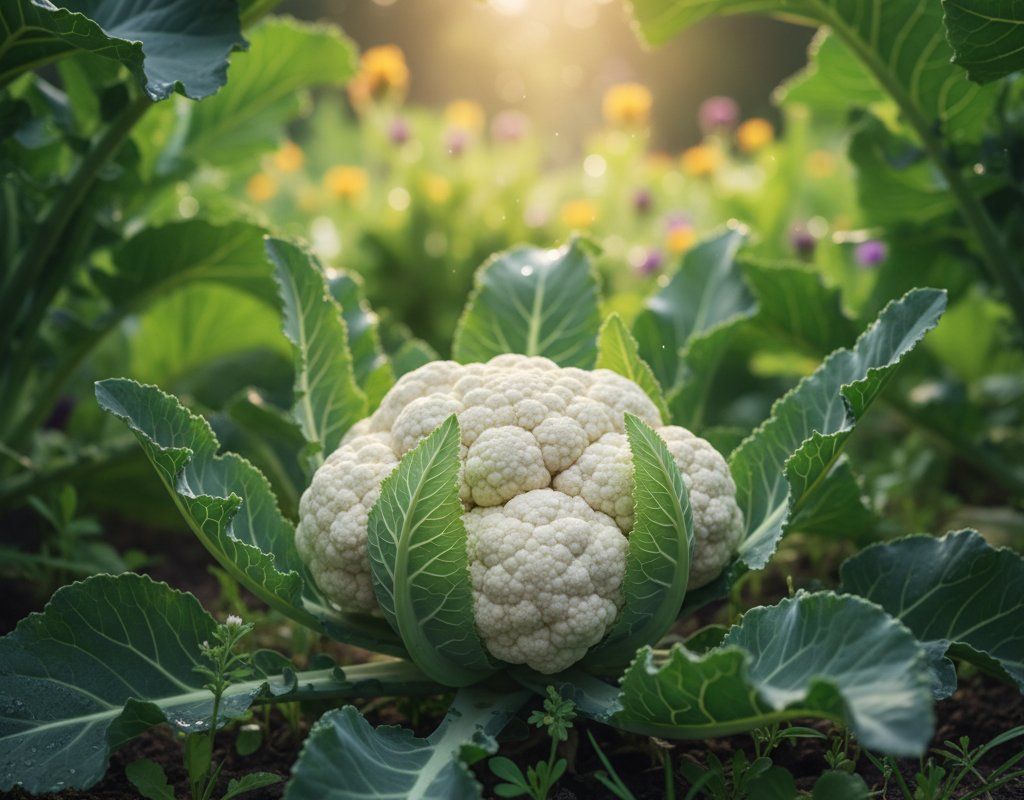
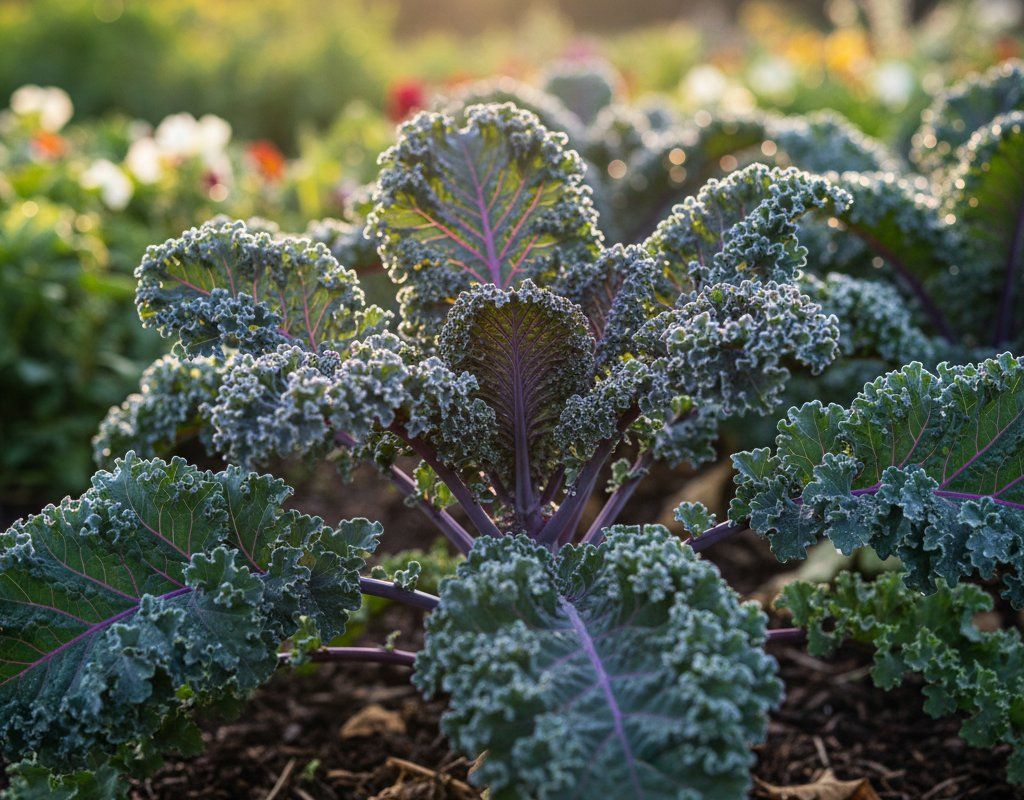
- Broccoli and Cabbage: They attract cabbage white butterflies away from these crops, acting as a trap crop.
Nasturtiums don't really have any bad companions, making them a great plant for almost any garden bed!
🥬Best Vegetables to Pair With Nasturtium
Nasturtium benefits these vegetables through pest control, pollinator attraction, or improved garden health.



Get a Reminder When It's Time to Plant
We'll email you when key planting windows open for your zone.