
Onion in Zone 10A — Florida
Allium cepa · Your Complete 2026 Planting Guide
You Can Still Sow!
Direct sowing window is open for Onion.
Direct Sow Now
Can direct sow seeds or plant sets (small bulbs) in early spring.
How to Plant Onion in Zone 10A — Florida
Here are all your options for getting onion in the ground, from the easiest method to more advanced approaches.
Direct Sow Seeds
RecommendedMid December through early September
around December 13
Consider succession planting every 2-3 weeks for continuous harvest.
Can direct sow seeds or plant sets (small bulbs) in early spring.
Start Seeds Indoors
RecommendedMid October through early November
around October 18
Then transplant: Late December through mid January
Start seeds 10-12 weeks before transplanting outdoors.
Start seeds indoors 10-12 weeks early for largest bulbs.
Buy Starts
Works WellLate December through mid January
around December 27
Plant purchased starts after last frost (January 10).
Onion sets (small bulbs) are the easiest method for beginners.
Transplant Outdoors
Timing InfoLate December through mid January
around December 27
Can tolerate light frost, but wait for soil to be workable.
Plan to transplant within a few weeks of your target date.
Overview
Growing onions in Zone 10A Florida opens up possibilities for year-round bulb production that gardeners in cooler climates can only dream of. While our subtropical climate means timing everything differently than the rest of the country, you can grow sweet, storage-worthy onions that taste infinitely better than anything shipped from distant farms. The key is working with Florida's reversed growing season – planting when it's still warm elsewhere and harvesting during our mild winters.
Our extreme humidity and sandy soils do present challenges for onion growing, but your 355-day growing season means you have multiple planting windows and can experiment with different varieties throughout the year. The trick is avoiding our brutal summer heat when onions struggle, and instead focusing on fall through spring production when conditions are ideal for bulb development.
Starting Seeds Indoors
Starting onion seeds indoors makes sense if you want the largest possible bulbs or specific varieties not available as sets. Start seeds mid-October through early November, about 10 weeks before your planned transplant date in late December. This timing takes advantage of our still-warm fall weather to get seeds germinating quickly.
Use standard seed-starting trays filled with quality potting mix, and keep them consistently moist using bottom watering to prevent fungal issues in our humid climate. Onion seedlings need bright light once they emerge – a sunny south-facing window works, though supplemental grow lights help during shorter winter days. The seedlings look like tiny green onions and should be pencil-thick by transplant time.
Keep in mind that while indoor starting gives you more variety options, onion sets are much easier for beginners and still produce excellent bulbs in our Florida climate. Indoor starting requires more attention during our busy fall planting season when you're also getting cool-season crops established.
Transplanting Outdoors
Transplant your onion seedlings outdoors from late December through mid-January, when nighttime temperatures consistently stay above the mid-40s. This timing allows the plants to establish strong root systems during our mild winter before bulb formation kicks into high gear as days lengthen in spring.
Harden off seedlings gradually over a week by placing them outside for increasing periods daily. Start with just 2-3 hours of morning sun, then build up to full day exposure. Space transplants 4-6 inches apart in rows, setting them at the same depth they were growing in their containers.
Be prepared for occasional cold snaps during transplant season – while onions are quite cold-hardy, newly transplanted seedlings benefit from row cover protection if temperatures drop into the 30s. Our sandy Florida soils drain quickly, which onions appreciate, but you'll need to stay on top of watering as the transplants establish.
Direct Sowing
Direct sowing onions in Florida works well from mid-December through early January, with the soil temperature ideally between 50-75°F. You can sow seeds or plant onion sets, though sets are more reliable for beginners since they're less prone to germination issues in our variable winter weather.
Prepare your planting area by working compost into the sandy soil to improve moisture retention and fertility. Sow seeds about ½ inch deep and 1 inch apart, then thin to final spacing of 4-6 inches once they're established. If using sets, plant them with just the tips showing above soil level.
The main advantage of direct sowing is simplicity – no indoor setup required and less transplant shock. However, germination can be spotty if we get an unusually cool or wet spell, and you're limited to varieties available as sets rather than the full range of seed options. Seeds typically germinate within 10-14 days in our mild winter conditions.
Watering Onion in Zone 10A (Florida)
Onions need consistent moisture throughout their growing season, but the watering approach changes dramatically with Florida's climate patterns. During establishment in winter and early spring, you'll likely need to water 1-2 times per week, providing about an inch of water total. Use the finger test – stick your finger 2 inches into the soil, and if it's dry, it's time to water.
As we move into late spring and our rainy season approaches, reduce supplemental watering but monitor closely. Onions hate waterlogged conditions, and our heavy summer rains combined with extreme humidity can quickly lead to rot issues. Focus on improving drainage rather than adding more water during this period.
Always water at the base of plants rather than overhead – our very high humidity already promotes fungal problems, and wet foliage makes things worse. A drip irrigation system or soaker hose works perfectly for onions. Signs of underwatering include stunted growth and premature bulb formation, while overwatering shows up as yellowing leaves and soft, rotting bulbs.
Stop watering completely once the tops start falling over and yellowing – this signals the beginning of the natural curing process. A 2-3 inch layer of light mulch like shredded leaves helps maintain consistent soil moisture during the active growing period while suppressing weeds in our year-round growing climate.
🧪Fertilizing Onion
Feeding Schedule
Organic Fertilizer Options
Harvest Time
Your onions will be ready for harvest from late March through early May, about 100 days from planting. The telltale sign is when the tops begin falling over and turning yellow-brown – this happens naturally as the bulb completes development and the plant redirects energy from leaf growth to bulb storage.
Don't wait for all the tops to fall over before harvesting. Once about half have flopped, it's time to pull the entire crop. Choose a dry day if possible, and carefully lift bulbs with a garden fork rather than pulling by the tops. Brush off excess soil but don't wash them – wet onions won't cure properly in our humid climate.
Cure your harvested onions in a warm, dry, well-ventilated area for 2-3 weeks before storing. In Florida's humidity, this might mean using a fan or dehumidifier in your garage or a spare room. Properly cured onions will have papery outer skins and can be stored for months in a cool, dry place.
Since our first frost doesn't typically arrive until late December, you have plenty of time to cure and store your spring onion harvest. Plan to use up your stored onions before our summer heat makes storage more challenging, or consider succession plantings for fresh onions year-round.
Common Problems in Zone 10A (Florida)
Onion Thrips These tiny insects create silvery streaks and stippling on onion leaves, eventually causing tips to brown and die back. You'll see the damage before you spot the thrips themselves – they're barely visible and hide in leaf sheaths. Our warm, dry conditions in late winter and spring create perfect breeding habitat for thrips.
Heavy thrips infestations can seriously reduce bulb size by damaging the photosynthetic leaf area. Use reflective mulch around plants to confuse thrips, and encourage beneficial insects with diverse plantings nearby. If populations explode, insecticidal soap or neem oil applications every 5-7 days can help, but timing is critical since thrips hide so well.
Pink Root This fungal disease causes roots to turn pink, then dark red, and finally black and rotted. Affected plants show stunted growth, yellowing leaves, and small bulbs that don't store well. Pink root thrives in our warm, humid conditions and is especially problematic in poorly drained soils or areas where onions have been grown repeatedly.
The disease persists in soil for years, making crop rotation essential. Choose pink root-resistant varieties when available, and improve drainage by adding compost or planting in raised beds. Avoid overhead watering and ensure good air circulation between plants to reduce humidity around the root zone.
Bolting When onions send up flower stalks prematurely, they've bolted – shifting energy from bulb development to seed production. The bulbs become woody and strong-flavored, essentially ruining your harvest. In Florida, bolting usually happens when plants experience stress from inconsistent watering, temperature swings, or planting at the wrong time.
Plant at the correct time for our climate – too early and warm fall weather can trigger bolting, too late and spring heat does the same thing. Maintain consistent soil moisture and choose varieties suited for our long-day conditions. If you spot flower stalks forming, cut them off immediately, though the bulb quality may already be compromised.
Florida Specific Challenges: Our extreme humidity promotes fungal diseases like pink root and downy mildew, while sandy soils require more frequent watering but also improve drainage that helps prevent root rot. Summer heat makes storage challenging, so plan to use harvested onions quickly or invest in proper curing and storage setups with climate control.
Best Companions for Onion
Plant these nearby for healthier Onion and better harvests.

Keep Away From
Companion Planting Details
Onions make excellent companions for carrots and beets because their strong scent helps deter many root maggots and other soil pests that plague these crops. Plant onions around the perimeter of carrot beds or intersperse them throughout – the spacing works perfectly since both crops need similar growing conditions and harvest timing in our Florida climate. Lettuce also benefits from onion proximity since the alliums help repel aphids and other soft-bodied pests that love tender greens.
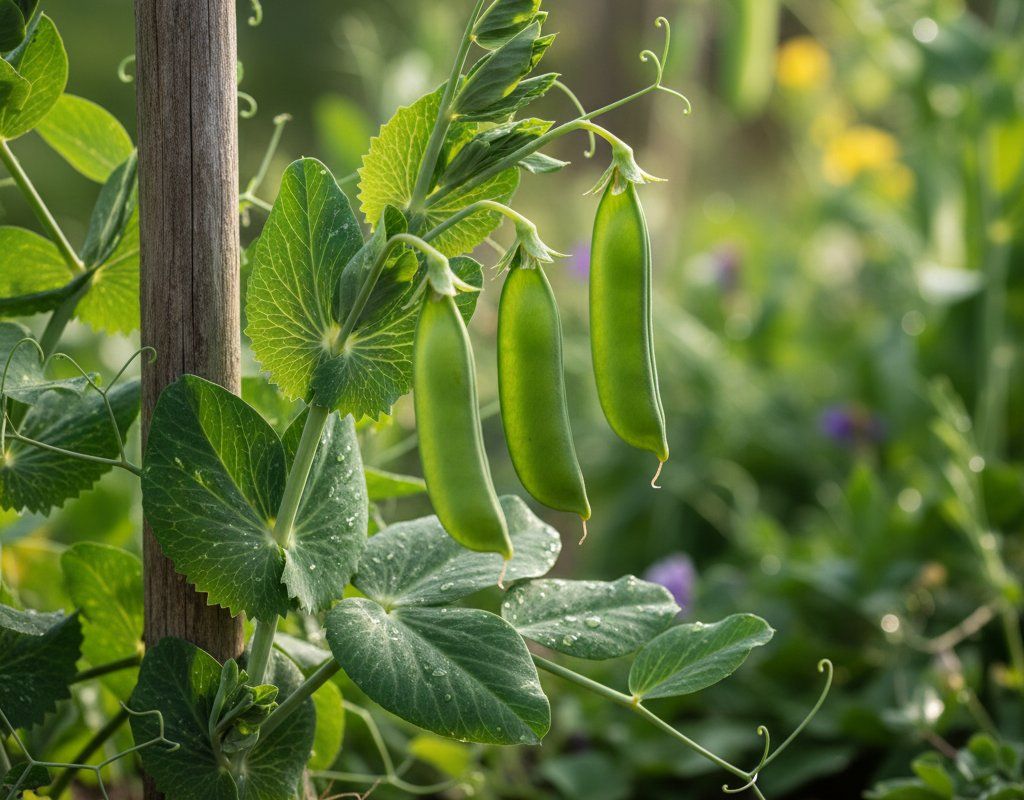
Avoid planting onions near beans and peas – the alliums can inhibit nitrogen fixation by these legumes, reducing their productivity. This is especially important in Florida where we rely heavily on cool-season legume crops during fall and winter when growing conditions are most favorable. Keep these plants separated by at least 3-4 feet, or use onions as border plantings around your main vegetable beds instead of interplanting.
🌸Best Flowers to Plant with Onion
These flowers protect your Onion from pests and attract pollinators for better harvests.
For Pest Control


For Pollinators

Get a Reminder When It's Time to Plant
We'll email you when key planting windows open for your zone.