
Lettuce in Zone 10A — Florida
Lactuca sativa · Your Complete 2026 Planting Guide
Harvest Time!
Your Lettuce should be producing now!
Harvest Tips
Harvest outer leaves for cut-and-come-again, or cut whole head.
How to Plant Lettuce in Zone 10A — Florida
Here are all your options for getting lettuce in the ground, from the easiest method to more advanced approaches.
Direct Sow Seeds
RecommendedMid December through early November
around December 13
Consider succession planting every 2-3 weeks for continuous harvest.
Lettuce germinates easily in cool soil. Succession sow every 2-3 weeks.
Start Seeds Indoors
RecommendedLate November through mid December
around November 29
Then transplant: Late December through early February
Start seeds 4-6 weeks before transplanting outdoors.
Starting indoors gives you an earlier harvest.
Buy Starts
Works WellLate December through early February
around December 27
Plant purchased starts after last frost (January 10).
Lettuce starts are inexpensive and widely available.
Transplant Outdoors
Timing InfoLate December through early February
around December 27
Can tolerate light frost, but wait for soil to be workable.
You have a nice window — no need to rush.
Fall Planting
Early November through early December
November 19 ideal · Direct sow for fall harvest
Plant a second crop in mid-summer for fall harvest. Lettuce actually prefers the cooling temperatures of fall.
Overview
Fresh lettuce in Florida tastes nothing like the wilted grocery store stuff that's traveled hundreds of miles in refrigerated trucks. When you grow your own here in Zone 10A, you'll harvest crisp, flavorful leaves that actually have personality – from buttery buttercrunch to peppery arugula. Our reversed growing seasons mean you can enjoy homegrown salads through our pleasant winter months when lettuce thrives in our subtropical climate.
Yes, Florida's extreme humidity and scorching summers make lettuce tricky, but timing is everything. Plant during our cool season from late fall through early spring, and lettuce becomes surprisingly manageable. With our 355-day growing season, you can succession plant multiple crops and enjoy fresh salads from December through April when the rest of the country is buried under snow.
Starting Seeds Indoors
Starting lettuce seeds indoors makes sense if you want the earliest possible harvest or prefer specific varieties that aren't available as transplants. Begin your seeds in late November through mid-December, about 4 weeks before you plan to transplant outdoors. This timing takes advantage of our reversed spring season when temperatures start cooling rather than warming.
Set up seed trays in a cool spot with good light – a bright window or grow lights work well. Lettuce seeds germinate quickly in temperatures around 60-70°F, which is perfect for our winter indoor conditions. Use bottom watering to keep the soil consistently moist without disturbing the tiny seeds or encouraging fungal problems that thrive in our humidity.
Starting indoors gives you more control over the seedling environment and lets you get a jump on the season. You'll have sturdy transplants ready to go into the garden during our prime lettuce-growing weather from late December through early February.
Transplanting Outdoors
Transplant your lettuce seedlings outdoors from late December through early February, when our temperatures have settled into the comfortable 60-80°F range that lettuce loves. This window takes advantage of Florida's reversed seasons – while northern gardeners are dealing with snow, we're enjoying perfect growing weather for cool-season crops.
Harden off your seedlings gradually over a week by exposing them to outdoor conditions for increasing periods each day. Start with 2-3 hours in filtered shade and work up to full outdoor exposure. Our winter weather can still surprise you with temperature swings, so watch the forecast and protect plants if needed.
Space transplants 6-12 inches apart depending on the variety – leaf lettuce can handle closer spacing while head lettuce needs room to develop. Plant them at the same depth they were growing in their containers, and water them in well. Lettuce starts are inexpensive and widely available at local nurseries during our prime planting window, making this an easy option for beginners.
Direct Sowing
Direct sowing lettuce works beautifully in Florida's winter garden from mid-December through early November of the following year. Our sandy soil warms and cools quickly, creating ideal conditions for lettuce seeds to germinate in cool, moist earth. Skip the indoor starting hassle and sow directly where you want the plants to grow.
Prepare your beds by working compost into the sandy soil to improve water retention – lettuce needs consistent moisture, and our sandy soils drain fast. Sow seeds about ¼ inch deep and 6-12 inches apart, depending on whether you're growing leaf or head lettuce. The seeds germinate easily in soil temperatures between 45-75°F, which is exactly what we get during our cool season.
Succession sow every 2-3 weeks for continuous harvests throughout the growing season. This strategy works particularly well in Florida since our long growing season allows multiple plantings. Direct sowing also avoids transplant shock and lets you grow varieties that don't handle root disturbance well.
Watering Lettuce in Zone 10A (Florida)
Lettuce needs consistent moisture but hates waterlogged soil – a tricky balance in Florida's climate of extreme humidity and unpredictable rainfall patterns. During our dry winter months (November through April), you'll need to water regularly since lettuce has shallow roots that dry out quickly. Aim for about 1 inch of water per week, including rainfall.
Use the finger test to check soil moisture: stick your finger 2 inches deep into the soil near the plants. If it feels dry, it's time to water. In our sandy soil, this might mean watering every other day during dry spells, especially as temperatures climb toward spring. Water at the base of plants rather than overhead – our already extreme humidity creates perfect conditions for fungal diseases when leaves stay wet.
Watch for signs of stress: wilting in the morning means underwatering, while yellowing lower leaves often indicates overwatering or poor drainage. During our wet summer season (if you're trying to grow heat-tolerant varieties), you might need to improve drainage rather than add water. Our 50-65 inches of annual rainfall comes mostly in summer, so winter irrigation is usually your responsibility.
Apply 2-3 inches of organic mulch around plants to help retain moisture and keep soil cool. This is especially important as we head into spring when temperatures start climbing toward our hot summer highs of 93°F. Good mulching can extend your lettuce season by several weeks.
🧪Fertilizing Lettuce
Feeding Schedule
Organic Fertilizer Options
Harvest Time
Start harvesting lettuce in late January to early March, about 45 days after planting, depending on your variety and planting timing. For leaf lettuce, harvest when leaves reach 4-6 inches long – you can pick individual outer leaves and let the center keep growing. Head lettuce is ready when heads feel firm and solid but before the plant starts sending up a tall center stalk.
Cut leaf lettuce with clean scissors or a sharp knife, taking outer leaves first and leaving the growing point intact. This allows continued production from the same plant for weeks. For head lettuce, cut the entire head at soil level in the early morning when leaves are crisp and full of moisture – our Florida mornings are perfect for this.
Keep harvesting regularly to prevent bolting, which happens when plants get stressed by heat, drought, or long days. In our climate, lettuce typically starts bolting as temperatures consistently reach the 80s in late spring. Once you see a tall flower stalk forming in the center, the leaves become bitter and tough.
As our first frost approaches in late December, harvest everything you can. Unlike tomatoes, lettuce won't ripen after picking, so take what's ready and replant for your next crop. With succession planting every 2-3 weeks, you can keep fresh lettuce coming throughout our cool season.
Common Problems in Zone 10A (Florida)
Bolting shows up as a tall central stalk shooting up from your lettuce, with small yellow flowers at the top. The leaves become bitter and tough once bolting starts. In Florida, this happens when temperatures consistently hit the 80s or during stress from inconsistent watering. Plant lettuce during our proper cool season (late fall through early spring), provide afternoon shade as spring approaches, and keep soil consistently moist. Choose bolt-resistant varieties like 'Jericho' or 'Nevada' for extended harvests.
Aphids appear as clusters of tiny green, black, or white insects on leaf undersides and stems, often leaving sticky honeydew residue. New growth may curl or distort. Our warm, humid climate allows aphid populations to explode quickly, especially on stressed plants. Blast them off with a strong water spray, encourage natural predators like ladybugs, or use insecticidal soap for heavy infestations. Avoid excess nitrogen fertilizer, which makes plants more attractive to aphids.
Slugs create irregular holes in leaves and leave silvery slime trails, with damage appearing overnight in wet conditions. They hide under mulch and debris during our warm days, coming out to feed when humidity rises at night. Set beer traps (shallow dishes of beer at soil level), use iron phosphate bait around plants, and remove hiding spots like boards or dense mulch. Water in the morning so soil surfaces dry by evening, reducing their preferred moist conditions.
Tip burn appears as brown, dried edges on inner lettuce leaves, especially on head varieties. This calcium uptake problem worsens in our sandy soils and with inconsistent watering during temperature swings. Water consistently to help calcium move through the plant, avoid ammonium-based fertilizers, and ensure adequate soil calcium levels. Provide afternoon shade as temperatures climb toward spring.
Florida Specific Challenges: Our extreme humidity creates perfect conditions for fungal diseases, while sandy soils drain too quickly for lettuce's shallow roots. Summer heat makes growing impossible except for heat-tolerant varieties, and sudden temperature swings during winter can stress plants into early bolting.
Best Companions for Lettuce
Plant these nearby for healthier Lettuce and better harvests.
View Full Companion Planting Chart →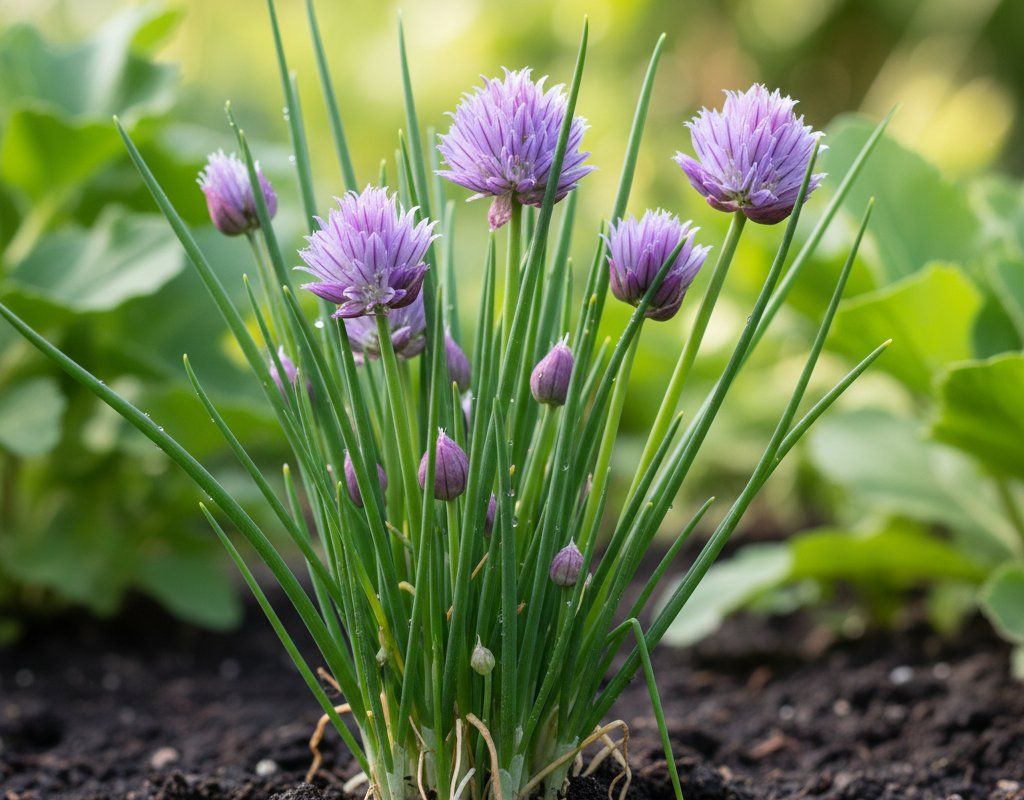


Companion Planting Details
Plant lettuce with carrots and radishes – these root crops break up our compacted sandy soil while their different root depths mean no competition for nutrients. Strawberries make excellent companions since they prefer similar cool weather and light watering schedules, plus their low growth habit provides living mulch. Chives planted nearby help repel aphids with their strong scent while attracting beneficial insects with their purple flowers.
Avoid planting lettuce near celery and parsley, which are heavy feeders that compete for the same nutrients in our already nutrient-poor sandy soils. These plants also prefer consistently moist conditions that can lead to fungal problems when combined with lettuce in our humid climate. Keep these herbs in a separate bed where you can manage their higher water and fertility needs independently.
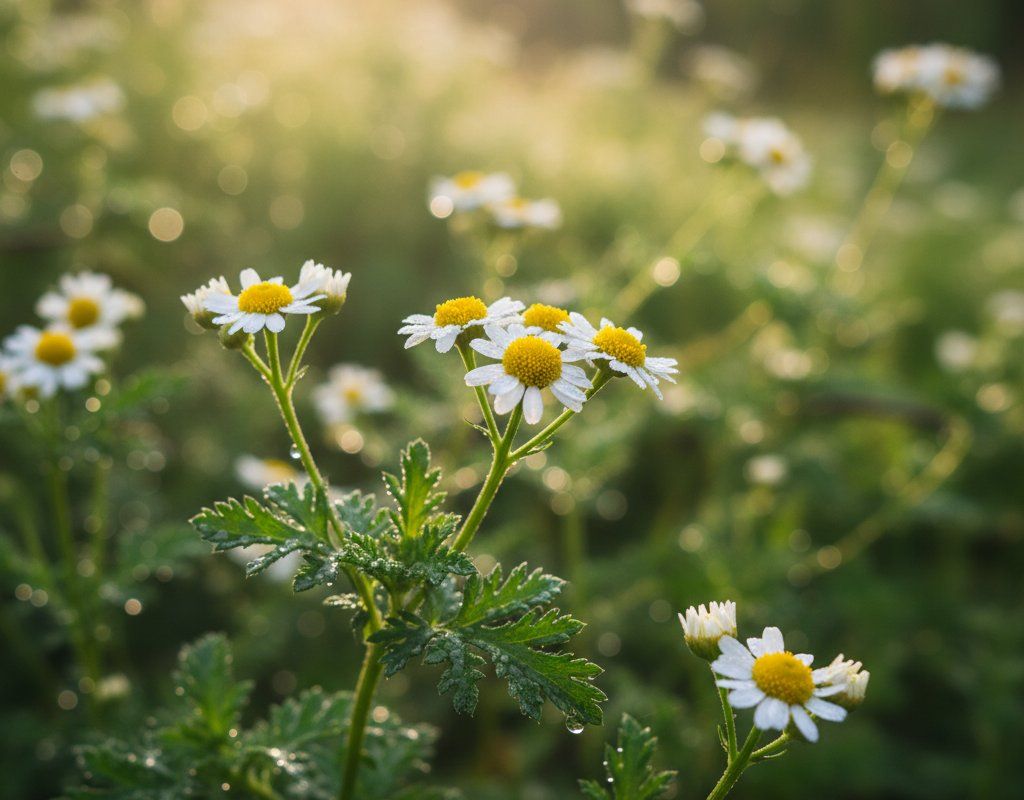
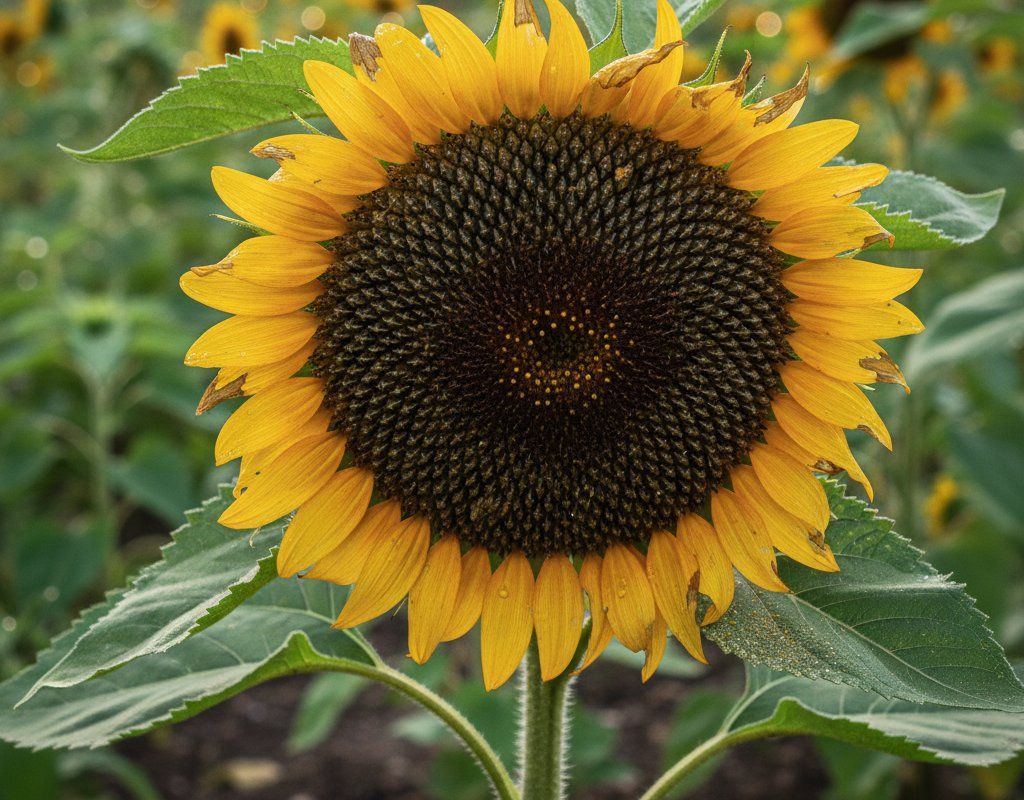
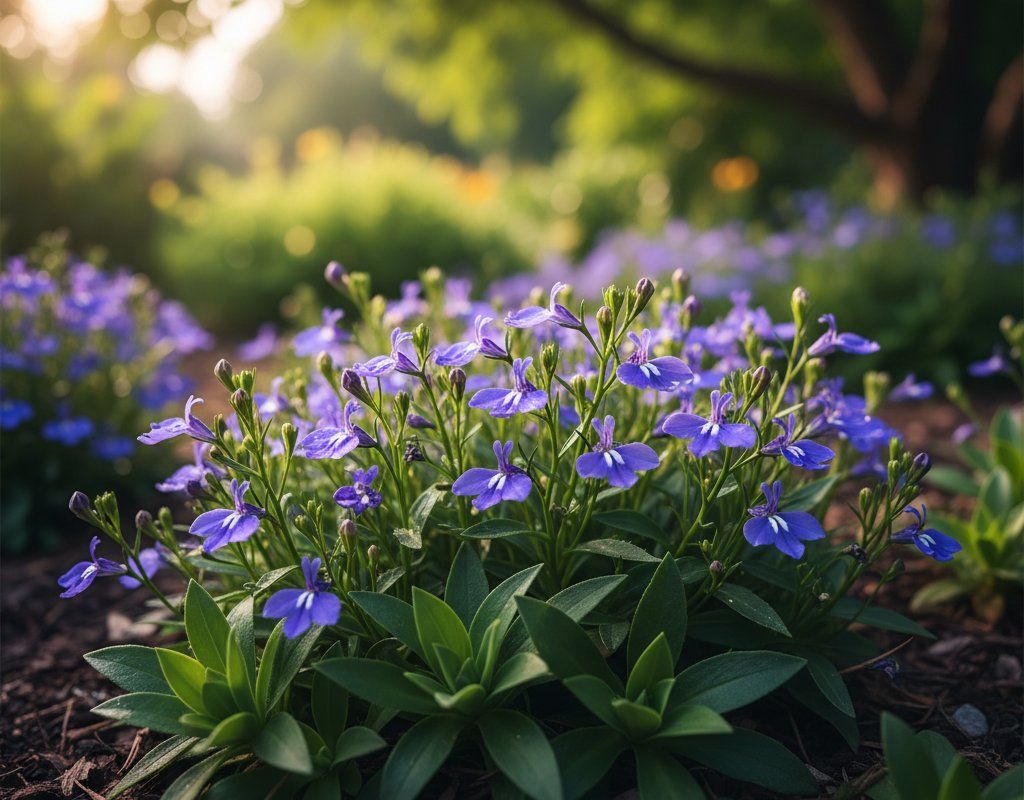
🌸Best Flowers to Plant with Lettuce
These flowers protect your Lettuce from pests and attract pollinators for better harvests.
For Pest Control



Get a Reminder When It's Time to Plant
We'll email you when key planting windows open for your zone.