
Onion in Zone 6A — Pacific Northwest
Allium cepa · Your Complete 2026 Planting Guide
Missed Seed Starting? No Problem!
Wait for starts to become available.
What to Do
Starts will be available at nurseries in 53 days (around April 26).
How to Plant Onion in Zone 6A — Pacific Northwest
Here are all your options for getting onion in the ground, from the easiest method to more advanced approaches.
Direct Sow Seeds
RecommendedMid April through mid June
around April 12
Consider succession planting every 2-3 weeks for continuous harvest.
Can direct sow seeds or plant sets (small bulbs) in early spring.
Start Seeds Indoors
RecommendedEarly February through early March
around February 15
Then transplant: Late April through mid May
Start seeds 10-12 weeks before transplanting outdoors.
Start seeds indoors 10-12 weeks early for largest bulbs.
Buy Starts
Works WellLate April through mid May
around April 26
Plant purchased starts after last frost (May 10).
Onion sets (small bulbs) are the easiest method for beginners.
Transplant Outdoors
Timing InfoLate April through mid May
around April 26
Can tolerate light frost, but wait for soil to be workable.
Plan to transplant within a few weeks of your target date.
Overview
Onions are one of the most rewarding crops you can grow in the Pacific Northwest, delivering sharp, sweet flavor that store-bought bulbs simply can't match. Our mild summers and cool nights create ideal conditions for developing complex flavors without the stress that intense heat brings to these cool-season favorites. You'll find yourself reaching for your homegrown onions in everything from summer salads to hearty fall soups.
While our cool, wet springs can slow early growth and our relatively short warm season requires some timing attention, onions are perfectly suited to our 148-day growing season. The key is getting them started early enough to take full advantage of our long, mild fall when bulbs do their final sizing up before harvest.
Starting Seeds Indoors
Starting onion seeds indoors makes sense if you want the largest possible bulbs or specific varieties not available as sets. You'll want to start seeds in early February through early March, giving yourself about 10 weeks before transplanting. Our slow spring means indoor-started plants get a valuable head start while outdoor soil is still too cool and wet.
Set up your seeds in standard seed trays with a quality seed-starting mix, keeping them warm (65-70°F works well) and under grow lights once they germinate. Bottom watering works particularly well for onions since it prevents damping off in our humid indoor winter conditions. The seedlings will look like thin grass blades at first - this is completely normal.
Remember that starting from seed gives you access to storage varieties and unique types, but onion sets remain the easiest option for most PNW gardeners. If you do start from seed, plan for 10-12 weeks indoors to develop the strongest transplants.
Transplanting Outdoors
You can transplant your indoor-started onion seedlings from late April through mid-May, once our last frost risk has passed and soil has begun to warm. Even though onions handle frost well, young transplants establish better when nighttime temperatures stay consistently above 35°F. Our typically overcast spring days are actually helpful here, reducing transplant shock.
Start hardening off your seedlings about a week before transplanting by gradually increasing their outdoor exposure. Begin with a few hours in a protected spot and work up to full days outside. Space your transplants 4-6 inches apart in rows, planting them at the same depth they were growing in their containers.
Watch for late spring temperature swings that can stress newly transplanted onions. A row cover can help during unexpected cold snaps, but remove it once daytime temperatures consistently reach the 60s. The cool soil in our spring gardens means growth will be slow at first, but this actually helps develop stronger root systems.
Direct Sowing
Direct sowing onion seeds works well in the Pacific Northwest, though you'll get smaller bulbs than with transplants or sets. You can sow seeds from mid-April through mid-June, with earlier sowings generally producing larger bulbs. Wait until soil temperature reaches at least 50°F and the ground can be worked without forming clumps.
Prepare your planting bed with compost or well-aged manure, as onions appreciate rich, well-draining soil. Sow seeds about ¼ inch deep and 1 inch apart, then thin to 4-6 inches as they grow. Our cool spring soil means germination can take 2-3 weeks, so be patient. Keep the seedbed consistently moist during this period.
Most PNW gardeners find onion sets (small bulbs) easier and more reliable than direct seeding. Sets can go in the ground in early spring as soon as soil can be worked, giving you a significant head start over seeds. Plant sets pointed end up, just deep enough that the tip is barely covered with soil.
Watering Onion in Zone 6A (Pacific Northwest)
Onions need consistent moisture throughout their growing season, especially during bulb formation in mid-summer. In our dry-summer climate, this means you'll be doing most of the watering work from July through September when our natural rainfall drops off. Check soil moisture by sticking your finger 2 inches deep - if it's dry, it's time to water.
Provide about 1 inch of water per week during our dry months, watering deeply at the base of plants rather than overhead. This is particularly important in our low-humidity summer conditions where wet foliage can invite problems. Morning watering works best, giving plants time to dry before our cool nights set in.
Stop watering completely when onion tops begin to fall over and yellow - this signals the bulbs are ready to cure and additional moisture can cause rot. This timing shift is crucial in the Pacific Northwest where late summer rains can return unexpectedly. A thin layer of straw mulch helps retain moisture during our dry period while keeping soil temperatures moderate.
Watch for signs of stress: drooping leaves usually mean underwatering, while soft, yellowing lower leaves can indicate overwatering. Our mild summer temperatures make onions fairly forgiving, but consistent moisture produces the best bulb development.
🧪Fertilizing Onion
Feeding Schedule
Organic Fertilizer Options
Harvest Time
Your onions will be ready for harvest from late July through mid-October, depending on variety and when you planted. The telltale sign is when tops begin falling over and turning yellow - this happens naturally as the bulb completes its growth. Don't wait for all tops to fall; harvest when about 75% have flopped over to prevent splitting or sprouting.
Pull bulbs carefully by grasping near the base of the stem, or use a garden fork to gently lift them if soil is compacted. Brush off excess soil but leave the papery outer skin intact - this protects during curing. Cut tops to about 1 inch above the bulb unless you plan to braid them.
Cure your onions in a warm, dry, well-ventilated area for 2-3 weeks before storage. Our typically dry late summers provide excellent curing conditions outdoors under cover, but bring them inside if fall rains arrive early. Properly cured onions will have crispy outer skins and dried necks.
With our first frost typically arriving in early October, plan your harvest accordingly. Late-planted onions may not reach full size before frost, but even smaller bulbs store well when properly cured. Sweet varieties should be used first, while storage types can last through winter in cool, dry conditions.
Common Problems in Zone 6A (Pacific Northwest)
Onion Thrips These tiny, slender insects create silvery streaks and stippling on onion leaves, eventually causing tips to turn brown and die back. In severe infestations, you'll see the actual thrips - barely visible yellow or brown specks that jump when disturbed. Our dry summers can encourage thrip populations since they prefer low humidity conditions.
Thrips overwinter in garden debris and emerge as temperatures warm in late spring. Remove weedy areas around your onion bed and clean up plant debris in fall. Row covers during early growth can prevent initial infestations, and beneficial insects like predatory mites help keep populations in check naturally.
Pink Root This fungal disease causes roots to turn pink, then purple, and finally black as they rot away. Above ground, you'll notice stunted growth, yellowing leaves, and smaller bulbs. Pink root thrives in our cool, wet spring conditions and can persist in soil for years. Once established, it's difficult to eliminate completely.
The disease spreads through contaminated soil, water, and tools. Improve drainage in planting areas and avoid overwatering, especially during our naturally wet springs. Rotate onions to different garden areas each year and choose pink root-resistant varieties when available. Remove and dispose of infected plants rather than composting them.
Bolting Onions send up flower stalks prematurely when stressed, shifting energy from bulb development to seed production. You'll see a thick, central stalk emerging with a round flower head on top. While our mild summers reduce heat stress, temperature swings and drought during our dry period can trigger bolting.
Plant at the correct time for your variety - short-day types can bolt if planted too early in our long-day conditions. Keep soil consistently moist during summer and choose varieties suited to Pacific Northwest day lengths. If bolting occurs, cut the flower stalk immediately to redirect energy back to the bulb, though size will still be reduced.
Pacific Northwest Specific Challenges: Our region's combination of cool, wet springs and dry summers creates unique challenges for onions. The extended cool period can slow early growth, making consistent soil moisture crucial once dry weather arrives. Late blight, while more common on tomatoes and potatoes, can occasionally affect onions during unusually wet summers, making good air circulation important in your garden design.
Best Companions for Onion
Plant these nearby for healthier Onion and better harvests.

Keep Away From
Companion Planting Details
Onions make excellent companions for carrots, creating a classic pairing where onions repel carrot flies while carrots help break up soil for onion root development. Plant them in alternating rows or intermixed patches. Beets also work well with onions since both prefer similar soil conditions and watering schedules, and neither competes heavily for space. The shallow root systems complement each other nicely in our often-compacted PNW soils.
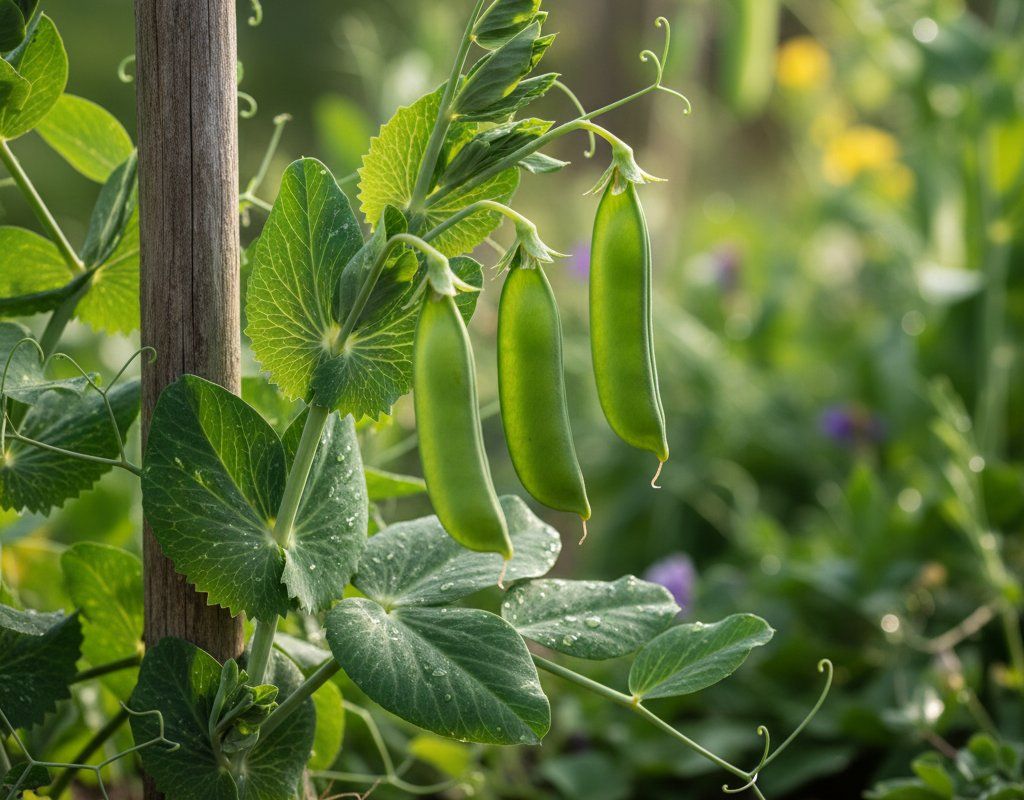
Lettuce and other leafy greens appreciate the pest-deterrent qualities onions provide, and you can harvest the greens before onions need full space for bulbing up. Tomatoes benefit from onions' natural pest-repelling properties, though remember that tomatoes will need more water than onions during our dry summers. Avoid planting onions near beans and peas - these legumes can inhibit onion growth, and their nitrogen-fixing ability can encourage too much leaf growth at the expense of bulb development.
🌸Best Flowers to Plant with Onion
These flowers protect your Onion from pests and attract pollinators for better harvests.
For Pest Control


For Pollinators

Get a Reminder When It's Time to Plant
We'll email you when key planting windows open for your zone.